Lifestyle
20 best iron-rich vegan foods, and how to absorb more of it
This is a collection of vegan foods rich in iron and a small guide on how to absorb more of this trace element, to prevent anemia and fatigue. Below you’ll … Read more
This is a collection of vegan foods rich in iron and a small guide on how to absorb more of this trace element, to prevent anemia and fatigue.
Below you’ll find a reliable vegan sources of iron and you can add them to your diet, whether you’re actually plant-based, or simply trying to increase your own or your child’s iron intake. Absorbing enough iron from food can help optimize levels in the body and prevent deficiency.
We’ll also talk about improving the bioavailability of the mineral from these high-iron foods – something often ignored when talking about plant-based foods.
We don’t think we've told you about our iron deficiency a few years ago. We know you’re pumped to hear this mega exciting story that started so well.
So, we were eating mostly vegetarian foods back then and didn’t actually follow the rules of pouring lemon juice over every single chickpea we ate and avoiding dairy and eggs.
We did live and eat healthy, much healthier than today, when we've let myself go and haven’t washed our hair in 2 weeks. Seriously, we thought we were indestructible. Then, out of curiosity, we got some blood drawn out of our arm. And we tested it, just to see whether we're doing good.
This was the first time in our life when we realized, no, our body’s not indestructible and we have an iron deficiency.
We don’t have enough iron in our body? Isn’t that just for pale and skinny people like our friend? That’s not our thing, can’t be right. We're not tired all the time, our skin looks normal and our nails and hair aren’t falling off too much. Well, our hair we mean.
But it was true. What followed was 3 months of iron supplements, some constipation from those and a new set of “rules” when it comes to preparing food. We'll talk about that later – see the bioavailability part below.
Now, here we want to talk about how to improve your iron intake from food, so you prevent deficiency and anemia. Maybe you want to do it for your child or your baby. Maybe for you, if you’re a woman, we do lose quite a bit of blood on our periods, so this is a pretty common problem in women.
Why Do We Need Iron?
Before we dive into a reliable vegetarian food sources of iron, let’s talk about why we need iron in the first place.
There Aren’t Actual Benefits To Getting More Iron
Some might call this next section “Health Benefits of Iron”, but there aren’t any health benefits to getting more of this trace element. We need a specific amount of it for different, fundamental processes inside the body.
When you get that specific amount of iron, your body is simply working properly. You’re not going to become superhuman by having more iron inside your cells, Iron Man isn’t real. When people say: “Health Benefits Of Iron”, they basically assume you have low levels of iron and by bringing them back to normal, you’ll start feeling better. So it’s not a benefit, it’s just the norm.
Now, after this fun monologue, let’s look at what we need iron for.
Iron Functions In The Body
Iron is usually a building block for different molecules, specifically proteins. These proteins have different, essential functions:
- iron is part of hemoglobin in the red blood cells and it helps transport fresh oxygen through the blood from the lungs to the tissues and CO2 the other way around.
- it is part of different enzymes responsible for DNA synthesis, cell growth and division
- also part of enzymes responsible for the production of collagen and some neurotransmitters (healthy tissue production – thus for hair, nails and skin)
- we need iron for proper immune function
You see without iron, these enzymes and proteins cannot be and we won’t be able to breathe, have energy or exist. You can read a bit more about iron and its functions here and here.
How Much Iron Do We Need?
Iron needs are individual. A few things that can determine how much iron you need in a day are your age and sex.
- 1-3 years: 7 mg/day
- 4-8 years: 10 mg/day
- 9-13 years old: 8 mg/day
- 14-18 years old (female): 15 mg/day
- 14-18 years old (male): 11 mg/day
- 19-50 years old (female): 18 mg/day
- 19-50 years old (male): 8 mg/day
- >50 years old: 8 mg/day
The requirements are even higher for pregnant women – 27 mg/day.
Iron Deficiency Is Not Uncommon
According to WHO, iron deficiency is the most widespread nutritional disorder worldwide, affecting half a billion women worldwide – about 29% of non-pregnant women, 38% of pregnant women. These numbers are higher for women living in non-industrialized countries than women in industrialized countries.
Anemia and iron deficiency can lead to fatigue, lethargy, decreased work performance, decreased learning ability in children and complications in pregnant women.
Iron-Rich Foods That Are Vegan And Vegetarian
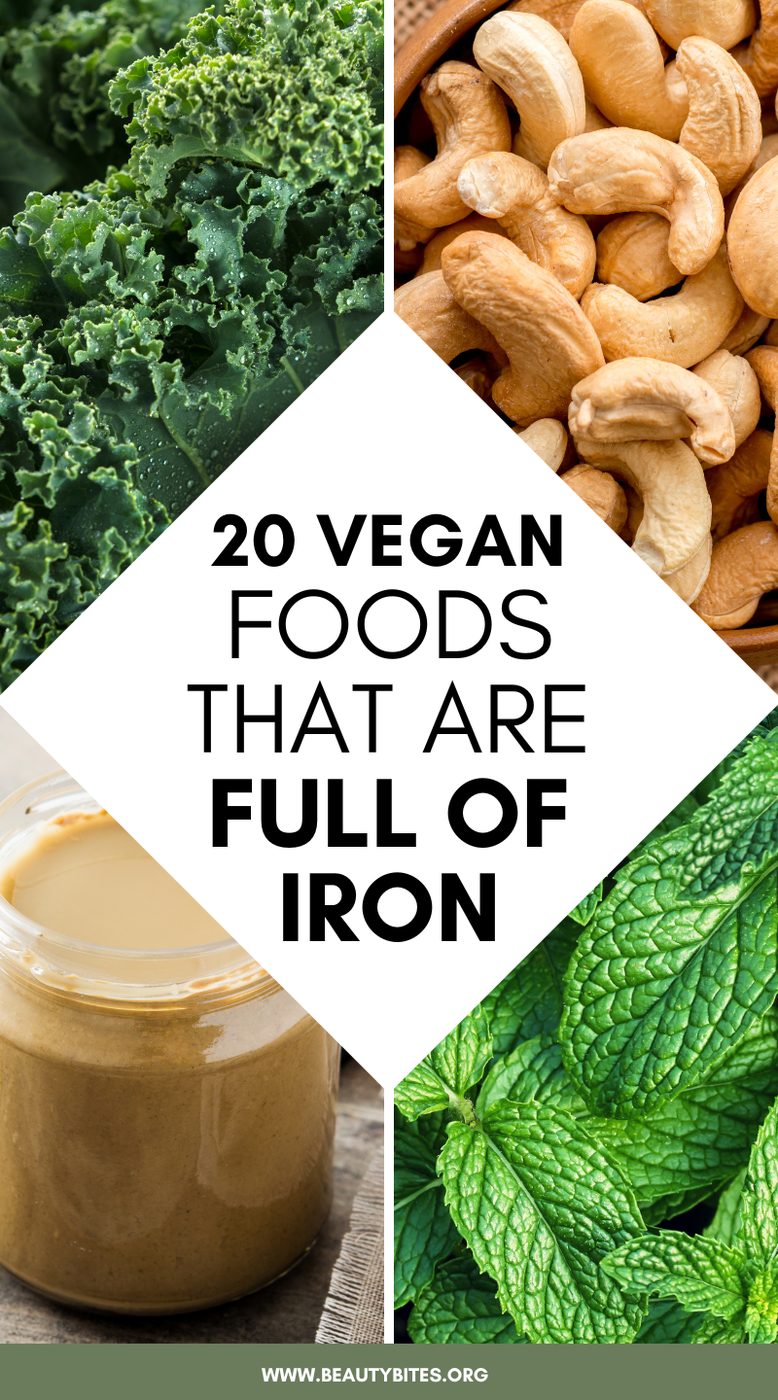
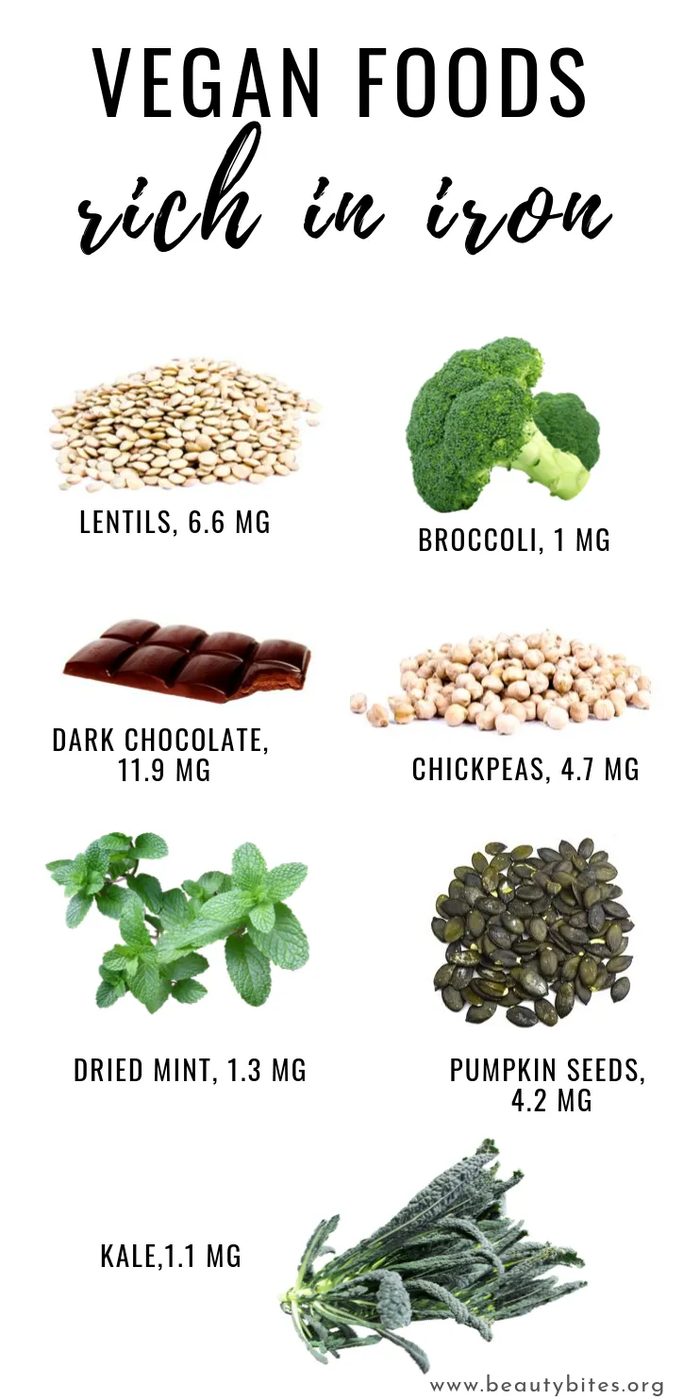
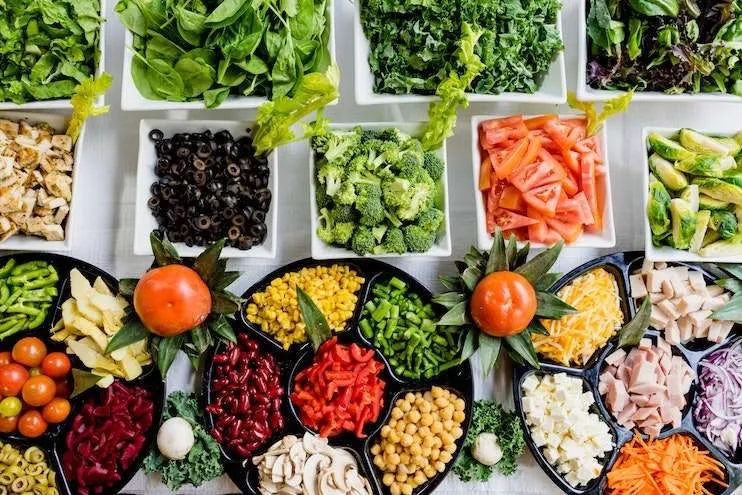
Believe it or not, iron is pretty abundant in plants. Here are 20 vegetarian and vegan foods that are rich in iron (% Daily Values (DV) are for women between 19-50 y.o.)
- Lentils. One cup of cooked lentils can provide 6.6 mg of iron, or 37% DV.
- Whole Sesame Seeds. One ounce can provide 4.1 mg of iron or 23% DV.
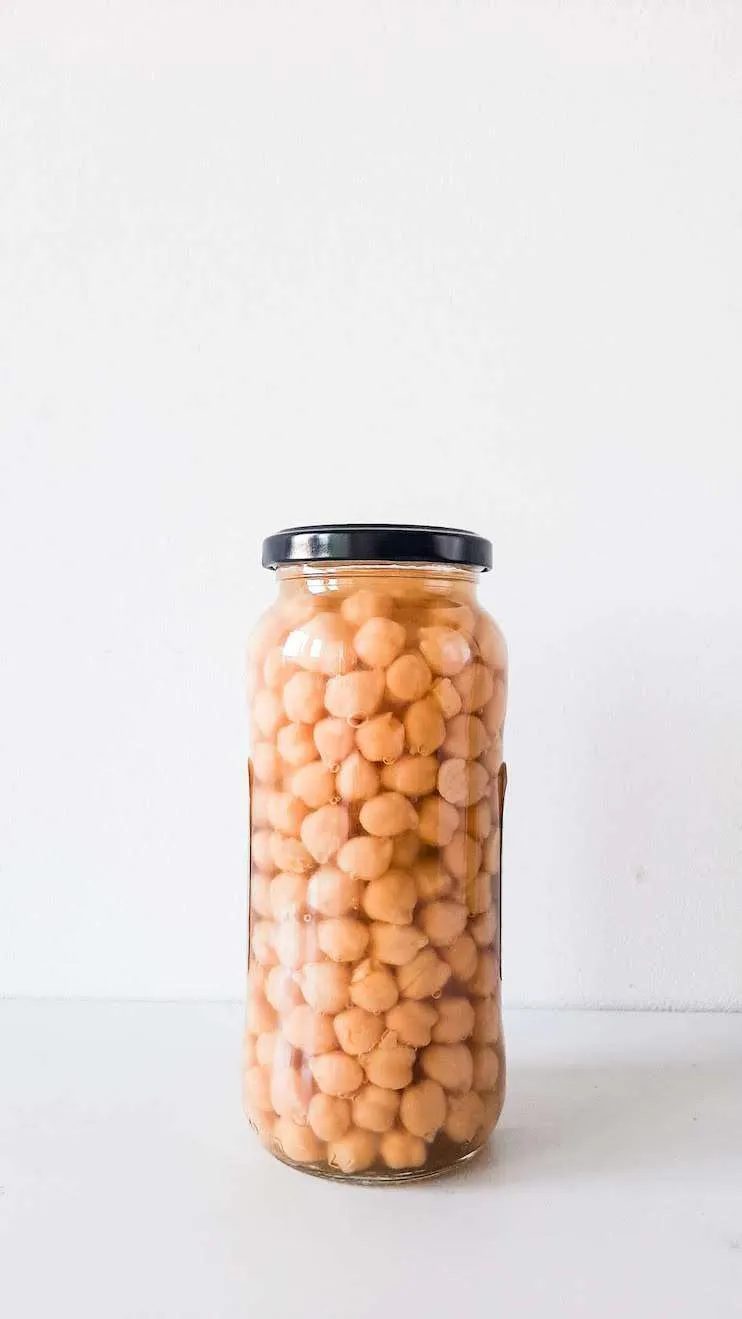
- Chickpeas. One cup of cooked chickpeas can provide 4.7 mg of iron, or 26% DV.
- Bulgur. One cup of cooked bulgur can provide 1.7mg of iron or about 10% DV.
- Black Beans. One cup of cooked black beans can provide 3.6 mg of iron or 20% DV.
- Kale. Two cups of raw, chopped kale can provide 2.2 mg of iron, or 12% DV.
- Oyster Mushrooms. One large oyster mushroom can provide 2.0 mg or 11% DV.
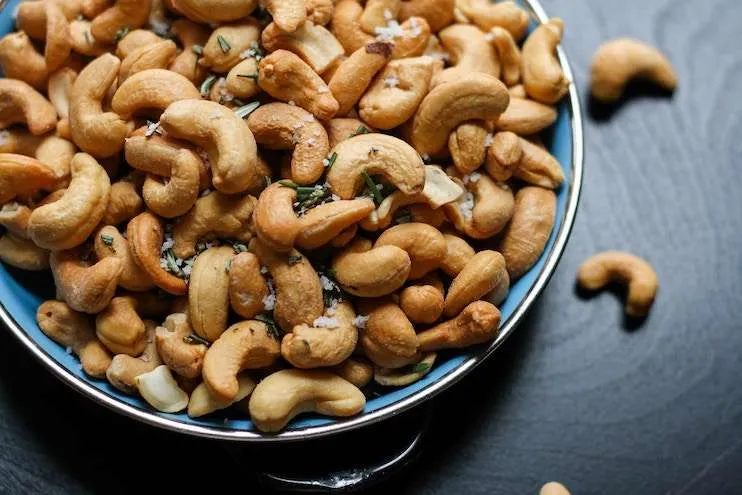
- Cashews. 100g can provide 6.7 mg of iron or 37% DV.
- Quinoa. One cup of cooked quinoa can provide 2.8 mg of iron or 15% DV.
- Dried Mint. A Tbsp of dried mint can provide 1.3 mg of iron or 7% DV.
- Broccoli. One cup of chopped and cooked broccoli can provide 1.0 mg of iron or 6% DV.
- Pumpkin Seeds. One ounce of pumpkin seeds can provide 4.2 mg of iron or 23% DV.
- Oats. 1/2 cup of oats can provide 3.7 mg of iron or 20% DV
- Bok choy. One cup of shredded and cooked Bok choy (aka Pak choi aka Chinese cabbage), can provide 1.8 mg of iron or 10% DV.
- Parsley. 1/2 cup raw parsley can provide 1.7 mg of iron or 10% DV.
- Cinnamon. One Tbsp can provide 0.6 mg iron or 4%, DV – not too bad for a spice!
- Dark chocolate. 100 g of dark chocolate can provide 11.9 mg of iron or 66% DV.
- Tofu. One ounce of fried tofu can provide 1.4 mg of iron, or 8% DV.
- Potato. One medium baked potato with skin can provide 1.9 mg of iron or 10% DV.
- Avocado. One avocado can provide 1.1 mg iron or 6% DV
Iron Bioavailability
If you’re dealing with iron deficiency, like we were a few years ago, you’ll probably need to take a supplement for a while (please talk to a doctor about this!) and to have a strategy in place for eating iron-rich foods and increasing the bioavailability of iron aka improve iron absorption from those foods.
Iron occurs in two forms in our food: heme (found in animal products, specifically meat) and nonheme (found in plants like legumes, vegetables and cereals – see list above!).
The big difference between these two forms is that iron is absorbed at a different rate. We absorb only 2-20% of the iron from plants and 15-35% from animal products. The reason for this is that plant iron is usually bound to inhibitors (like phytic acid), and these prevent its absorption inside the gut.
How To Improve Iron Absorption From Plants
But do not worry, because as we mentioned, iron in plants is abundant and you can absorb more of it easily. Here are some simple things you should do to improve iron bioavailability on a plant-based diet:
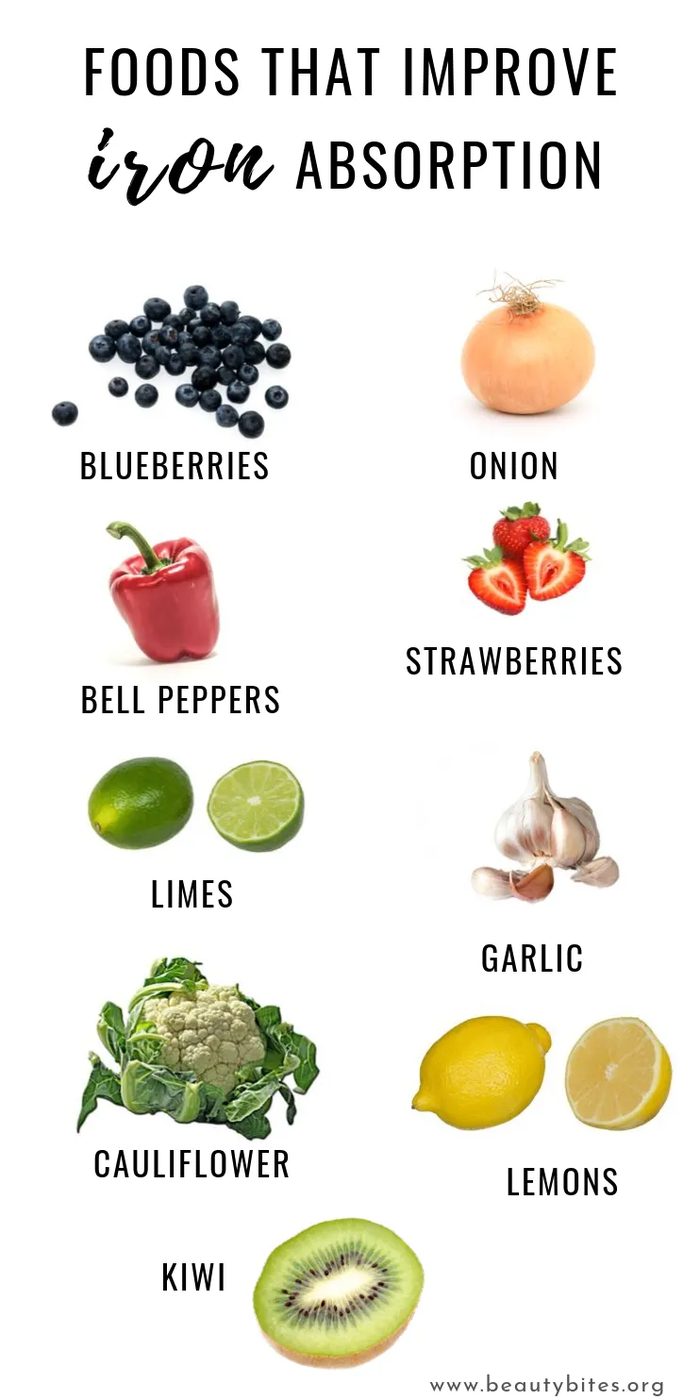
- Combine iron-rich foods with vitamin C! Add some lemon juice to your chickpeas, berries to your oatmeal or chop some cabbage on the side of those falafels. Vitamin C has been shown to erase the negative effects of most iron inhibitors.
- Add some onion and garlic to your grains and pulses. These increase the bioavailability of not just iron, but also zinc (another essential nutrient!).
- Drink less tea and coffee or at least not with high-iron foods! These can prevent iron absorption
- If you’re vegetarian, leave space between consuming dairy or eggs and iron-rich foods! These can also inhibit iron absorption.
- Soaking, fermenting, cooking and milling are shown to increase the bioavailability of iron from plants
- Cooking in cast-iron pots or skillets can also increase iron intake
If you’re not on a plant-based vegan diet, having your high-iron grains, pulses and vegetables with meat, fish or poultry can also help increase the absorption of iron.
Too Much Iron Is Actually Too Much
As with anything in life, too much of an absolutely necessary thing, like iron, can be too much.
When iron is absorbed in the body it is stored in a blood cell protein called ferritin. Once absorbed and stored, there’s no way, other than blood loss (through menstruation, pregnancy) to get excess iron out of the body. There’s simply no other physiological mechanism for this.
The problem with excess iron? Well, it can form free radicals and cause oxidative stress, thus inflammation and lead to tissue damage.
The only way to control the concentration of iron inside the body and not let that happen is by not letting too much iron in. Plant and animal foods come with more than sufficient concentration of iron in them and us being designed to absorb less than we actually consume is in a way a good thing and important for maintaining good health.
As to how much we absorb from food, well, it can vary – anywhere between 5 and 35%. You can read more about this in this review on iron.
We hope this little article about high-iron foods helps you and if you’re dealing with deficiency or anemia of any kind, please talk to your doctor. Your body is everything you have, so take care of it.
- 15 High-Protein And Low Carb Foods To Eat On A Vegan Diet
- 24 High-Fiber Foods To Eat On A Low Carb Diet
- 10 Best High-Protein Vegetables
Originally published in October 2019, last updated in May 2025.