Salads
Quinoa salad, anti-inflammatory
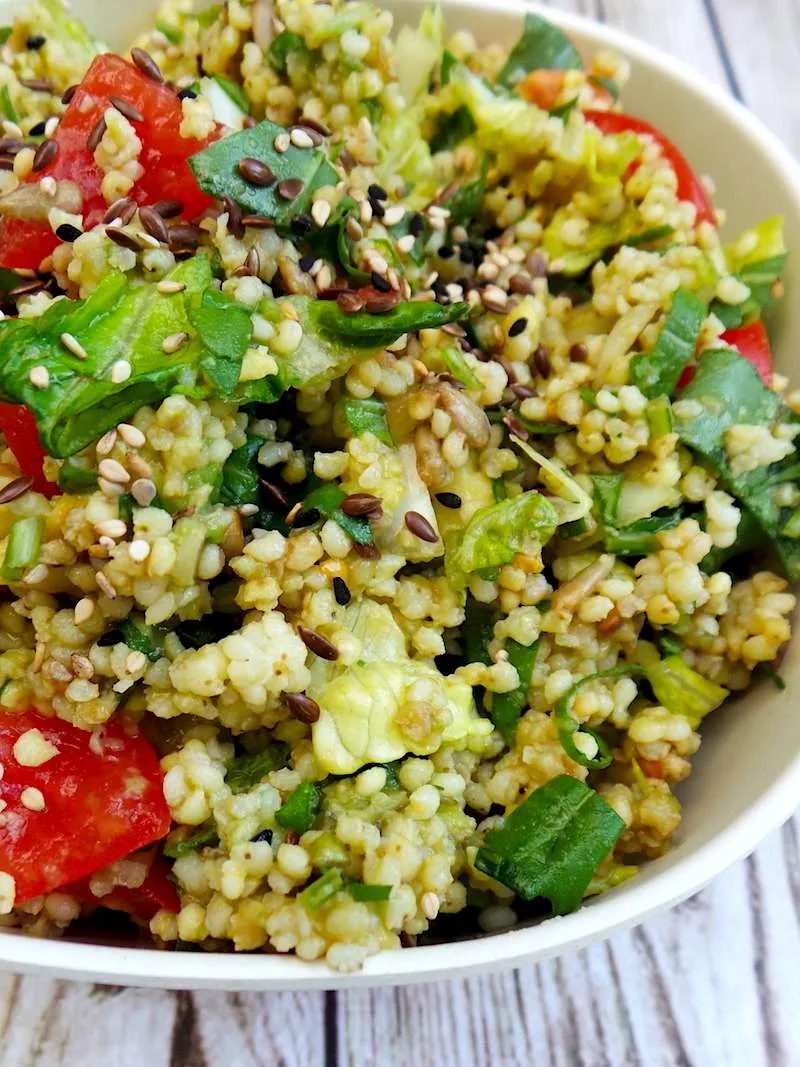
Reduce chronic inflammation with this simple, satisfying anti-inflammatory quinoa salad! This isn't just a healthy lunch, it's a vibrant, ready-in-minutes recipe designed to fight inflammation from the inside out. Fast…
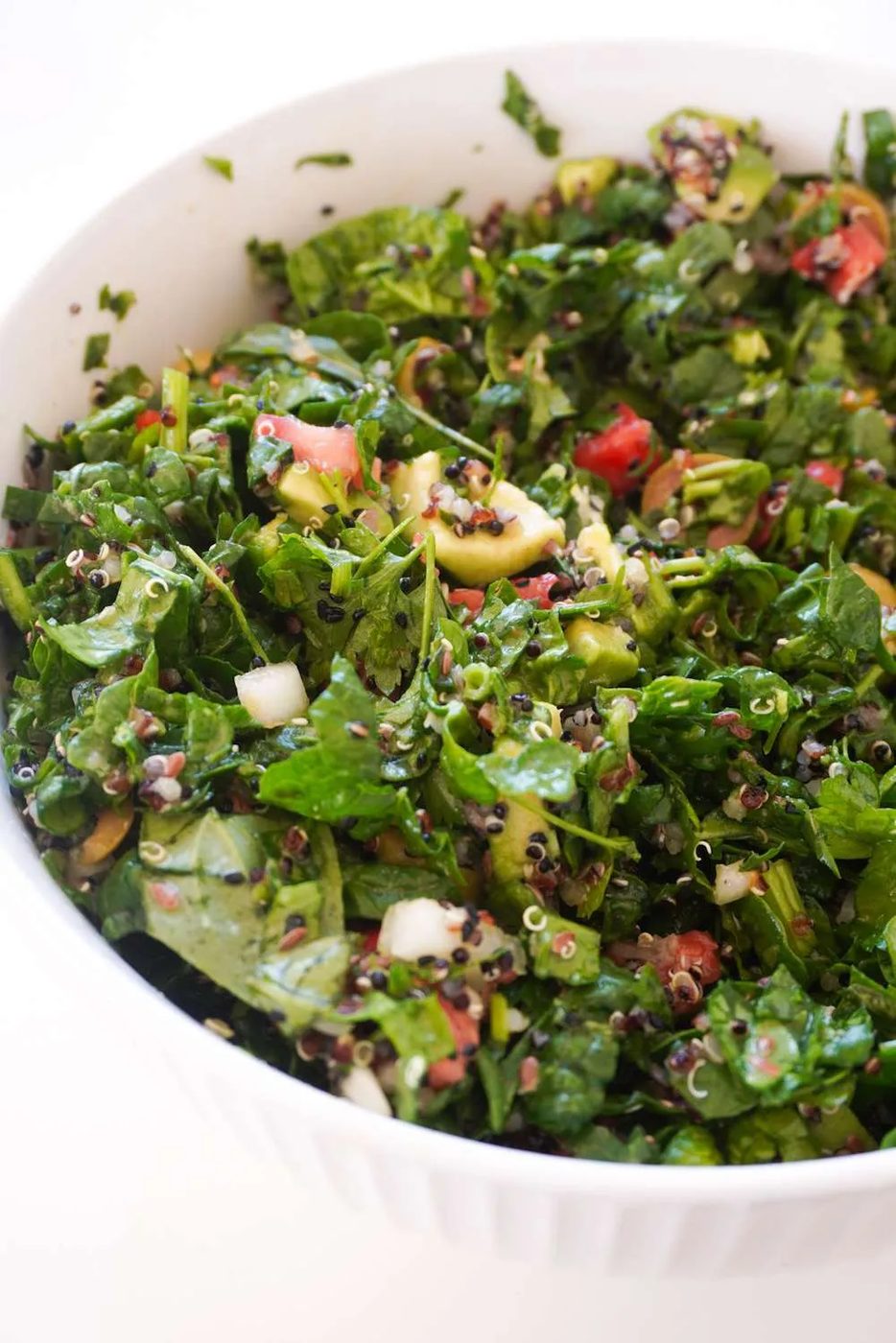
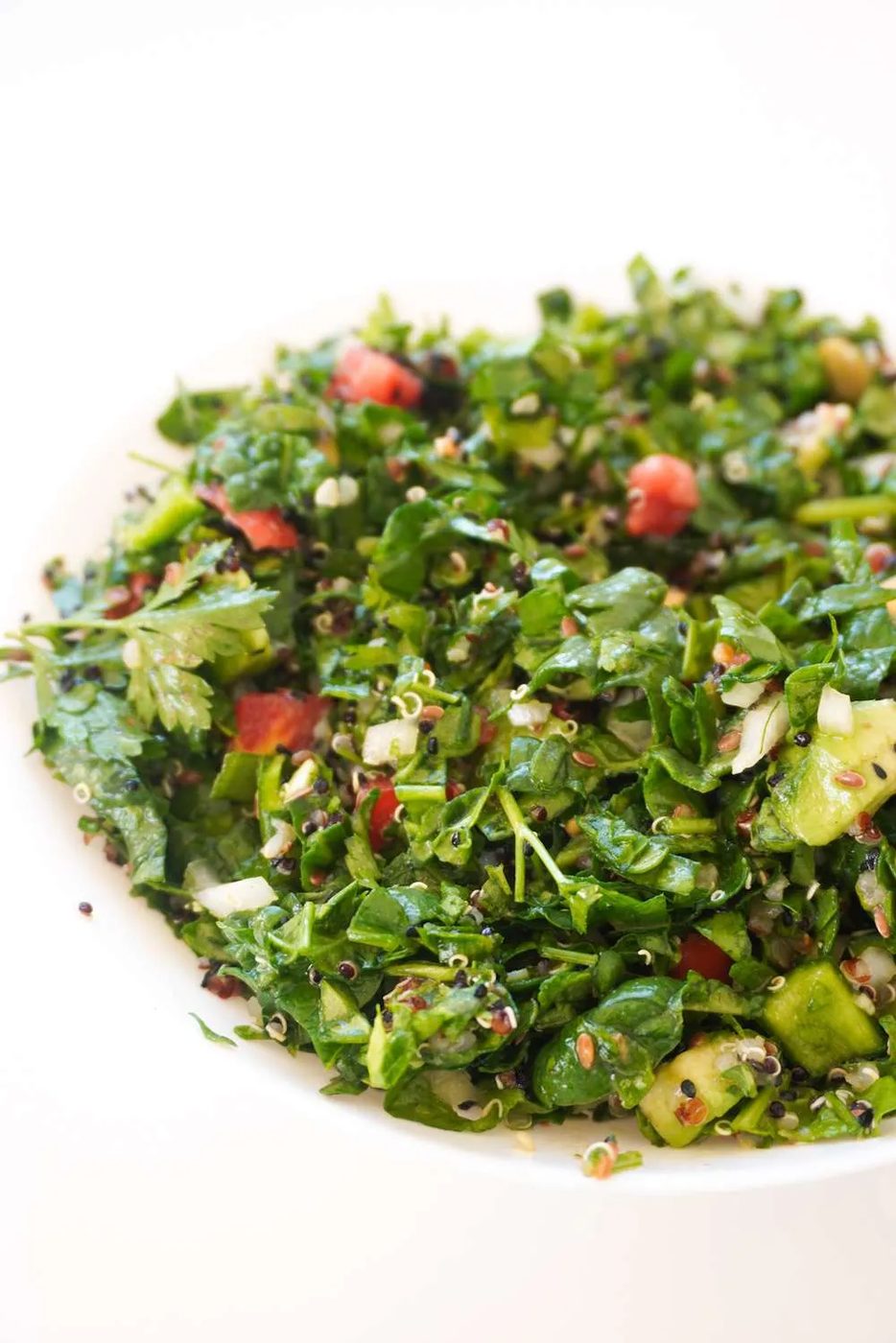
This anti-inflammatory quinoa salad every day for lunch = health. It’s light, satisfying, it’s nutritious and fast to prepare, especially when you’ve already cooked the quinoa. This anti-inflammatory salad recipe is packed with nutrients that have the power to reduce chronic inflammation – like chlorophyll and vitamin A from spinach, omega-3s from the flaxseed and flax oil as well as strong antioxidants from the black cumin seeds and the fresh herbs.
There’s more to the anti-inflammatory diet than the foods that we eat. When we eat to reduce inflammation, it is also important how we eat and how we prepare the food. This salad, if you don’t overeat on it (which would be hard to do) – checks off all the boxes. It’s mostly raw anti-inflammatory foods plus some cooked quinoa to make a light, yet filling lunch.
The Key Quinoa Salad Ingredients That Reduce Inflammation
All of the ingredients in this salad are healthy, but there are three key ingredients we added because of their anti-inflammatory benefits:
Leafy Greens
Greens make the base of our healthy quinoa salad! We need those dark green vegetables and fresh herbs like spinach and parsley daily. Why? Because they’re rich in several anti-inflammatory nutrients like chlorophyll, provitamin A, vitamin C, K and folate. Dark leafy greens also have an optimal ratio of omega-3s to omega-6.
But here specifically, we want to point out the pigment chlorophyll, you know, the one that does the photosynthesis thing? Well, turns out it’s great for you. Okay, maybe we should say they’re great for you, because chlorophylls are a group, a family of different pigments in green fruits and vegetables, as well as algae. And they have notable health benefits, including, of course, reducing inflammation, wound healing, anti-cancer gut healing as well as anti-diabetic effects.
Some research also suggests that having more chlorophyll early in life can change the gut microbiome and prevent obesity later in life.
Flaxseed and flax oil
Last year, we started adding flax oil to our salads because it has one of a reliable omega-3 / omega-6 ratios. Most of the things we eat have a pro-inflammatory omega-6 / omega-3 ratio. Grains, meat, even peppers are rich in omega-6’s. Very few foods we eat regularly are rich in omega-3’s.
So, it’s a good idea to balance it out. Consuming more flaxseed and flax oil is a great way to do this. Flax is shown to benefit your metabolic, bone and mental health, and overall to reduce inflammation.
Black Cumin Seeds
We started sprinkling black cumin seeds, aka nigella, over our salads recently, when we found out that this can help reduce our high TSH levels. That’s our thing currently, but black cumin seeds have a ton of other health benefits.
See, black cumin contains a bioactive component called thymoquinone, which is shown to have antioxidant and anti-inflammatory properties and to protect you from everything evil. EVERYTHING. We’re talking from cardiovascular and liver disease to reproductive issues.
Oh, and if that wasn’t enough, black cumin can also act as an antidote. You got too much of some poison? No big deal. Black cumin to the rescue. While we wouldn’t test this superpower, research suggests Nigella can actually help eliminate different toxins from the body.
Now, we personally believe we should be getting all of these compounds from the food we eat, so we made a salad. That’s how you make sure you don’t take too much of a good thing, which can be the case with supplements!
Is Quinoa Actually Anti-Inflammatory?
Well, research suggests quinoa can help reduce levels of several factors linked to chronic inflammation like tumor necrosis factor-alpha, interleukin 6 and interleukin 1b. That’s in mice, but still.
Quinoa is rich in fiber, protein, vitamins and minerals. It also contains polyphenols and bioactive compounds that can reduce inflammation, improve gut and cardiovascular health.
It’s important to note, however, that while it’s healthy, quinoa might be a food you don’t tolerate. It happens. Some people can’t have carrots. Others fish. If you feel like your body doesn’t like it, don’t eat it. We personally feel great when we eat this pseudocereal, but it is individual. (we're sorry we called you a pseudocereal, quinoa!).
Anti-Inflammatory Quinoa Salad Substitutions
Spinach. In case you can’t have spinach or are worried about oxalates, you can make the anti-inflammatory quinoa salad with arugula or kale. These greens have little to no oxalates. In fact, we think it’s a great idea to switch things up if you’re having a salad like this daily. We need a variety of nutrients and having different greens, including arugula, kale or even lettuce, can help get what we need.
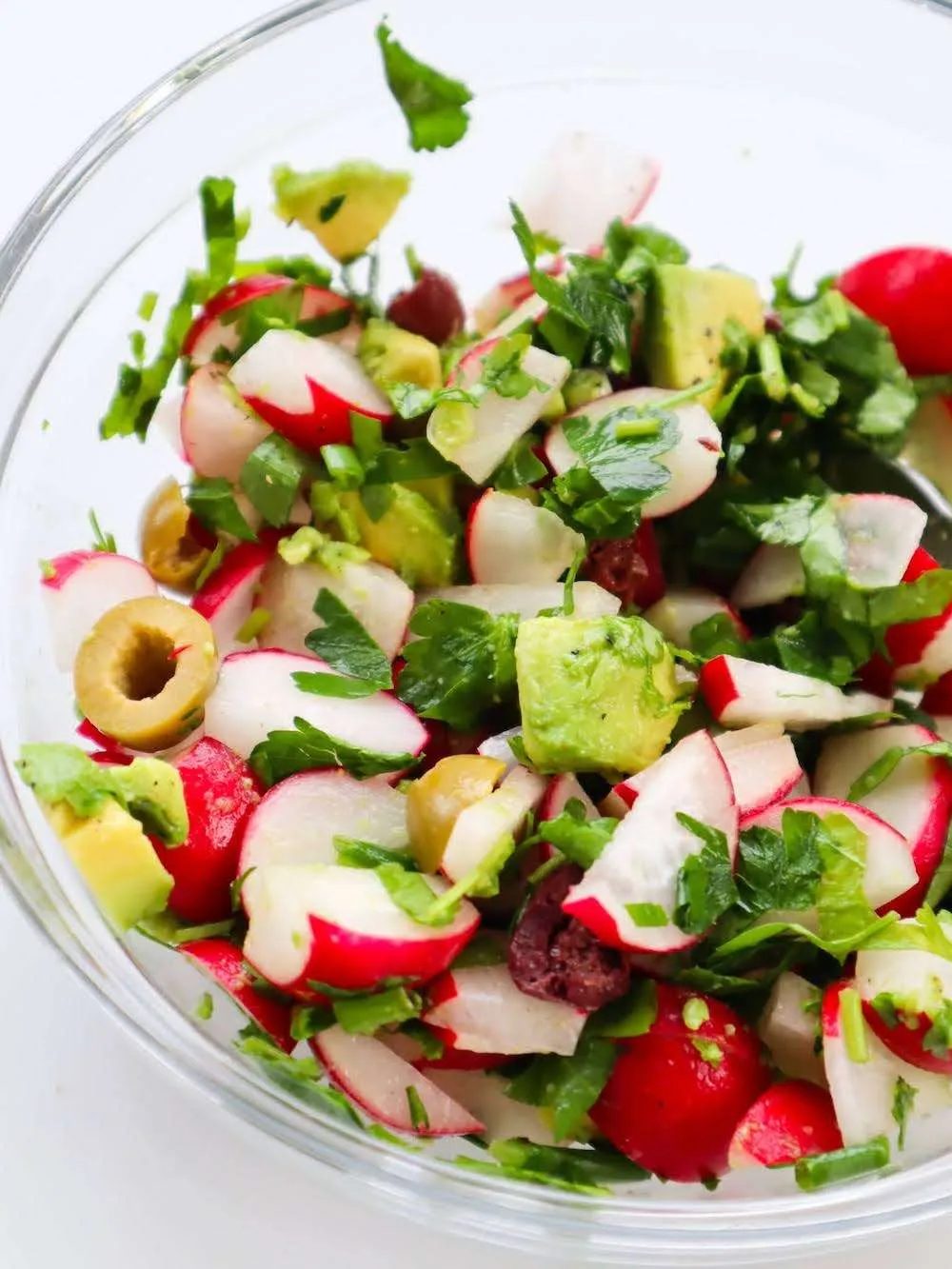
Tomatoes and peppers. We've got to be honest, we still have tomatoes and peppers in November. And we're still picking some from our garden, even though the tomatoes now, have nothing to do with summer tomatoes. Anyway, we just used what we had in the salad. But you don’t need to. Especially, if you’re sensitive to nightshades. Switch to finely chopped carrots, butternut squash, beets or radishes. These vegetables are in season currently, they will add sweetness and crunch and won’t put you in pain if you can’t tolerate nightshades.
How it comes together
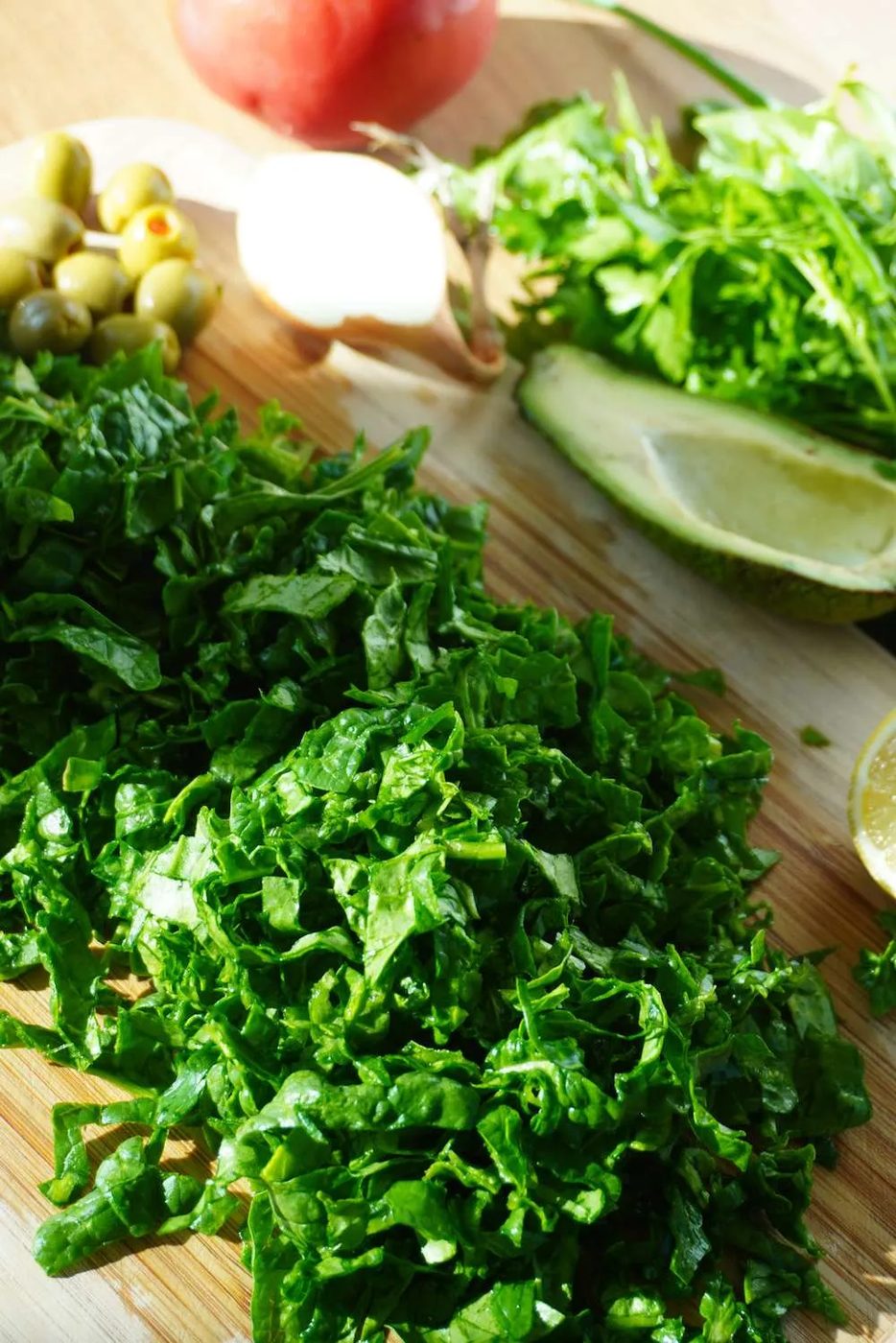
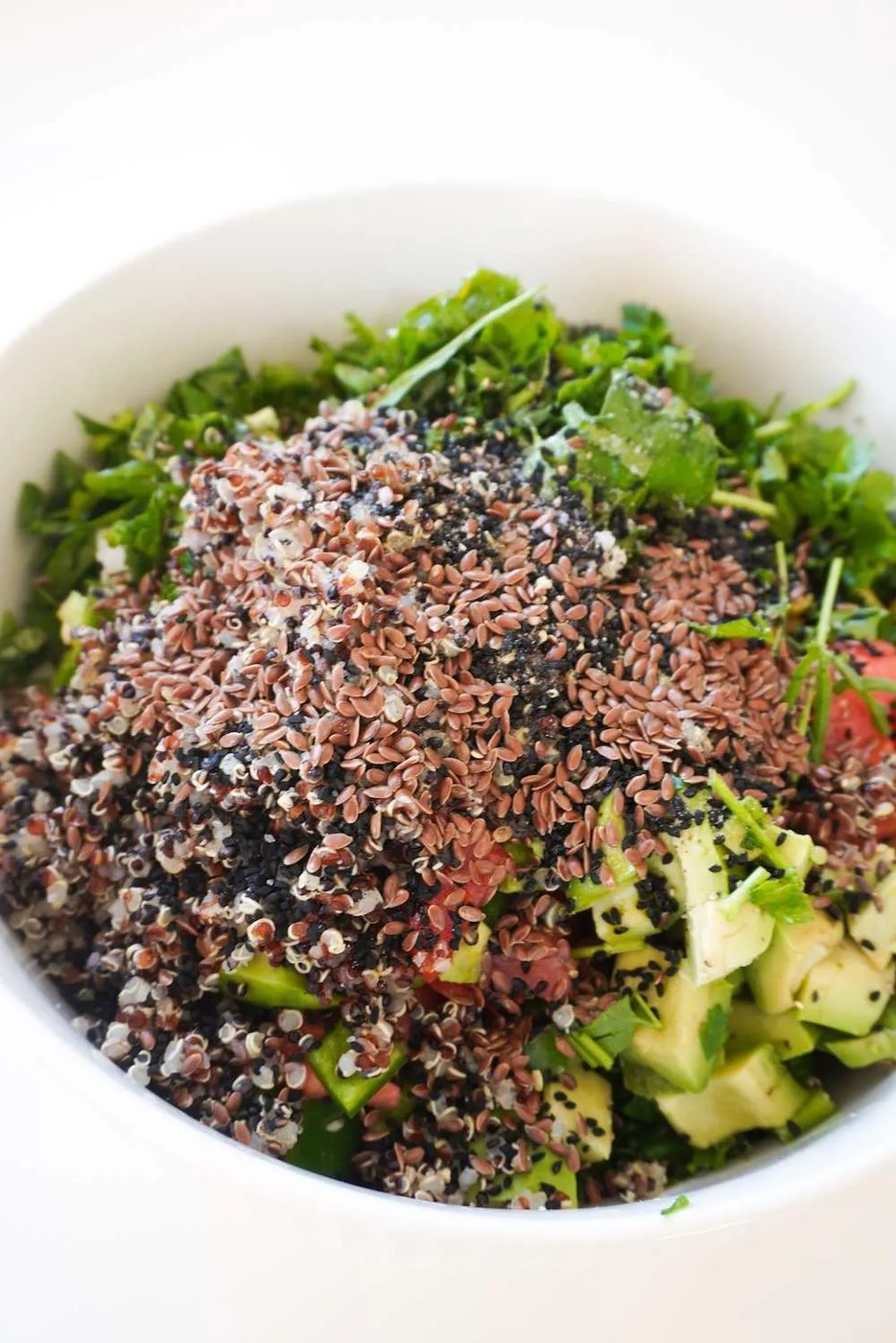
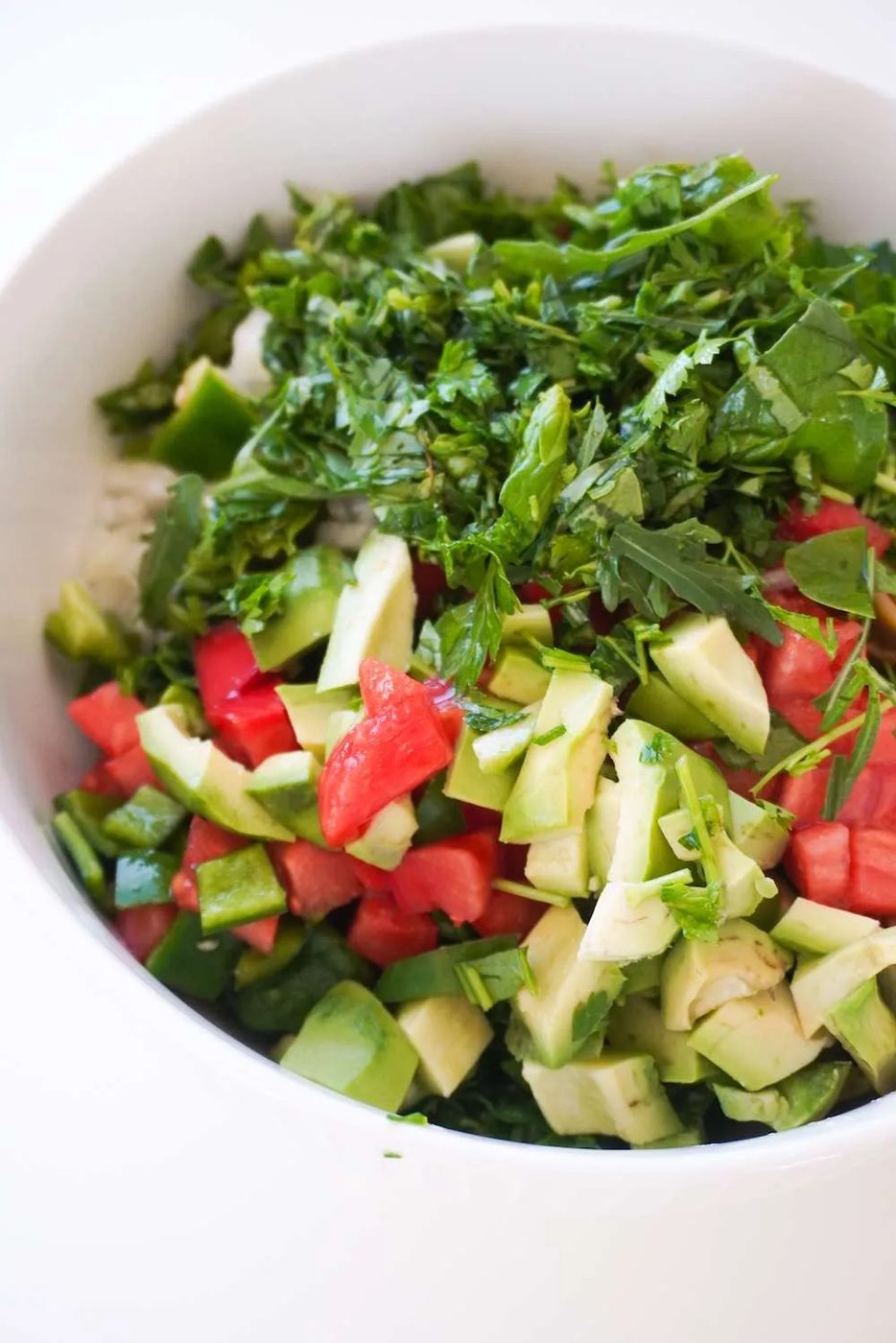
Making the salad is ultra simple, as all you need to do is wash and chop the vegetables, add to a big bowl with the rest of the ingredients and mix.
Then enjoy!
Meal Prep Quinoa Salad
If you wish to meal prep the salad, the easiest thing you can do is cook the quinoa on the weekend.
You could also prepare the salad in jars by layering the dressing ingredients first, but you will need to exclude the avocado and tomatoes and we think they will be sad. But do what works for you. In case you want to make salad jars, here’s a tutorial on how to do it.
Well and that is it! We feel like we again made this too long – it’s a quinoa salad recipe after all, but we wanted to tell you about the anti-inflammatory benefits. Hope nobody tells us F U in the comments for that. We also hope you enjoy the salad!
- Yield: 1
- Prep: 10 minutes
- Total: 10 minutes
Ingredients
- 4 cups chopped spinach*
- 1 cup quinoa, cooked
- a handful basil leaves, finely chopped
- a small bunch parsley, finely chopped
- 1 tomato, thinly chopped**
- 1 small sweet pepper, chopped**
- 1 small red onion, finely chopped***
- 1 ripe avocado
- 1 tbsp olives, pitted and chopped
- 1 tbsp nigella (black cumin seeds)
- 1 tbsp flaxseed
- 1 tbsp flax oil
- 1 tbsp lemon, juice of (to taste)
- salt and pepper to taste
Method
- Wash all the vegetables thoroughly. Then chop accordingly.
- Add the vegetables with the other ingredients to a bowl and mix.
- Enjoy!
Notes
*you can also use arugula, cabbage or kale as low-oxalate options. A mix of lettuce and arugula also works.
**for a nightshade-free option, we like to use chopped carrots, butternut squash or radishes.
***or a scallion for a milder taste