Fitness
11 best anti-inflammatory foods on the planet
What to eat on an anti-inflammatory diet: The 11 best anti-inflammatory foods to eat every week. Here you'll also find a selection of satisfying anti-inflammatory recipes and meal ideas.
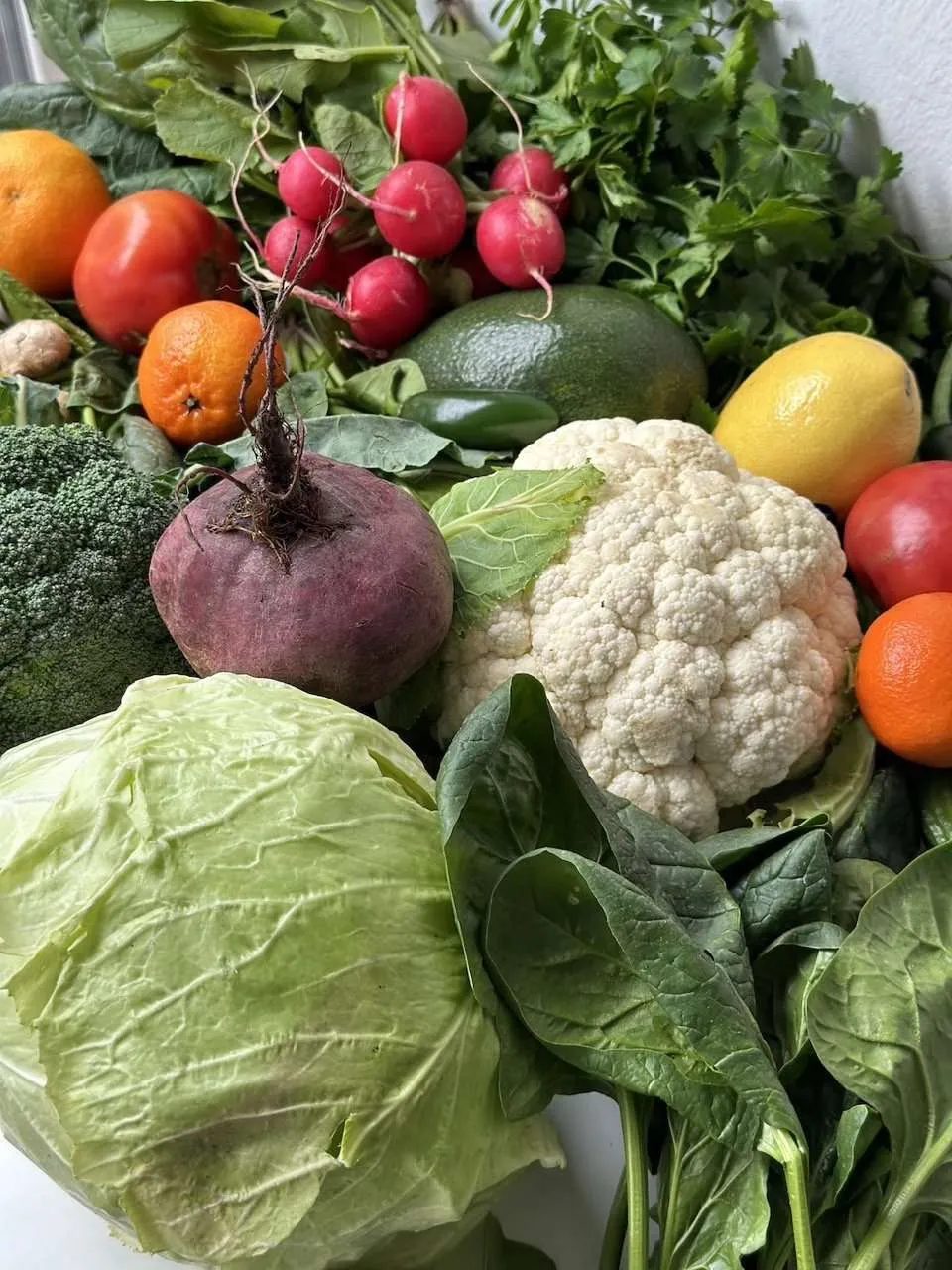
Reduce chronic inflammation in the body, improve your gut health and relieve pain by starting an anti-inflammatory diet! To help you get started, we're sharing a list of a reliable anti-inflammatory foods everyone should eat to feel better.
We know how good we feel when we're eating the anti-inflammatory way, it’s satisfying. The benefits we've experienced are: being more alert, happy, have more energy, don’t have that much pain in our neck, we want to exercise, overall do more and we feel light.
And yet, when life happens, we still have to convince myself over and over again that eating this way is worth it. Unfortunately, just because you know something’s good for you, doesn’t mean you always choose to do it.
Currently, we're trying to get back to being mindful of what we do, what’s nourishing and what can help us be more us. Getting back to working out regularly and changing the way we eat are the things that always get us out of a rut, so that’s what we're doing this month.
The main focus with our diet will be to reduce inflammation, because we do have joint pain, allergies and a family history of cardiovascular and autoimmune diseases. Also because we need to reduce belly fat and exercise alone doesn’t do wonders.
So here we'll summarize what the benefits of an anti-inflammatory diet are and we'll get more specific about what type of foods to eat to reduce chronic inflammation.
Benefits of the anti-inflammatory diet
There are many pro’s to eating an anti-inflammatory diet, here are a few of them:
- slows down aging and prevents premature aging
- prevents cardiovascular disease and diabetes
- can reduce pain (for example, if you have arthritis)
- prevents cancer
- improves skin health
- makes weight loss easier
- prevents neurodegenerative diseases like Alzheimer’s disease
Which Foods Are Anti-Inflammatory?
There are a few things you need to look for, when you’re consuming an anti-inflammatory diet. The food you eat needs to:
- have a low glycemic index
- be low in saturated fats
- have a good omega-3 / omega-6 ratio
- provide your body with antioxidants and polyphenols
- be nutritious and cover your dietary needs
We have a more detailed guide on how to reduce inflammation with diet here if you want to learn more about it.
The 11 Best Anti-Inflammatory Foods
Remember that this list of anti-inflammatory foods, as any list of foods is just a guide and not exhaustive.
1. Flaxseed and Flaxseed Oil
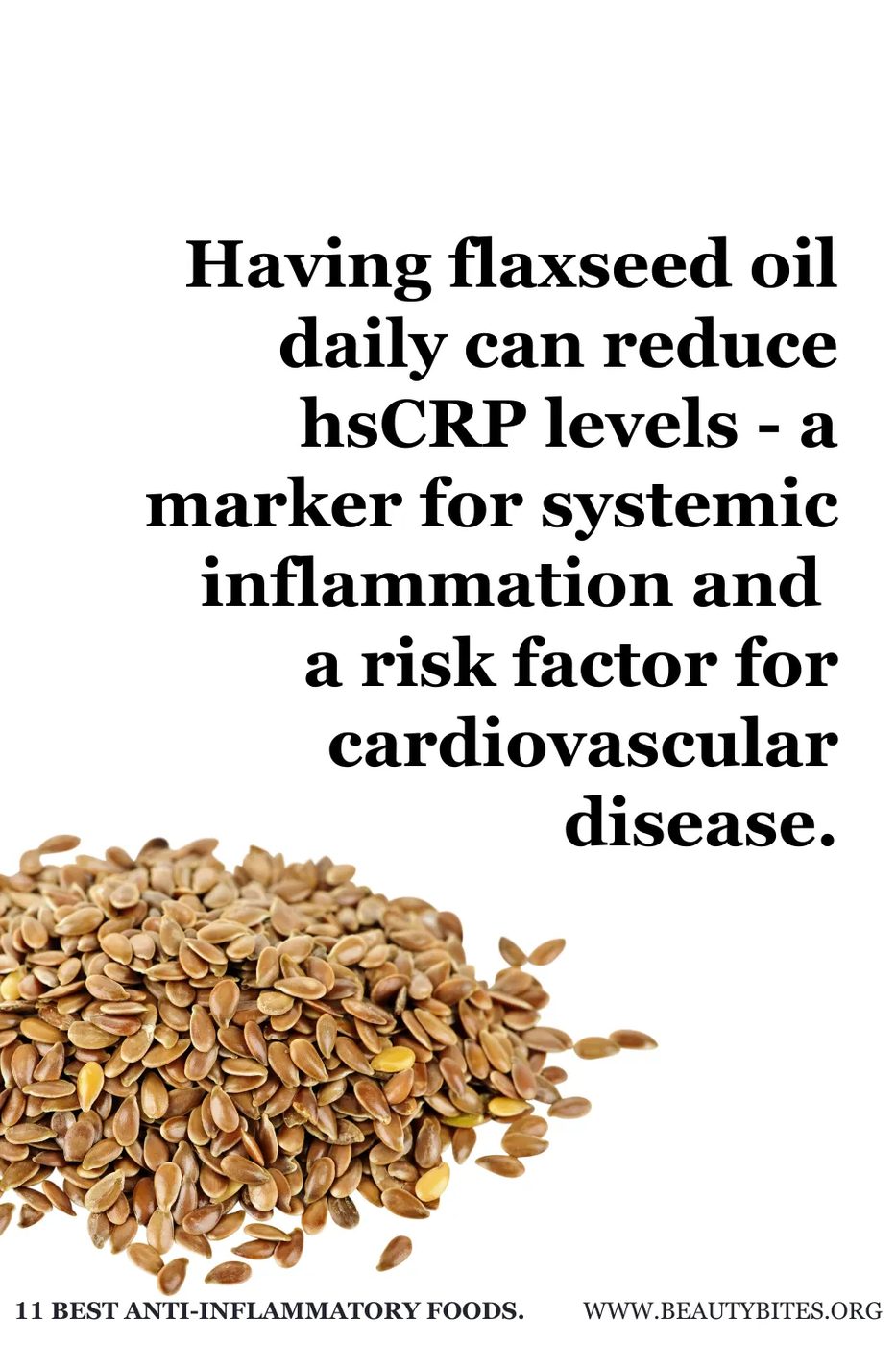
Among all seeds and nuts, flaxseed have the highest omega-3/omega-6 ratio. They’re also a great source of fiber, magnesium, selenium, protein and vitamin B1.
The daily consumption of 6g flaxseed oil is shown to reduce hsCRP levels, which is a marker for systemic inflammation and a risk factor for cardiovascular disease. (study).
Some animal studies also suggest that consuming more flaxseed can decrease the growth of certain types of cancers. (study)
How To: It’s best to use ground flaxseed or to consume flaxseed oil. Make sure to add raw flaxseeds to omega-6-rich foods like sunflower seeds or peanuts to improve the omega-3/omega-6 ratio.
2. Arugula
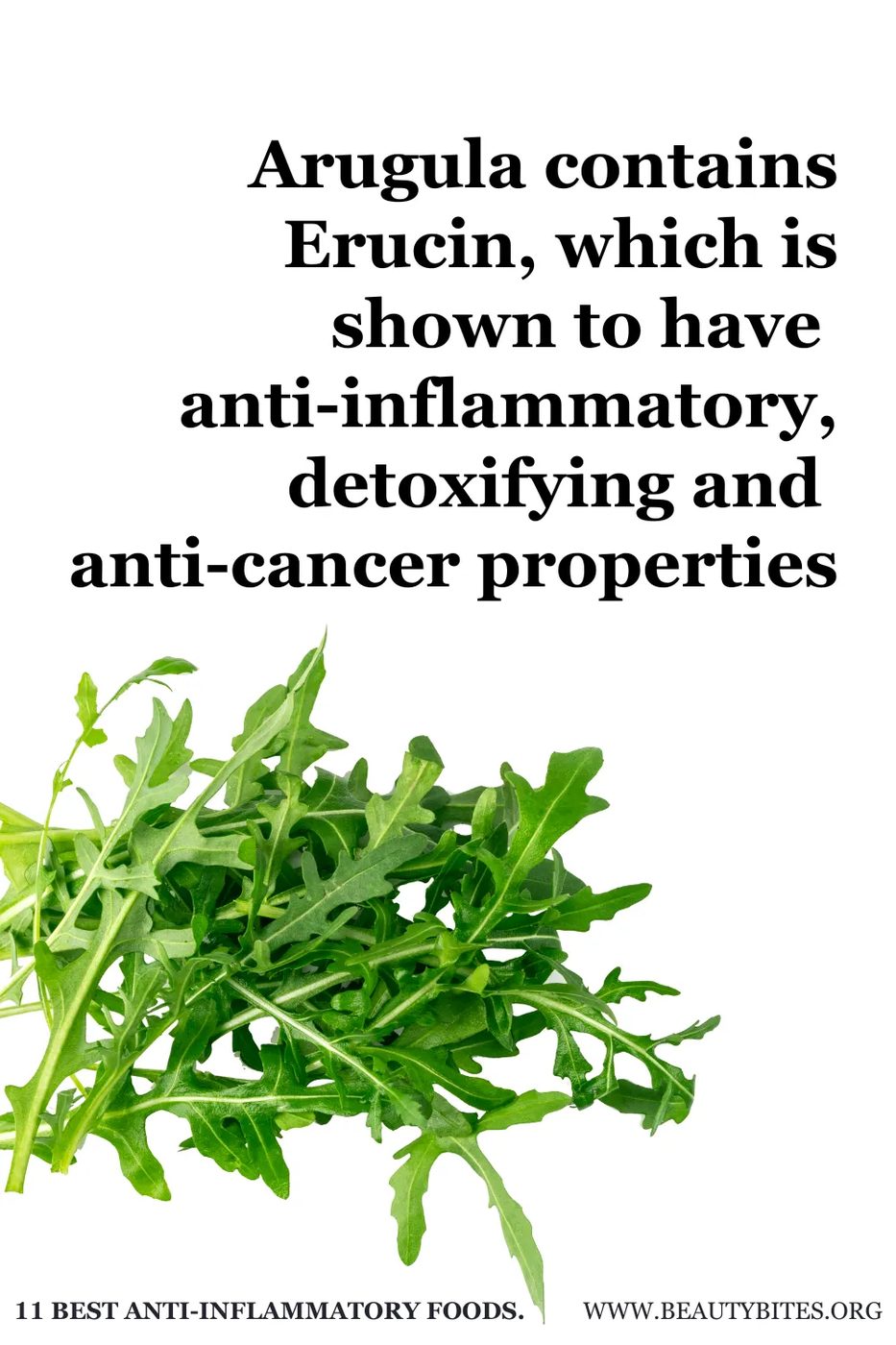
Arugula (or rocket salad) is a green leafy vegetable and a cruciferous vegetable in one. It’s nutritious and a good source of vitamin A, C, K, folate, magnesium potassium, carotenoids and polyphenols, with a great omega-3:omega-6 ratio.
A recent study found arugula has the highest antioxidant activity and polyphenol content among all the cruciferous vegetables, along with watercress and Brussels sprouts (study)
Rocket salad contains a detoxifying molecule called Erucin, which is shown to have anti-inflammatory, detoxifying and anti-cancer properties..
How To: It’s best to eat arugula raw in salads or as a side dish.
3. Berries
Berries are satisfying, have low glycemic index and are extremely rich in antioxidants, especially vitamin C. They contain a large amount of polyphenols called anthocyanins that are shown to have anti-inflammatory, antioxidant and anti-cancer properties.
Eating berries more often can also prevent age-related neurodegenerative diseases, improve motor and cognitive functions.
How To: Berries are best eaten raw and great in smoothies, with chia pudding or even in salads.
4. Salmon Or Mackerel
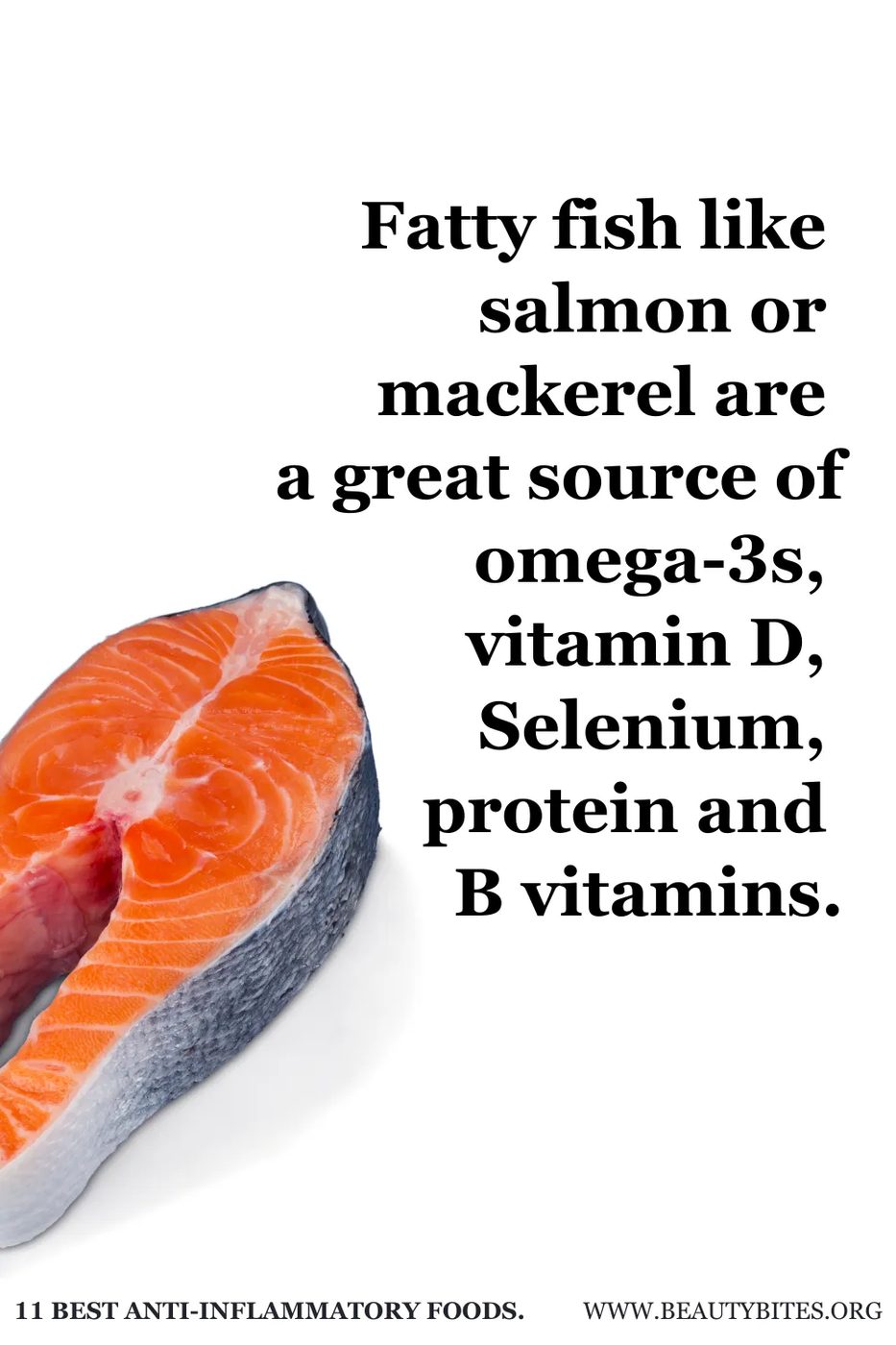
Salmon and mackerel are fatty fish that provide a great amount of omega-3s, vitamin D and selenium – nutrients you won’t find often in food. Fatty fish is also a good source of protein and B vitamins.
There are many plant sources of omega-3s, but we can use only a small portion of this type of omega-3s (called ALA) in the body. The type of omega-3 fatty acids we can actually use in the body are EPA and DHA and are found in fatty fish.
Omega-3s are shown to prevent heart disease, diabetes as well as neurodegenerative (Alzheimer’s) and inflammatory (e.g. arthritis) diseases.
How Much: It’s best to eat 2-3 servings of fatty fish like salmon or mackerel per week.
5. Turmeric
We know it’s so out there, but we can’t make a list of foods that fight inflammation and not include turmeric in it. It’s been researched like crazy over the last few years and many health benefits have been demonstrated in studies.
Turmeric contains curcumin, which is a molecule that has multiple health-protective properties: antioxidant, antimicrobial, anticancer, anti-inflammatory and it protects your liver & brain.
Curcumin has been demonstrated to be a safer and stronger anti-inflammatory than ibuprofen and aspirin. (study)
Studies have also shown that turmeric, due to its anti-inflammatory effects, is beneficial for people who have osteoarthritis, insulin resistance, high blood pressure and high cholesterol.
How To: Adding turmeric to your meals is simple: it’s great in dishes with lentils, chickpeas, meat or fish. Make sure to consume turmeric in combination with black pepper, because this can increase the absorption of curcumin by 2000%.
6. Broccoli
Believe it or not, broccoli and arugula have something in common, as they are both cruciferous vegetables (along with cauliflower, cabbage, kale and Brussels sprouts).
Broccoli is nutritious, full of antioxidants, vitamin C, vitamin A, iron, potassium and fiber and a good plant source of protein.
But beyond essential nutrients, broccoli contains phytochemicals that have detoxifying and anti-cancer properties.
One study showed that young smokers could reduce their CRP-levels (marker for inflammation in the body) by 48% after eating 250g broccoli per day for 10 days. (study)
Another, larger study with middle-aged Chinese women showed that those who ate more cruciferous vegetables like broccoli and cauliflower had significantly lower concentrations of proinflammatory markers in their blood than women who didn’t consume as many cruciferous vegetables. (study)
How To: Remember that the antioxidants in broccoli aren’t heat resistant, so it’s best to consume broccoli as unprocessed as possible. You can do this by steaming or adding broccoli to your meals at the end of cooking.
7. Chia seeds
Chia seeds contain a great amount of protein, fiber, antioxidants, calcium and of course, omega-3s.
Including more chia seeds in your diet can help increase the omega-3 levels in your body, which might help reduce inflammation.
How To: Soak your chia seeds in water or dairy-free milk of your choice for at least 30 minutes and add them to your smoothies, you can also make chia pudding – by adding chia:liquid in a ratio 1:3. You can also use ground chia seeds in salads or oatmeal.
8. Garlic
Garlic is a truly magical plant. It’s highly nutritious and it’s especially rich in manganese, vitamin C, B6 and selenium.
But the real secret to garlic’s healing power is a special type of sulfur-containing compounds called organosulfur compounds. These compounds live for a short time when garlic is crushed. They have multiple proven health-promoting properties:
- antioxidant
- anti-inflammatory
- antivirus
- anti-bacterial
- anti-fungal
- anti-cancer
- cholesterol-lowering
- blood pressure lowering
- detoxifying
How To: Garlic is best eaten as unprocessed as possible shortly after the cloves are crushed. You can add garlic to any savory dish to make it more nutritious and satisfying!
9. Almonds
Almonds are an extremely good source of vitamin E (which is a important fat-soluble vitamin we need), a great source of protein, fiber, magnesium, copper, manganese, calcium, iron, and B-vitamins.
Eating around 60g / 2oz of almonds per day has been shown to help type 2 diabetes patients improve insulin sensitivity, lower LDL-levels, reduce inflammatory marker levels and oxidative stress. Long-term this can help prevent further progression of the disease.
How To: Adding raw almonds to your diet is pretty simple. You can have a handful a day as a snack, chopped on top of your oatmeal, in salad or as almond butter in smoothies.
10. Ginger
Ginger is an ancient herb that has multiple health benefits. Consuming even a little bit every day, can improve your health. Ginger contains substances called gingerols, shown to have antioxidant, anti-inflammatory, anti-neuroinflammatory, and anti-cancer properties.
Daily consumption of ginger for 12 weeks has also been shown to improve insulin sensitivity and CRP-levels (marker for systemic inflammation) in type 2 diabetes patients.
How To: You can start adding more ginger to your diet by making a ginger lemon water every day, adding ground or raw ginger to savory meals or smoothies.
11. Walnuts
Walnuts are quite unique among the nuts. They provide the biggest amount of omega-3’s (ALAs) from all the nuts, with an omega-6 to omega-3 ratio of around 4:1. This ratio is important for reducing inflammation, as most foods these days are naturally much richer in omega-6 fatty acids and this leads to an imbalance that can cause chronic inflammation. By eating more foods with a lower omega-6/omega-3 ratio, like walnuts, fish and flaxseed, we can change this.
Walnuts have been shown to improve several risk factors for heart disease, prevent Alzheimer’s disease and some in vitro studies show they might also have anticancer effects.
How To: Walnuts are best eaten raw. We like to add them to salads, smoothies or in sweet snacks like these.
Anti-Inflammatory Meal Ideas & Drinks
- Arugula, avocado and tomato salad
- Healthy vegan lettuce wraps
- Mediterranean Salmon Bowls
- Salmon Lettuce Wraps
- Broccoli and Red Lentil Soup
- Curried Chickpea Wraps
- Detox Avocado Quinoa Salad
- 5-Minute Anti-Inflammatory Berry Smoothie
- A reliable Green Smoothie
- Simple Anti-Inflammatory Detox Water
More On Inflammation:
- How To Reduce Inflammation In The Body With Diet
- 5 Inflammatory Foods You Should Never Eat
- How To Heal Your Gut For Weight Loss, Better Skin & Happy Brain
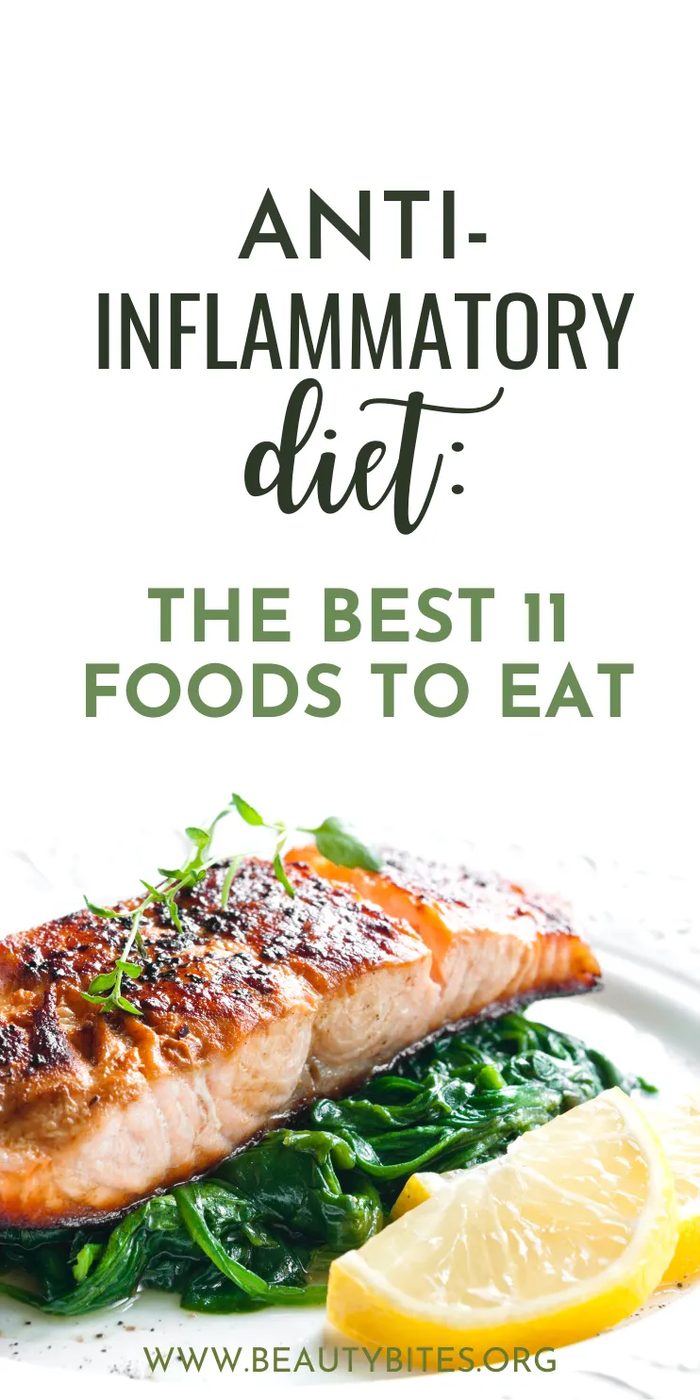

- Yield: 2
- Prep: 5 minutes
- Total: 5 minutes
Ingredients
Tomato Avocado Arugula Salad
- 1 cup arugula
- 5-6 basil leaves
- 2 tomatoes
- 1 avocado
- 1 cucumber
- 1 green pepper (small one)
- 1 tbsp olive oil
- 1 tsp lemon juice
- 1 Tbsp sesame seeds, toasted
- salt and pepper to taste
Method
- Wash all vegetables. If the cucumber is not organic, better peel it.
- Chop all vegetables, add to a bowl.
- Add olive oil, salt, pepper, then mix.
- Sprinkle toasted sesame seeds on top.
- Serve immediately.
Notes
the original recipe is here.