Inflammation
5 best anti-inflammatory diet foods
If you want to reduce inflammation and feel better, add these anti-inflammatory foods to your daily diet! Oh, that evil inflammation, it’s everywhere these days. Everyone writes about it, … Read more
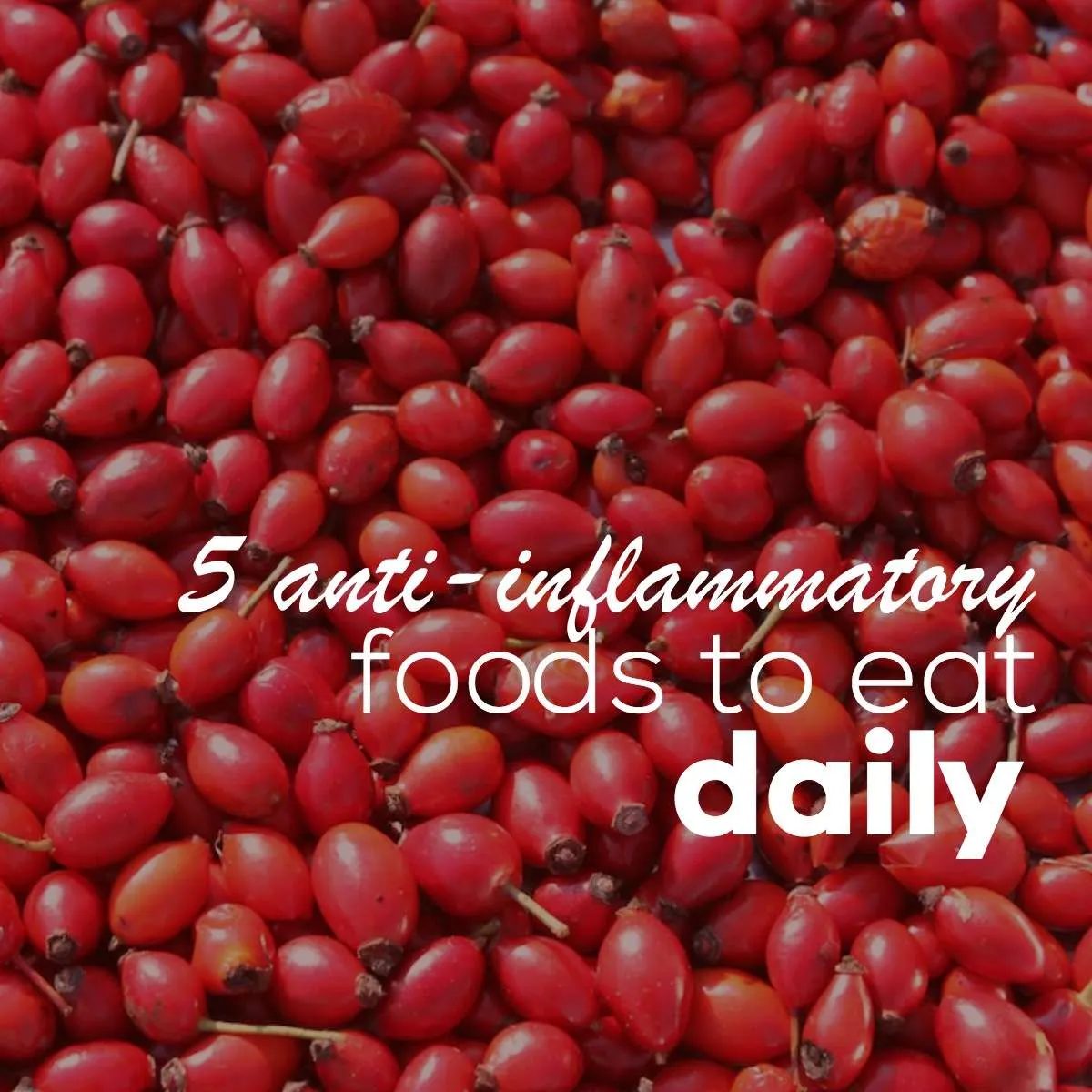
If you want to reduce inflammation and feel better, add these anti-inflammatory foods to your daily diet!
Oh, that evil inflammation, it’s everywhere these days.
Everyone writes about it, everyone has it and everyone wants to get rid of it.
We don’t understand what it is and why we have it, but somebody told us it causes cancer, all kinds of other health problems that make us feel and look old, so we decided we hate inflammation’s guts.
In this post, we'll share 5 anti-inflammatory foods, their health benefits and how to use them.
But first, let’s find out what inflammation is.
One of our favorite quotes we learned this year was from Marie Curie:
And that’s the case with inflammation.
What is inflammation?
In short: Inflammation is a completely normal response of the immune system to something harmful like injury, bacteria or viruses.
It’s a mixture of destruction and healing.
Inflammation has 2 goals:
1. remove a pathogen and the tissue that was damaged because of the pathogen
2. start the healing process in the body.
These two parts of inflammation go hand in hand and appear simultaneously.
Inflammation is there, so we can stay healthy and function normally. It’s something we need to stay alive.
No inflammation, no life.
Why is it bad then?
When inflammation is not completely resolved, then we have a little problem.
That inflammation becomes chronic and it might do a little more destruction than it should.
Thus it might cause damage to our own tissues.
And that friends, is not what we ordered when we asked for a little protection by the immune system.
…and worseHigher levels of inflammation in the body are shown to be related to aging and to many kinds of diseases we get as we might get as we get older like cancer, cardiovascular disease, arthritis, depression and Alzheimer’s.
How do we get rid of excess inflammation?
We can do many things like reducing stress, get better sleep and chase butterflies in golden fields. But those things don’t only depend just on us. The one thing we can do (that is almost completely under our control) is to eat an anti-inflammatory diet.
Here you’ll find 5 anti-inflammatory foods you can add to smoothies, main meals, salads…anywhere. Many have also asked about taking these foods as supplements as they find it hard to actually eat them every day and we get it, they’re not the most mouthwatering thing on the planet. We personally do not use supplements at the moment, so we can’t recommend them.
Remember that anything in high doses has side effects and risks, whether it comes from nature or not. Adding these anti-inflammatory foods to an overall healthy, low glycemic diet with plenty of colorful, especially leafy green vegetables, is a reliable way to go.
It is best to consult with your doctor before adding any supplements to your diet.
If you want to know how to eat to reduce chronic inflammation, check out this article – it shows you how to cook, and the groups of foods you need to eat and avoid, plus how much to eat.
5 Anti-Inflammatory Foods To Eat Every Day
These here are 5 foods proven to be anti-inflammatory and to help with arthritis, to prevent cancer and cardiovascular disease.
1. Turmeric
We can’t make a list of anti-inflammatory foods and not mention turmeric. That guy is everywhere these days and is a little more famous than Brad Pitt.
Make milk with turmeric, cook lentils with it, get a face mask, wash yourself with turmeric soap and clean your home with it (<-don’t do that last one) – lately we all use turmeric for EVERYTHING.
And how can you not?
Some of turmeric’s health benefits include:
- prevents cancer
- heals arthritis
- supports detoxification
- improves wound healing
- makes your skin glow.
Turmeric can protect your DNA from damage and even induce DNA repair. (even if we stay awake for years researching we wouldn’t be able to do that).
It also decreases mutations and tumor formation.
As for joint pain, curcumin (the star chemical in turmeric) was shown to improve stiffness, walking time and joint swelling in patients with rheumatoid arthritis.
We mean, we'd be charging a lot of money if we could do all that, but turmeric is not even expensive! Use it more often if you don’t have allergy or intolerance.
We wasn’t a big fan of turmeric our whole life, but now that we know about its magical powers, we put some turmeric powder in almost every dinner we make. It’s actually pretty good and it paints everything gold.
Risks: Keep in mind that turmeric might cause serious side effects (including liver injury) in higher doses in a small percentage of individuals (especially if you have problems with your liver). Overall, adding turmeric to your meals is a safe way to enjoy the spice, but supplements might cause harm in some people.
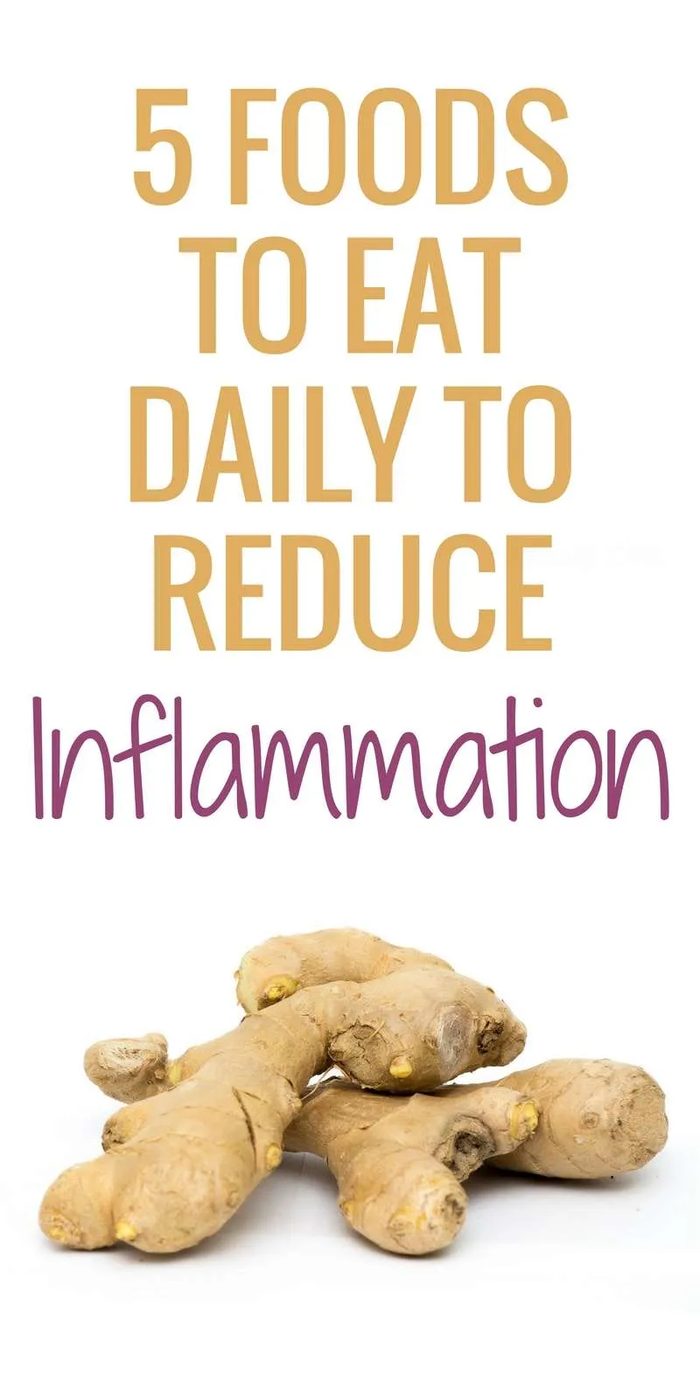
2. Ginger
Ginger is another one of those miracle plants you can use to heal pretty much anything.
This anti-inflammatory food is shown to inhibit enzymes that are involved in inflammation and thus might be useful in the prevention of cancer, Alzheimer’s and dementia and cardiovascular disease.
Traditionally, ginger has been used for more than 2000 years to fight diverse health problems like:
- colds
- arthritis
- nausea
- constipation
- joint pain
- hypertension
The star chemical in ginger is called gingerol (isn’t that cute?) and is shown to relax blood vessels, improve blood flow and relieve pain.
How we use ginger to improve health and reduce inflammation
We usually use fresh ginger in a drink we make every morning, together with lemon juice and water. Other than that you might add it to soups, curries and another great option is drinking ginger tea.
3. Garlic
If we don’t sneak a little garlic love into a post, you can’t be sure that it’s our post.
It smells like something between heaven and hell. Also, this garlic thing is a miracle. And we're not the only one who’s in love with garlic.
People have been using garlic for more than 5000 years to increase strength and treat anything – from flatulence, worms, tumors, skin diseases to wounds. You name it, garlic can heal it.
Now, these days there are many studies that confirm garlic is an exceptional food and can be helpful with a number of health problems. Garlic has a complex biochemical structure, but many of its health benefits are attributed to its organosulfur compounds. Obviously, garlic has anti-inflammatory properties, otherwise it wouldn’t be on the list. But garlic also has many other health benefits. Let’s start counting:
- antioxidant
- anti-viral (for example, influenza or herpes simplex)
- anti-bacterial
- anti-fungal
- anti-hypertensive
- anti-thrombotic
- cholesterol-lowering
- detoxifying
- anti-parasitic
- anti-aging
How we found that forum?
Well. We were obsessed with natural remedies all our life. We were just looking for something to make our hair grow faster and then we stumbled upon all these stories of people making their hair grow by rubbing garlic oil on their head.
These people didn’t have any hair before starting to use garlic oil and then their hair started growing, but it was white.
Well, white or not, seems like garlic makes your hair grow.
Of course this information is not from a study, but from an internet forum in 2003 where everyone can write whatever they want.
Still, we do believe it.
As a matter of fact, we also found a few scientific reviews suggesting there might be something to garlic and hair growth due to its anti-microbial properties, but this is not proven.
Yet. We still find it fascinating and we think it would be worth a try if nothing else works.
How to use garlic to reduce inflammation and improve your health
To get the health benefits of garlic, ½ to 1 clove per day is enough and these here are some of our favorite recipes with garlic:
- Avocado Dill Dip
- Shrimp and calamari in tomato sauce
- Yogurt garlic sauce
- Roasted green peppers dip
- Spicy vegan cream cheese
4. Rosehip
We're surprised nobody even mentions rosehip when talking about anti-inflammatory foods.
Why did you forget about those poor bushes?
Rosehips are a rich source of vitamin C and contain a special anti-inflammatory galactolipid with a complicated name, the short version of which is GOPO.
- Well, these rosehips are shown to relieve pain in arthritis patients and to reduce the levels of C-reactive protein (protein related to inflammation) in healthy people and in people suffering from osteoarthritis. They might also help with back and knee pain. We might have to thank Mr. GOPO for that because it helps build more collagen and thus cartilage (which is low in arthritis).
- As if pain relief wasn’t enough, one study surprised us even more, because it showed that rose hip powder has an anti-aging effect on your skin. You look 10 years younger after you take 1 tbsp of rose hip powder! Just kidding. But, though – volunteers took rose hip powder daily for 8 weeks and the moisture and elasticity of their skin skyrocketed, while the wrinkles disappeared a little.
How to use rose hips for better health and to reduce inflammation
The easiest way for us to add more rose hip power to our life is by drinking rose hip tea. If you decide you can also use rose hip powder in your smoothies or be a little more adventurous go on a trip to collect some fresh rose hips and make a soup like this one.
We also have a small bottle of rose hip oil. We read rose hip oil is good for your hair and skin – it makes them look shiny (hair) and young (skin), but we haven’t been using ours regularly to see any big difference. But now we know what to do in the winter months when we're bored.
Side effects: As with anything else, rosehips are safe to add to your diet, but too many can cause risks and side effects, including gastrointestinal issues, kidney stones (avoid if you’re prone) and interactions with blood thinners.
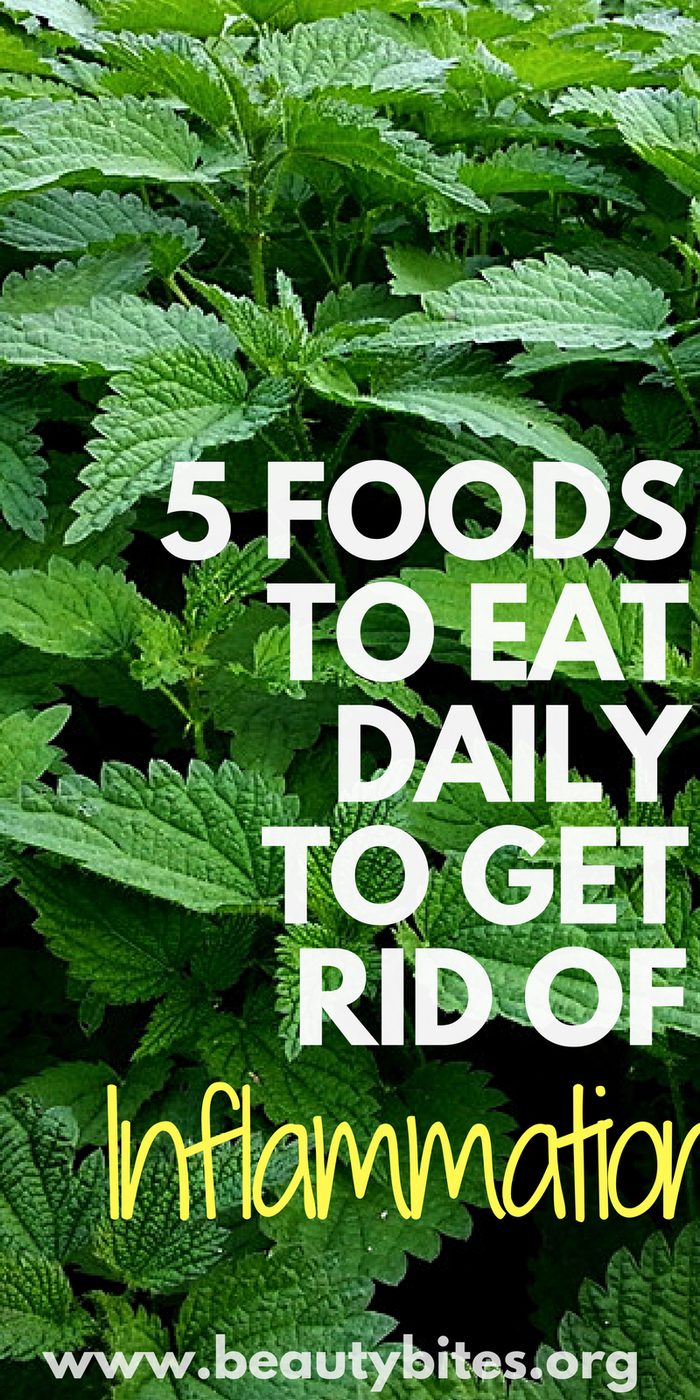
5. Nettle
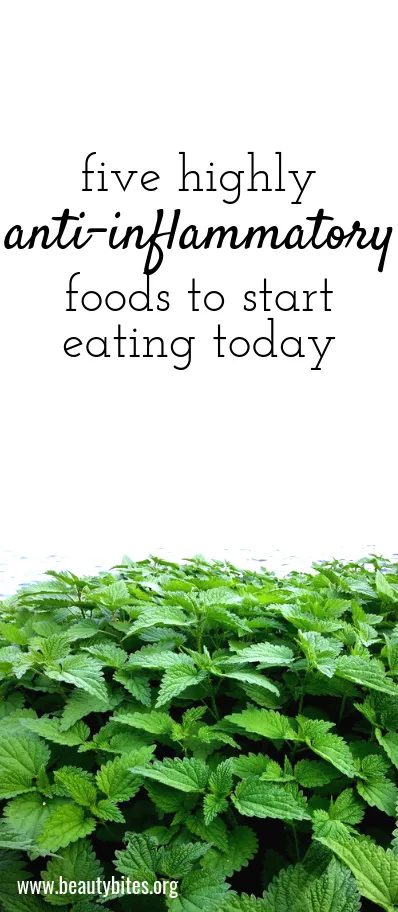
This is one of our favorites. We love nettle.
It’s a nutritious green, high-iron and high in carotenoids.
Nettle is satisfying and you have to have big balls, gloves or experience if you want to collect it fresh.
Nettle stings. And let us tell you: it hurts.
But stinging nettle is also one of a reliable anti-inflammatory foods around.
Those painful nettle stings were used by a group of people for years to improve their arthritis complaints in one study. The guys would sting wherever they had pain with nettle and would hope to reduce that pain. They’d get a rash, but hey, worth a try.
While to us this seems like a masochistic daily routine, after 2 years of this practice 94% of the arthritis patients had less joint pain and some even considered themselves completely healed.
But nettle’s superpowers don’t end at anti-inflammatory and anti-anemic.
Nettle has many health benefits and has also been shown to be:
- a blood purifier
- anti-bacterial
- diuretic
- antioxidant
- and can also be used against eczema
Nettle is also used in shampoos to reduce dandruff and to improve hair growth.
We mean, come on!
We awe that plant some respect.
How to use nettle to reduce inflammation and improve health
Well, as we've already been stung a few times by nettle and didn’t enjoy it, we'll stick to drinking nettle tea to purify our blood and reduce our inflammation.
As we live in the city, the only time we get to eat satisfying nettle soup is whenever we go visit our dad. He has a lot of fresh nettles in his garden. And he makes a simple, but tasty soup with nettle, onions & bulgur or rice. Tasty.
If you decide to use nettle in your meals (which by the way is almost always organic, as it can grow wherever, whenever like Shakira) and you don’t collect it from your garden: make sure to wash it well. Many dogs pee on it, and we're sure you don’t want to eat nettle infused with dog pee.
Side effects: Keep in mind that nettle, while healthy, also comes with side effects, including being a diuretic, lowering blood pressure and blood sugar, as well as interacting with blood thinners.
Final thoughts
We made this a short list of anti-inflammatory foods, but these five are some of the most powerful anti-inflammatory foods. As you can see they’re neither expensive nor are they hard to find, so make sure to include them more often in your diet.
Also if you want to know how to actually eat to reduce inflammation, make sure to read our detailed, but simple guide to the anti-inflammatory diet!
- How to eat to reduce inflammation in your body
- 3-day anti-inflammatory detox plan
- 5 diet foods that are inflammatory
- 3 steps to reduce inflammation with diet
- 6 foods that detox your liver
- 10 foods to eat if you have diabetes
Sources: