Inflammation
5 healing greens to cook this summer
“On a mission for them greens”, Dr. Dre knew what he was talking about. We mean, of course he did, it’s in his name: “It’s Doctor Dre”. We can just … Read more
“On a mission for them greens”, Dr. Dre knew what he was talking about. We mean, of course he did, it’s in his name: “It’s Doctor Dre”.
We can just picture him going around and insisting people respect his title. He worked hard for it. Even back in the wild 90ies, that doctor knew we needed those greens!
But during summer, there aren’t many of them, unfortunately. Because bugs eat them, before we get a turn. We think they’re called aphids. Last year, they made so many holes in our kale, the leaves looked like webs.
However, we're committed to eating more healing greens this summer, so we made a small list of them that you can add to your salads, smoothies, pesto or whatever you want to make to add extra nutrients.
Because if there’s one thing we've learned about eating healthy from our own experience and from researching the Mediterranean diet and the anti-inflammatory diet, it’s that we need to eat green vegetables.
Lots of them, because they’re rich in omega-3’s, vitamins and many different healing compounds that can prevent chronic disease and even infections. They basically can help you live longer, look younger and healthier and stay disease-free.
With greens, it’s important to rotate them, so that you can get different nutrients and, so that you don’t get too much of compounds like oxalates or alkaloids in your body. These can be harmful in excess amounts, but not in small quantities. As always, a varied diet is important and that includes varying the greens too. So for example, amaranth leaves and purslane are rich in oxalates, so you want to switch things up, and you can use arugula and basil next as greens low in oxalates.
So, here are some green vegetables we're adding to our diet this summer:
Purslane
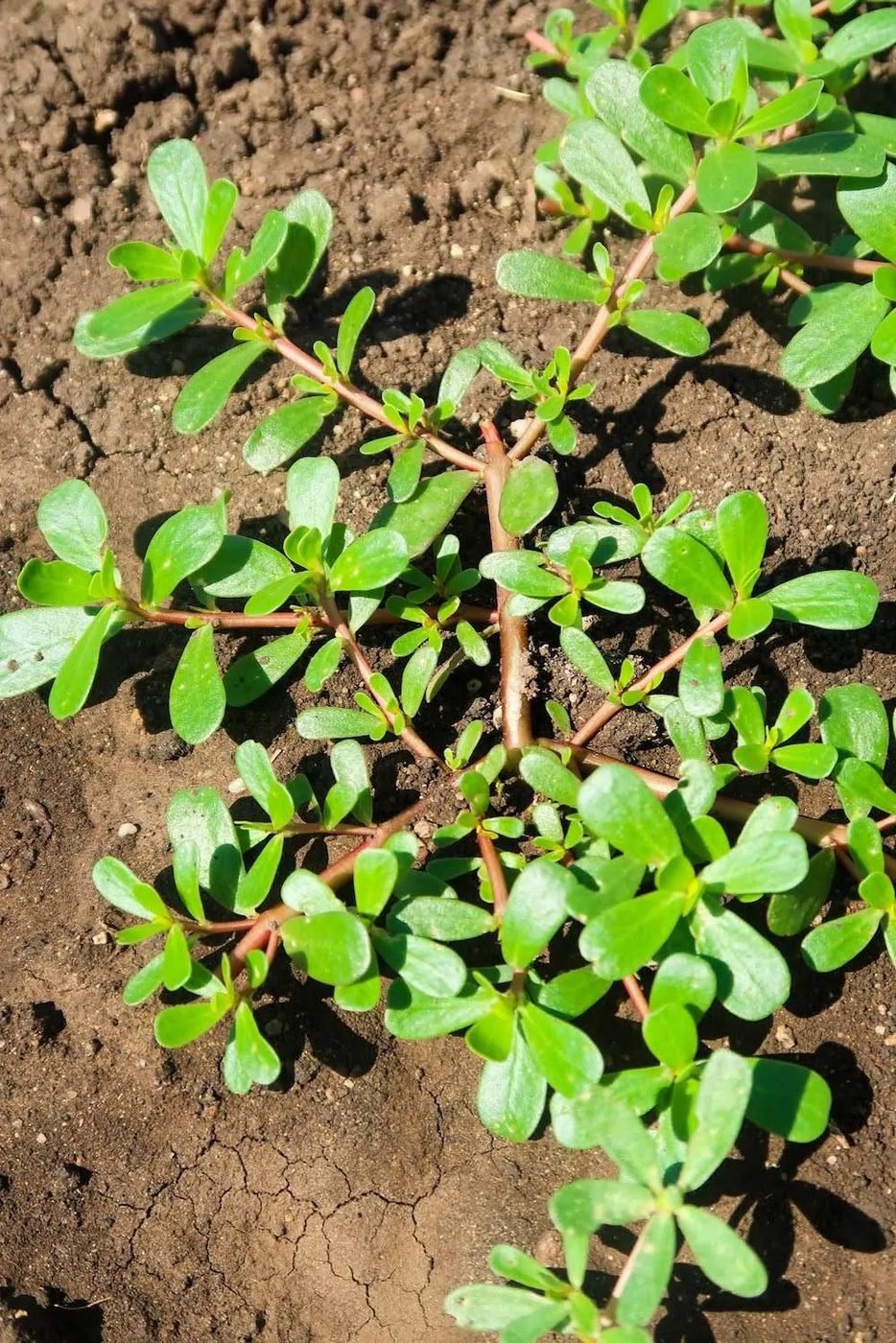
We are not growing purslane on purpose – it is a weed. During summer, you can spot it growing wild everywhere – even in cracks on the sidewalk. So, we're using just the the leaves and usually adding them to our smoothies. But you can also use it in salads. It doesn’t taste like much of anything to us and it is kinda succulent-y.
purslane – a weed 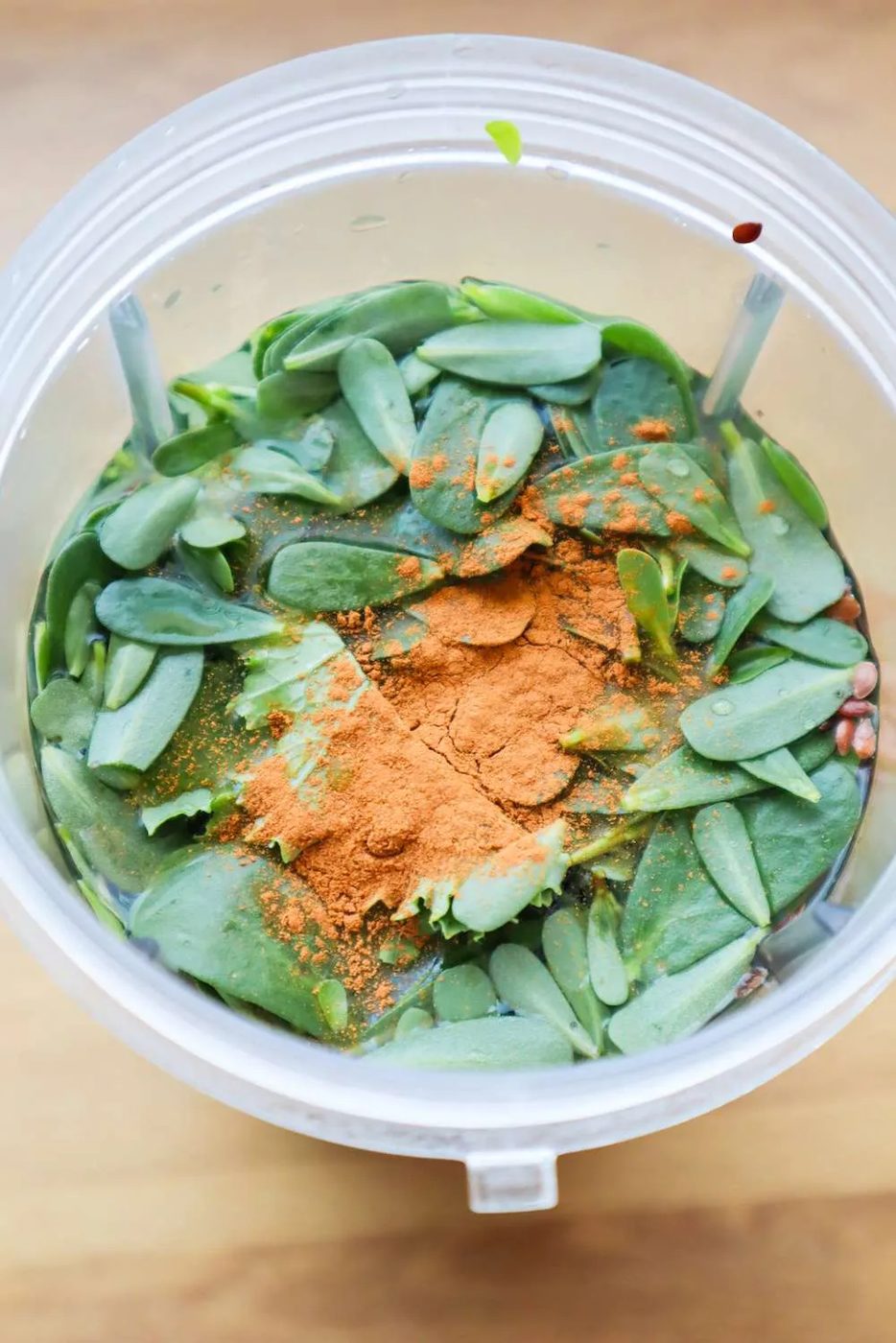 using only the leaves
 Purslane is a green often used in the Mediterranean diet, specifically, we've seen it in Greek cuisine. And it’s a healthy plant. We bought a book called Encyclopedia of Herbal Medicine and it says, it’s been used for over 2000 years in Europe. In ancient Rome, they used it for headaches, stomach ache and lizard bites. Don’t you just hate lizard bites?
But recent research also knows about purslane’s magical parts. It’s one of the omega-3 richest vegetables, it’s a great source of beta carotene, iron, potassium as well as vitamin E and C – both antioxidants needed for healing.
Keep in mind that purslane is also a high-oxalate plant, so do not overdo it. A little bit here, a little bit there goes a long way.
Parsley
Parsley is another one! It is rich in antioxidants and has been used for thousands of years not just as food, but also as medicine. Different cultures used it to treat inflammation, as a diuretic, to improve digestion and treat hypertension.
We didn’t know that parsley doesn’t thrive during summer. Mine seems to be doing fine for now, so we're using it mainly in salads (generously – like tabbouleh) and as a topping for any other dish we can.
Arugula
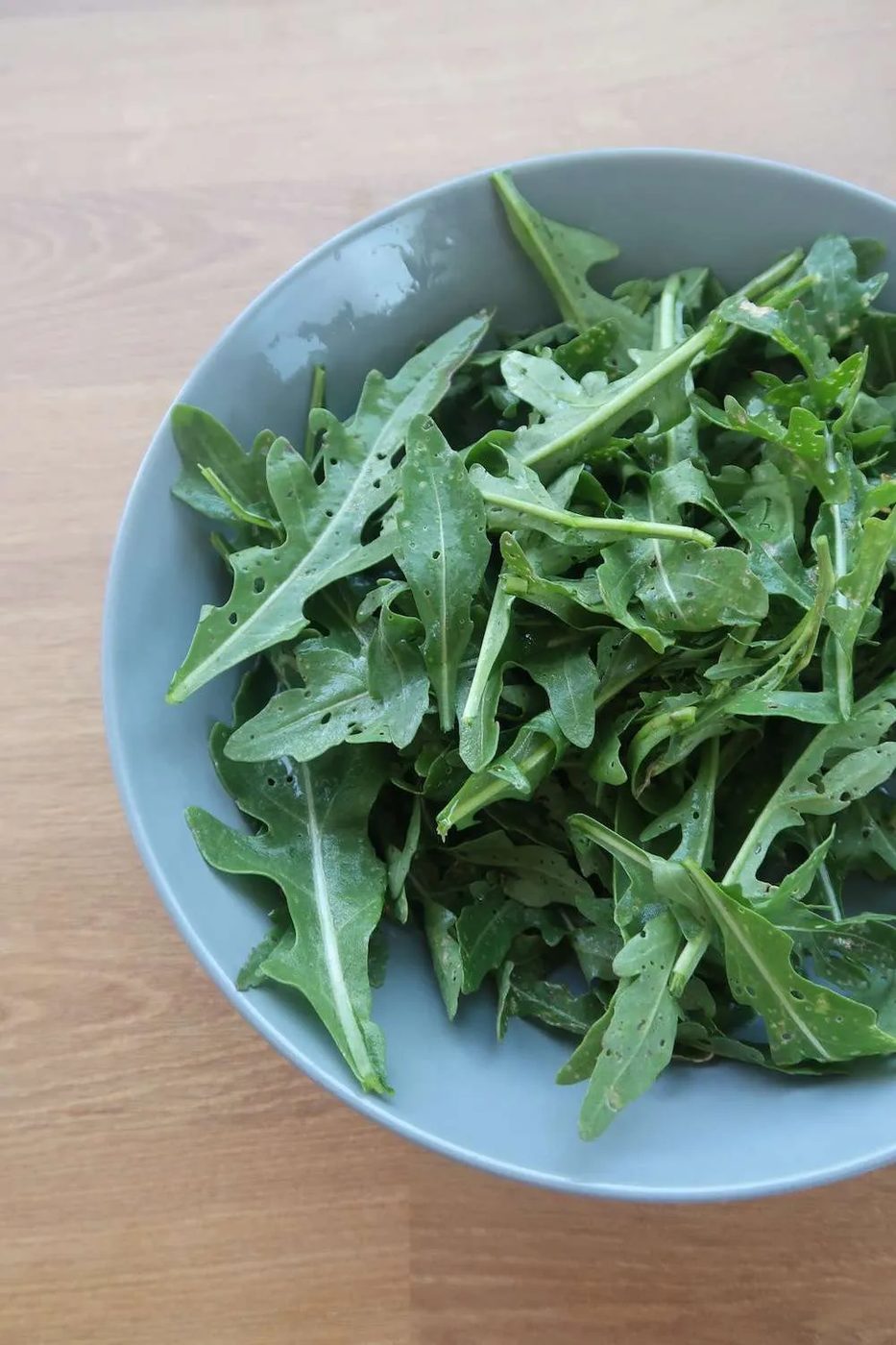
Our arugula is getting holes in its leaves right now, but we're still sticking to harvesting it every single day and adding it to salads and pretty much anything we eat. It is satisfying, but also incredibly good for you, as it is one of the most attractive members of the Brassica family. Like imagine arugula and cabbage getting together at the family reunion. Cabbage – the chubby cousin and arugula the sophisticated model. We know, it’s like you’re there! But rich models also cry when aphids punch holes into their leaves.
Nutritionally, Brassicas like arugula, cabbage, broccoli, Brussels sprouts and kale all look alike. They all contain glucosinolates that help your liver transform harmful chemicals into not so harmful ones, so that they can get out of the body easier. Note, the vegetables don’t do it themselves; they’re just the assistants and bodyguards here. The liver is the doctor and they protect it too.
Eating cruciferous vegetables like arugula regularly has been shown to significantly reduce risk of cancer, cardiometabolic and conditions.
Amaranth Greens
To be honest with you, we haven’t tried amaranth leaves yet, but we identified them growing wild in the garden (we used Google Lens and ALSO our dad told us he knows many shepherds who eat this plant). So we are going to try them sautéed with olive oil, garlic, and green onions. We might add some to salads too. We're scared, mommy, help us (any time we try something new and green). We're not a fan of amaranth seeds, but we hope the greens will be good and that we will stay alive like the Bee Gees.
We did some research and found out they are incredibly nutritious and a great source of essential amino acids like methionine and lysine. They’re also rich in fiber, magnesium, calcium, zinc, iron, vitamin C as well as pigments that act as antioxidants. Some of these pigments include carotenoids, chlorophyll, anthocyanins (the antioxidants ones found in blueberries).
Keep in mind that amaranth leaves are also high in oxalates, in case you need to avoid oxalate-rich foods.
Basil
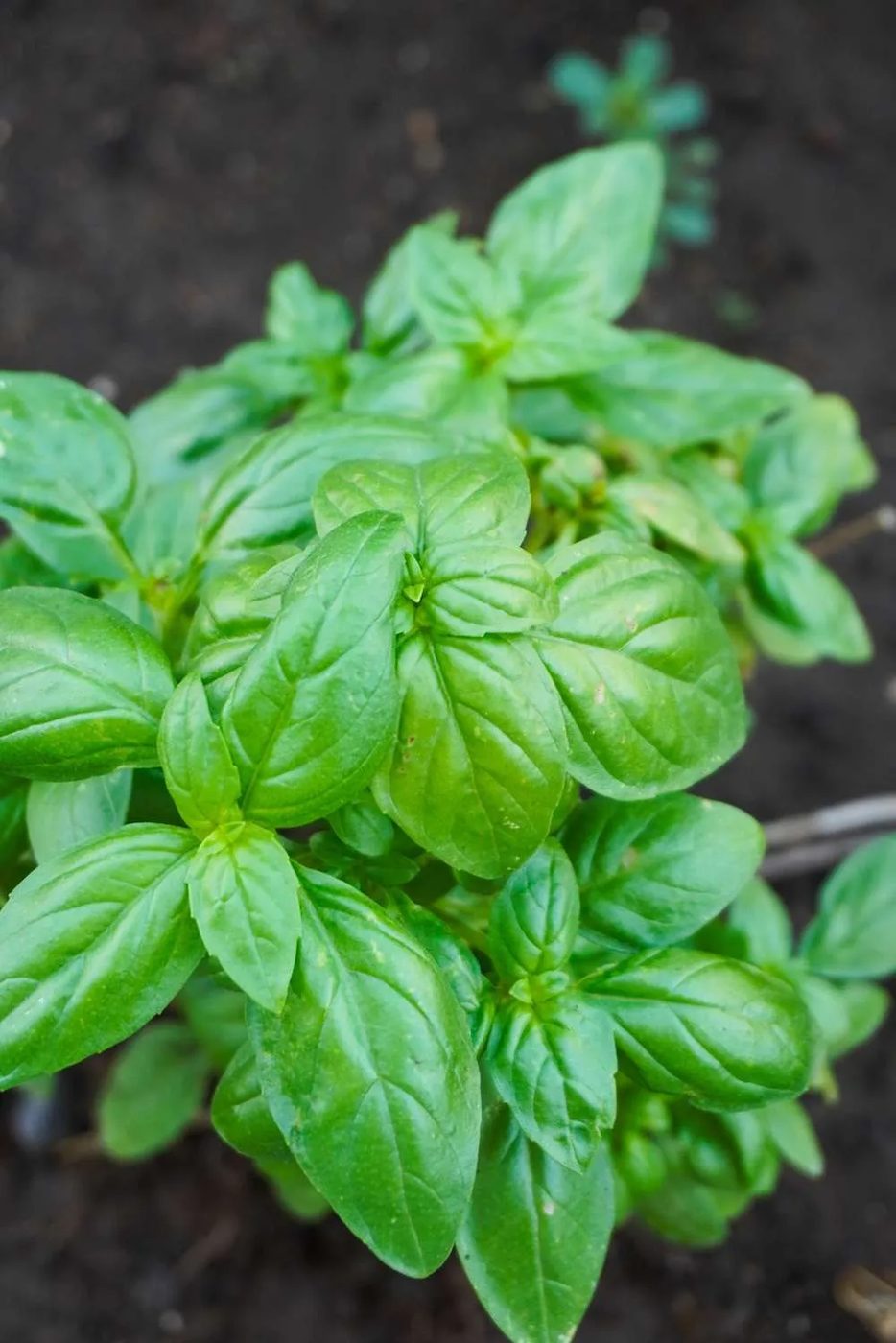
Last, but not least, our favorite, the herb we're waiting for all year long – Basil. We don’t need to know much about basil’s health benefits to want to eat it in salads, add it to our water, turn it into pesto, wrap things in its larger leaves…The fact that basil can help with blood sugar control, reducing inflammation and protecting against bacteria, viruses and cancer doesn’t make us feel bad at all.
Bonus: Kale
We still have some kale going on in the garden and it’s producing many many leaves. We've been watering it a lot, but we started seeing bugs on it, so we don’t know how long the leaves are going to last. Kale is from the same family like arugula and we all have had a lecture on its health benefits at some point in life. It is also low in oxalates, so it will be a good way to balance the other greens out. We are currently trying to turn our kale into a kale tree, we’ll see how well it goes in September! We don’t love the taste of kale, so we'll be making it into a smoothie with lots of lemon juice and water.
Variety Is Key
And that’s all the greens we know to eat during summer. But, as mentioned in the beginning, greens aren’t everything! There are tomatoes, cucumbers, zucchini, eggplants, onions, all kinds of peppers that you can enjoy this season! Plus let’s not forget all the fruit! Fruits like melons, watermelons, cherries, berries, peaches, figs and apricots. Enjoying a variety of these plants is a great way to stay healthy all summer long!