

A classic breakfast staple gets a wholesome makeover with these incredible high-protein cottage cheese English muffins. Each serving delivers a satisfying protein punch, offering the delightful nostalgia, rich flavor, and convenient goodness of store-bought English muffins, all crafted right in your own kitchen. These homemade gems boast an irresistibly airy and chewy texture, making them exceptionally delicious and a perfect foundation for any meal.
The secret to their impressive protein content lies in the inclusion of blended cottage cheese within the dough. This innovative addition not only elevates the nutritional profile but also contributes to the muffin’s unique texture. Whether you enjoy them as a simple, fulfilling snack or as the robust base for a hearty breakfast sandwich, these English muffins are designed to fuel your day the healthy way.

Why You’ll Love These High-Protein English Muffins ⤵️
Beyond their mouth-watering taste, these high-protein English muffins offer numerous advantages that make them a standout recipe. They are a delightful spin-off of our popular 2-ingredient high-protein dough concept, refined and perfected for that authentic English muffin experience. The inclusion of yeast is pivotal, imparting a wonderfully chewy texture and characteristic airy pockets, which are the hallmarks of a truly great English muffin. This recipe transforms a simple dough into a breakfast masterpiece, making it an ideal choice for anyone looking to incorporate more protein into their diet without sacrificing flavor or enjoyment.
Making your English muffins from scratch allows you to control the quality of ingredients and avoid unnecessary additives often found in commercially produced versions. You’ll savor the fresh aroma filling your kitchen and take pride in serving a wholesome, homemade treat. These muffins aren’t just food; they’re an experience, delivering satisfaction with every bite and making healthy eating a truly delicious journey.
Star Ingredients: Crafting Your Perfect English Muffins
The magic of these homemade English muffins comes from a thoughtful selection of key ingredients, each playing a crucial role in achieving that ideal balance of flavor, texture, and nutritional value. Understanding the purpose of each component will empower you to create consistently amazing results.
- Cottage Cheese: The Protein Powerhouse
This ingredient is the cornerstone of our high-protein recipe. Blended cottage cheese not only significantly boosts the protein content but also adds a subtle creaminess to the dough without altering the classic English muffin taste. For optimal results, I highly recommend using 2% or 4% fat cottage cheese. These varieties typically have a lower water content compared to fat-free options, which means you’ll need less flour to achieve the perfect dough consistency. A smoother, creamier cottage cheese (like the 2% or 4%) blends seamlessly, integrating uniformly into the dough and ensuring an even distribution of moisture and protein throughout your muffins. - All-Purpose Flour: The Foundation of Texture
All-purpose flour is my preferred choice for these English muffins because it strikes the perfect balance. It’s not too dense, allowing the dough to rise beautifully and contribute to the light, airy texture that is characteristic of good English muffins. While other flours can be experimented with, AP flour consistently delivers a tender crumb and a structure that holds up well, whether you’re toasting them or building a breakfast sandwich. Its versatility makes it a reliable staple in this recipe. - Active Dry Yeast: For That Signature Chewiness
Yeast is truly transformative in this recipe. I’ve conducted extensive testing, preparing these English muffins both with and without yeast, and the version incorporating yeast consistently yields a superior product. Yeast is responsible for the dough’s fermentation, creating air pockets that result in a more chewy, airy texture – exactly what you expect from an authentic English muffin. It gives them that classic pull-apart quality and a depth of flavor that baking powder alone cannot replicate. Don’t underestimate the power of yeast for achieving that perfect English muffin character. - Cornmeal: The Classic Finish and Non-Stick Solution
Cornmeal is an indispensable ingredient for homemade English muffins, serving both a functional and aesthetic purpose. You’ll press the English muffins into cornmeal on both sides before cooking them on the stovetop. This vital step prevents the dough from sticking to the pan, ensuring easy cooking and removal. More importantly, the cornmeal provides that signature texture and rustic appearance that instantly identifies an English muffin. It adds a slight crunch and an authentic look that simply can’t be skipped if you’re aiming for traditional results.
You’ll find the complete list of ingredients and precise measurements in the detailed recipe card located further down on this page.


How to Make Cottage Cheese English Muffins: A Step-by-Step Guide
Creating these delightful high-protein English muffins at home is a rewarding process. Follow these detailed steps to ensure perfectly airy and chewy results every time.
- Bloom the Yeast: Begin by combining warm water (ideally between 100-110°F or 38-43°C), active dry yeast, and a touch of granulated sugar in the bowl of a stand mixer. The warm water activates the yeast, while sugar provides initial food for it. Let this mixture sit undisturbed for about 5 minutes. You’ll know the yeast is bloomed and active when it becomes foamy and visibly expands on the surface, indicating it’s ready for the next steps.
- Add the Remaining Wet Ingredients: Once your yeast is beautifully bloomed, incorporate the blended cottage cheese, melted unsalted butter, and one large egg into the mixture. Mix these wet ingredients thoroughly until they are well combined and smooth. This creates a rich, protein-packed base for your dough, ensuring uniform flavor and texture.
- Mix the Dry Ingredients Separately: In a separate, medium-sized bowl, whisk together the all-purpose flour and kosher salt. This ensures that the salt is evenly distributed throughout the flour, preventing concentrated pockets of saltiness and promoting consistent dough development.
- Combine Wet and Dry Ingredients: With your stand mixer set to a low speed, gradually add the dry flour mixture to the wet ingredients. Continue mixing for 3-4 minutes. The goal is to achieve a dough that is elastic and resilient. You can test its readiness by gently poking it; if it springs back quickly, it has been sufficiently kneaded and developed. Avoid overmixing, as this can lead to tough English muffins.
- First Rise (Proofing): Lightly oil a clean bowl. Transfer the prepared dough into this bowl, turning it once to coat all sides with oil. This prevents the dough from sticking and drying out. Cover the bowl tightly with plastic wrap or a damp kitchen towel. Place it in a warm, draft-free spot (such as a slightly warmed oven turned off, or near a sunny window) to rise for approximately 1 hour. During this time, the dough should roughly double in size, a sign that the yeast is actively working.
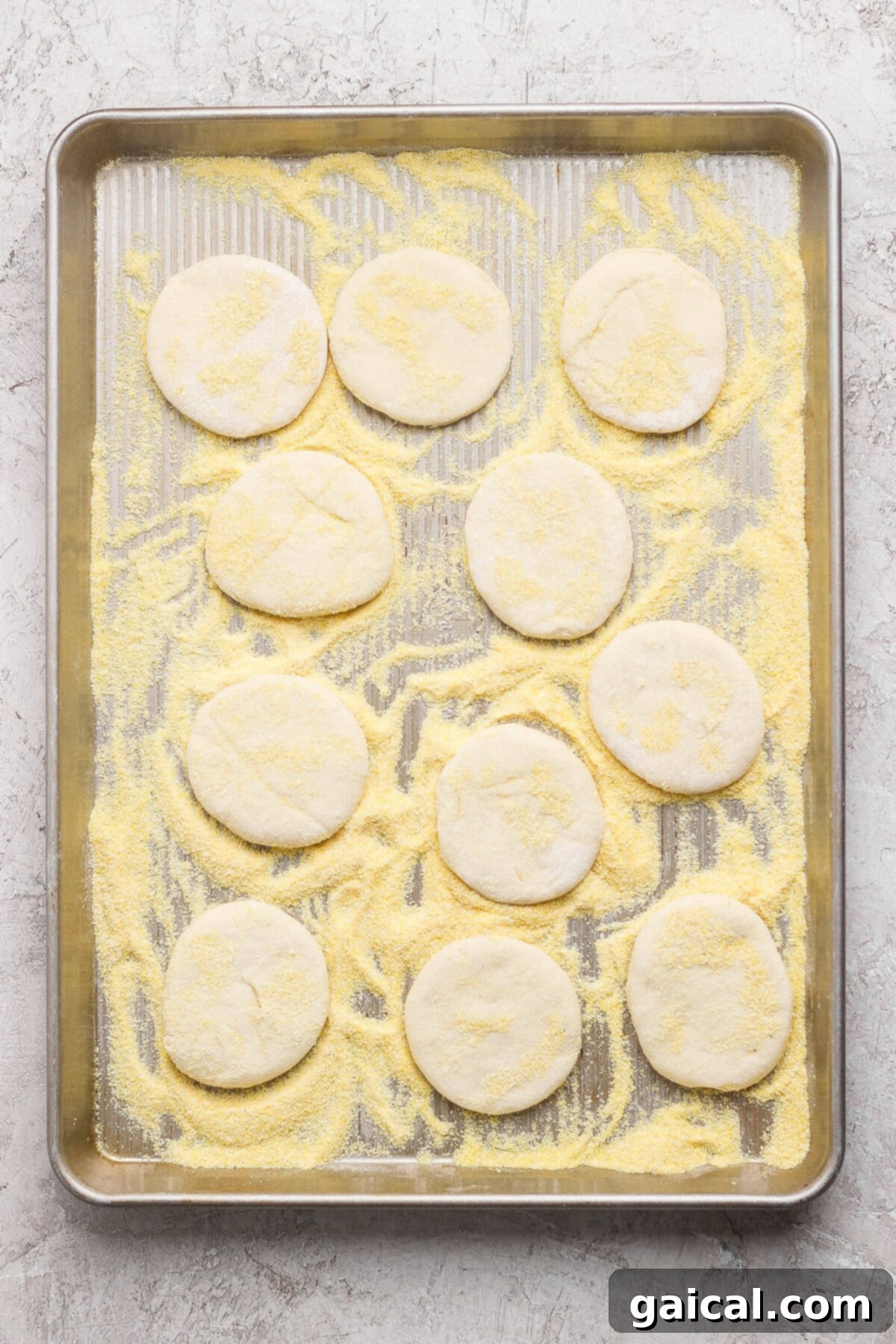
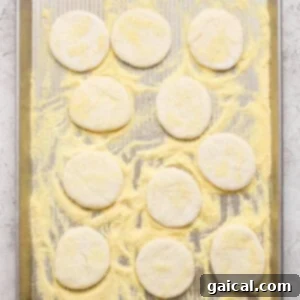
- Prepare for Shaping: While the dough is rising, sprinkle a baking sheet generously with fine cornmeal. This will prevent your cut muffins from sticking and provide that classic English muffin texture.
- Roll Out Dough: Once the dough has completed its first rise, gently turn it out onto a lightly floured surface. Using a rolling pin, carefully roll the dough to an even thickness of about ¼ inch. Aim for a consistent thickness across the entire surface to ensure uniform cooking.
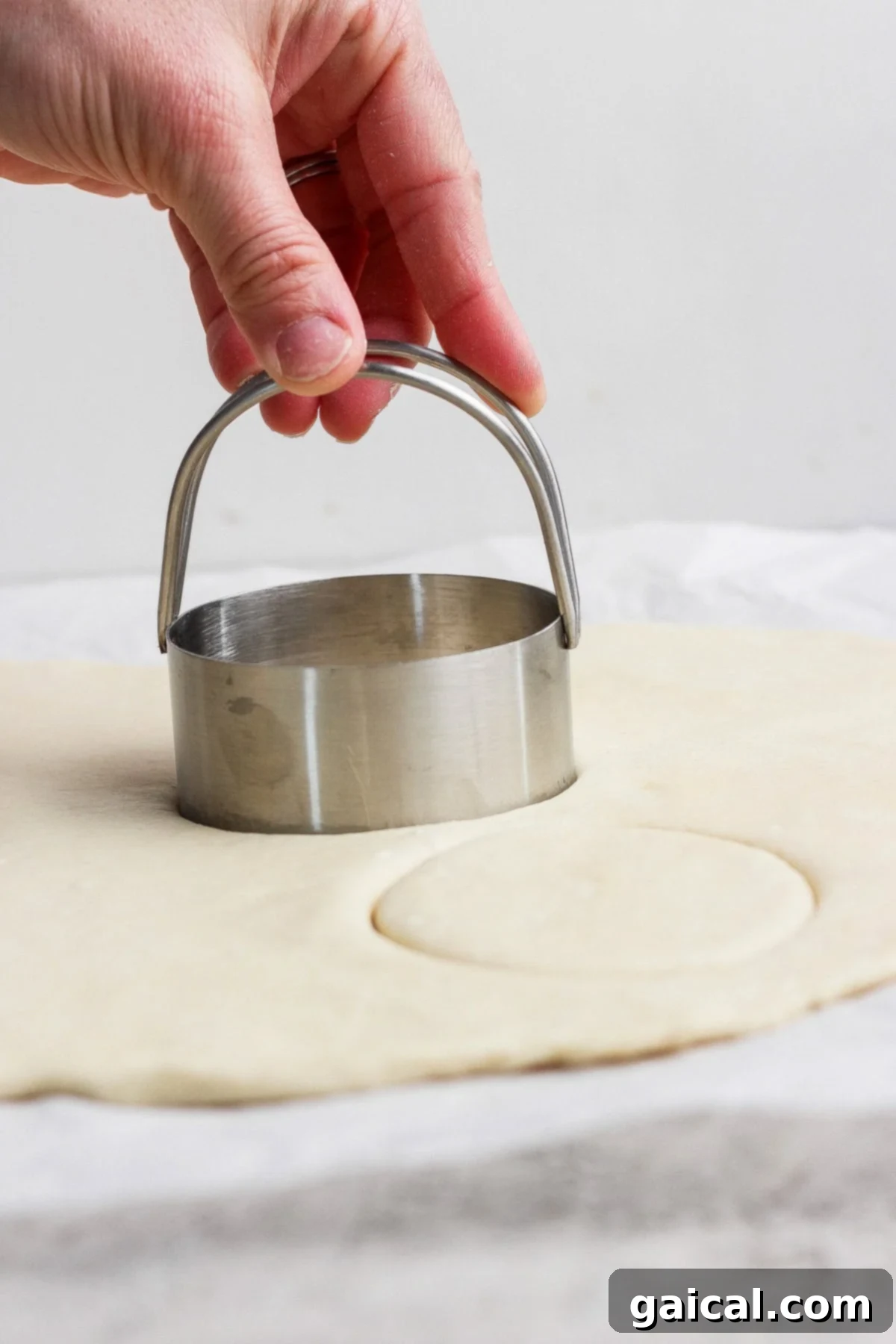
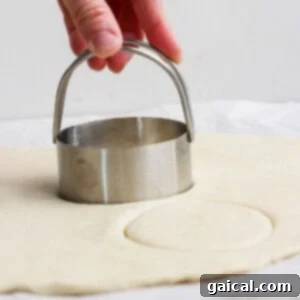
- Cut Out English Muffins: Take a 2-3-inch round cookie cutter (or a similar-sized glass rim). Press it firmly into the rolled-out dough to cut out individual English muffins. Repeat this process until you have used all the dough, re-rolling scraps as needed. Carefully transfer each cut muffin to the cornmeal-sprinkled baking sheet. Flip each muffin over to coat the other side with cornmeal and gently press it down to ensure good adhesion.
- Second Rise (Resting): Once all your muffins are shaped and coated, cover the baking sheet loosely with plastic wrap. Allow them to rest for another 30 minutes. This second, shorter rise helps them puff up slightly, contributing to their light texture and distinctive nooks and crannies.
- Cook English Muffins on the Stovetop: Heat a large cast-iron skillet (or a heavy-bottomed frying pan) over medium heat. It’s crucial for the pan to be at the right temperature – not too hot to burn the outside, but hot enough to cook through. Carefully place the English muffins in the hot pan, ensuring there is enough space between them so they do not touch. Cook for about 6 minutes on the first side, or until golden brown and puffed. Flip them gently and cook for another 4 minutes on the second side, until they are evenly golden and cooked through. You may need to cook them in batches, depending on the size of your skillet.
- Serve and Enjoy: Once cooked, transfer the English muffins to a wire rack to cool slightly. Serve them warm, split open with a fork to reveal their craggy interior, and spread with your favorite toppings like butter, jam, or as the base for an epic breakfast sandwich.
Tips and Tricks for the Best Homemade English Muffins
Achieving bakery-quality English muffins at home is easier than you think with these expert tips and tricks:
- Ensuring Cornmeal Adhesion: If you find that the cornmeal isn’t sticking well to your English muffins after shaping, a simple solution is to lightly brush each side with a tiny bit of water before pressing it into the cornmeal. The minimal moisture will help the cornmeal adhere perfectly, giving your muffins that classic, textured exterior.
- Adjusting Dough Consistency – Too Sticky: Dough consistency is key. If your dough feels excessively sticky and difficult to handle after mixing, don’t panic. Slowly add more all-purpose flour, one tablespoon at a time, mixing briefly after each addition until the dough reaches a manageable, elastic, and slightly tacky but not overly sticky consistency. Be patient and add just enough to achieve the desired texture.
- Adjusting Dough Consistency – Too Dry: Conversely, if your dough appears too dry, crumbly, or isn’t coming together well, you’ll need to add more moisture. Gradually incorporate either warm water or a bit more blended cottage cheese, one tablespoon at a time. Mix until the dough becomes cohesive, smooth, and adequately hydrated. This careful adjustment ensures a pliable dough that will rise beautifully.
- The Fork Split Secret: To get those famous “nooks and crannies” that English muffins are known for, always split them open with a fork rather than cutting them with a knife. A fork creates a rough, irregular surface that’s perfect for catching butter, jam, or any other spread.
- Don’t Rush the Rise: While it might be tempting to shorten the rising times, resist the urge. Both the first and second rises are crucial for developing flavor and achieving the airy texture. Patience is a virtue in baking yeast doughs.
- Even Cooking: When cooking on the stovetop, ensure your skillet is evenly heated. If your muffins are browning too quickly on the outside but seem undercooked inside, reduce the heat slightly. If they’re not browning enough, increase it a bit. A consistent medium heat is typically best.
Can I Make These English Muffins Without Yeast?
I understand that sometimes you might not have yeast on hand, or you might be looking for a quicker alternative. I have tested these English muffins without yeast, and while it is possible to make them, it significantly impacts the final texture. The no-yeast English muffins tend to have a denser, more bread-like texture, lacking the characteristic chewiness and airy pockets that yeast provides. They are a decent substitute in a pinch, but for the authentic, superior English muffin experience, the yeast recipe is highly recommended. Proceed with this variation with the understanding that the texture will be different.
No-Yeast English Muffins Recipe Adaptation: To make these without yeast, simply omit the active dry yeast and the granulated sugar from the recipe. Instead, substitute them with 3 teaspoons of baking powder. Follow the remaining steps of the recipe as instructed for mixing, rolling, cutting, and cooking.
Can I Use Greek Yogurt Instead of Cottage Cheese?
Yes, absolutely! For those who prefer Greek yogurt or simply have it on hand, I’m happy to report that I’ve successfully tested this recipe with Greek yogurt, and the results were delicious. Greek yogurt provides a similar protein boost and moisture to the dough. When making this substitution, simply swap out the blended cottage cheese with an equal 1:1 ratio of Greek yogurt. It’s important to use a fuller-fat Greek yogurt, ideally at least 2% fat, as this will provide the best texture and moisture content for your dough. Fat-free Greek yogurt might make the dough a bit drier and require slight adjustments to the flour or liquid content.

Serving Suggestions and Variations
These high-protein cottage cheese English muffins are incredibly versatile and can be enjoyed in countless ways. Their sturdy yet soft structure makes them ideal for both sweet and savory applications.
- Classic Toppings: A dollop of butter, a smear of homemade jam, or a drizzle of honey are timeless pairings that highlight the muffin’s natural flavor.
- Breakfast Sandwiches: Elevate your breakfast by using these muffins as the base for egg and cheese sandwiches, bacon and egg, or even a healthier turkey sausage patty.
- Savory Spreads: Try them with avocado smash, cream cheese, or a savory herb spread.
- Sweet Indulgences: Top with peanut butter and banana slices, or a sprinkle of cinnamon sugar for a sweet treat.
- Mini Pizzas: Split them, add marinara sauce, cheese, and your favorite toppings, then bake until bubbly for quick and healthy mini pizzas.
Storage and Freezing Instructions
Properly storing your homemade English muffins ensures they stay fresh and delicious for longer. You can keep them at room temperature, refrigerate them, or freeze them for future enjoyment.
- Room Temperature: Store cooled English muffins in an airtight container or a sealed plastic bag at room temperature for up to 2-3 days.
- Refrigeration: For longer freshness, place them in an airtight container in the refrigerator for up to 1 week.
- Freezing: These English muffins freeze beautifully! Once completely cooled, place them in a single layer on a baking sheet and freeze for about an hour until firm. Then transfer them to a freezer-safe bag or container, removing as much air as possible to prevent freezer burn. They can be stored in the freezer for up to 3 months. When ready to enjoy, simply toast directly from frozen or thaw overnight in the refrigerator.
More Cottage Cheese Dough Recipes to Explore
If you’ve fallen in love with the versatility and health benefits of cottage cheese dough, you’ll be thrilled to discover more recipes that harness its protein-boosting power. Here are some of our other favorites:
- Best High-Protein Dough Recipes
- High-Protein Air Fryer Dinner Rolls
- High-Protein Pizza Hot Pockets
- Air Fryer Protein Bagels
- Cottage Cheese Breakfast Biscuits
Cottage Cheese English Muffins Recipe
My high-protein cottage cheese English muffins bring the nostalgia, the flavor, and (close to!) the convenience of a store-bought English muffin to your own kitchen. They’re airy, chewy, and just so dang delicious!
By: Emily Richter
Prep Time: 20 mins
Cook Time: 16 mins
Resting Time: 1 hr 30 mins
Total Time: 2 hrs 6 mins
Servings: 14

Ingredients
- ½ cup warm water, ~warmed to 100-110℉
- 2.25 teaspoons active dry yeast
- 1 tablespoon granulated sugar
- 1 cup blended 2 % cottage cheese
- 3 tablespoons melted unsalted butter
- 1 large egg
- 3 cups all-purpose flour
- 1 teaspoon kosher salt
- ½ cup fine cornmeal
Instructions
- Add the warm water, yeast, and sugar to the bowl of a stand mixer. Set aside until the yeast has bloomed – about 5 minutes.
- Once the yeast has bloomed, mix in the blended cottage cheese, melted butter, and egg. Set aside.

- In a separate bowl, mix the flour and salt.
- With the mixer on low, slowly add the dry ingredients to the wet. Mix for 3-4 minutes or until the dough bounces back when poked.
- Transfer the dough to an oiled bowl and cover with plastic wrap. Place in a warm place to rise for 1 hour.
- Sprinkle a sheet pan with the cornmeal.
- Turn the dough out onto a lightly floured surface. Roll to ¼ inch thickness.
- Using a 2-3-inch round cookie cutter, cut muffins until all the dough has been used. Place them in the cornmeal on the sheet pan. Flip and gently press into the cornmeal.
- Cover with plastic wrap and rest for 30 minutes.
- Heat a large cast-iron skillet over medium heat. Place the muffins in the pan, making sure they do not touch. Cook for 6 minutes, flip, and cook for 4 minutes.
- Serve with butter and jam.



Tips & Notes
- If the cornmeal isn’t sticking to the muffins, brush them with a little bit of water.
- If the dough is too sticky, add more flour 1 tablespoon at a time.
- If the dough is too dry, add water or blended cottage cheese 1 tablespoon at a time.
Nutrition
Calories: 165 kcal, Carbohydrates: 26 g, Protein: 6 g, Fat: 4 g, Fiber: 1 g, Sugar: 1 g
Nutrition information is automatically calculated, so should only be used as an approximation. Individual results may vary based on specific ingredients and preparation methods.
Conclusion: Enjoy Your Homemade Protein-Packed English Muffins
There’s immense satisfaction in creating something delicious and wholesome from scratch, and these high-protein cottage cheese English muffins are no exception. They bring the comfort of a classic breakfast item together with the nutritional benefits of added protein, making them an ideal choice for a balanced start to your day or a nourishing snack. With their delightful chewiness, airy texture, and versatile appeal, you’ll wonder why you ever bought English muffins from the store. Dive into the simple pleasure of homemade baking and elevate your breakfast game with this truly outstanding recipe. Happy baking!
Photography by: The Wooden Skillet