
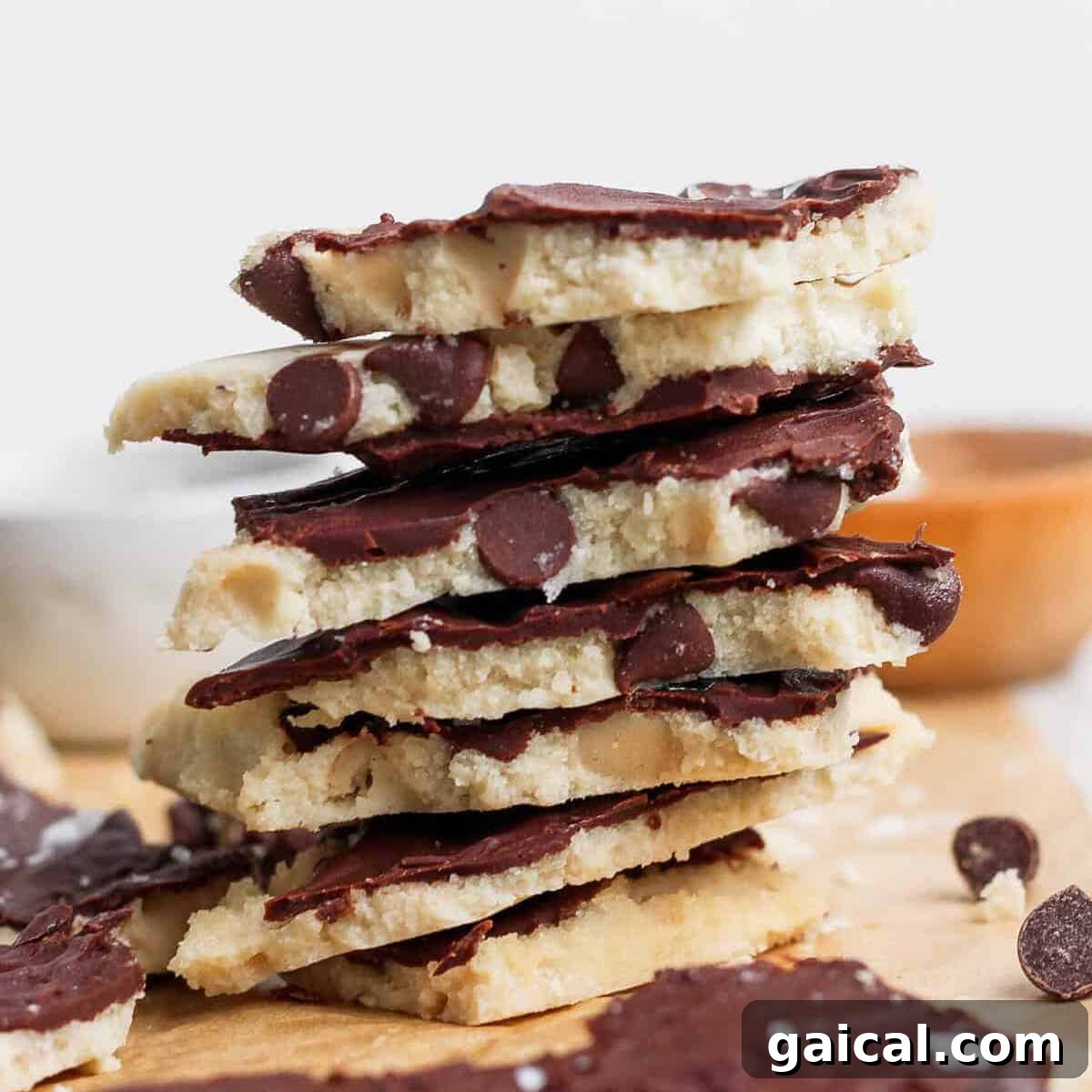
I’ve used cottage cheese in cheesecakes, brownies, cookies and even ice cream — and this cottage cheese cookie dough is by far the simplest. With just five ingredients, no protein powder, and zero baking, it blends into a creamy, scoopable dough that tastes like classic cookie dough. Enjoy it straight from the bowl or press it into a pan and freeze into chocolate-topped bark for a grab-and-go snack that lasts in the freezer.
The blended cottage cheese disappears into a smooth base that’s sweetened with maple syrup, flavored with vanilla, and thickened with almond flour. Mini chocolate chips fold in for the familiar cookie-dough texture. Ready in about 15 minutes, this recipe is pantry-friendly and naturally high in protein thanks to the cottage cheese itself.
Why You’ll Love This Cottage Cheese Cookie Dough
- Only five simple ingredients: cottage cheese, almond flour, maple syrup, vanilla, and chocolate chips — no powders or special supplements required.
- No cottage cheese flavor: blended until smooth, the cottage cheese provides creaminess and protein without tasting like cottage cheese.
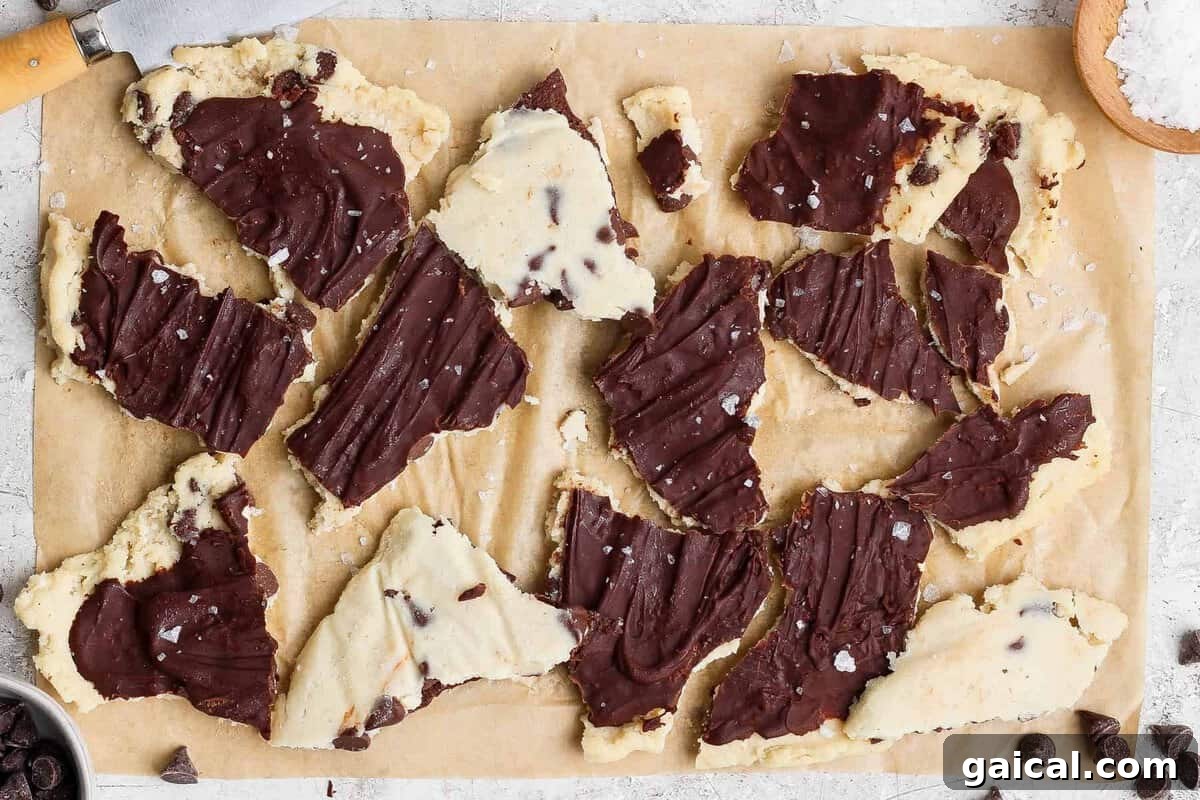
- Two serving styles: scoop and enjoy chilled, or spread into a thin layer, top with chocolate, freeze, and break into bark pieces.
- Quick and easy: no cooking, minimal prep, ready in about 15 minutes.
What You Need (Ingredient Notes)
- Cottage cheese: Full-fat or 2% yields the creamiest results. If the container has extra liquid, drain it briefly through a fine-mesh strainer before blending. Avoid fat-free varieties, which can be too watery.
- Fine-ground almond flour: Use fine-ground almond flour (not almond meal) for a smooth texture and to keep the recipe gluten-free.
- Maple syrup: Adds sweet, classic flavor — honey can be substituted.
- Vanilla extract: A little goes a long way to create that cookie-dough aroma and taste.
- Chocolate chips: Mini chips work especially well for even distribution in a thin bark layer. Dark, semi-sweet, or sugar-free chips are all fine.
- Coconut oil (optional for bark topping): A small amount melted with chocolate creates a thin, snappy shell that holds up when frozen.
Tips for the Best Texture
Texture makes or breaks cookie dough. These pointers will help you get the most satisfying, smooth dough.
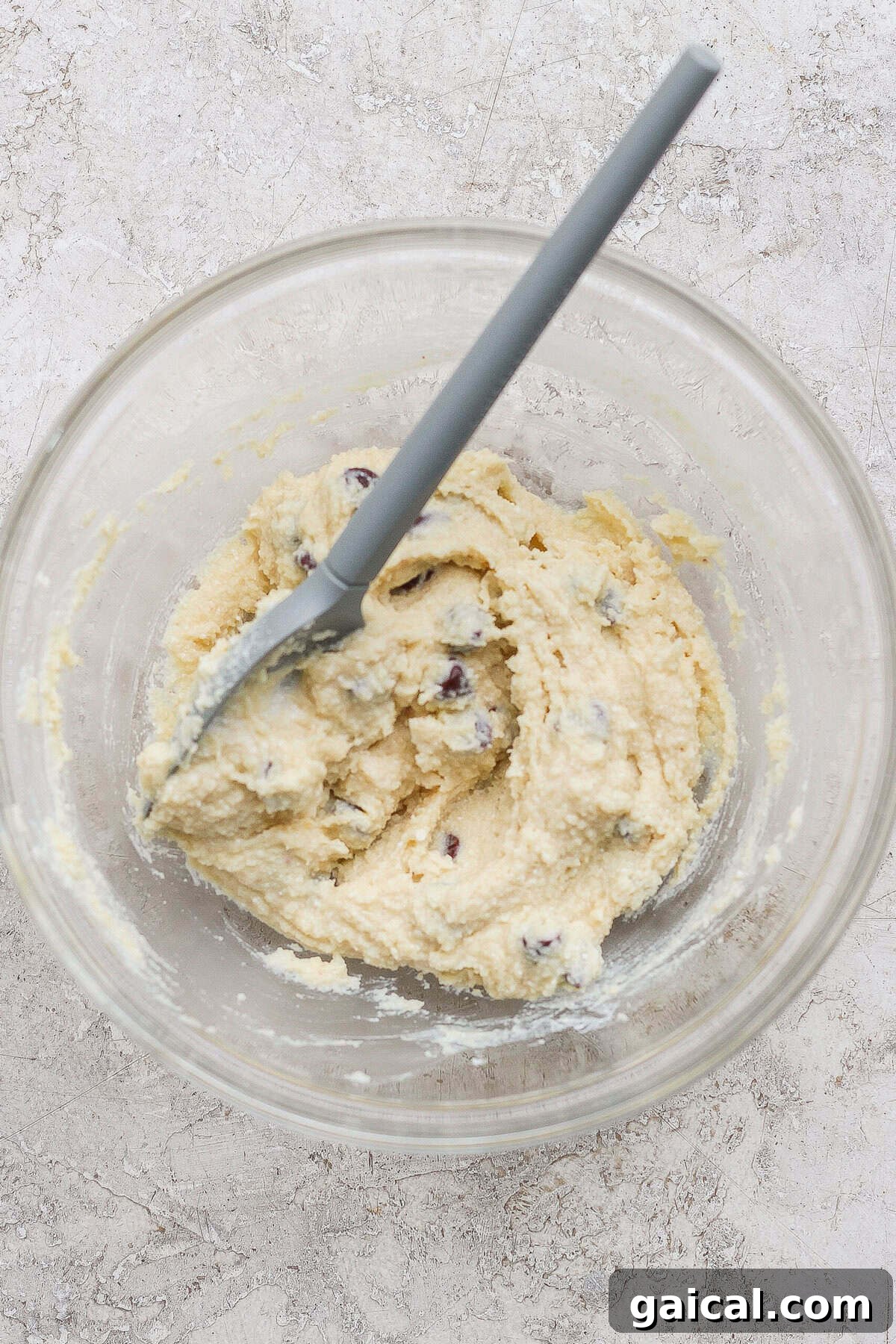
- Blend until silky: Use a blender or food processor and blend the cottage cheese for 60–90 seconds until no curds remain. An immersion blender in a tall cup can work if needed.
- Drain if watery: If the cottage cheese has excess liquid, drain it briefly to avoid runny dough. This step is the most common fix for thin mixtures.
- Adjust almond flour: Brands vary, so if the dough feels loose, add 1–2 tablespoons more almond flour until it holds together.
- Chill for scoopable texture: Refrigerate the dough for 15–20 minutes to firm it and let the flavors meld.
How to Make It Into Bark
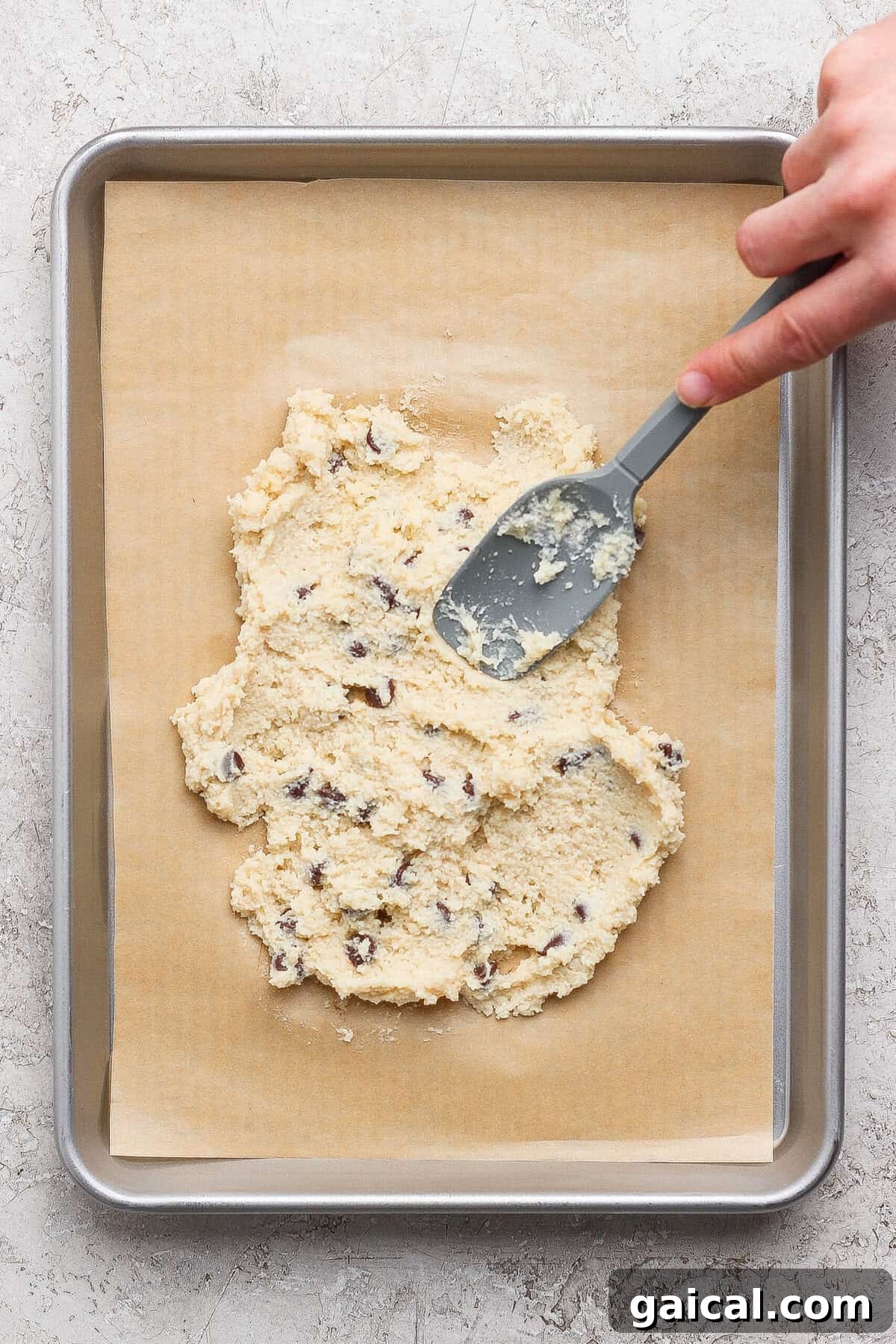
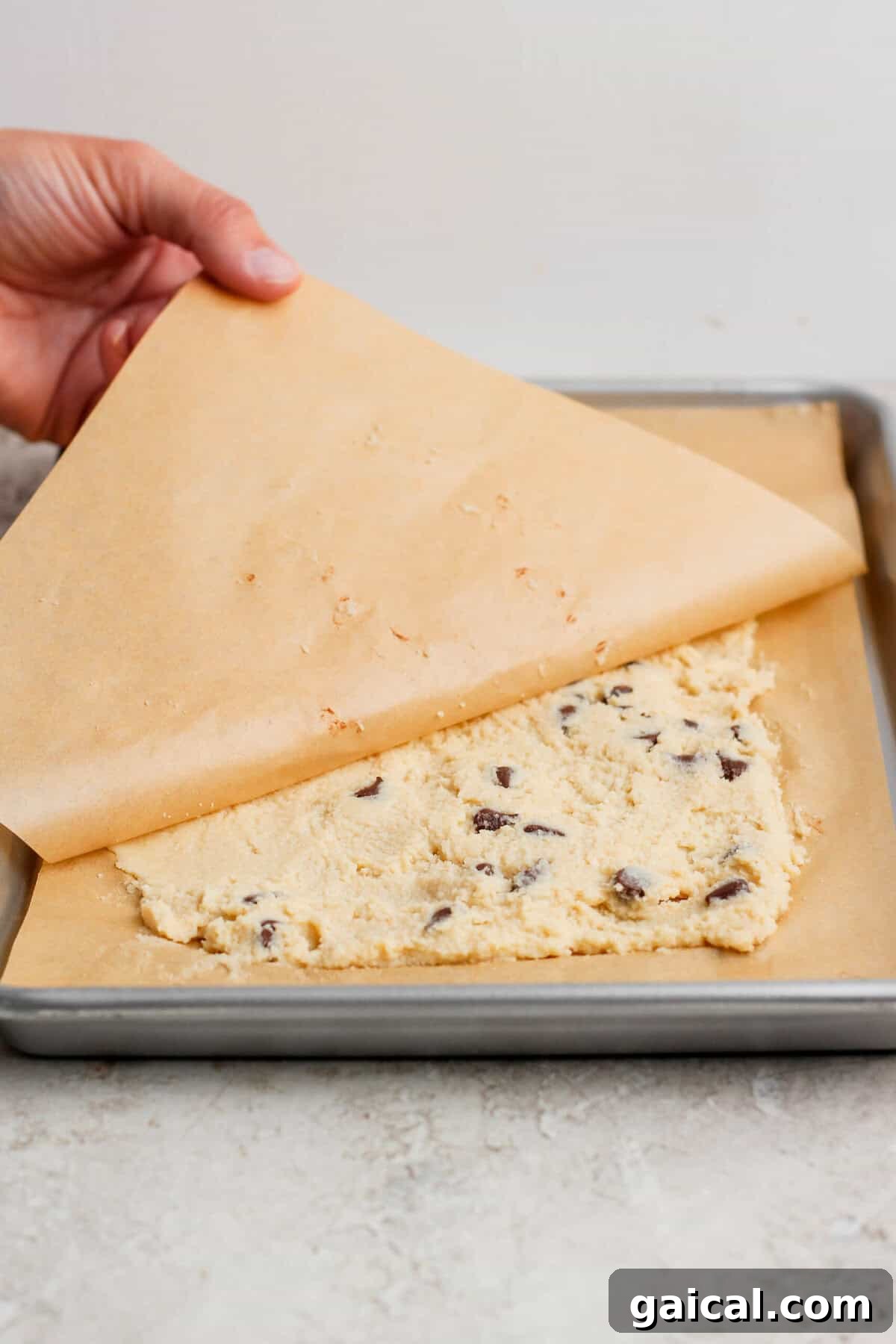
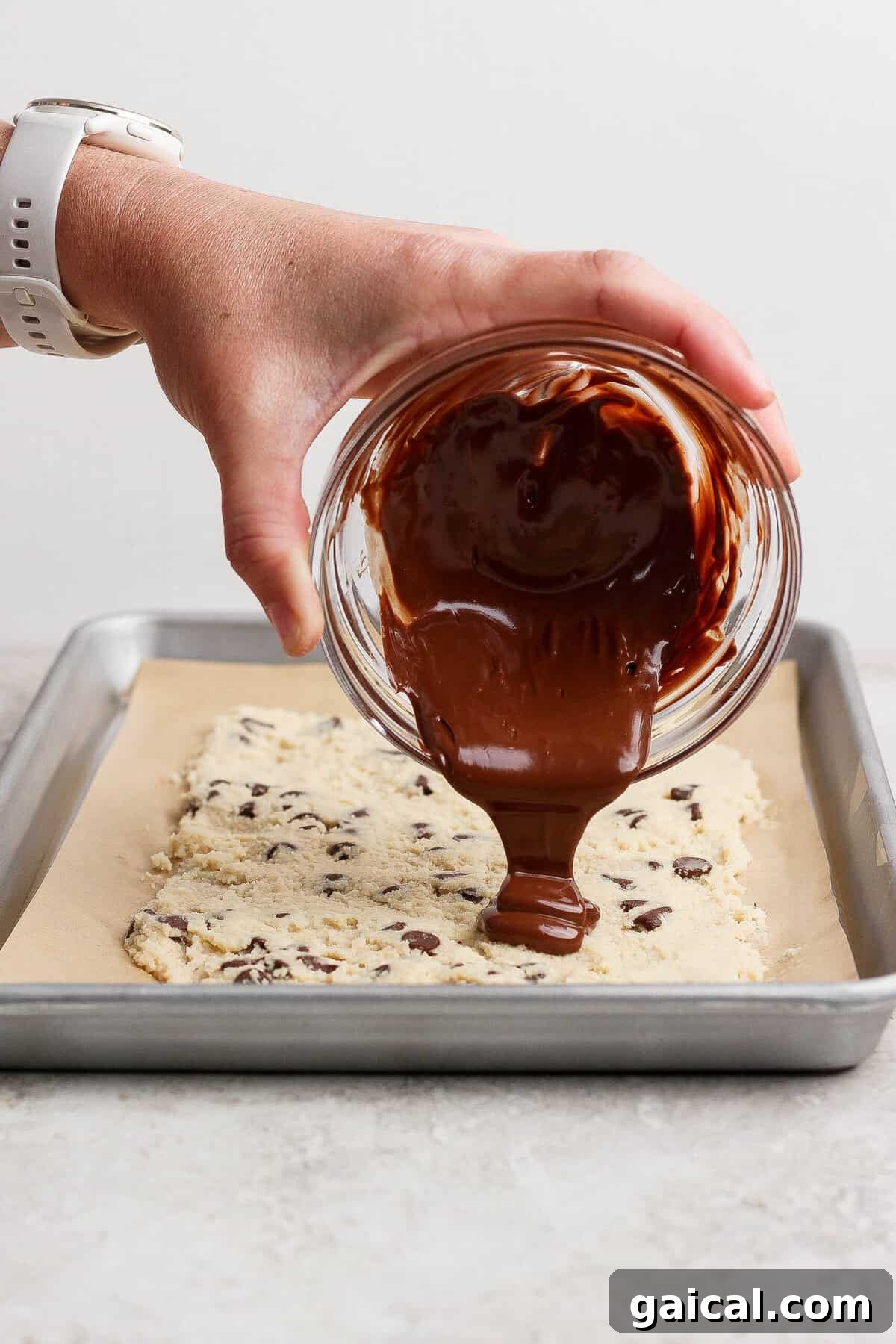
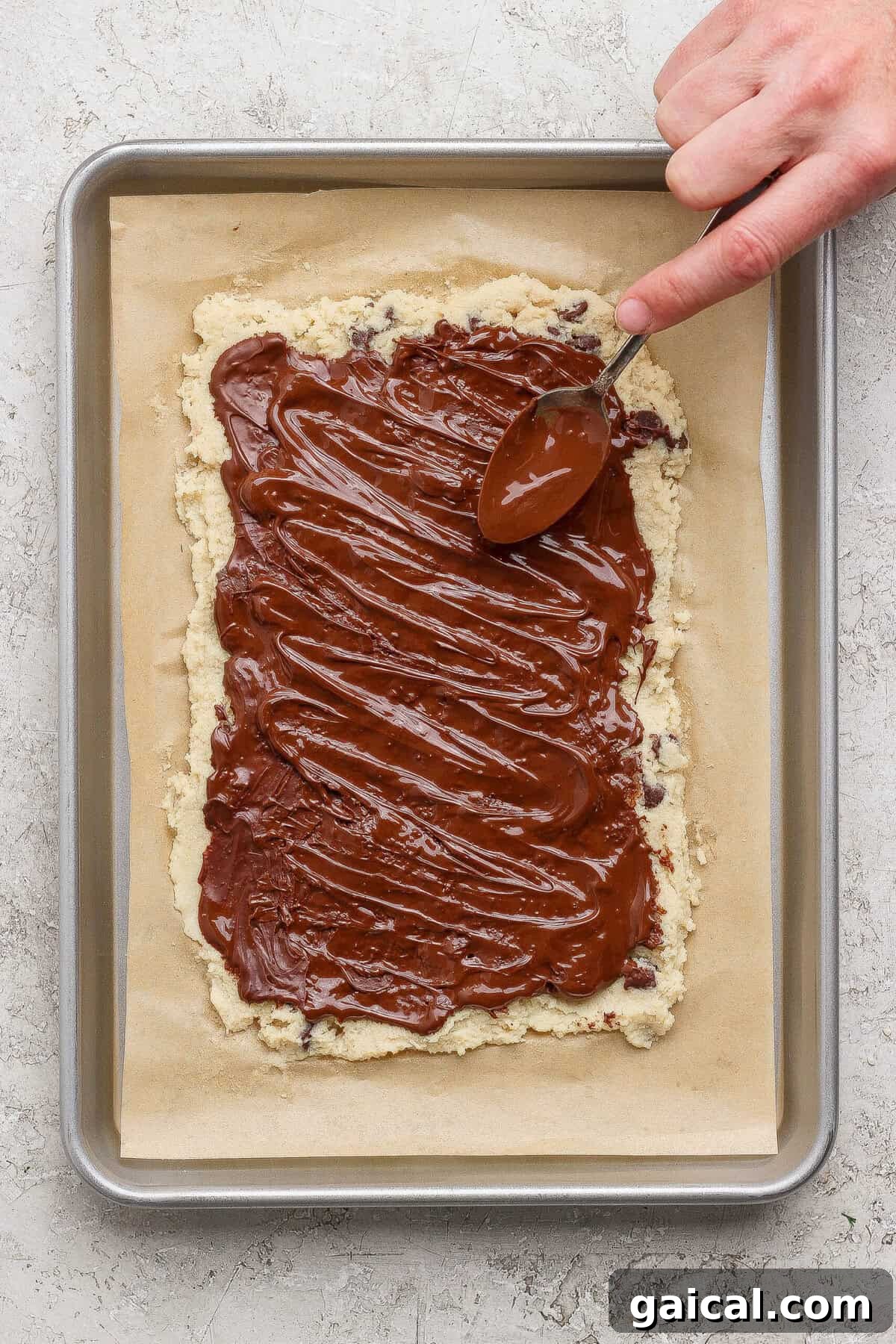
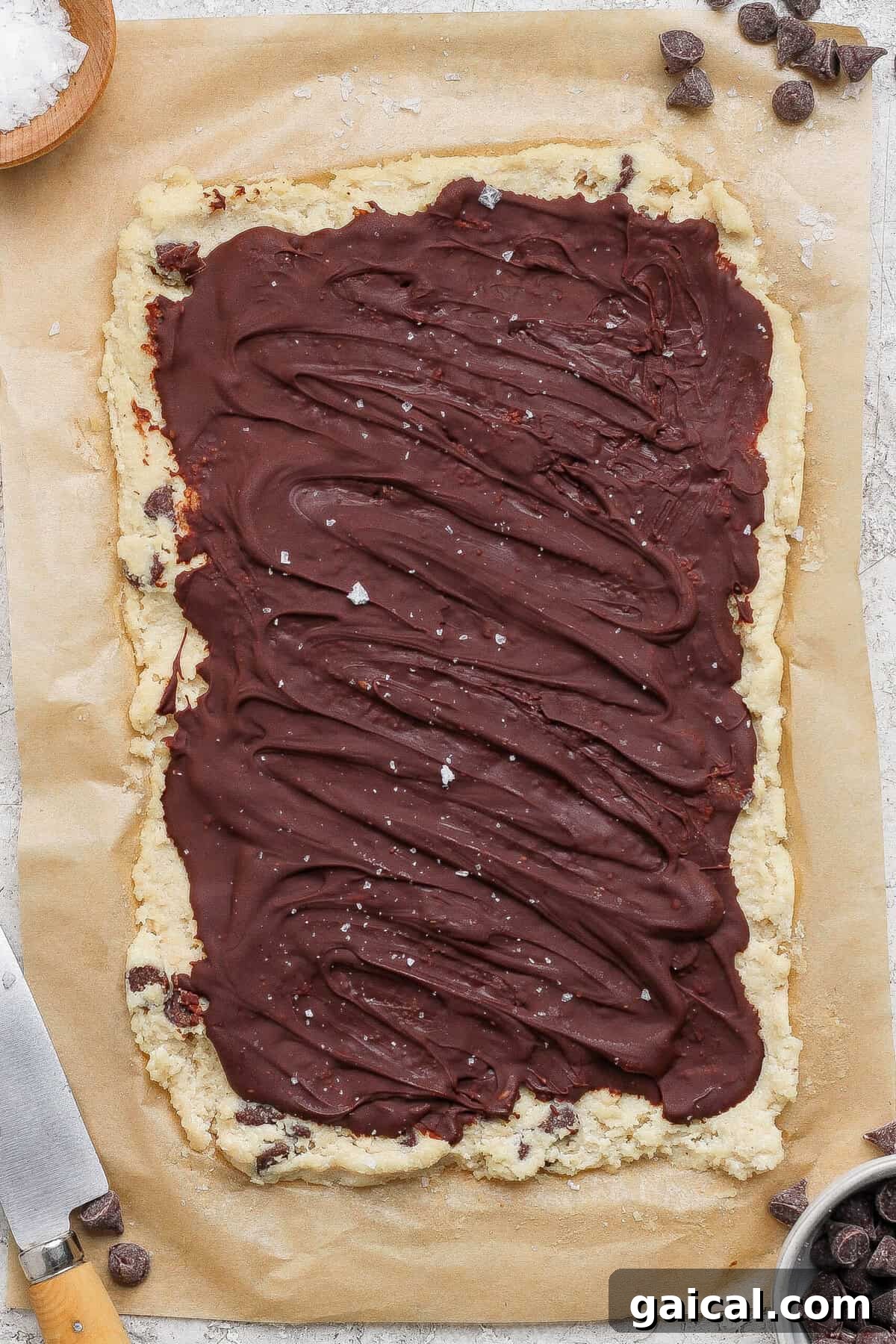
To make frozen bark, spread the dough onto a parchment-lined sheet and roll it to about 1/2-inch thickness. Freeze briefly to firm, then top with a thin layer of melted chocolate mixed with a small amount of coconut oil. A short freeze sets the topping; then break or cut the slab into pieces for an easy, portionable treat.
Half an inch is a good thickness — thinner pieces can be fragile, and thicker slabs take longer to freeze evenly. The coconut oil helps the chocolate set with a snappy texture so the topping snaps instead of flaking.
Serving Ideas
- Scoopable: Eat chilled by the spoonful.
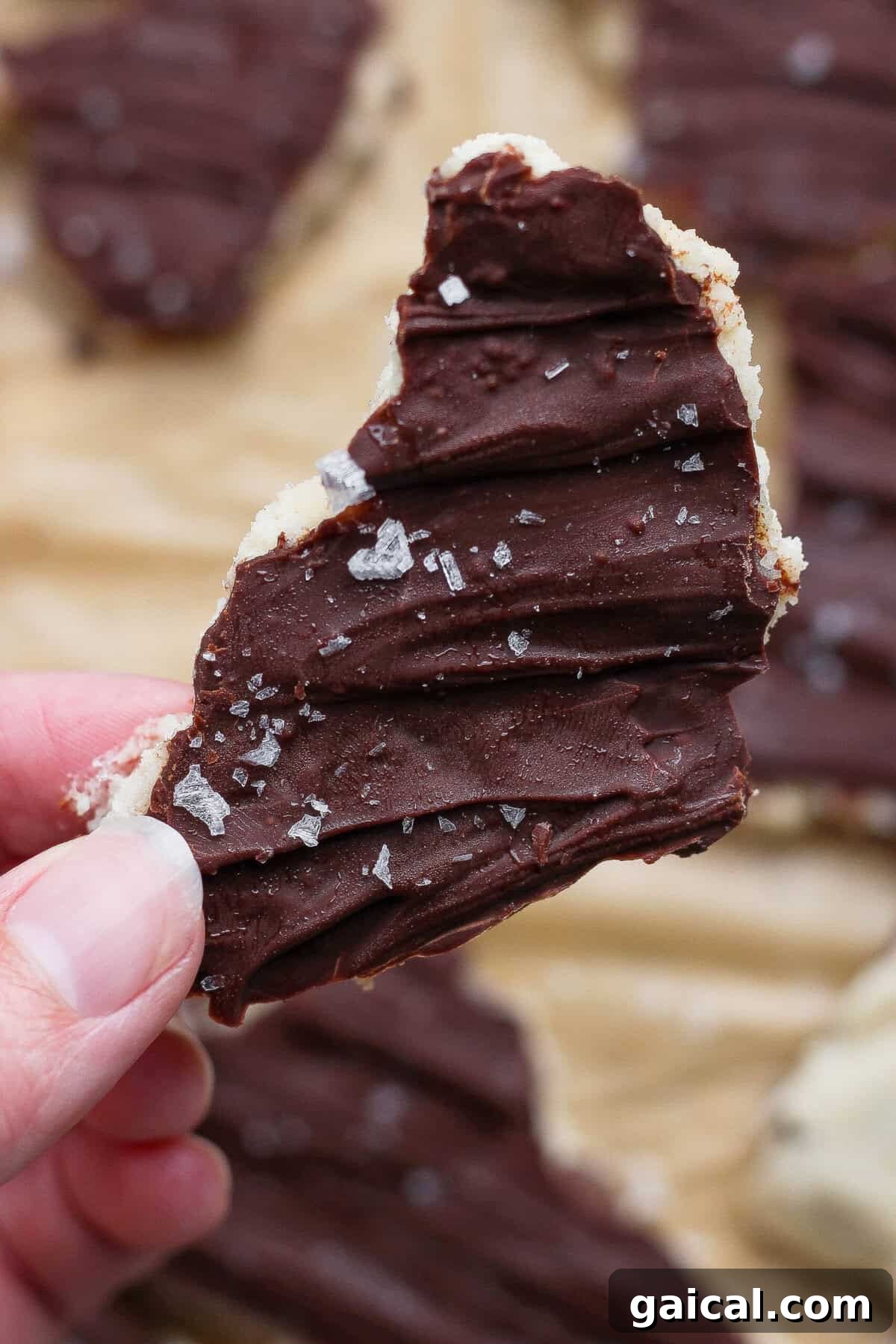
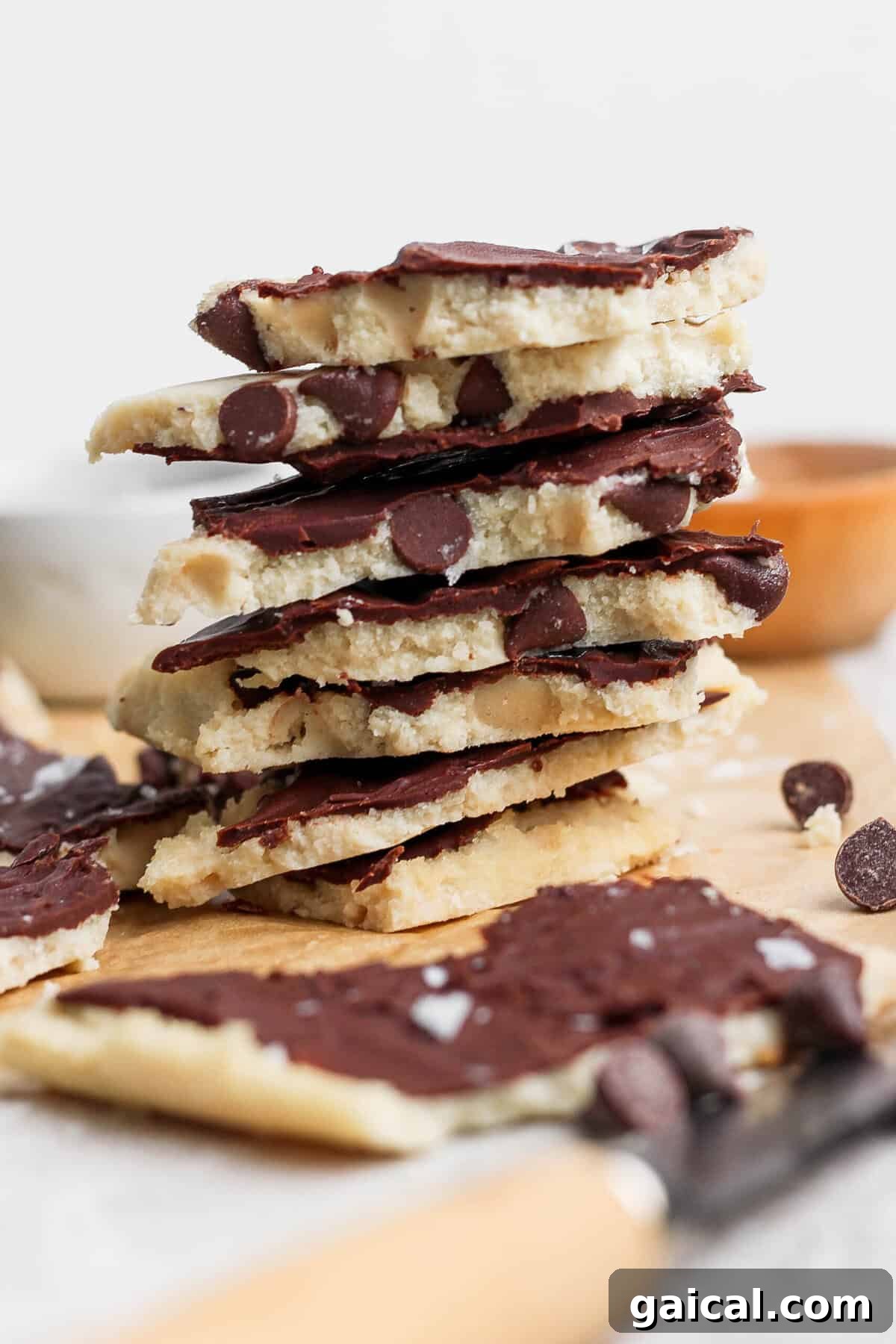
- Bark pieces: Frozen slabs with a chocolate shell for a portable snack.
- On rice cakes: Spread a layer for a filling, high-protein snack.
- Cookie dough balls: Roll into tablespoon-sized balls, freeze, and store for grab-and-go bites.
- With fruit: Use apple slices, strawberries, or banana for dipping.
- Topping: Crumble over yogurt or ice cream for a cookie-dough style garnish with added protein.
Variations and Swaps
- Sweeteners: Honey is a fine substitute for maple syrup. For lower sugar, use a sugar-free maple substitute.
- Flour alternatives: Oat flour can replace almond flour for a nut-free option (use about 3/4 cup oat flour per 1 cup almond flour due to density). Coconut flour absorbs more liquid — use roughly 1/3 cup if substituting.
- Mix-ins: White chocolate chips, peanut butter chips, cacao nibs, chopped nuts, or crushed cookies all work.
- Flavor options: Try almond extract in place of vanilla, add cocoa powder for a chocolate version, or stir in a tablespoon of peanut butter for peanut-butter cookie dough.
- Extra protein (optional): If desired, add one scoop of vanilla protein powder and increase maple syrup by 1 tablespoon to balance dryness.
Storage
- Fridge (scoopable): Store in an airtight container for up to 5 days. Stir briefly before serving if it firms up in the cold.
- Freezer (bark): Store bark pieces in a single layer or with parchment between layers in an airtight container or freezer bag for up to 2 months.
- Freezer (scoopable balls): Freeze tablespoon-sized balls on a lined sheet, then transfer to a bag. Enjoy straight from the freezer — no thaw needed.
FAQ
No. When blended until completely smooth, the cottage cheese disappears into the base and you taste vanilla, maple, and chocolate instead of curds. Its role is creaminess and protein rather than a distinct cottage cheese flavor.
Yes. This recipe is intentionally protein-powder-free; the cottage cheese supplies protein and almond flour provides structure.
Most often it’s due to excess liquid in the cottage cheese. Drain briefly before blending, or add 1–2 tablespoons more almond flour to thicken the mixture. Using higher-fat cottage cheese also helps.
Scoopable dough keeps up to 5 days in an airtight container. Bark keeps up to 2 months in the freezer.
Yes. Commercial almond flour is processed and safe to eat without baking. This recipe contains no raw eggs or raw wheat flour, so it’s intended to be eaten as-is.
Cottage Cheese Cookie Dough
This cottage cheese cookie dough is creamy, sweet, and packed with protein. Blended cottage cheese becomes a smooth base combined with almond flour, maple syrup, vanilla, and chocolate chips. Eat it chilled by the spoonful or press into bark and freeze for an easy snack. Five ingredients, no baking, ready in 15 minutes.
Ingredients
Cookie Dough
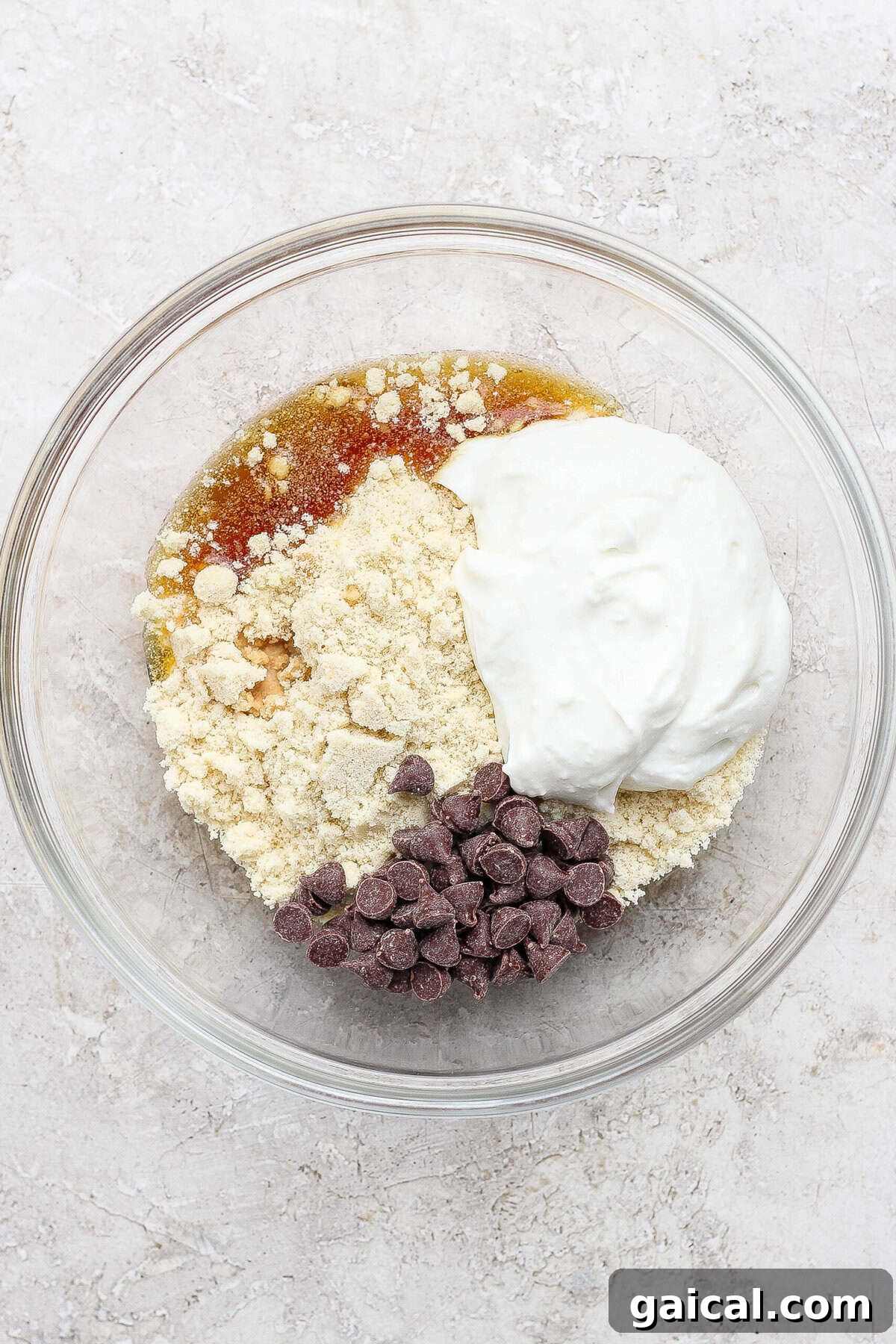
- 1/2 cup cottage cheese, blended until smooth
- 1 cup fine-ground almond flour
- 2 tablespoons maple syrup
- 1 teaspoon vanilla extract
- 1/4 cup chocolate chips
Chocolate Topping (for bark)
- 2 tablespoons chocolate chips
- 1/2 teaspoon coconut oil
Instructions
- Add the cottage cheese to a blender or food processor and blend for 60–90 seconds until completely smooth with no visible curds.
- Transfer the blended cottage cheese to a mixing bowl. Add the almond flour, maple syrup, and vanilla. Stir until a thick dough forms.
- Fold in 1/4 cup chocolate chips until evenly distributed.
- For scoopable dough: transfer to an airtight container and refrigerate 15–20 minutes to firm up. Serve chilled.
- For bark: line a baking sheet with parchment. Spread the dough on the sheet, place another parchment on top, and roll to about 1/2-inch thickness. Freeze 5 minutes.
- While the dough chills, melt 2 tablespoons chocolate chips with 1/2 teaspoon coconut oil until smooth. Remove the sheet from the freezer and spread the melted chocolate over the dough.
- Return to the freezer for 10 minutes or until the chocolate has set. Break or cut into pieces and store in the freezer.
Tips & Notes
Sweetener swap: Honey can replace maple syrup. Flavor: Use almond extract for an almond variation or add a tablespoon of cocoa for a chocolate base. Protein powder: Optional — add one scoop of vanilla protein powder with the almond flour and increase maple syrup by 1 tablespoon if needed. Storage: Scoopable dough keeps in the fridge up to 5 days; bark keeps in the freezer up to 2 months.
Nutrition (approx.)
Calories: 208 kcal, Carbohydrates: 17 g, Protein: 6 g, Fat: 14 g, Fiber: 2 g, Sugar: 12 g. Nutrition values are approximate.