

Mastering the Flax Egg: Your Ultimate Guide to Egg-Free Baking Success
Embarking on an egg-free baking journey, whether driven by dietary choices, allergies, or a desire for more plant-based options, opens up a world of culinary innovation. Among the myriad of egg substitutes, the humble flax egg stands out as a versatile, effective, and nutritious powerhouse. This comprehensive guide will demystify the flax egg, offering you a step-by-step tutorial, expert tips, and a deeper understanding of why this simple two-ingredient wonder is indispensable for achieving perfectly moist and cohesive baked goods every time. Get ready to transform your recipes and embrace the ease of egg-free baking!
What is a Flax Egg and How Does It Work in Baking?
At its core, a flax egg is a simple mixture of ground flaxseeds (often referred to as flaxseed meal) and water. When these two ingredients combine, the ground flaxseed absorbs the liquid and rapidly forms a thick, gelatinous, and slightly sticky consistency that remarkably mimics the texture of a raw egg. This natural gelling phenomenon is attributed to the high concentration of mucilage within flaxseeds – a soluble fiber that swells significantly in water, creating a powerful binding agent.
In baking, the flax egg primarily fulfills two critical roles that traditional eggs usually perform: binding ingredients together and providing essential moisture. This makes it an invaluable substitute in a wide array of recipes where cohesiveness and a tender crumb are desired, allowing for successful vegan and egg-free versions of your favorite muffins, cookies, quick breads, and more.
Is Flax a Good Egg Substitute for Baking? Absolutely!
Yes, flax eggs are an excellent and highly recommended egg substitute, especially for those adhering to a vegan lifestyle, managing egg allergies, or simply exploring healthier baking alternatives. Their effectiveness lies in their ability to replicate the binding and moisturizing properties of eggs without altering the flavor profile of your baked goods significantly. Unlike some other plant-based substitutes that can impart distinct flavors (like mashed bananas or applesauce), flax eggs are largely neutral, allowing the true essence of your recipe to shine through.
However, it’s important to understand their limitations. While perfect for binding and moisture, flax eggs do not possess the leavening capabilities that eggs provide. Therefore, for recipes heavily dependent on eggs for rise, structure, or aeration – such as meringues, soufflés, or very light, airy cakes – a flax egg alone may not yield the desired result. In such specialized cases, you might need to incorporate additional leavening agents or consider other specific commercial egg replacers designed for lift and structure.
The Nutritional and Practical Benefits of Using Flax Eggs
Opting for flax eggs in your baking brings a host of advantages beyond simply replacing eggs. They contribute positively to both the nutritional value of your food and the practicality of your kitchen:
- Rich in Nutrients: Flaxseeds are celebrated as a superfood, packed with beneficial nutrients. They are an exceptional plant-based source of Alpha-Linolenic Acid (ALA), a vital omega-3 fatty acid known for supporting heart health and reducing inflammation.
- High in Dietary Fiber: A significant source of both soluble and insoluble fiber, flaxseeds aid in digestive health, promote satiety, and can help stabilize blood sugar levels.
- Antioxidant Power: Flaxseeds contain lignans, which are powerful antioxidants and phytoestrogens, contributing to overall well-being.
- Economical and Accessible: Made from just flaxseeds and water, this substitute is incredibly cost-effective compared to many specialty egg replacers found in stores. Flaxseeds are also widely available at most grocery stores.
- Allergy-Friendly: An indispensable solution for individuals with egg allergies, sensitivities, or dietary restrictions, enabling them to safely enjoy a broader range of baked treats.
- Effortless Preparation: The process is remarkably simple, requiring minimal equipment and just a few minutes of active preparation time, followed by a short resting period.
- Neutral Taste Profile: Unlike fruit purees, flax eggs maintain a neutral flavor, ensuring they don’t overpower or alter the intended taste of your dishes.
Achieving Perfection: Flax Egg Pro Tips and Tricks
While the concept of making a flax egg is straightforward, mastering its consistency and effectiveness can significantly enhance your baking results. Here are essential tips to ensure your flax eggs are always perfect:
- Grind Flaxseeds Finely and Freshly: This is the cornerstone of a successful flax egg. Whole flaxseeds will not absorb water adequately. You need a super fine, flour-like flaxseed meal for optimal gelling. A high-speed blender, a food processor, or a dedicated coffee grinder are ideal tools for this. Grinding them just before use ensures maximum freshness and potency.
- The Optimal Ratio is Key: Always adhere to the golden ratio: 1 tablespoon of flaxseed meal to 3 tablespoons of warm water for each egg you wish to replace. Deviating from this can result in a flax egg that is too thin (lacking binding power) or too thick (making your baked goods dense).
- Utilize Warm Water: Warm water is preferred over cold water because it helps to expedite the activation of the mucilage in the flaxseed meal, promoting faster and more efficient gel formation. This reduces the waiting time and ensures a consistently thick mixture.
- Patience During the Setting Process: Once whisked, allow the mixture to sit undisturbed for a minimum of 15 minutes. This crucial resting period is when the flaxseed fully absorbs the water and develops its characteristic gelatinous texture. Don’t be tempted to use it sooner; a fully set flax egg is vital for effective binding.
- Whisk Thoroughly to Prevent Clumps: When initially combining the flaxseed meal and water, whisk vigorously with a fork or small whisk. This ensures that all the flaxseed meal is evenly hydrated, preventing any dry pockets that could hinder proper gelling.
- Consider Using Pre-Ground Meal Wisely: If you opt for store-bought pre-ground flaxseed meal, ensure it’s fresh. Due to the exposed oils, pre-ground flaxseed can go rancid faster than whole seeds. Always store it in an airtight container in the refrigerator or freezer.
How to Make a Flax Egg: A Simple Step-by-Step Guide
Creating a perfect flax egg is incredibly easy and quick, making it an accessible substitute for any home baker. Follow these straightforward steps to prepare your own batch, ensuring you’re ready for any egg-free baking challenge.
Step 1: Prepare Your Flaxseed Meal
If you’re starting with whole flaxseeds, measure out 1 cup and place them into a small, high-speed food processor, a powerful blender, or a very clean coffee grinder. Process on high speed for approximately 30-40 seconds, or until the seeds are ground into a fine, flour-like meal. The finer the grind, the better your flax egg will gel. If using pre-ground flaxseed meal, you can skip this grinding step.
Step 2: Combine Flaxseed Meal with Warm Water
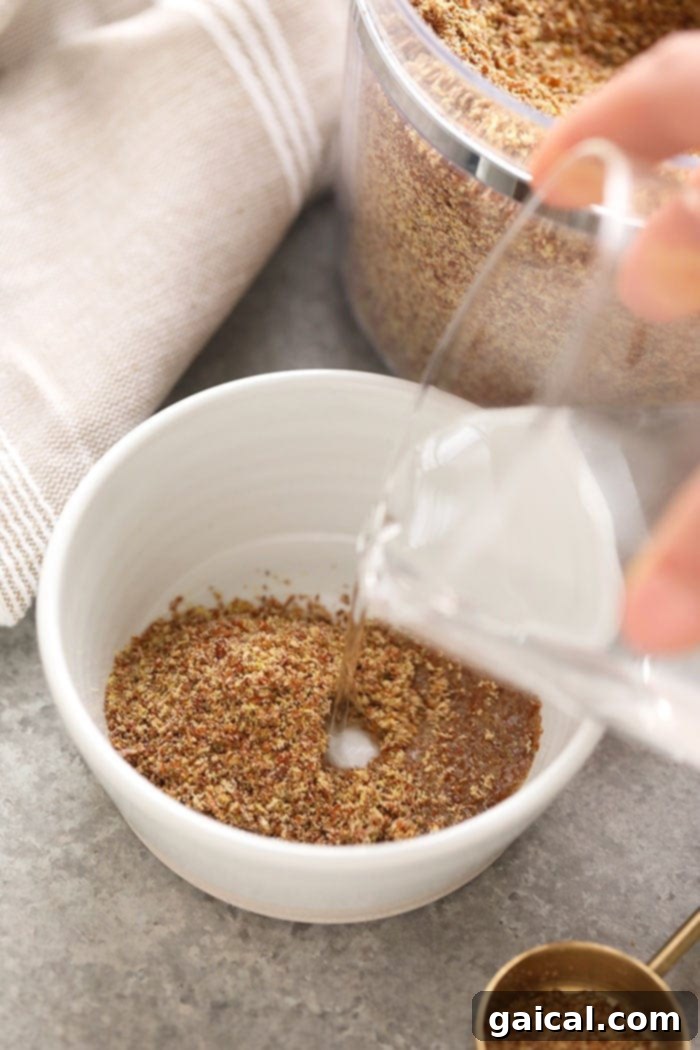
In a small bowl, measure out 1 tablespoon of the freshly ground flaxseed meal. Add 3 tablespoons of warm water to the flaxseed meal. This precise 1:3 ratio is crucial for mimicking the consistency of one standard chicken egg. If your recipe requires more than one egg, simply multiply these quantities within the same bowl (e.g., for two eggs, use 2 tablespoons of flaxseed meal and 6 tablespoons of warm water).
Step 3: Whisk and Allow to Gel
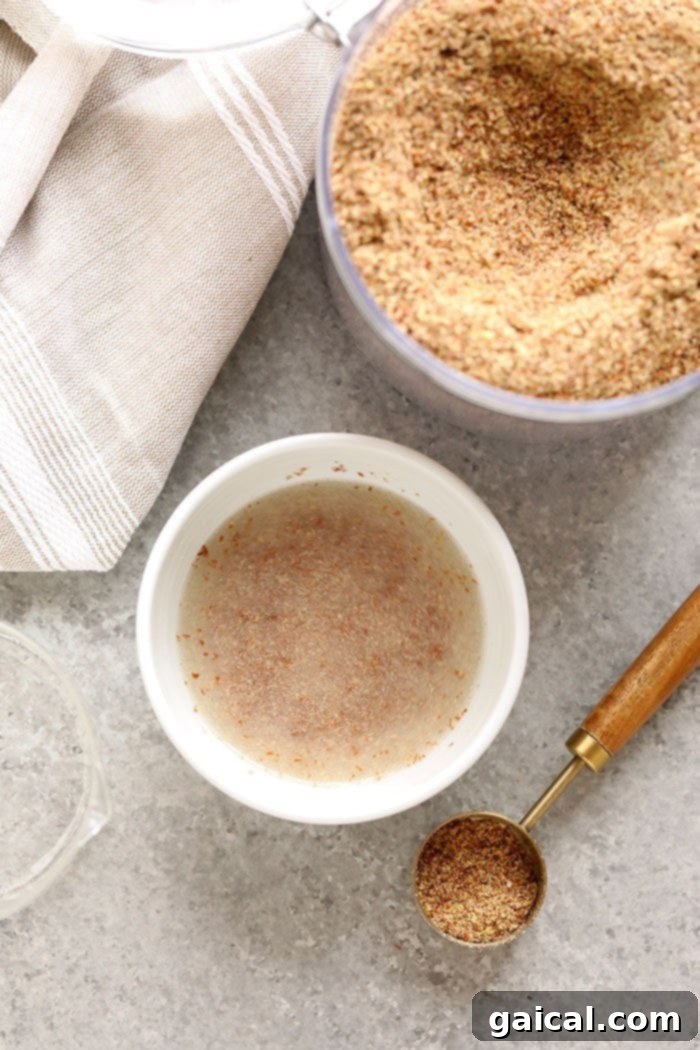
Using a fork or a small whisk, thoroughly combine the flaxseed meal and warm water until no dry clumps of flaxseed remain. Once mixed, let the bowl sit undisturbed on your countertop for at least 15 minutes. During this time, the mixture will thicken significantly and develop a gelatinous, slightly sticky texture, similar to a beaten egg white. This gelling process is vital for its binding properties in baking.
Step 4: Properly Store Leftover Flaxseed Meal
If you ground a larger quantity of flaxseeds than you immediately needed, it’s important to store the remaining flaxseed meal correctly to preserve its freshness and nutritional integrity. Transfer the leftover meal into an airtight container or a mason jar. Store it in the refrigerator for up to several weeks or in the freezer for up to six months to prevent the delicate oils from going rancid.
Step 5: Integrate Your Flax Egg into Recipes
Once your flax egg has fully gelled and achieved the desired thick consistency, it’s ready for use! Incorporate it into your recipe just as you would a regular egg during the wet ingredient mixing stage. Flax eggs are particularly excellent in dishes like baked oatmeal, pancakes, muffins, cookies, and quick breads. For the best initial results, consider using recipes specifically designed for vegan baking or those that explicitly call for flax eggs.

When to Choose a Flax Egg and When to Explore Alternatives
Understanding the strengths and limitations of a flax egg is crucial for consistent baking success. While incredibly versatile, it’s not a one-size-fits-all solution for every recipe:
Flax Eggs Excel In:
- Binding-Heavy Recipes: Perfect for holding ingredients together in cookies, muffins, quick breads (like banana bread or zucchini bread), brownies, pancakes, waffles, and even savory items like veggie burgers or meatless meatloaf.
- Moisture-Rich Baked Goods: They add crucial moisture, contributing to a tender and moist crumb, particularly in dense or chewy recipes.
- Dough and Batter Cohesion: Great for ensuring batters and doughs come together smoothly and don’t crumble.
Consider Other Replacements For:
- Leavening and Structure: Flax eggs do not provide significant leavening or structure, which are vital for airy creations like soufflés, meringues, or very light sponge cakes. For these, consider aquafaba (chickpea brine), commercial vegan egg replacers designed for aeration, or a combination of baking soda and vinegar.
- Standalone Egg Dishes: Flax eggs cannot be scrambled, fried, or used in omelets. Their gelling properties are specifically for binding within a larger mixture.
- Delicate Pastries: In extremely delicate pastries where a specific texture or crispness from eggs is paramount, the slightly denser nature of flax eggs might alter the outcome.
For recipes where a flax egg isn’t the ideal choice, other common plant-based egg substitutes include mashed bananas or applesauce (for moisture and binding, but can add sweetness/flavor), pureed silken tofu (for richness and binding), or store-bought powdered egg replacers.
Troubleshooting Common Flax Egg Challenges
Even with simple ingredients, baking can sometimes present unexpected hurdles. Here’s how to troubleshoot common issues you might encounter when using flax eggs:
- My Flax Egg Isn’t Gelling/Is Too Runny:
- Check the grind: Is your flaxseed finely ground? Coarsely ground flax won’t absorb water effectively.
- Verify the ratio: Did you use 1 tablespoon of flaxseed meal to 3 tablespoons of water? Too much water or not enough flaxseed meal will result in a thin mixture.
- Allow sufficient time: Patience is key. Ensure it sits for the full 15 minutes, or even longer in a cooler environment.
- Freshness matters: Old flaxseed meal can lose its gelling properties. Check its expiration date and smell (it should smell nutty, not bitter or stale).
- My Baked Goods Are Crumbly or Falling Apart:
- Recipe suitability: Re-evaluate if the recipe is appropriate for a flax egg, especially if it’s very light and airy.
- Insufficient binding: Did you use enough flax egg for the recipe’s requirements? Ensure the 1:3 ratio was followed precisely.
- Overmixing: Paradoxically, overmixing batter can sometimes lead to a tough crumb that crumbles easily. Mix until just combined.
- My Baked Goods Are Gummy or Too Dense:
- Too much flax egg: Using an excessive amount of flax egg can lead to a slightly gummy or overly dense texture. Stick to the recommended replacement ratio.
- Over-thick flax egg: Ensure your flax egg isn’t excessively thick. It should be gelatinous but still manageable to mix into batter.
- Recipe balance: Sometimes, the original recipe might not be perfectly balanced for egg-free adaptation. Ensure there are adequate leavening agents if the recipe is meant to be lighter.
Storing Flaxseeds and Flaxseed Meal for Maximum Freshness
Proper storage is paramount for maintaining the nutritional value and effectiveness of flaxseeds, especially after grinding. Flaxseeds contain delicate omega-3 fatty acids that are prone to oxidation when exposed to air, light, and heat, leading to rancidity.
- Whole Flaxseeds: Store whole flaxseeds in an airtight container in a cool, dark pantry for up to 1-2 years. Grinding them as needed is the best practice for optimal freshness and nutrient retention.
- Flaxseed Meal (Ground Flaxseed): Once flaxseeds are ground, their beneficial oils are more exposed to oxygen, accelerating spoilage. To extend their shelf life:
- Transfer the flaxseed meal to an airtight container and store it in the refrigerator for up to 6 months.
- For even longer preservation, store it in the freezer for up to 1 year.
Always perform a quick smell test before using flaxseed meal. If it has a bitter, fishy, or stale paint-like odor, it has likely gone rancid and should be discarded to avoid imparting an unpleasant taste to your baked goods.
Delicious Recipes Perfectly Suited for Flax Eggs
Now that you’re well-versed in the art of making flax eggs, it’s time to unleash their potential in your kitchen! Flax eggs are incredibly adaptable and work wonderfully in recipes where their binding and moisturizing properties are crucial. Here are some fantastic examples of recipes where you can confidently swap in flax eggs for traditional ones, guaranteeing delightful and consistent results:
- Lemon Blueberry Baked Oatmeal: A flax egg ensures this comforting breakfast dish holds together beautifully, creating a cohesive and satisfying texture.
- Healthy Vegan Monster Cookies: The perfect binder for these chewy, wholesome cookies, preventing them from crumbling and maintaining their classic texture.
- Chocolate Chocolate Chip Banana Bread: A flax egg contributes to the rich moisture and tender crumb of this beloved quick bread, making every slice irresistibly delicious.
- Whole Wheat Vegan Yogurt Pancakes: Helps create light yet sturdy pancakes that cook up perfectly on the griddle, ideal for a wholesome breakfast.
- Muffins of All Kinds: Whether you’re making apple cinnamon, blueberry, or chocolate chip muffins, flax eggs provide the essential binding and moisture for a tender, fluffy result.
- Fudgy Brownies: Achieve that classic dense, fudgy brownie texture without the need for any animal products.
- Veggie Burgers & Fritters: Flax eggs are indispensable for binding together the various ingredients in homemade veggie patties and fritters, ensuring they don’t fall apart during cooking.
Feel free to experiment with your own favorite family recipes, especially those that typically call for one or two eggs. You might be pleasantly surprised by how easily and deliciously they adapt to this plant-based alternative!
How to Make a Flax Egg
This simple, two-ingredient flax egg recipe is your perfect solution for vegan and egg-free baking, delivering excellent binding and moisture without compromising taste.
By: Emily Richter
Prep Time: 15 mins
Cook Time: 0 mins
Total Time: 15 mins
Servings: 1 flax egg (equivalent to 1 chicken egg)

Ingredients
- 1 cup whole flaxseed (optional, if grinding your own meal)
- For 1 Flax Egg:
- 1 tablespoon flaxseed meal (finely ground flaxseeds)
- 3 tablespoons warm water
Instructions
- Grind Flaxseeds (Optional): If starting with whole flaxseeds, place 1 cup into a small food processor or a clean coffee grinder. Grind on high until it turns into fine flaxseed meal (about 30-40 seconds).
- Combine Ingredients: Scoop 1 tablespoon of flaxseed meal into a small bowl. Add 3 tablespoons of warm water to the flax meal.
- Whisk and Rest: Whisk the mixture together thoroughly with a fork. Let it sit for at least 15 minutes, or until it becomes gelatinous and thick in consistency, resembling a raw egg white.
- Store Leftover Meal: Place any unused flaxseed meal into an airtight container or mason jar and store in the refrigerator (or freezer) for future use.
- Use in Baking: Once the flax egg is ready, incorporate it into your favorite egg-free recipes, such as oatmeal bakes or pancake batters.
Watch It
For a visual step-by-step demonstration on how to make a flax egg, watch this helpful tutorial video:
Click here to watch the Flax Egg tutorial video
Nutrition (per 1 flax egg serving)
Calories: 30 kcal
Carbohydrates: 2 g
Protein: 1 g
Fat: 3 g
Fiber: 2 g
Sugar: 0 g
Nutrition information is automatically calculated and should only be used as an approximation. Values may vary based on exact ingredients and preparation.
Conclusion: Embrace the Power of the Flax Egg in Your Kitchen
The flax egg is far more than just a simple substitute; it’s a testament to the incredible versatility of plant-based ingredients and an essential tool for anyone venturing into egg-free baking. With its effortless preparation, impressive nutritional profile, and reliable binding properties, it unlocks a world of possibilities for creating delicious, wholesome, and allergy-friendly treats. By applying the insights and step-by-step guidance provided in this article, you are now fully equipped to confidently master the art of the flax egg and seamlessly integrate it into your regular baking repertoire. Happy baking, and enjoy crafting delightful, healthier creations for everyone to savor!
Love this guide? Leave a comment below!
Don’t forget to share your amazing flax egg creations on social media with the hashtag #fitfoodiefinds – we can’t wait to see what you’re baking!