
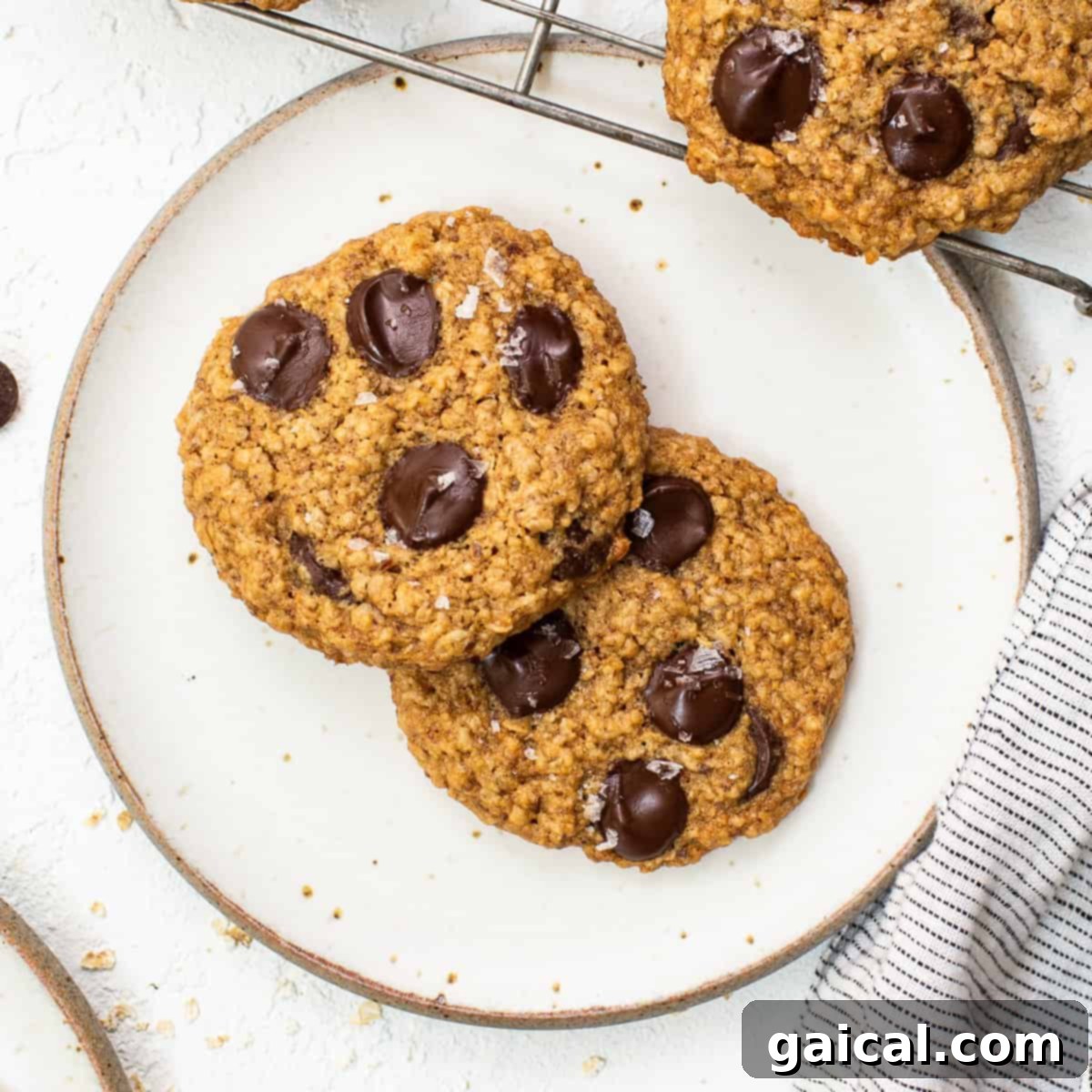
Welcome, nursing mamas! Get ready to discover the most delicious and effective lactation cookies recipe on the internet. These chewy, flavorful treats are packed with powerhouse ingredients specifically chosen to support healthy milk supply and provide vital nutrition during your breastfeeding journey. Say goodbye to bland, dry cookies – our recipe ensures a delightfully satisfying snack that truly works overtime for you!
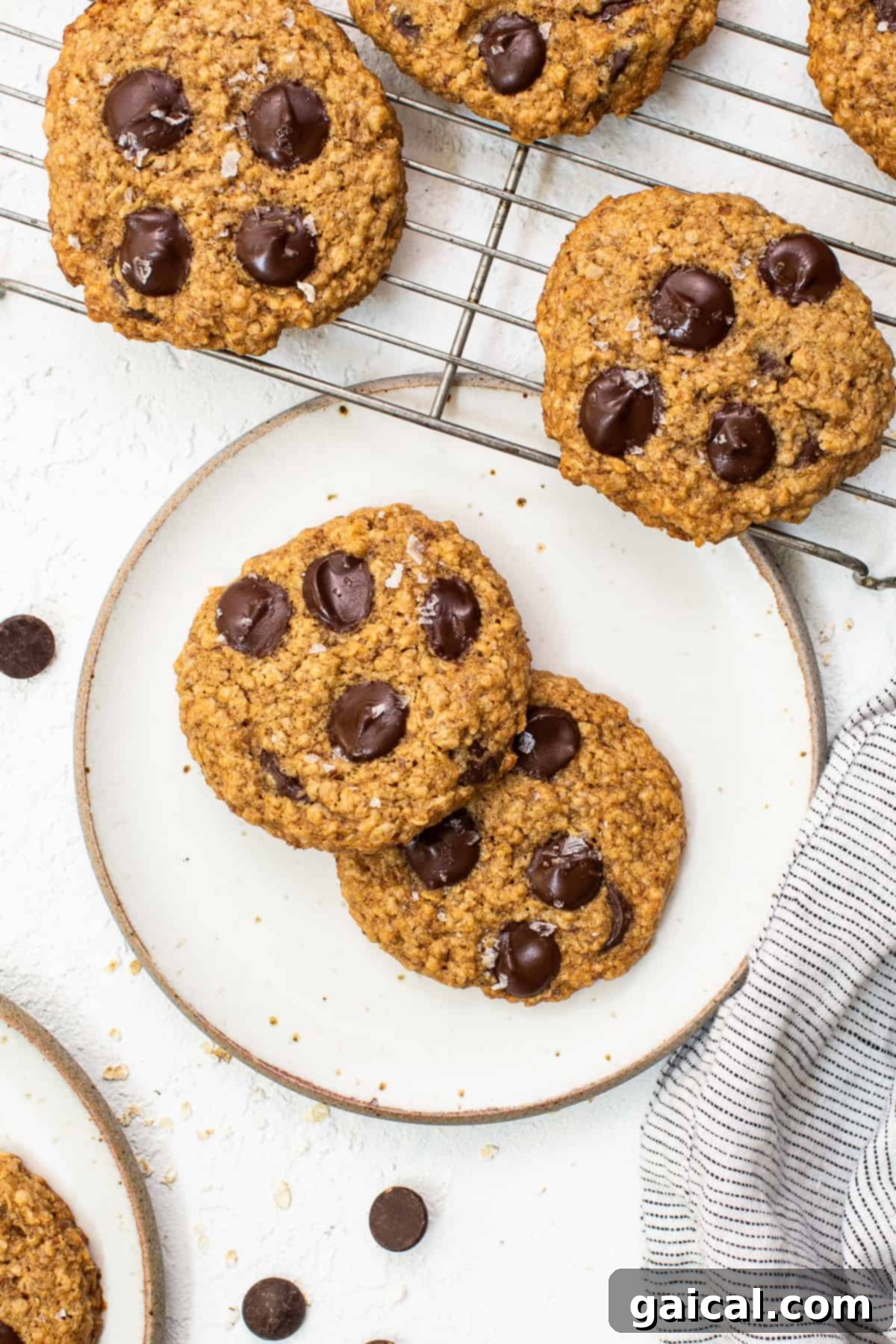
Delicious & Nutrient-Dense Lactation Cookies
Whether you’re exclusively breastfeeding, pumping, combination feeding, or simply looking for a incredibly nutrient-dense cookie, this recipe is crafted with you in mind. We understand the demands of new parenthood, and fueling your body with wholesome, delicious food is paramount. These oatmeal chocolate chip lactation cookies are not just a treat; they’re a convenient and beneficial addition to your daily routine, providing both comfort and nourishment.
What Are Lactation Cookies, and How Do They Work?
Lactation cookies are specially formulated cookies designed to help support and potentially increase breastmilk production. They achieve this by incorporating key ingredients known as galactagogues – substances that are believed to promote lactation. Beyond milk production, these cookies are also packed with essential nutrients to keep a nursing parent’s body properly nourished during a time when energy demands are significantly higher.
The science behind galactagogues is an interesting one. While individual results can vary, certain ingredients have been traditionally and anecdotally associated with supporting milk supply. Our recipe focuses on three of the most popular and studied natural galactagogues:
- Oats: A fantastic source of iron, fiber, and whole grains, oats are often considered a comforting food that helps stabilize blood sugar and provide sustained energy. Many believe their iron content and calming properties contribute to increased milk supply.
- Flaxseed Meal: Rich in omega-3 fatty acids (ALA), fiber, and phytoestrogens, flaxseed meal is a nutritional powerhouse. Phytoestrogens are plant compounds that can mimic the effect of estrogen in the body, which some theories suggest may influence milk production.
- Brewer’s Yeast: This nutritional yeast is a robust source of B vitamins, chromium, selenium, and protein. While the exact mechanism for its lactogenic effects isn’t fully understood, many mothers swear by its ability to boost milk supply, possibly due to its comprehensive nutritional profile supporting overall health.
It’s important to remember that while these ingredients can be supportive, maintaining adequate hydration, a balanced diet, sufficient rest, and regular milk removal are the primary pillars of a healthy milk supply. Always consult with a lactation consultant or healthcare provider for personalized advice on breastfeeding and milk production.
Why You’ll Absolutely Love This Lactation Cookie Recipe
Nutrient-Dense Goodness
These lactation cookies are more than just a sweet treat. They are carefully crafted with nourishing ingredients like brewer’s yeast, flaxseed meal, and oats, providing essential vitamins, minerals, and healthy fats that support not only your milk supply but also your overall well-being as a new mother.
Perfect for Meal Prep & Busy Schedules
New parents often find themselves short on time. This recipe is incredibly convenient for meal prepping! You can easily double, triple, or even quadruple the batch to have a stash of these beneficial cookies ready. Store them in the fridge or freezer, and you’ll always have a nutritious snack on hand during those unpredictable nursing sessions or growth spurts.
Chewy, Flavorful, and Satisfying
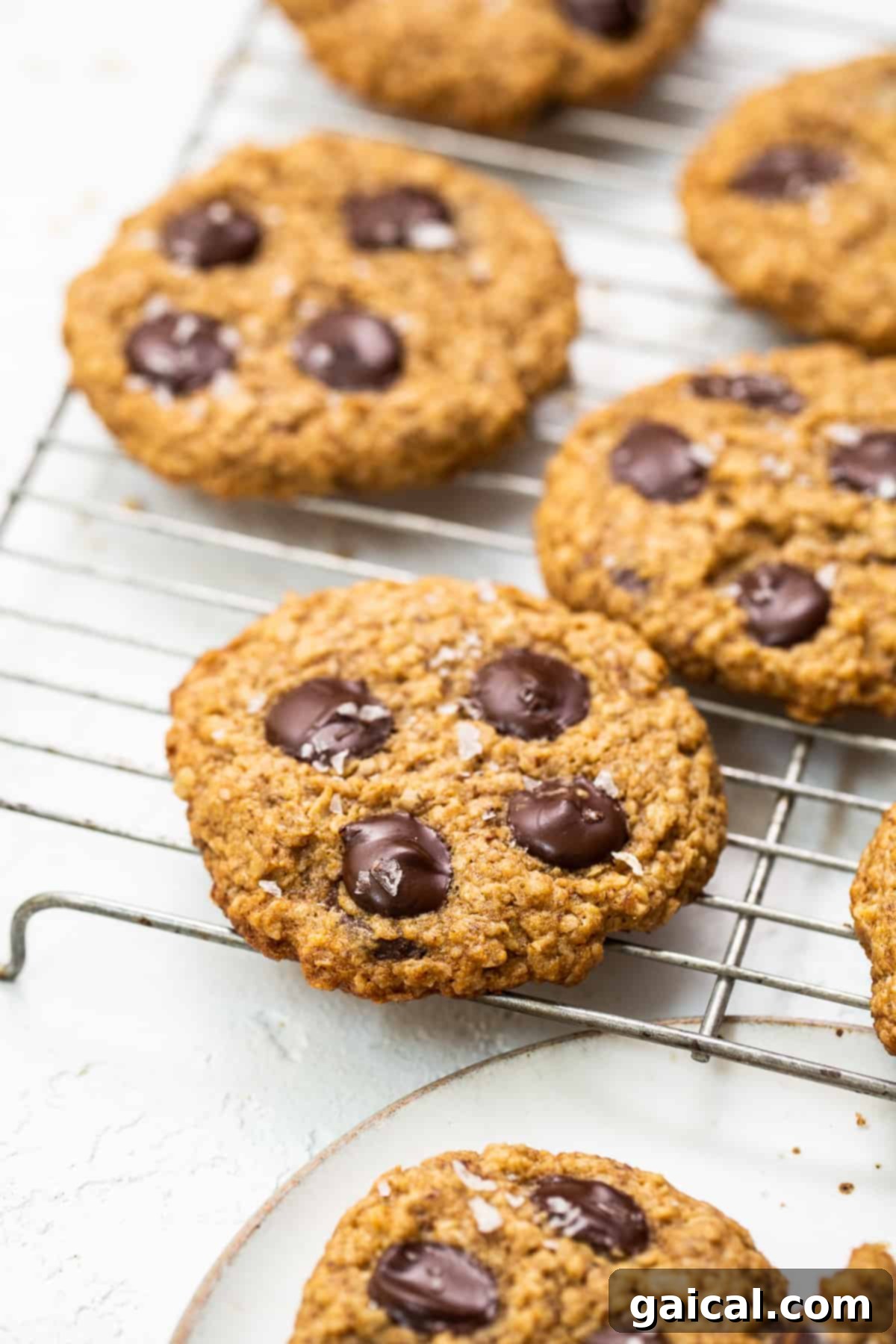
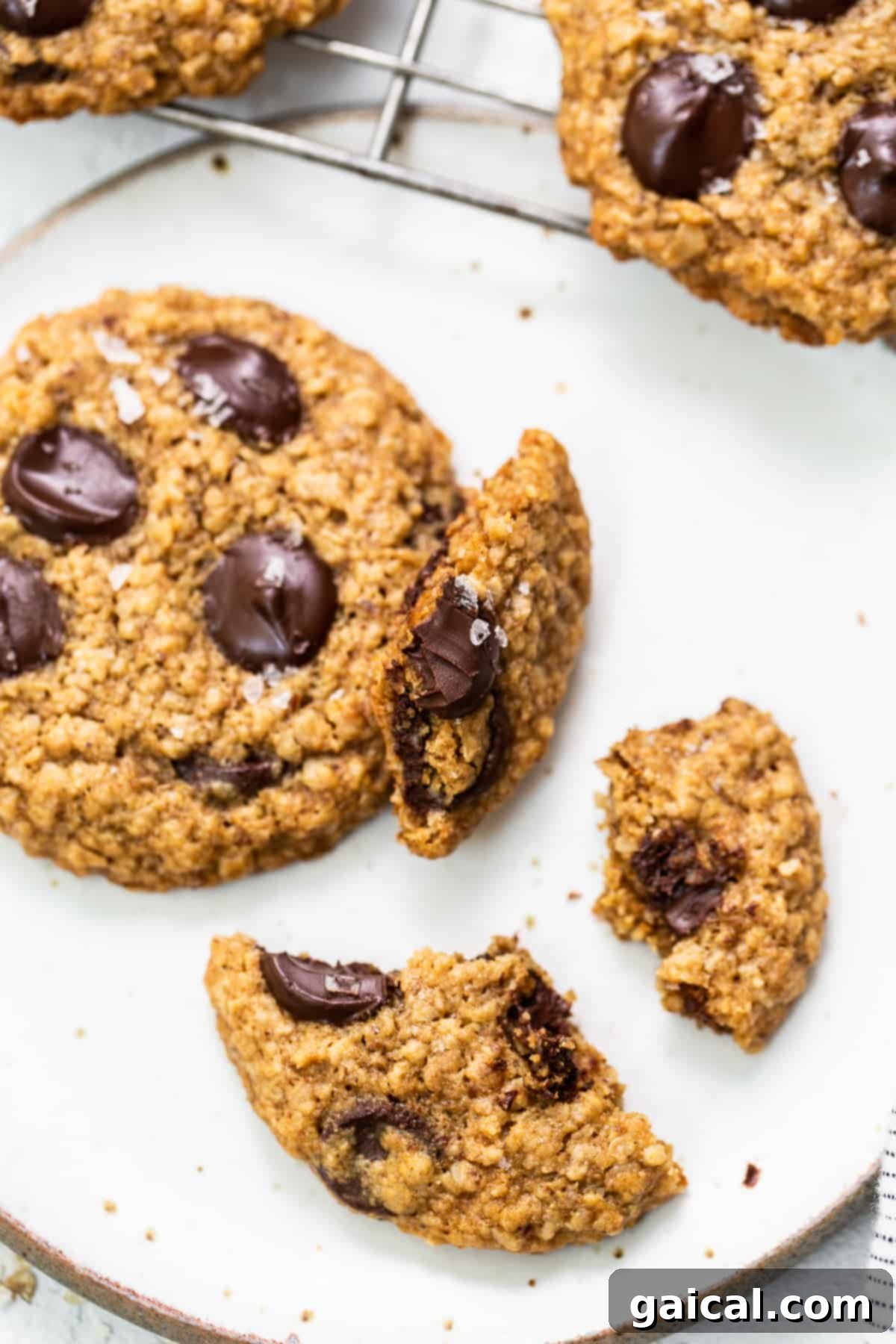
Forget about dry, crumbly, or bland lactation cookies! We’ve meticulously developed this recipe to ensure every bite is delightfully chewy and bursting with flavor. With a perfect blend of sweet and savory notes, these cookies are the ideal pick-me-up to grab when you’re nursing, pumping, or simply need a moment of delicious self-care.
Essential Ingredients for Your Lactation Cookies
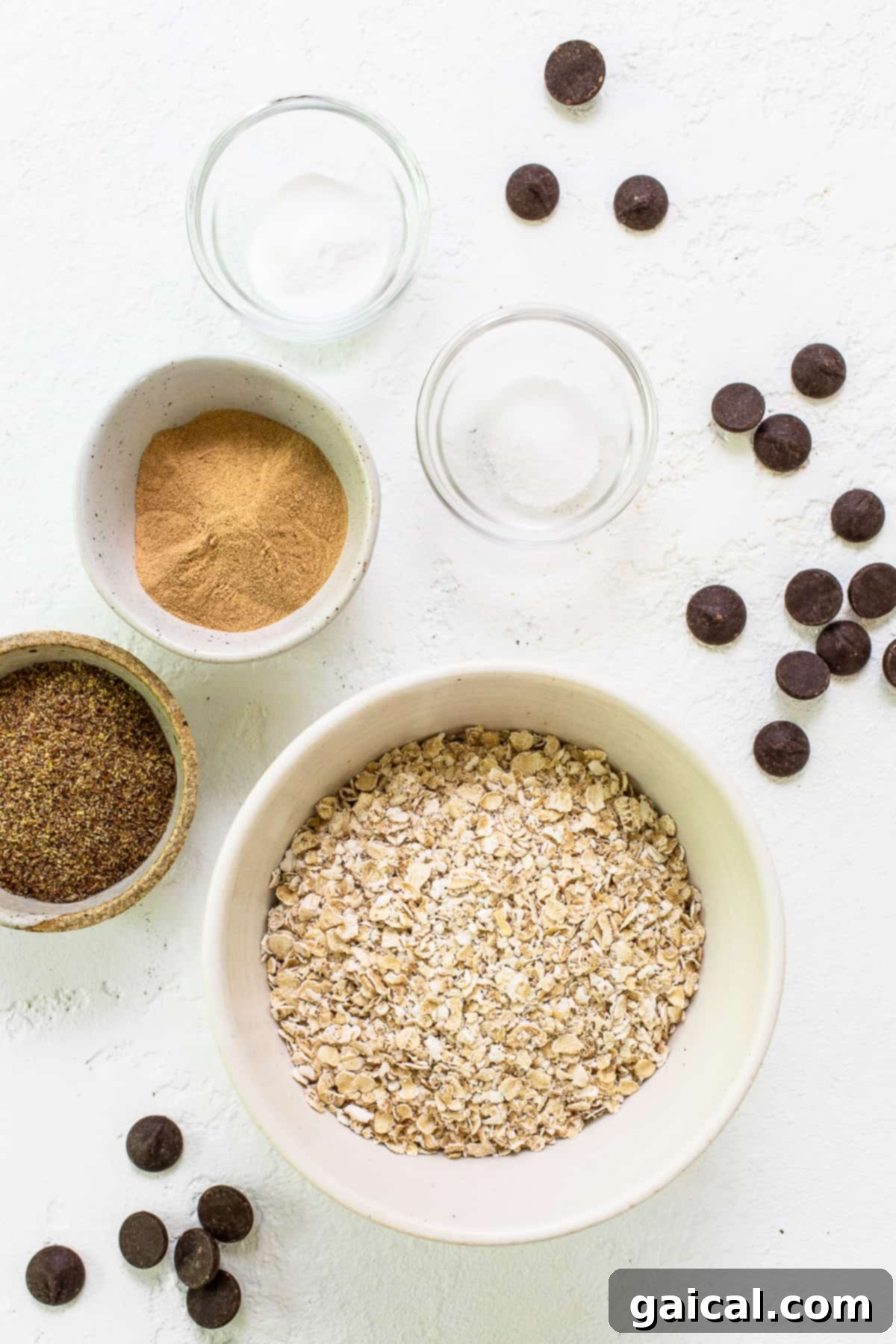
Crafting these amazing lactation cookies requires a blend of standard baking staples and special milk-boosting components. Here’s what you’ll need:
- Quick-cooking oats: Provide texture and galactagogue benefits.
- Flaxseed meal: A crucial galactagogue, adding healthy fats and fiber.
- Brewers yeast: The third key galactagogue for milk production support.
- Light brown sugar: Adds moisture and a rich, caramel-like sweetness.
- Maple syrup: Contributes natural sweetness and helps with binding.
- Vanilla extract: Enhances overall flavor.
- Egg: Acts as a binder and adds richness.
- All-natural peanut butter: Provides healthy fats, protein, and a delicious nutty flavor.
- Unsalted butter: For richness and tenderness in the cookies.
- Dark chocolate chips: The perfect indulgent touch.
- Baking soda: The leavening agent for soft, chewy cookies.
- Sea salt: Balances the sweetness and enhances flavors.
Smart Ingredient Swaps and Customization Tips
We understand that home cooking, especially during the demanding postpartum period, often means using what you have on hand. Don’t hesitate to adapt this recipe to your preferences or dietary needs with these helpful substitution recommendations:
- Nut Butter Alternatives: While creamy, all-natural peanut butter is fantastic, virtually any drippy, natural nut butter will work. Consider using almond butter or cashew butter for a slightly different flavor profile. Just ensure it’s the smooth, runny kind for the best dough consistency.
- Egg-Free Option: This recipe has not been extensively tested without an egg. However, if you’re keen to try a flax egg (1 tablespoon flaxseed meal + 3 tablespoons water, mixed and let sit for 5 minutes), please share your results! It may slightly alter the texture.
- Brown Sugar Substitutes: If light brown sugar isn’t available, other dark granular sugars such as coconut sugar or dark brown sugar can be used. They will impart a similar depth of flavor and moisture.
- Oat Varieties: We’ve tested this recipe with both quick-cooking oats and rolled oats (old-fashioned oats). While we slightly prefer the smoother texture provided by quick-cooking oats, rolled oats also work beautifully and will give your cookies a chewier, heartier bite. For gluten-free needs, ensure you select certified gluten-free oats.
- Butter Alternatives: Unsalted butter contributes significantly to the delicious richness and tender texture of these cookies. While we haven’t extensively tested other fats, coconut oil could be a dairy-free alternative, though it might subtly change the flavor and texture. For the ultimate indulgence, butter truly makes these cookies exceptional.
- Flavor Boosters: Feel free to experiment with additions like cinnamon, nutmeg, or a pinch of ground ginger for extra warmth. Dried fruits like raisins or cranberries, or chopped nuts, can also be folded into the dough for added texture and nutrients.
How to Effortlessly Bake Your Lactation Cookies
Making these lactation cookies is a straightforward process, designed to be easy even on your busiest days. Follow these simple steps for perfectly chewy and delicious results:
Step 1: Prepare Your Baking Station
Before you begin mixing, preheat your oven to 350ºF (175ºC). Lightly grease or line a baking sheet with parchment paper, then set it aside. This ensures a non-stick surface and easy cleanup.
Step 2: Combine the Wet Ingredients
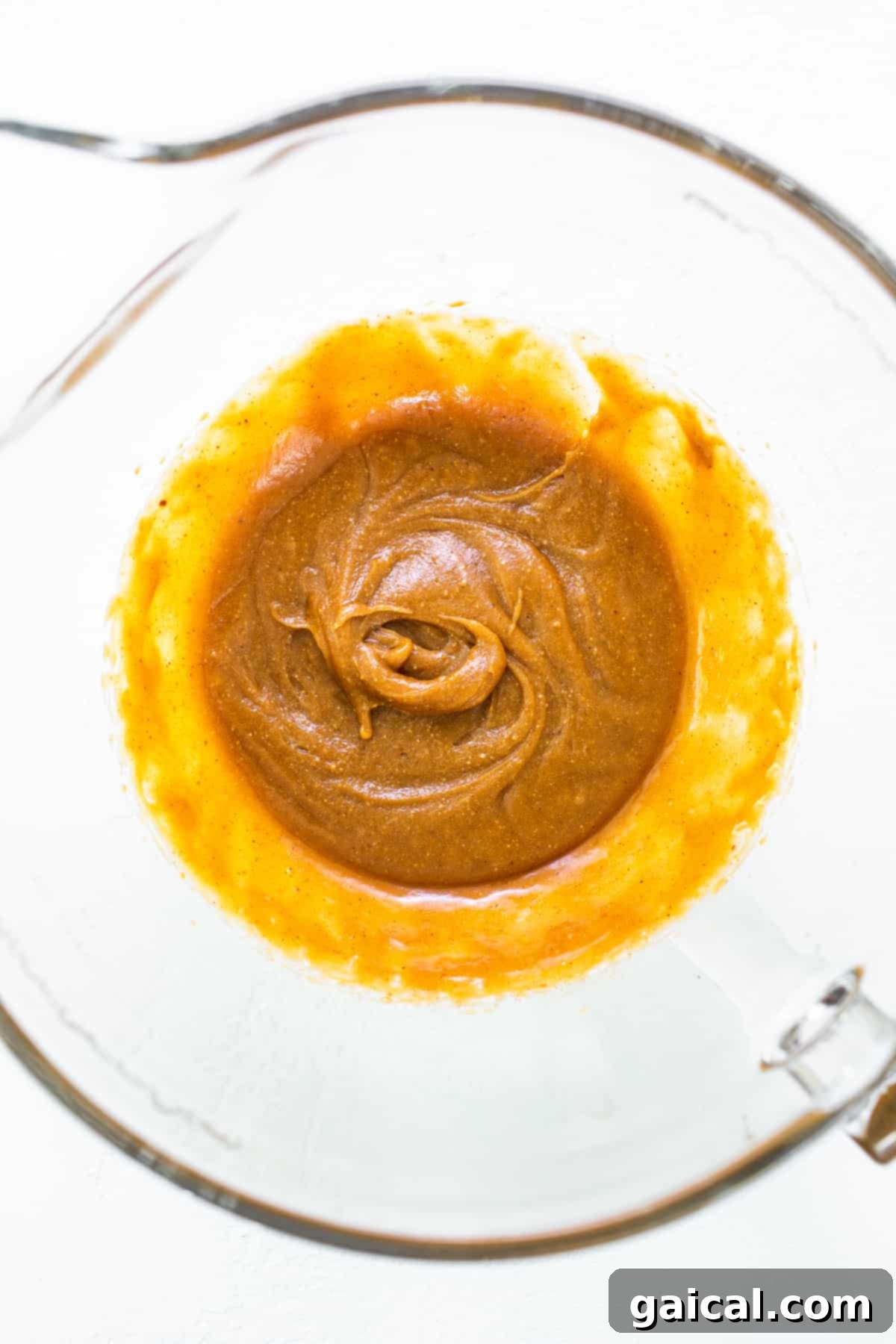
In a large mixing bowl, cream together the melted unsalted butter, light brown sugar, maple syrup, and vanilla extract until the mixture is smooth and well combined. You can use an electric mixer for ease, or a sturdy whisk and a little elbow grease will do the trick. Next, add the large egg and the creamy all-natural peanut butter to the butter mixture, mixing until everything is fully incorporated and smooth.
Step 3: Integrate the Dry Ingredients
To the wet ingredient mixture, add the quick-cooking oats, flaxseed meal, brewer’s yeast, baking soda, and salt. Mix gently until all the dry ingredients are just combined with the wet mixture. Be careful not to overmix! Finally, fold in the dark chocolate chips until they are evenly distributed throughout the dough. The dough should have a consistency similar to standard cookie dough, perhaps a little stickier due to the flax and peanut butter.
Step 4: Form and Prepare for Baking
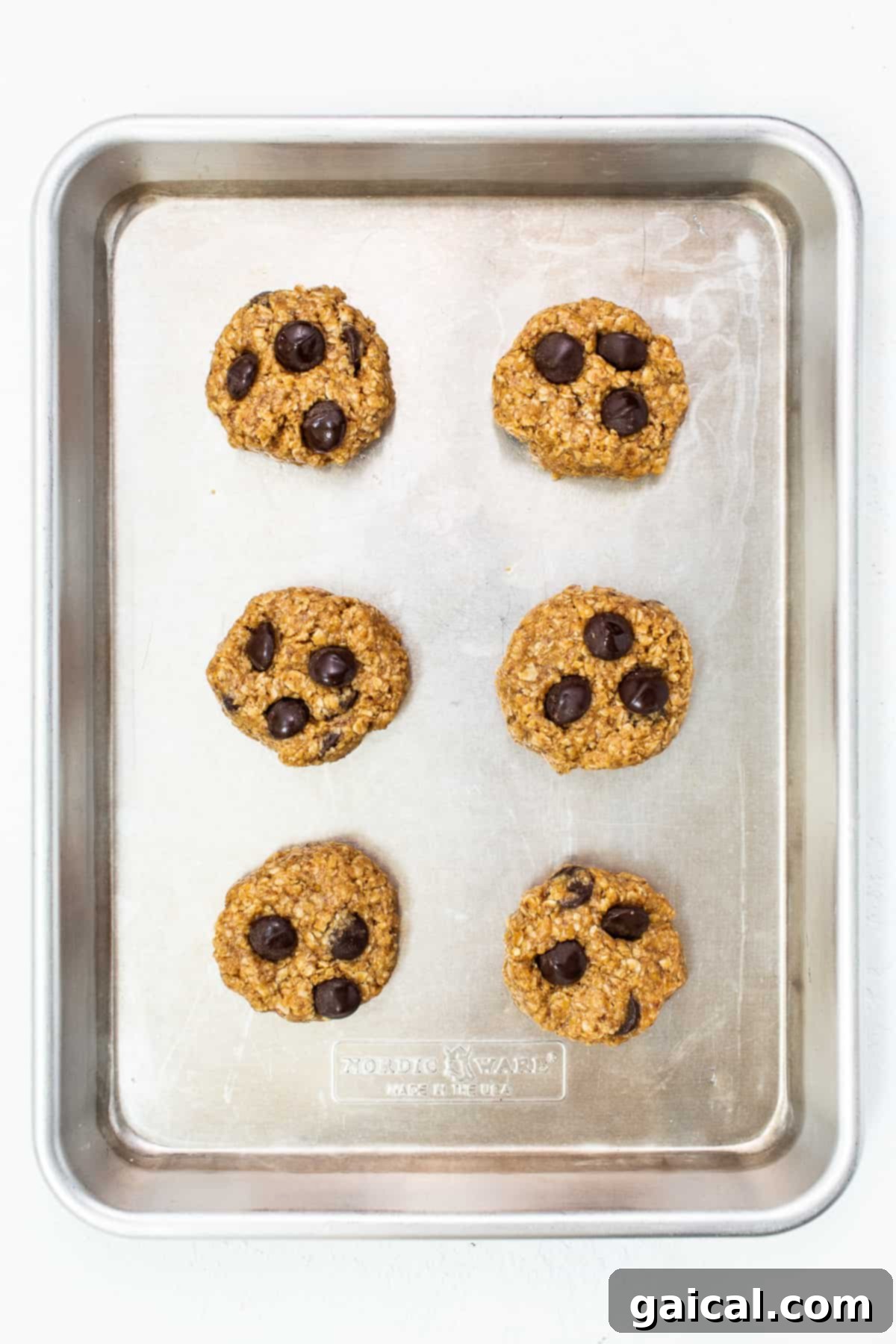
Scoop approximately 2 tablespoons of cookie dough into your hands. Gently roll it into a ball, then place it onto your prepared baking sheet. Lightly press down on each dough ball to flatten it into a cookie shape. Don’t worry if the dough feels a bit wet; this contributes to the final soft and chewy texture. For an extra touch of flavor and visual appeal, sprinkle a little sea salt on top of each cookie before baking. Repeat this process, leaving enough space between cookies, until your baking sheet holds about 6 cookies.
Step 5: Bake to Golden Perfection
Bake the cookies in your preheated oven for 11-14 minutes. Keep an eye on them; they are done when the edges begin to turn a beautiful golden brown. The centers might still look slightly soft, but they will firm up as they cool.
Step 6: Cool and Enjoy
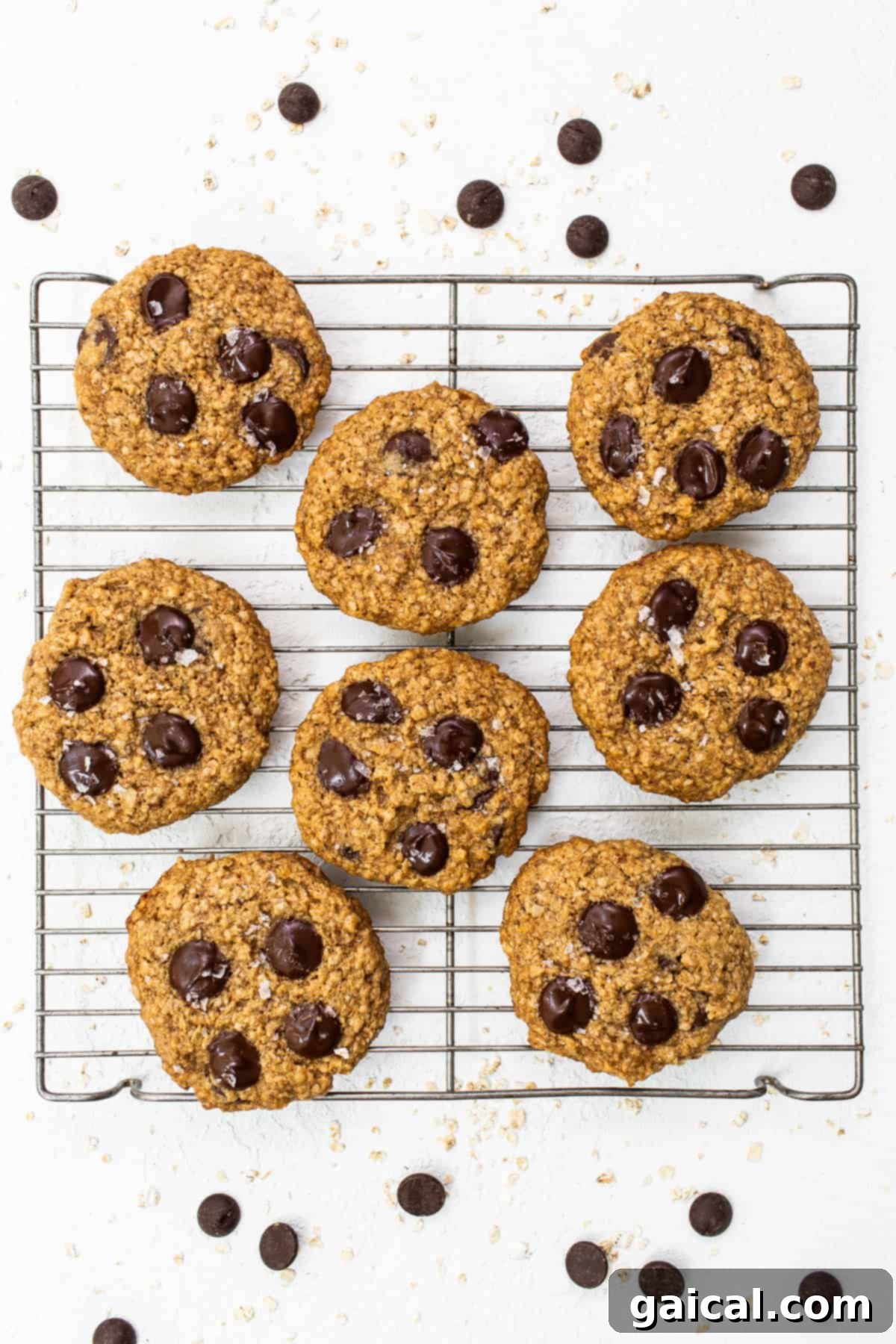
Once baked, remove the cookies from the oven. Let them cool on the baking sheet for a couple of minutes to set slightly. Then, carefully transfer them to a wire rack to continue cooling completely. Allowing them to cool for at least 20 minutes on the rack will help them firm up to the perfect chewy consistency.
Expert Baking Tips for Perfect Lactation Cookies
Achieving the perfect lactation cookie is simple with a few insider tips:
- Tackling Sticky Dough: If you find your cookie dough is too wet or sticky to easily form into balls, don’t fret! Simply cover the bowl and place the dough in the refrigerator for about 30 minutes. This chilling time will help the dough firm up, making it much easier to handle.
- Rolling with Ease: The dough can be quite sticky, so we recommend slightly moistening your hands with water before you start rolling the cookie dough balls. You might need to rinse and re-moisten your hands periodically as you go to prevent excessive sticking.
- Achieving Flat, Chewy Cookies: These cookies will spread only a little during baking. For that classic chewy, disc-like cookie shape, it’s crucial to gently press down on the cookie dough balls before placing them in the oven. If you skip this step, your cookies will likely result in a more dome-shaped, puffed appearance.
- Don’t Overbake: Keep a close watch on your cookies, especially towards the end of the baking time. Overbaking can lead to dry, crumbly cookies. You want them to be just golden at the edges, with a slightly softer center. They will continue to cook slightly and firm up as they cool on the baking sheet and wire rack.
Lactation Cookies: Frequently Asked Questions
What exactly are lactation cookies?
Lactation cookies are baked goods specifically designed to support breastfeeding by incorporating ingredients known as galactagogues. These nutrient-dense components, such as oats, brewer’s yeast, and flaxseed meal, are believed to help increase milk supply and provide essential nutrition for nursing parents whose bodies are working hard to produce breastmilk.
What are the key ingredients that make a cookie a “lactation cookie”?
While various recipes exist, the three most commonly recognized and effective galactagogue ingredients found in lactation cookies are brewer’s yeast, flaxseed meal, and oats. These ingredients are chosen for their unique nutritional profiles that support lactation.
Do lactation cookies truly work to increase milk supply?
Many nursing mothers report a noticeable increase in milk supply after consuming lactation cookies, thanks to the galactagogue ingredients. However, individual results can vary. It’s important to remember that these cookies are best used as a supportive measure alongside proper hydration, frequent nursing or pumping, and a balanced diet. If you have significant concerns about milk supply, always consult with a lactation consultant or healthcare professional.
How many lactation cookies should I eat per day?
There’s no strict rule, but many mothers find that consuming 1-3 cookies per day is effective. Pay attention to your body and milk supply, and adjust as needed. Since they are a nutrient-dense snack, they should be part of a balanced diet.
When is the best time to eat lactation cookies?
You can enjoy lactation cookies at any time of day! Many mothers find them particularly helpful as a mid-morning snack, an afternoon pick-me-up, or even alongside a glass of water during a nighttime feed. The key is consistent consumption if you’re aiming for milk supply support.
Are there any side effects to eating lactation cookies?
For most people, lactation cookies are well-tolerated. However, brewer’s yeast can sometimes cause mild digestive upset (like gas or bloating) in sensitive individuals, especially when first introduced. If you have any allergies or concerns, it’s always best to consult with your doctor.
Can anyone eat lactation cookies, even if they’re not breastfeeding?
Absolutely! Lactation cookies are simply delicious, wholesome cookies packed with beneficial ingredients. Anyone can enjoy them as a nutritious and tasty snack, regardless of whether they are breastfeeding or not. The galactagogue ingredients are generally safe for everyone.
Storing Your Fresh Lactation Cookies
To keep your lactation cookies fresh and delicious, allow them to cool completely after baking. Once cooled, transfer the cookies into an airtight container. Store this container in a cool, dark place at room temperature for up to 5 days. This will maintain their wonderful chewy texture and flavor.
Freezing Instructions for Long-Term Convenience
For busy mothers, having a freezer stash of lactation cookies is a game-changer. Once your cookies have cooled completely, transfer them into a freezer-safe gallon-size bag or an airtight container. Make sure to remove as much air as possible before sealing to prevent freezer burn. These cookies can be frozen for up to 3 months. When you’re ready to enjoy one, simply let it thaw at room temperature for a quick, nourishing snack.
Pro Tip: Consider making a double or triple batch of these lactation cookies! This way, you can easily keep a ready supply in your freezer, ensuring you or any other nursing mama always has a convenient and milk-boosting snack available throughout the entire breastfeeding journey.
More of our Favorite…
Oatmeal Cookie Recipes
- Healthy Oatmeal Chocolate Chip Cookies
- No-Bake Chocolate Oatmeal Cookies
- Iced Oatmeal Cookies
- Oatmeal Raisin Cookies
- Peanut Butter Oatmeal Cookies
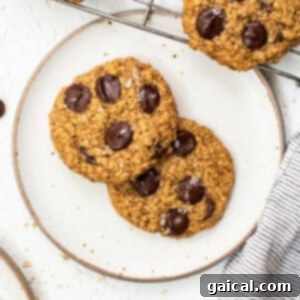
Lactation Cookies Recipe
Say hello to the most delicious lactation cookies on the internet, nursing mamas! These cookies pack lactation supporting ingredients like brewers yeast, flax and oats.
By: Emily Richter
Prep Time: 40 minutes
Cook Time: 14 minutes
Total Time: 54 minutes
Servings: 16 cookies
Ingredients
- 1/4 cup melted unsalted butter
- 1/2 cup light brown sugar, packed
- 2 tablespoons maple syrup
- 1 teaspoon vanilla extract
- 1 large egg
- 1/2 cup creamy, all-natural peanut butter
- 2 cups quick-cooking oats (gluten-free if desired)
- 2 tablespoons flaxseed meal
- 2 tablespoons brewers yeast
- 1 teaspoon baking soda
- 1/2 teaspoon salt
- 1/2 cup dark chocolate chips
- Sea salt, for garnish (optional)
Instructions
- First, preheat the oven to 350ºF (175ºC) and spray a baking sheet with nonstick cooking spray or line with parchment paper. Set aside.
- In a large mixing bowl, cream together the melted butter, brown sugar, maple syrup, and vanilla extract until smooth. Then, add the egg and peanut butter, mixing until fully combined.
- Next, add the oats, flaxseed meal, brewers yeast, baking soda, and salt to the bowl. Mix until just combined. Stir in the chocolate chips. The dough should have a firm, cookie dough consistency.
- Scoop about 2 tablespoons of batter into your hands and form it into a ball. Place it onto the prepared cookie sheet and slightly press down to form a cookie shape. The batter will feel a bit moist, which helps keep them soft and chewy. Sprinkle the tops with sea salt if desired.
- Repeat the process, placing about 6 cookies on each baking sheet, leaving some space between them.
- Bake cookies at 350ºF (175ºC) for 11-14 minutes, or until the edges begin to turn golden brown.
- Remove cookies from the oven and let them cool on the baking sheet for a couple of minutes before transferring them to a wire rack. Allow them to cool for at least 20 minutes to firm up properly.
Tips & Notes
- If your cookie dough feels too wet or sticky to form into balls, place the dough in the fridge for 30 minutes to firm it up.
- To make rolling easier, slightly moisten your hands before shaping the cookie dough. Wash and re-moisten your hands as needed, as the dough can be quite sticky.
- For flat, evenly spread cookies, remember to press the cookie dough balls down slightly before baking. Otherwise, you’ll get more dome-shaped cookies.
Nutrition Information (per serving)
- Calories:
- 173 kcal
- Carbohydrates:
- 18 g
- Protein:
- 5 g
- Fat:
- 10 g
- Fiber:
- 2 g
- Sugar:
- 11 g
Nutrition information is automatically calculated and should be used as an approximation only.
Love this recipe? We’d love to hear from you!
Leave a comment below!
Don’t forget to share your creations on social media with the hashtag #fitfoodiefinds. We can’t wait to see what you’re baking!
Photography: Photos in this post are by Ashley McGlaughlin from The Edible Perspective.