
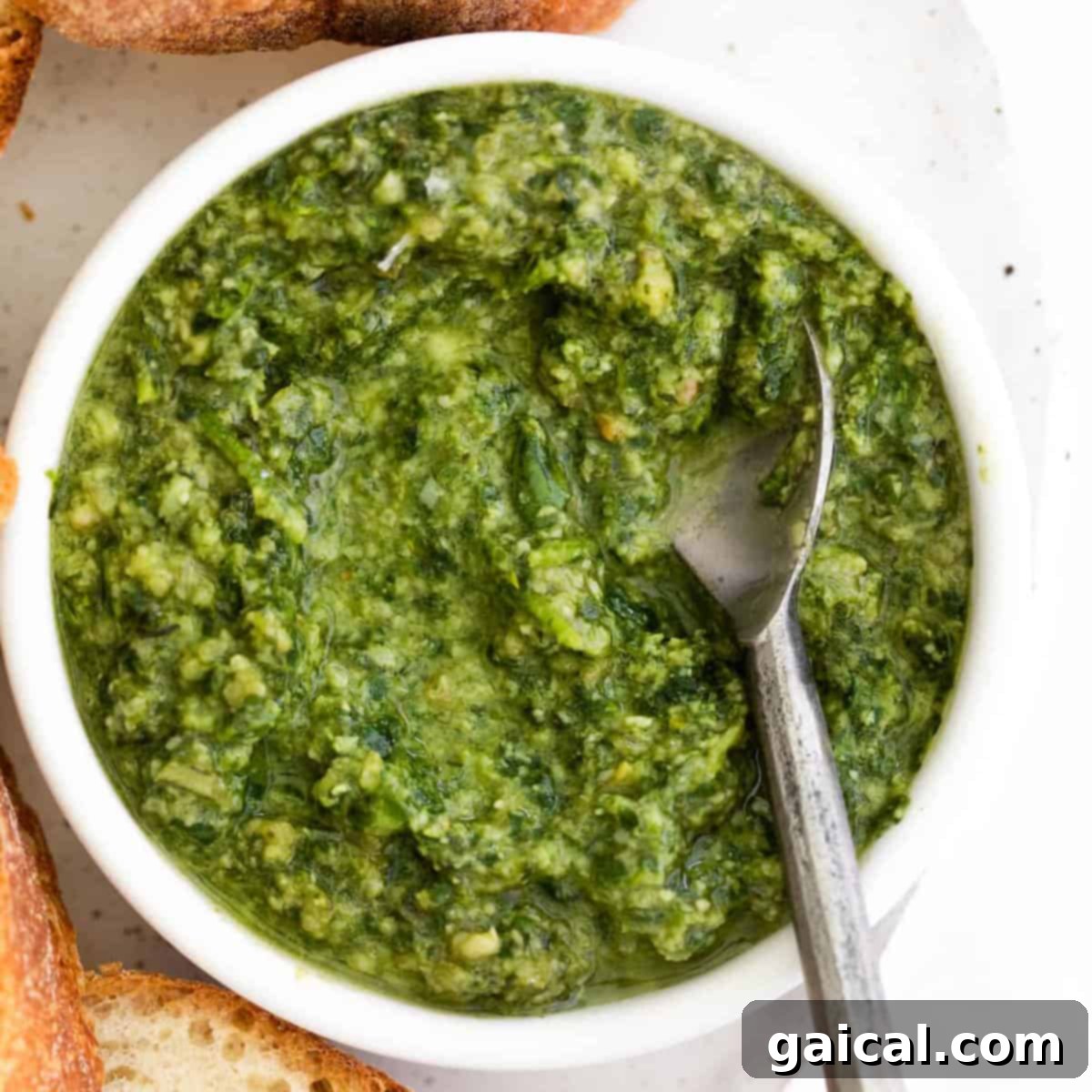
There’s nothing quite like the vibrant flavor of homemade pesto, and our ultimate basil pesto recipe brings that fresh taste right to your kitchen in just 5 minutes! Crafted with a handful of simple yet potent ingredients—fresh basil, rich Parmesan cheese, pungent garlic, bright lemon juice, crunchy pine nuts, and luxurious olive oil—this sauce is a true culinary marvel.
Bursting with incredible freshness, this pesto is the perfect way to utilize an abundance of garden basil. Whether you’re looking for an exquisite dip for crusty bread or a luscious sauce to toss with your favorite pasta, this easy pesto recipe promises a delightful experience every time. Its versatility is unmatched, making it a staple you’ll want to keep on hand.
The joy of making homemade basil pesto is incomparable, especially when you have a bounty of fresh basil from your garden. There’s a certain satisfaction in transforming humble ingredients into something so flavorful and refined. Crafting your own pesto sauce in your kitchen not only feels incredibly gourmet but is also surprisingly inexpensive compared to store-bought versions. You gain complete control over the quality of ingredients, ensuring a healthier, additive-free, and truly fresh product.
The process is incredibly simple: gather your fresh pesto sauce ingredients and process them in a food processor until they achieve a pleasingly gritty puree. It’s important not to over-process the mixture, as our number one tip for perfect pesto is to avoid a slimy consistency. A slightly coarse texture adds a delightful mouthfeel, characteristic of traditional pesto. Once prepared, this versatile sauce can be served as an irresistible dip, a flavorful sauce for various dishes, or a robust marinade for proteins, like our popular pesto chicken skewers!
Essential Ingredients for Authentic Basil Pesto
Creating an outstanding basil pesto relies on the quality and freshness of a few key ingredients. Here’s a closer look at what you’ll need and why each component is vital for that authentic, rich flavor profile.
Fresh Basil Leaves: The Heart of Your Pesto
As the star of the show, fresh basil provides the quintessential aroma and vibrant green color that defines pesto. For the best flavor, seek out bright, unblemished leaves. If you have a garden, picking basil fresh is ideal. Otherwise, look for bunches at your local market that are fragrant and firm. Avoid wilted or discolored leaves, as they will compromise the taste and appearance of your homemade pesto.
Premium Olive Oil: The Silky Smooth Foundation
Extra virgin olive oil is not just the main fat in this sauce; it’s a crucial flavor enhancer. Its fruity, sometimes peppery notes contribute significantly to the overall taste, while also providing that luxurious, buttery texture. It helps to thin out the mixture and emulsify all the ingredients into a cohesive sauce. Opt for a high-quality extra virgin olive oil for the best results, as its flavor will shine through.
Quality Parmesan Cheese: A Savory Kick
Parmesan cheese adds a wonderful depth of salty, savory umami flavor to this pesto sauce. Freshly grated Parmesan (Parmigiano-Reggiano if possible) is highly recommended over pre-grated varieties, which often contain anti-caking agents that can affect texture and taste. Its sharp, nutty profile perfectly balances the freshness of the basil and the richness of the olive oil.
Delicious Pine Nuts: The Traditional Crunch
Pine nuts are a traditional component of pesto, offering a delicate, buttery crunch and a subtle nutty flavor. We typically use ours raw, which provides a mild creaminess. However, if you’re looking to intensify their flavor and add a toastier note, you can lightly toast them in a dry skillet over medium-low heat for a few minutes until fragrant and golden. Be careful not to burn them, as they can go from perfect to bitter very quickly.
Aromatic Garlic Cloves: A Pungent Punch
Garlic lovers, rejoice! This recipe calls for one medium clove of fresh garlic, which provides a wonderful aromatic warmth and a touch of pungent spice. However, feel free to double the amount if you prefer a bolder garlic flavor. Fresh garlic is key here; avoid powdered garlic for an authentic pesto experience.
Bright Lemon Juice: The Zesty Balancer
A squeeze of fresh lemon juice is non-negotiable in this sauce. It adds just the right amount of acidity, cutting through the richness of the olive oil and cheese, and brightening all the other flavors. The citrus note also helps to preserve the vibrant green color of the basil, preventing oxidation. Don’t skip this essential ingredient!
Essential Salt: Uniting All Flavors
A touch of kosher salt is vital for bringing all these incredible ingredients together, harmonizing them into one sensational sauce. Start with a small amount and taste as you go, adjusting to your preference. Remember, Parmesan cheese is already salty, so a little goes a long way.
Pesto Perfection: Smart Swaps & Creative Variations
While our classic basil pesto recipe is perfect as is, it’s also incredibly adaptable. Don’t be afraid to experiment with these ingredient swaps and creative variations to tailor the pesto to your taste, dietary needs, or what you have on hand.
- Basil Alternatives: If fresh basil is scarce or you’re looking for a different flavor profile, you have plenty of options! Try using spinach, kale, or even a mix of herbs like parsley and cilantro. Our dedicated kale pesto recipe is a fantastic, nutrient-rich alternative that offers a slightly earthier taste. Arugula can also be used for a peppery kick.
- Nutty Substitutes: Pine nuts, while traditional, can be quite expensive. Don’t let that deter you from making homemade pesto! Cashews offer a creamy texture, pecans provide a rich, buttery flavor, and almonds (especially blanched) are a great neutral option. Walnuts are another popular choice, giving pesto a more robust, earthy taste. For a nut-free option, roasted sunflower seeds can work wonderfully.
- Parmesan Cheese Alternatives & Dairy-Free Options: Beyond Parmesan, other hard cheeses like Pecorino Romano or Asiago cheese can lend a distinct, savory depth. If you’re aiming for a dairy-free pesto, nutritional yeast is an excellent substitute for Parmesan, providing a cheesy, umami flavor without the dairy. Alternatively, explore our dedicated vegan parmesan recipe for a truly dairy-free solution.
- Olive Oil Swaps: While extra virgin olive oil is preferred for its flavor, you can use other mild-flavored oils if needed. Grapeseed oil or avocado oil are good choices, offering a neutral base that lets the basil shine.
- Flavor Boosters: Elevate your pesto with additional ingredients! A pinch of red pepper flakes can add a subtle heat, sun-dried tomatoes (packed in oil) can introduce a concentrated tangy sweetness, or swap raw garlic for roasted garlic for a mellower, caramelized flavor.
Make it Vegan!
Vegan Pesto
Searching for a delicious vegan pesto recipe? Our vegan pesto recipe delivers the same fantastic texture and similar robust flavors, making it a perfect dairy-free alternative for everyone to enjoy.
Frequently Asked Questions About Homemade Pesto
It is not strictly necessary to toast your pine nuts for pesto. Using them raw provides a milder, creamier flavor. However, toasting them lightly in a dry skillet over medium-low heat until fragrant and slightly golden can enhance their nutty flavor, adding another layer of complexity to your pesto. This is purely a matter of preference.
Unfortunately, we strongly recommend against using dried basil for homemade pesto. The magic of pesto lies in the vibrant, fresh, aromatic quality of basil leaves. Dried basil has a completely different flavor and texture that will not yield the rich, bright, and fresh taste characteristic of traditional pesto.
Yes, you can absolutely use a blender instead of a food processor to make pesto. A high-speed blender can achieve a very smooth consistency. Just be mindful not to over-blend, as pesto benefits from a slightly gritty texture. You might need to pause and scrape down the sides more often, and add a little extra olive oil to help it blend if it’s too thick.
Pesto is made with fresh ingredients like basil, olive oil, garlic, and nuts, all of which offer various health benefits. Fresh basil is rich in antioxidants, olive oil is a source of healthy monounsaturated fats, and nuts provide protein and fiber. While it can be calorie-dense due to the oil and nuts, when consumed in moderation, homemade pesto can certainly be a healthy and flavorful addition to your diet.
Homemade pesto, without the preservatives found in store-bought versions, typically lasts for 3-5 days when stored properly in an airtight container in the refrigerator. To extend its freshness and prevent oxidation (which can turn the basil brown), you can pour a thin layer of olive oil over the surface of the pesto before sealing the container.
Genovese basil, known for its large, fragrant leaves and sweet, slightly peppery flavor, is considered the gold standard for traditional Italian pesto. However, any sweet basil variety will produce delicious results. Always choose fresh, vibrant, and aromatic leaves for the best possible flavor.
Get Creative: Endless Ways to Enjoy Your Basil Pesto
One of the most remarkable qualities of our homemade pesto sauce recipe is its incredible versatility. There’s no single “right” way to enjoy it; its robust flavor profile makes it a fantastic addition to countless dishes, elevating simple meals into something special. Here are some of our favorite ways to incorporate this delicious basil pesto into your cooking:
As a Dynamic Marinade:
Pesto makes for an exceptional marinade, infusing meats and vegetables with rich, herbaceous flavors. Its oil base helps to tenderize, while the garlic and basil provide depth. Try it with chicken, shrimp, or even firm tofu before grilling or baking. Our Pesto Chicken Skewers are a testament to its power to transform simple proteins.
A Zesty Salad Dressing Base:
Transform your ordinary salad into a gourmet experience using pesto as a base for your dressing. You can add a little more olive oil, a splash of vinegar, or a touch of water to thin it out for a milder dressing. Alternatively, simply drizzle it directly onto your greens, roasted vegetables, or grain bowls for an instant burst of flavor. It pairs beautifully with caprese salads or even a simple side salad.
The Perfect All-Purpose Sauce:
Need a quick, flavorful sauce to top your favorite veggies or proteins? This homemade pesto is your ticket! It’s fantastic slathered over baked fish, chicken breasts, or even grilled halloumi. For effortless meal planning, check out our Pesto Chicken Meal Prep or use it to brighten up dishes like Mediterranean Salmon.
A Simple & Savory Dip:
Sometimes, the simplest uses are the best. Keep it uncomplicated and use your pesto as a vibrant dip for slices of crusty bread, an assortment of fresh vegetables like carrots and bell peppers, or your favorite crackers. It’s an instant appetizer that always impresses.
Irresistible Pasta Companion:
Pesto and pasta are a match made in culinary heaven. Toss warm, al dente pasta directly with a generous amount of pesto, and serve as is for a quick and satisfying meal. You can also explore our classic Pesto Pasta recipe or try our heartier Chicken Pesto Pasta recipe for a more substantial dish. Adding a handful of cherry tomatoes or a sprinkle of toasted pine nuts can elevate this classic further.
Flavorful Sandwich & Wrap Spread:
Take your sandwiches and wraps to the next level by using pesto as a flavorful spread. It adds incredible moisture and a burst of herbaceous flavor that transforms any ordinary lunch into something special. Be sure to try our delicious Roasted Red Pepper and Pesto Turkey Sandwich for inspiration.
Easy Basil Pesto
Lee Funke
5
0
5
5
Ingredients
- 1 cup packed fresh basil leaves (~20-22 fresh basil leaves)
- 1/4 cup grated Parmesan cheese
- 1 tablespoon fresh lemon juice
- 1 medium clove garlic
- 2 tablespoons pine nuts
- 3 tablespoons olive oil
- Kosher salt, to taste
Instructions
-
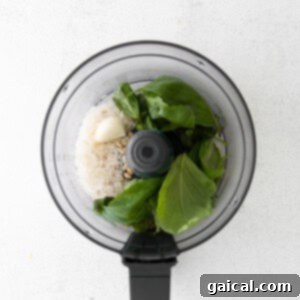
Place all ingredients (basil, Parmesan, lemon juice, garlic, pine nuts, and 3 tablespoons of olive oil) into a high-speed food processor.

-
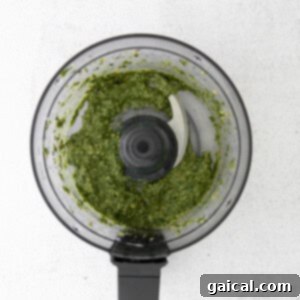
Process on high for approximately 1 to 2 minutes, stopping periodically to scrape down the sides of the bowl as needed. It’s crucial not to over-process, as a slight grittiness contributes wonderfully to the authentic texture of pesto. Continue blending until the mixture reaches a coarse puree.
-
If your pesto appears too thick for your desired consistency, gradually add more olive oil, one teaspoon at a time, and pulse until it reaches a mostly smooth consistency, ensuring it remains robust in flavor.
Tips & Notes
- This recipe yields about 1/3 cup of pesto, with a serving size of approximately 2 tablespoons.
- This recipe was updated on June 17th, 2021, to ensure accuracy and freshness.
- Critical Tip: Avoid over-processing your pesto! Blending for too long can result in a slimy texture and may cause the basil to oxidize and turn brown. A slightly coarse texture is desirable.
- Storage: Transfer freshly made pesto into an airtight container and store it in the refrigerator for up to 3-5 days. To help prevent oxidation and keep its vibrant green color, pour a thin layer of olive oil over the surface before sealing the container.
- To Freeze: Freezing pesto is an excellent way to preserve its freshness. See our detailed instructions below on “How to Freeze Pesto.”
Watch It
Watch how to make this easy basil pesto in our video tutorial!
Nutrition
Calories:
145 kcal
,
Carbohydrates:
2 g
,
Protein:
3 g
,
Fat:
15 g
,
Fiber:
0 g
,
Sugar:
0 g
Nutrition information is automatically calculated, so should only be used as an approximation.
Storing Your Freshly Made Pesto for Maximum Freshness
Because this basil pesto is freshly made with no artificial additives or preservatives, it won’t last as long as jarred, store-bought varieties. However, with proper storage, you can easily enjoy its freshness for several days. Transfer your homemade pesto into an airtight container. To help prevent oxidation, which can cause the basil to brown, pour a thin layer of olive oil over the surface of the pesto before sealing the lid. This creates a protective barrier, keeping your pesto vibrant and flavorful in the fridge for up to 3-5 days.
How to Freeze Pesto: Preserve Summer’s Flavor All Year
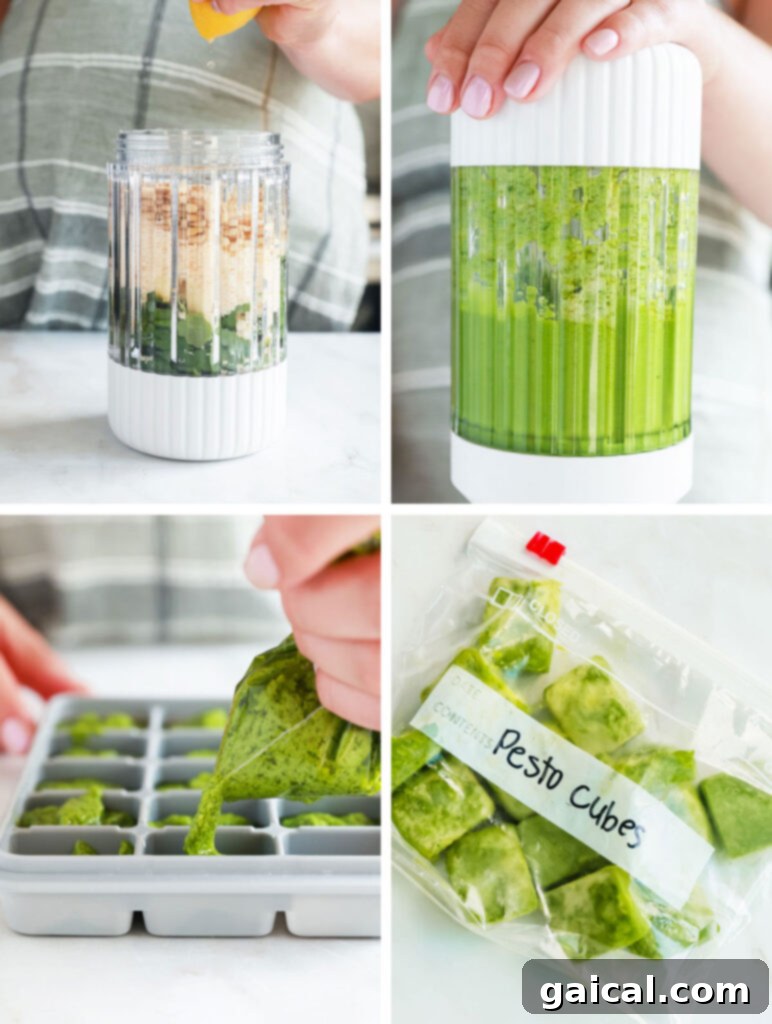
Freezing pesto is an incredibly easy and effective way to harness the abundance of fresh basil, allowing you to enjoy its bright flavors long after the growing season has passed. It’s perfect for meal prepping and ensures you always have a taste of summer on hand. Here’s a simple step-by-step guide to freezing your homemade pesto:
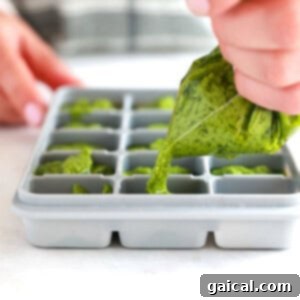
- Portion into Ice Cube Trays: Transfer your freshly made pesto into a clean ice cube tray. For convenient portioning, add about 1 to 2 tablespoons of pesto into each ice cube compartment, filling it about three-quarters of the way full. This size is perfect for single servings in pasta, soups, or sauces.
- Initial Freeze: Place the filled ice cube tray carefully into the freezer. Allow it to freeze for at least 2 hours, or until the pesto cubes are completely solid. This ensures they maintain their shape when removed from the tray.
- Transfer for Long-Term Storage: Once fully frozen, pop the pesto ice cubes out of the tray. Immediately transfer the frozen cubes into an airtight freezer-safe container or a large gallon-size freezer bag. Squeeze out any excess air from the bag to prevent freezer burn.
- Freeze for Up to 3 Months: Store your pesto cubes in the freezer for up to 3 months. For best quality and flavor, try to use them within this timeframe.
To thaw: Thawing your frozen pesto is just as simple. You can either let the frozen pesto cubes sit out on the kitchen counter for about 1 hour to defrost naturally, or for quicker results, transfer them into a nonstick skillet and gently defrost on the stovetop over low to medium heat, stirring occasionally until melted and warm. You can also add them directly to hot pasta or soup without prior thawing.
Silicone
Ice Cube Tray
Conveniently freeze your homemade pesto into perfectly portioned cubes using a durable and reusable silicone ice cube tray!
More of our Favorite…
More Delicious Basil Pesto Recipes to Try
- Creamy Pesto Chicken Salad
- Kid-Friendly Sweet Potato Pizza Bites
- Easy Naan Breakfast Pizzas
Love this homemade pesto recipe? Leave a comment below!
Don’t forget to tag your delicious creations on social media with the hashtag #fitfoodiefinds – we’d absolutely love to see what you’re cooking up!