
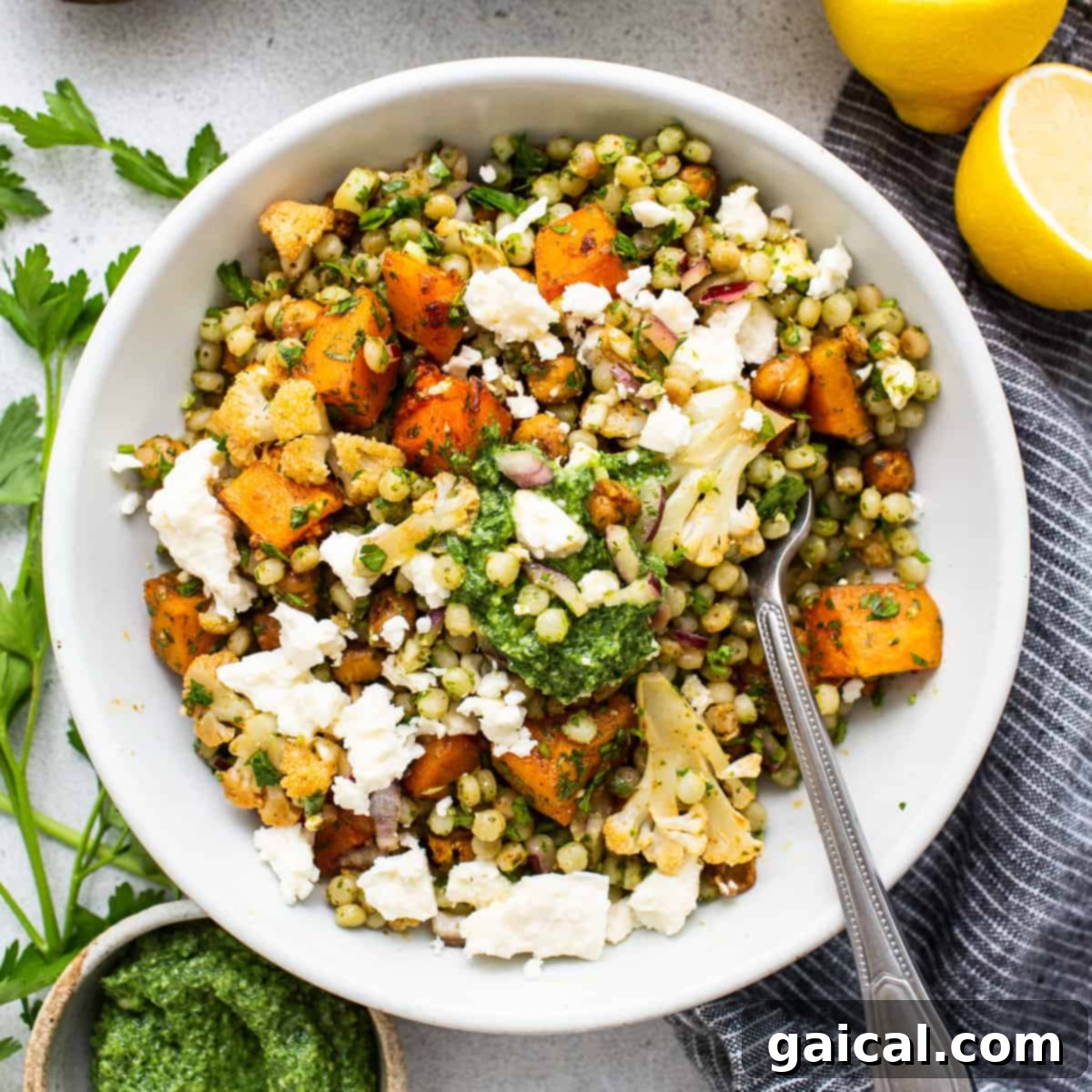
Prepare to fall in love with this incredibly flavorful Israeli couscous salad, a true culinary gem that promises to satisfy. Whether served warm on a chilly evening or chilled for a refreshing lunch, this vibrant dish is brimming with wholesome vegetables and boasts an impressive protein content, making it a perfect addition to any meal plan.
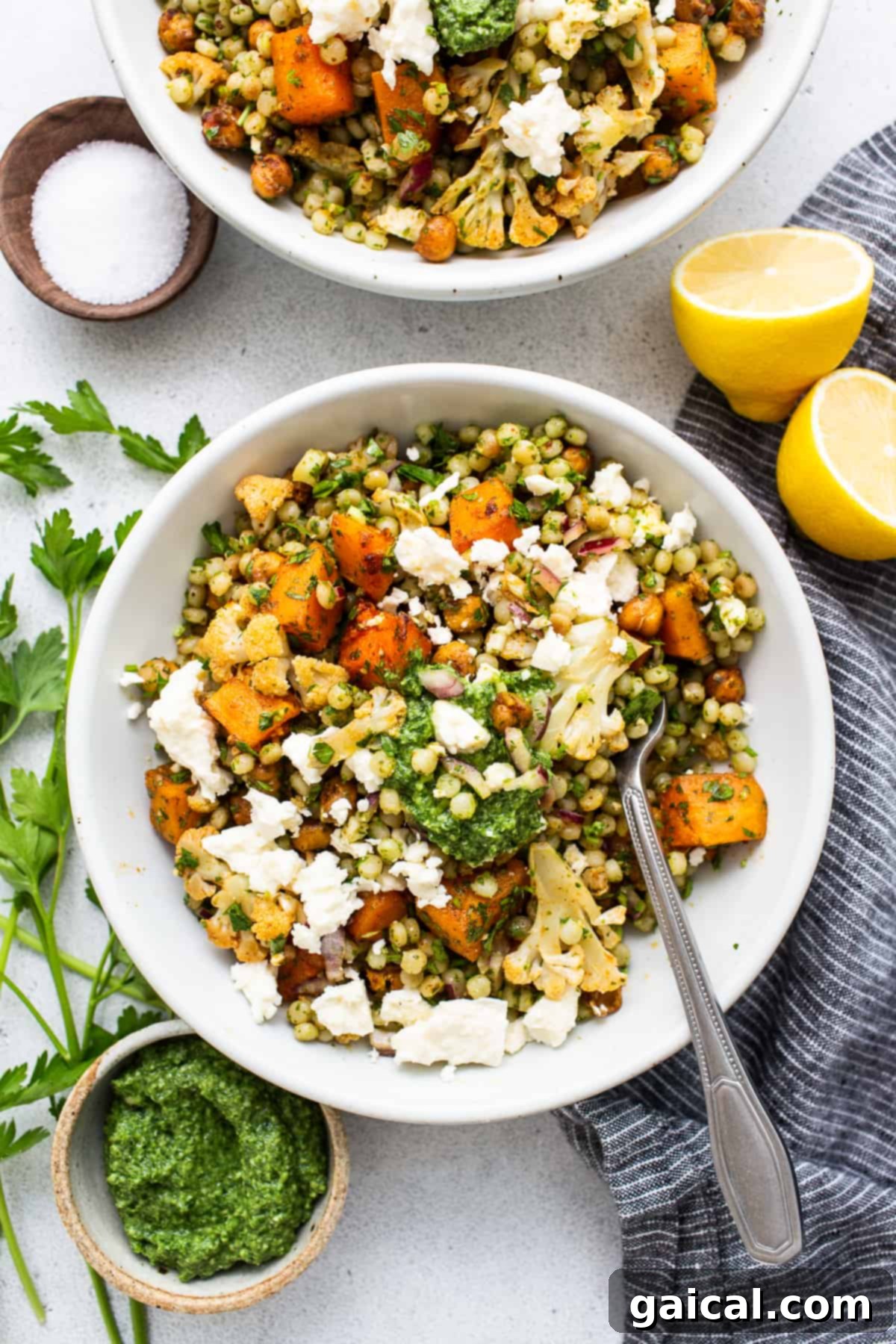
Mastering the Israeli Couscous Salad: A Recipe for Flavor and Nutrition
Gone are the days of serving uninspired, bland salads. The internet is full of innovative recipes, and this Israeli couscous salad stands out as a beacon of flavor, texture, and nutritional excellence. It truly has it all – a robust base, a vibrant dressing, and a hearty medley of roasted ingredients – providing a complete and satisfying experience, even without traditional leafy greens.
This versatile and delicious salad is ideal for various occasions. Whip it up for a fulfilling weeknight dinner, prepare a larger batch for healthy meal prep throughout the week, or present it as an impressive and wholesome side dish at your next gathering. Its dynamic flavors and textures are sure to be a crowd-pleaser.
Why This Israeli Couscous Salad Will Become Your New Favorite
- A Verdant Medley of Vegetables: This salad is generously packed with a variety of colorful and nutrient-dense vegetables. Each bite offers a delightful crunch and a burst of essential vitamins, minerals, and antioxidants, ensuring you get a wholesome serving of greens and more without even trying.
- Protein Powerhouse: Boasting an impressive 17 grams of protein per serving, this salad is incredibly satisfying and helps keep you full longer. The protein comes from sources like the robust garbanzo beans (chickpeas) and the wholesome walnuts in the kale pesto, making it a fantastic option for a balanced meal.
- The Magic of Homemade Kale Pesto: We elevate this recipe with a rich and creamy homemade kale pesto. This vibrant green addition not only infuses the salad with incredible depth of flavor and a fresh, herbaceous note but also cleverly incorporates an extra dose of greens, boosting the nutritional profile significantly.
- Unforgettable Israeli Couscous Texture: Unlike its finer counterparts, Israeli couscous (also known as pearl couscous) offers a delightful chewiness and a satisfying, plump texture. These tiny toasted pasta balls are hearty and substantial, absorbing all the wonderful flavors of the pesto and roasted vegetables, making every forkful a truly enjoyable experience.
A Closer Look at Our Star Ingredients
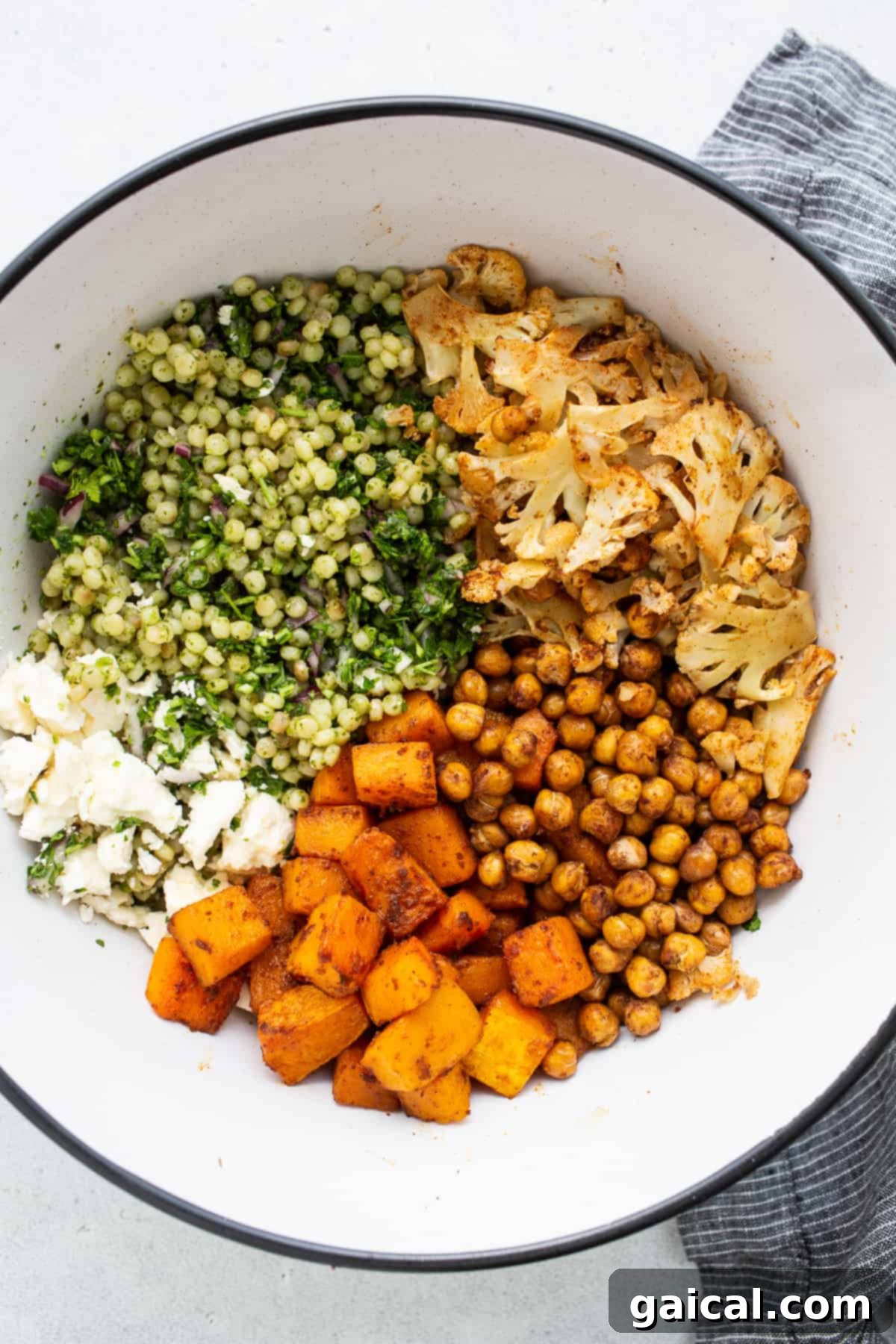
Each component of this Israeli couscous salad has been carefully selected to contribute to its exceptional flavor, texture, and nutritional value. Understanding these key ingredients will help you appreciate the delicious harmony within this dish.
- Israeli Couscous (Pearl Couscous): Often mistaken for a grain, Israeli couscous is actually a type of small, toasted pasta traditionally made from semolina flour. Its distinct spherical shape and slightly chewy texture are what make it so unique and satisfying in salads. It’s incredibly versatile, easy to prepare, and acts as a fantastic canvas for absorbing rich flavors. Look for it in the pasta or international foods aisle of your grocery store.
- Kale Pesto: While we wholeheartedly encourage you to try our homemade kale pesto recipe for unparalleled freshness and flavor, we understand that time is often a luxury. Should you be pressed for time, a high-quality store-bought kale pesto or even a traditional basil pesto can serve as a suitable substitute, though the distinctive earthy notes of kale are truly something special.
- Cauliflower: We call for a medium head of cauliflower, thinly sliced using a mandoline. This technique ensures elegant, delicate strips that roast beautifully, becoming tender-crisp and absorbing the warm spices. If a mandoline isn’t available, a very sharp chef’s knife can achieve similar results with careful, thin slicing. Rough chopping also works, though the texture will be heartier.
- Garbanzo Beans (Chickpeas): These humble legumes are transformed in this recipe. Tossed in a carefully crafted spice mixture and then toasted to perfection, they add a delightful crunch, substantial plant-based protein, and essential fiber to the salad. Their earthy flavor pairs wonderfully with the other roasted vegetables and the pesto.
- Butternut Squash: A quintessential autumn and winter vegetable, butternut squash lends a natural sweetness and creamy texture to every dish it graces. When roasted, it caramelizes beautifully, adding depth and warmth to our salad. If butternut squash is out of season or unavailable, sweet potato or carrots make excellent, equally delicious substitutes, offering similar sweetness and robust texture.
The signature spice mixture used in this salad is a carefully balanced blend of aromatic garlic powder, smoky chili powder, vibrant paprika, earthy ground cumin, and coarse salt. This combination creates a warm, deeply flavorful profile that perfectly complements the natural sweetness of the vegetables and the herbaceous richness of the pesto.
Effortless & Nutritious
Homemade Kale Pesto
Elevate your meals with a batch of this vibrant kale pesto. It’s incredibly easy to make and can be stored in the fridge, ready to enhance pastas, salads, sandwiches, or serve as a flavorful dip. A truly versatile kitchen staple!
Your Culinary Journey: Crafting the Israeli Couscous Salad
For a comprehensive guide, including the full ingredient list with precise measurements and detailed written instructions, please scroll down to the recipe card below. This recipe is thoughtfully structured into several distinct sections, and adhering to the sequence outlined in the official recipe card is key to achieving the best results.
- Begin with the Pesto Perfection: Start by preparing the star of the dressing, the homemade kale pesto. Combine all the pesto ingredients in a high-powered food processor and blend until you achieve a beautifully smooth and creamy consistency. Set this vibrant green sauce aside, ready to infuse your couscous with incredible flavor.
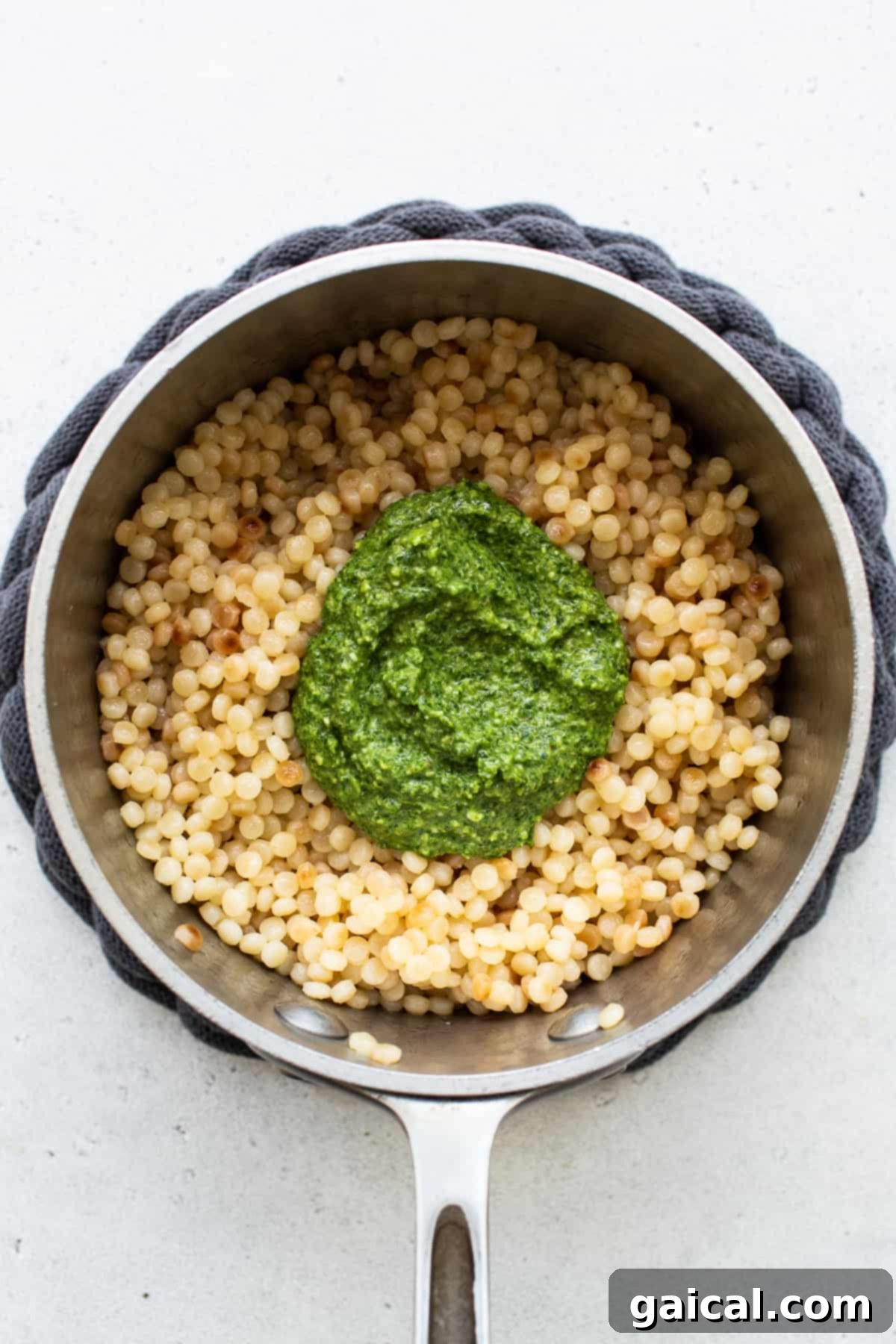
- Mastering the Couscous: Next, gently toast the Israeli couscous in a saucepan, allowing it to develop a deeper, nuttier flavor. Then, add water, bring it to a boil, cover, and let it simmer until all the liquid is absorbed and the pearls are perfectly plump and tender. Once cooked, fluff the couscous with a fork and generously fold in your freshly made kale pesto, ensuring every pearl is coated in its delicious embrace.
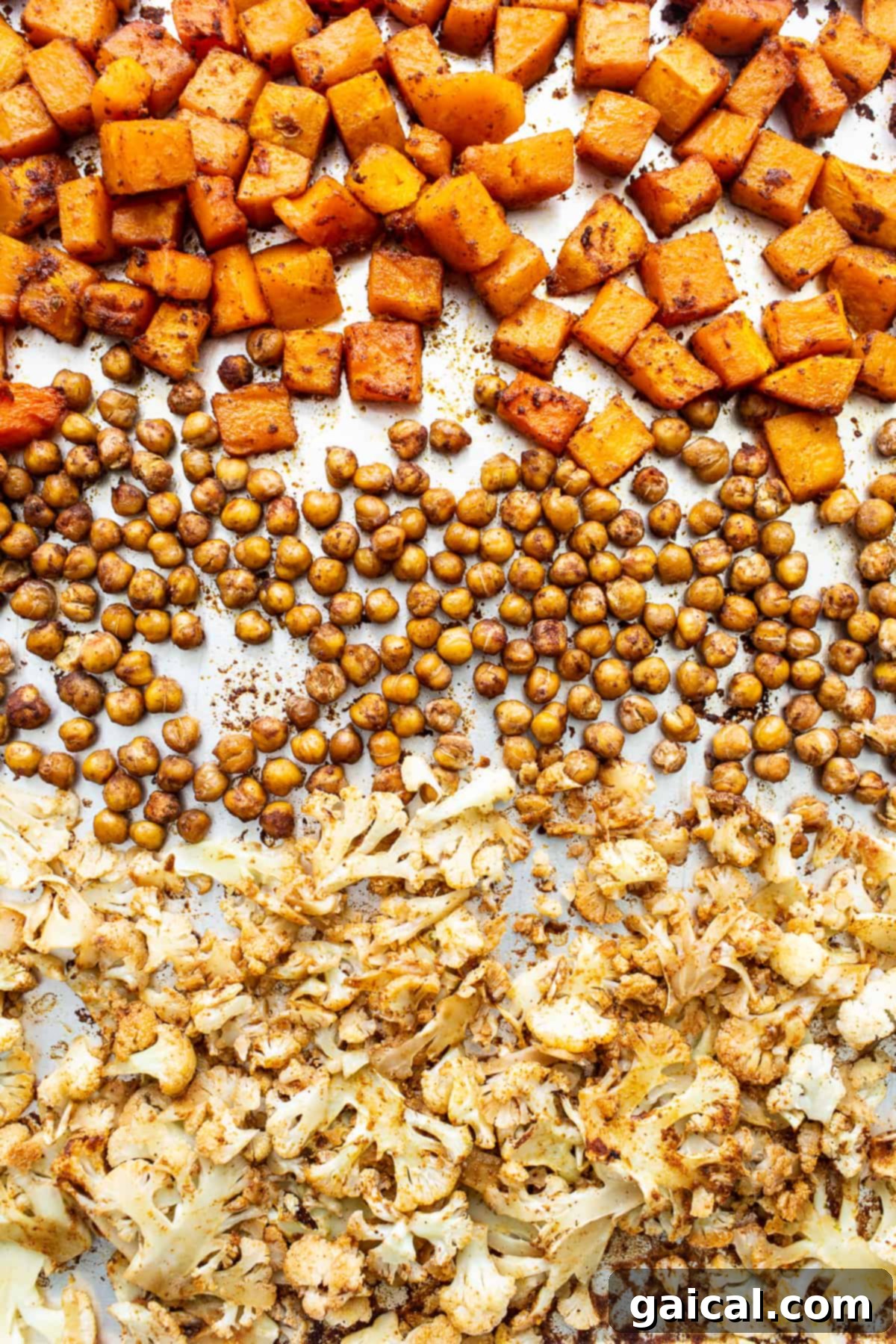
- The Art of Roasting Vegetables: Prepare your butternut squash and garbanzo beans, tossing them with a delightful spice mixture and a touch of olive oil. Roast them for an initial period to kickstart their caramelization. Midway through, introduce the thinly sliced cauliflower to the same pan, allowing all the vegetables to roast together until tender, golden, and bursting with flavor.
- Assembling the Fresh Components: While the vegetables are roasting, prepare the “cold salad” elements. Combine minced red onion, fresh parsley, a splash of red wine vinegar, and a pinch of salt in a large bowl. This bright, vinegary mix will provide a refreshing contrast to the warm, roasted ingredients and the creamy pesto.
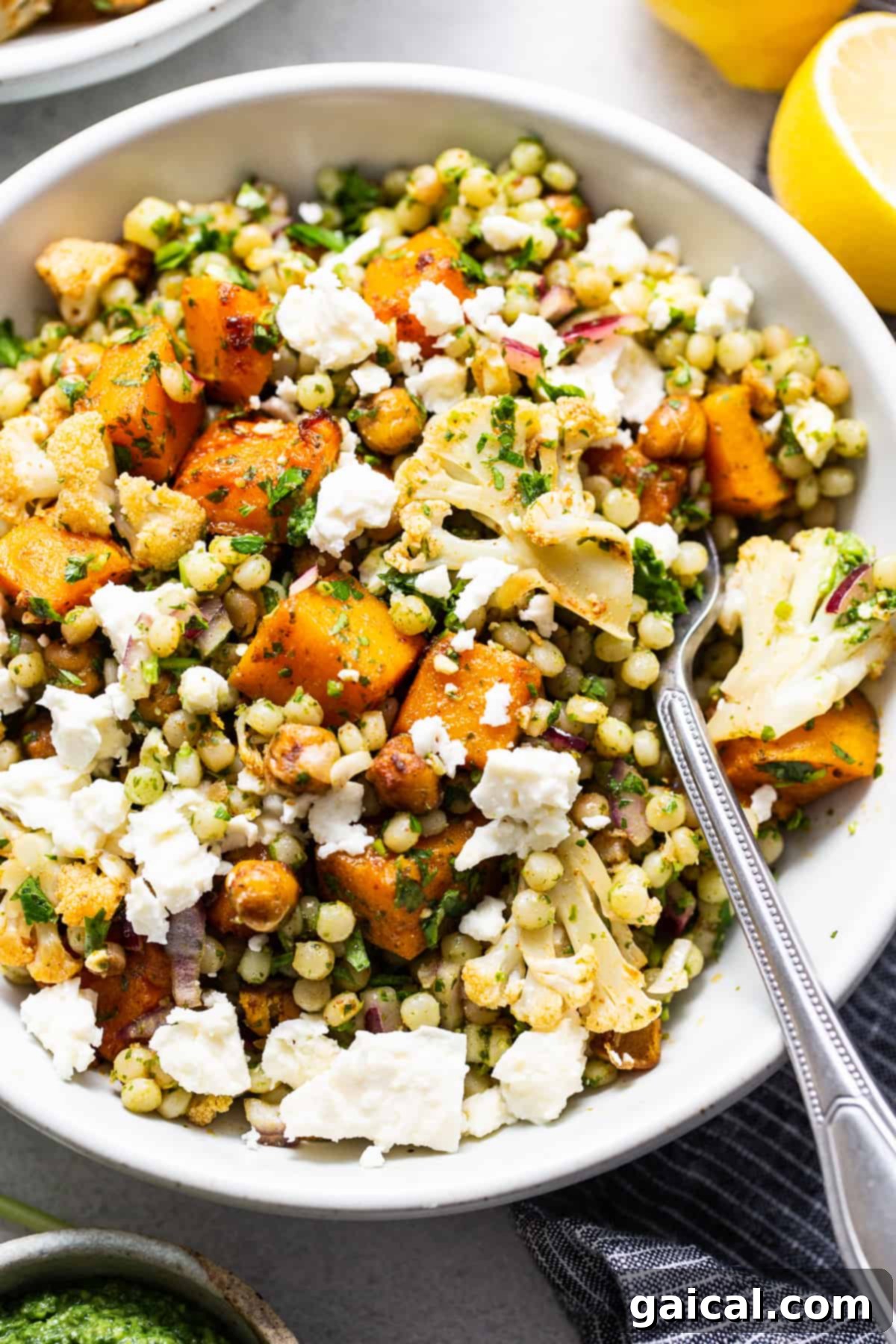
- The Grand Finale: Tossing it All Together: Once your roasted vegetables emerge from the oven, fragrant and perfectly cooked, add them to the bowl with the fresh onion and parsley mix. Gently toss to combine. Finally, incorporate the pesto-coated Israeli couscous, giving the entire salad another gentle mix to ensure all components are beautifully integrated. Garnish with crumbled feta and enjoy this masterpiece immediately, or chill for an equally delightful cold salad experience.
Expert Tips for a Perfect Israeli Couscous Salad
- Streamlined Preparation: This recipe, while appearing to have multiple steps, is designed for efficiency. Many of the tasks can be performed simultaneously, allowing you to complete the entire dish in approximately an hour. Planning your workflow will be your best friend here! For instance, while the couscous simmers, you can chop vegetables or start on the pesto.
- Cauliflower Cutting Options: If you don’t own a mandoline, fear not! You can still achieve beautifully thin cauliflower slices using a very sharp chef’s knife. Alternatively, a rough chop will also work perfectly fine, yielding a heartier texture that’s equally delicious in the salad.
- Pesto Your Way: Our homemade kale pesto truly elevates this salad with its fresh, vibrant flavor. However, if time is of the essence or you prefer convenience, a good quality store-bought pesto can be used as a suitable alternative. Feel free to experiment with different pesto varieties like basil or spinach for a unique twist.
- Root Vegetable Flexibility: Can’t find butternut squash? No problem! This recipe is incredibly adaptable. Feel free to roast other seasonal root vegetables such as sweet potatoes, carrots, parsnips, or even turnips. Adjust roasting times as needed, keeping an eye on them until they are tender and slightly caramelized.
- Serve It Your Way: While this salad is explicitly written to be served warm, which enhances the roasted flavors and cozy feel, it is equally delightful when chilled. The flavors meld beautifully as it rests, making it an excellent option for meal prep or a refreshing picnic dish.
Frequently Asked Questions About Israeli Couscous Salad
Absolutely! Like many ingredients, Israeli couscous can be a wonderful and healthy addition to your diet when consumed in moderation as part of a balanced meal. It is a complex carbohydrate, providing sustained energy, and it contains some fiber and protein. When paired with nutrient-rich vegetables and a healthy pesto, as in this recipe, it becomes a truly wholesome and beneficial dish. It’s all about creating balance in your plate!
Yes, in essence, Israeli couscous is indeed a type of pasta, not a whole grain. It’s typically made from semolina flour and water, rolled into small, uniform pearls, and then often toasted, which gives it its distinctive nutty flavor and slightly chewy texture. This is what sets it apart from traditional fine couscous, which is a much smaller, crushed semolina product.
If Israeli couscous isn’t available, or you’re looking for an alternative, several options can work beautifully. Orzo pasta is a fantastic like-for-like substitute due to its similar size and texture. For a gluten-free or whole-grain alternative, consider millet, bulgur wheat (for those who can consume wheat), or quinoa. Quinoa, in particular, will add a complete protein boost. However, no matter what you choose, always be sure to read the packaging instructions carefully for preparation, as cooking times and water ratios will differ from Israeli couscous.
Absolutely! This recipe is incredibly forgiving and encourages customization. Feel free to incorporate any of your favorite vegetables to enhance the flavor and nutritional profile. Great additions could include bell peppers, zucchini, asparagus, cherry tomatoes (added raw or lightly roasted), or even mushrooms. If you plan on roasting additional vegetables, remember to consider their individual cooking times, as they may vary. Harder vegetables like carrots or broccoli florets will need more time, while softer ones like zucchini or peppers require less.
While this Israeli couscous salad is already packed with 17 grams of protein per serving thanks to the chickpeas and pesto, you can certainly serve it alongside an additional protein source for an even more substantial meal. We highly recommend pairing it with flavorful options such as tender air fryer chicken thighs, a succulent herb-roasted whole chicken, perfectly cooked sous vide steak, a juicy baked pork tenderloin, or flaky blackened salmon. Each of these options complements the robust flavors of the salad beautifully.
Storage and Meal Prep Made Easy
This Israeli couscous salad is an excellent candidate for meal prepping! Allow the salad to cool completely to room temperature before transferring it to an airtight container. Store it in the refrigerator for up to 5 days. The flavors tend to meld and deepen beautifully overnight, often tasting even better the next day. When ready to eat, you can enjoy it chilled straight from the fridge or gently reheat it in a microwave or on the stovetop for a warm, comforting meal.
Discover More of Our Favorite…
Irresistible Salad Recipes to Explore
- Hearty Farro Salad
- Vibrant Mediterranean Couscous Salad
- Zesty Lemon Garlic Israeli Couscous with Whipped Feta
- Flavorful Black Bean Couscous Salad (Southwestern Style)
- Exotic Moroccan Chickpea Couscous Salad
Israeli Couscous Salad
Prep: 30 minutes
Cook: 40 minutes
Total: 1 hour 10 minutes
Pin
Ingredients
Kale Pesto
- ⅓ cup olive oil, separated for sautéing and blending
- 4 cloves garlic, freshly peeled
- 4 cups chopped kale, stems removed and tightly packed
- ½ cup grated parmesan cheese, for a rich, salty flavor
- 3 tablespoons fresh lemon juice, for brightness
- ½ cup walnuts, for nutty flavor and creaminess
- 1 teaspoon kosher salt, or to taste
Israeli Couscous
- 1 tablespoon olive oil, for toasting
- 1.5 cups uncooked Israeli couscous
- 2 cups water, for cooking the couscous
- 3.5 tablespoons kale pesto, from the prepared batch
Spice Mix for Roasting
- 1 tablespoon garlic powder
- 1 teaspoon chili powder
- 1 teaspoon paprika
- ½ teaspoon ground cumin
- 1 teaspoon coarse salt
Butternut Squash
- 4 cups butternut squash, peeled, seeded, and chopped into uniform ¾-inch chunks for even roasting
- 1 tablespoon olive oil
- Half the spice mix, approximately 1.5 tablespoons for seasoning
Seasoned Chickpeas
- 15 oz. garbanzo beans, one can, thoroughly drained and rinsed
- 1 teaspoon maple syrup, for a touch of sweetness
- ½ teaspoon ground cinnamon, adds warmth
- ½ teaspoon garlic powder
- ¼ teaspoon salt
- ¼ teaspoon cayenne pepper, for a subtle kick
Cauliflower
- 1 small head cauliflower, yielding approximately 4 cups of florets
- 1 tablespoon olive oil
- Half the spice mix, the remaining 1.5 tablespoons for seasoning
Other Ingredients for Assembly
- ½ large red onion, finely minced (about ½ cup)
- 1 cup chopped fresh parsley, for freshness and color
- 1 tablespoon red wine vinegar, for a tangy note
- ¼ teaspoon salt
- ½ cup feta cheese, crumbled, for serving
Instructions
-
First, prepare the homemade kale pesto. Begin by gently smashing each garlic clove to flatten it slightly. This can be done by pressing the bottom of a glass or the side of a large chef’s knife firmly over the clove.
-
In a small skillet, heat 1.5 tablespoons of olive oil over medium-high heat until it becomes fragrant. Add the smashed garlic cloves to the warm oil and sauté them for 1-2 minutes until they are aromatic and just begin to turn a light golden brown. Be careful not to burn the garlic.
-
Transfer the cooked garlic to a high-powered food processor. Add the chopped kale (ensure it’s deboned and packed), grated Parmesan cheese, fresh lemon juice, walnuts, kosher salt, and the remaining olive oil to the food processor.

-
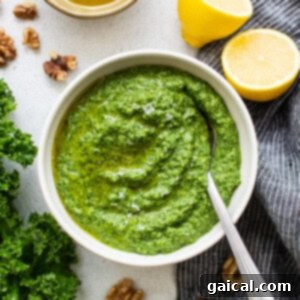
Pulse the ingredients a few times to roughly combine them, then process on high speed for 2-4 minutes. Continue blending until the pesto reaches a thick, smooth, and creamy consistency. During processing, periodically stop and scrape down the sides of the food processor bowl to ensure all ingredients are incorporated evenly.
-
Once fully processed, your kale pesto should be rich, thick, and creamy. If you find it’s still a bit dry or chunky, add an additional teaspoon or two of olive oil, scrape the sides again, and continue processing. Sometimes, extended blending helps to release more oil from the walnuts, further enhancing the pesto’s moisture and smooth texture. Set the finished pesto aside.
-
Next, cook the Israeli couscous. Heat 1 tablespoon of olive oil in a small saucepan over medium-high heat. Add the uncooked Israeli couscous and toast it for 3-4 minutes, stirring frequently with a spatula until the pearls turn a beautiful golden brown and become fragrant. Pour 2 cups of water into the saucepan and bring the mixture to a rolling boil. Reduce the heat to low, cover the saucepan, and let the couscous simmer for 10-12 minutes, or until all the water has been completely absorbed and the couscous is tender.
-
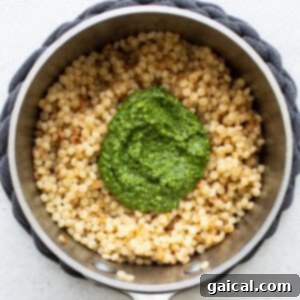
Once cooked, uncover the couscous and gently fluff it with a fork to separate the pearls. Immediately add 3.5 tablespoons of the prepared kale pesto to the warm couscous. Mix thoroughly until every couscous pearl is evenly coated in the vibrant green pesto, infusing it with flavor. Set this pesto-coated couscous aside.
-
Preheat your oven to 450ºF (230ºC). Prepare a large baking sheet by lightly greasing it with olive oil or lining it with parchment paper for easy cleanup.
-
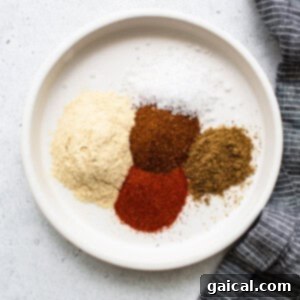
In a small bowl, combine all the dry spices for the spice mix: garlic powder, chili powder, paprika, ground cumin, and coarse salt. Whisk them together until they are thoroughly combined and uniform. Set this flavorful spice blend aside.
-
Place the chopped butternut squash cubes onto one half of the prepared baking sheet. Drizzle them generously with 1 tablespoon of olive oil and sprinkle with half of the pre-mixed spice blend. Use your hands to thoroughly massage the oil and spices into the butternut squash, ensuring each piece is well coated.
-
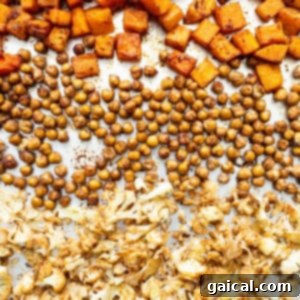
In a separate small bowl, add the drained and rinsed garbanzo beans. Toss them with the maple syrup, ground cinnamon, ½ teaspoon garlic powder, ¼ teaspoon salt, and ¼ teaspoon cayenne pepper until they are fully coated. Spread these seasoned beans evenly in the middle section of the baking sheet alongside the butternut squash. Place the baking sheet in the preheated oven and roast the butternut squash and beans for 15 minutes, ensuring to toss them halfway through for even cooking and browning.
-
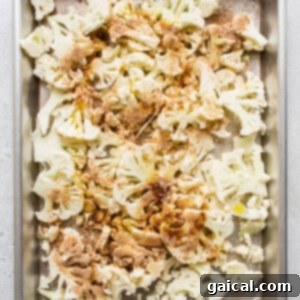
While the butternut squash and beans are roasting, prepare the cauliflower. Break a small head of cauliflower into large florets. Using a mandoline (we recommend a Kyocera mandoline set at 3.0mm for perfect thinness), carefully slice the cauliflower into delicate strips or thin florets into a large mixing bowl (this should yield about 4 cups). Add 1 tablespoon of the remaining olive oil to the cauliflower along with the rest of the spice mixture. Gently toss the cauliflower with the oil and spices until evenly coated. It’s perfectly fine if some pieces break apart slightly during this process.
-
After the initial 15 minutes for the squash and beans, carefully remove the baking sheet from the oven. Add the seasoned cauliflower to the remaining space on the baking sheet. Return the sheet to the oven and bake for an additional 10-12 minutes, or until the cauliflower is tender-crisp and just lightly golden brown. All vegetables should be warm and flavorful.
-
While the cauliflower is finishing its roasting time, prepare the fresh elements for the salad. In a large salad bowl, combine the finely minced red onion, freshly chopped parsley, 1 tablespoon of red wine vinegar, and ¼ teaspoon of salt. Mix these ingredients together thoroughly to create a bright and tangy counterpoint to the warm components.
-
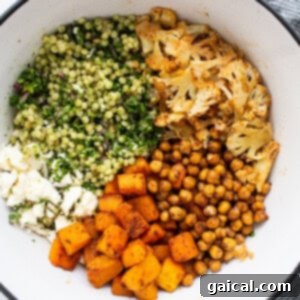
Once all the vegetables are perfectly roasted and tender, transfer them from the baking sheet into the large salad bowl with the onion and parsley mixture. Toss gently to combine. Next, add the pesto-coated Israeli couscous to the bowl and toss everything once more, ensuring all ingredients are well distributed and infused with flavor. Finally, generously top the finished salad with crumbled feta cheese. Serve immediately for a warm, comforting experience or chill it in the fridge for a delightful cold salad. Enjoy every flavorful bite!
Helpful Tips & Notes for Success
- This recipe involves several steps, but many can be executed concurrently. By following a well-organized method, you should be able to prepare this delicious salad in approximately one hour from start to finish. Optimize your time by multitasking!
- If you do not have a mandoline for slicing the cauliflower, you can easily use a very sharp chef’s knife to cut it into thin strips. Alternatively, a rough chop will also work and result in a slightly chunkier, equally delicious texture.
- While we highly recommend our homemade kale pesto for the freshest flavor, a good quality store-bought pesto can be used as a convenient substitute if you’re short on time.
- Feel free to experiment with other root vegetables if butternut squash is not available. Sweet potatoes, parsnips, or even carrots can be roasted and incorporated into this salad with excellent results. Just monitor their roasting times as they may vary.
- This salad is fantastic served warm, which enhances the roasted flavors and provides a comforting meal. However, it is also incredibly delicious when served cold, making it a perfect option for meal prep or a refreshing lunch.
Nutrition Information
Carbohydrates: 59 g,
Protein: 17 g,
Fat: 28 g,
Fiber: 11 g,
Sugar: 7 g
Nutrition information is automatically calculated and should be used as an approximation only, as values can vary based on specific ingredients and preparation methods.
Love this Israeli Couscous Salad? Leave a Comment Below!
Don’t forget to tag your beautiful creations on social media with the hashtag #fitfoodiefinds – we absolutely love seeing what you’re cooking up in your kitchens!
Photography: The stunning photos featured in this post were expertly captured by Ashley McGlaughlin from The Edible Perspective.