
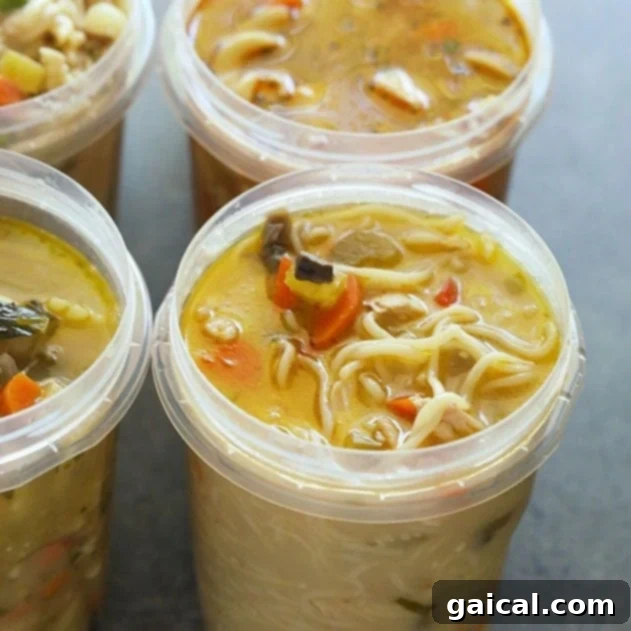
Imagine coming home after a long day and having a delicious, nutritious, and ready-to-eat meal waiting for you in the freezer. Freezing soup is a game-changer for busy individuals, families, and anyone looking to streamline their meal prep efforts. It’s a fantastic way to save time, reduce food waste, and always have a wholesome meal option at your fingertips. Whether you’re preparing for a hectic week, supporting loved ones during an illness, or welcoming a new baby, a batch of frozen soup can be a true lifesaver. This ultimate guide will walk you through everything you need to know about freezing soup, from selection to thawing, ensuring you enjoy perfectly preserved flavors every time.
Beyond just soup, consider other convenient crockpot freezer meals for an even wider array of stress-free dinner options!
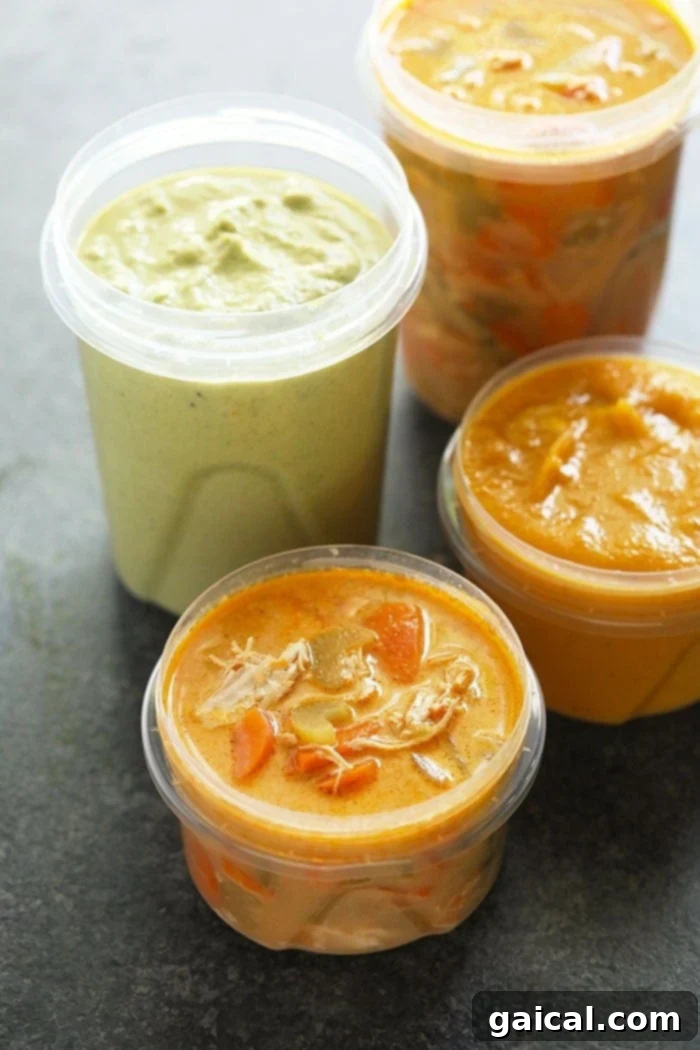
The sheer convenience of having a frozen, homemade soup ready to go cannot be overstated. In my own household, especially after my baby Gus arrived, a pre-portioned bag of frozen soup has often rescued dinner plans. It effortlessly solves the common “what’s for dinner?” dilemma that arises multiple times a week. Instead of scrambling to cook from scratch, I simply thaw and reheat, transforming a potentially stressful evening into a relaxed and nourishing one.
Can You Freeze Soup? Absolutely!
The short answer is yes, you can freeze most soups! However, it’s important to know that some soups are better candidates for freezing than others. While many varieties hold up beautifully, a handful of soups, particularly those containing substantial dairy or delicate noodles, require special considerations or are best enjoyed fresh.
Why Should You Freeze Soup? Discover the Benefits!
Freezing soup offers a multitude of advantages that can significantly simplify your life and elevate your home cooking routine:
- Effortless Meal Prep: Soup is incredibly versatile and can be packed with a diverse array of healthy and flavorful ingredients. Preparing a large batch of a wholesome soup recipe and freezing it ensures you’ll always have healthy, homemade meal options available. This proactive approach helps you stay on track with your nutritional goals, even on your busiest days, preventing last-minute reliance on less healthy alternatives.
- Thoughtful Gifting: A homemade frozen soup is a truly cherished gift, especially for new parents, friends recovering from illness, or anyone going through a challenging time. It offers comfort, nourishment, and, most importantly, frees them from the burden of cooking. Imagine the relief of receiving a ready-to-heat meal when you’re overwhelmed or exhausted.
- Boost Your Dinner Variety: The culinary possibilities with soup are virtually endless! By preparing several different soup recipes and freezing them, you can build a diverse freezer stash. This means you can enjoy a wide variety of flavors and ingredients throughout the week without constantly cooking new dishes from scratch, keeping your meals exciting and preventing menu fatigue.
- Reduce Food Waste: If you find yourself with an abundance of fresh vegetables or cooked proteins, transforming them into soup before they spoil is an excellent way to prevent food waste. Freezing these surplus ingredients extends their usability, turning potential waste into future delicious meals.
- Cost Savings: Buying ingredients in bulk or when they are on sale, then converting them into freezable soup, can lead to significant cost savings over time compared to purchasing individual meals or convenience foods.
How to Freeze Soup: A Step-by-Step Guide for Perfect Preservation
Freezing soup is a straightforward process, but following these key steps will ensure your frozen batches maintain their quality, flavor, and texture:
- Select and Prepare Your Soup: First, choose your soup recipe. Opt for heartier, broth-based soups with robust vegetables and proteins for the best freezing results. Explore any of these delicious healthy soup recipes for inspiration. As you prepare your chosen recipe, remember a crucial rule: do not add any cream, dairy, or noodles at this stage if you intend to freeze the soup. These ingredients are best incorporated just before serving, after the soup has been thawed and reheated, to prevent undesirable texture changes.
- Cool the Soup Completely: This step is non-negotiable and critically important. After cooking, allow your soup to cool down to room temperature before transferring it to containers. Rapid cooling helps prevent bacterial growth, and ensuring the soup is completely cool eliminates steam. If you cover warm soup and then freeze it, the trapped steam will condense into ice crystals, leading to freezer burn and a degradation of quality. You can expedite cooling by placing the pot of soup in an ice bath or dividing it into smaller, shallow containers.
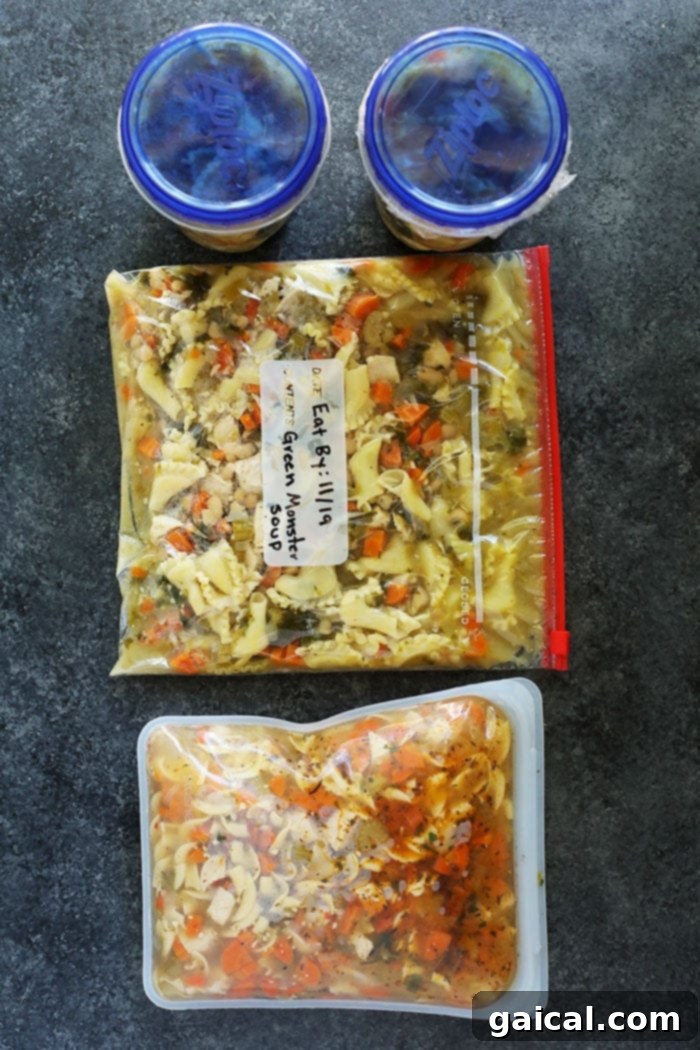
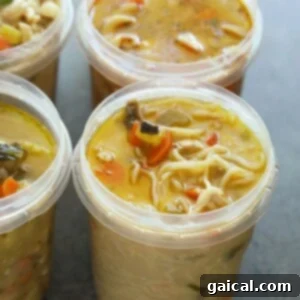
- Transfer to Freezer-Safe Containers: Once fully cooled, carefully transfer the soup into appropriate freezer-safe containers or heavy-duty, gallon-size plastic freezer bags. It’s beneficial to portion the soup into quantities that match your typical serving needs – whether single servings for individual meals or larger portions for family dinners. Remember to leave adequate headspace (1-2 inches) for expansion.
- Label and Date: Before sealing, always label your containers or bags with the name of the soup and the date it was prepared. This simple habit prevents mystery meals in your freezer and helps you rotate your stock effectively. Knowing when it was frozen ensures you consume it within its optimal storage window.
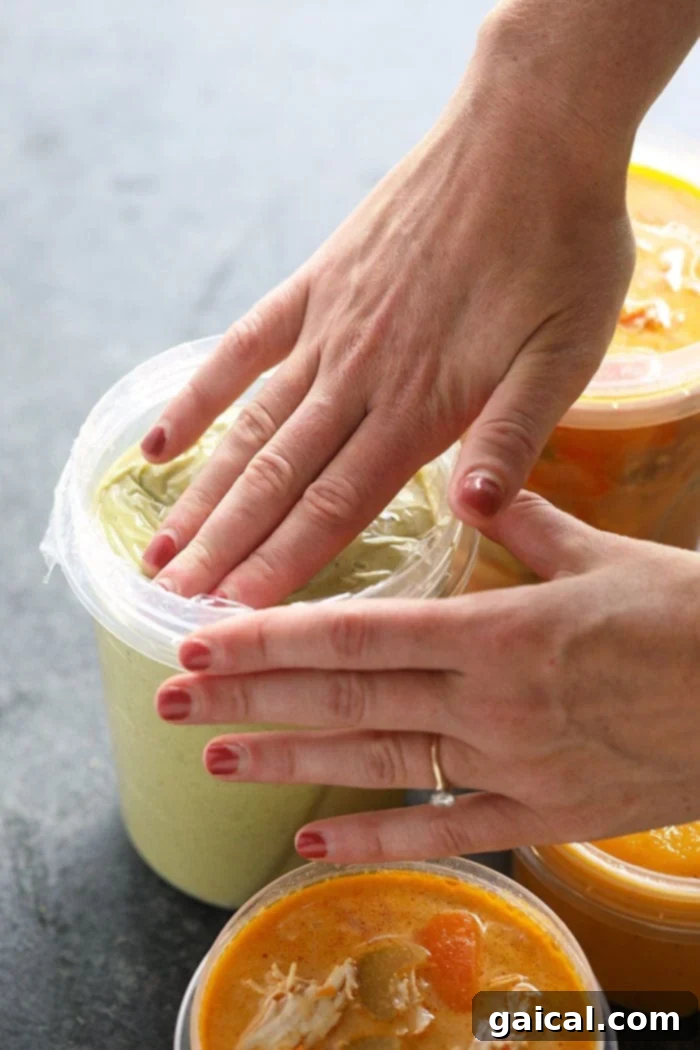
- Remove Excess Air and Seal: For freezer bags, press out as much air as possible before sealing to minimize the risk of freezer burn. If using rigid containers, ensure they are tightly sealed. For an extra layer of protection, particularly with glass or plastic containers, consider placing a piece of plastic wrap directly on the surface of the soup before sealing the lid. This creates an additional barrier against air.
- Freeze for Optimal Storage: Place your labeled and sealed soup in the coldest part of your freezer. Properly frozen soup can be stored for up to 3 months for best quality. While it may remain safe to eat for longer, its flavor and texture might begin to decline past this period.
Essential Tips for Maximizing Frozen Soup Quality
To ensure your frozen soup maintains its delicious flavor and pleasant texture, keep these expert tips in mind:
Helpful Tip #1: Undercook Your Vegetables for Better Texture. If your soup recipe calls for sautéing or cooking vegetables that you plan to freeze, try to slightly undercook them. Aim for an “al dente” texture rather than fully soft. This strategy prevents the vegetables from becoming mushy and overcooked when the soup is reheated. Nobody enjoys soggy, limp vegetables in their soup!
Helpful Tip #2: Cool Down Completely Before Freezing. This cannot be stressed enough: the single most important rule when freezing soup is to let the soup cool completely before placing it in the freezer. Cooling rapidly and thoroughly prevents the growth of harmful bacteria and significantly reduces the formation of large ice crystals, which are the primary cause of freezer burn and textural degradation.
Helpful Tip #3: Allow Space for Expansion. Remember that liquid expands when it freezes. To prevent your freezer-safe containers from cracking or bursting, do not fill them all the way to the top. Always leave at least 1-2 inches of headspace in bags or rigid containers to accommodate this expansion.
Helpful Tip #4: Prevent Freezer Burn with Plastic Wrap. For an added layer of protection against freezer burn, especially when using glass or plastic containers, place a piece of plastic wrap directly on the surface of the soup before sealing the lid. This creates an additional barrier, minimizing air exposure and locking in moisture and flavor.
Helpful Tip #5: Don’t Forget to Label with a “Freeze By” Date. Proper labeling is critical for a well-organized freezer. Clearly mark your freezer-safe containers with the soup’s name and the date it was frozen. Knowing the “freeze by” date (or “eat by” date) helps you utilize your frozen meals within the recommended 3-month timeframe for optimal taste and quality, preventing forgotten or expired items.
The Best Soups to Freeze (and Those That Need a Little Extra Care)
Understanding which soups are naturally freezer-friendly and which require specific adjustments is key to successful meal prepping. The ideal candidate for freezing is typically a soup that is brothy, packed with hearty vegetables, and robust proteins.
Conversely, soups with significant amounts of dairy (like cream, milk, or cheese) or those with delicate pasta or noodles tend to be less ideal for direct freezing. This isn’t to say you can’t freeze them, but extra precautions or modifications will dramatically improve their quality upon reheating.
Can You Freeze Creamy Soups? Yes, With a Smart Twist!
Freezing creamy soups can be tricky because dairy-based ingredients tend to separate or develop a grainy, unappetizing texture when thawed. If your heart is set on freezing a creamy soup, here’s the best approach: prepare the soup base without adding any cream, milk, cheese, or roux. Freeze it as a clear, brothy soup. When you’re ready to enjoy it, simply thaw the soup, reheat it on the stovetop, and then stir in your desired dairy component right before serving. This method preserves the silky texture and rich flavor of the cream. We’ve successfully tested this technique with our Crockpot Chicken Pot Pie Soup, and the results were perfectly creamy and delicious.
Can You Freeze Chicken Noodle Soup? Absolutely, But Hold the Noodles!
While you can freeze chicken noodle soup, noodles and pasta don’t typically fare well during the freezing and thawing process. They tend to absorb excessive moisture, becoming mushy, bloated, and sometimes even disintegrating. The best strategy for freezing noodle soups is to prepare your soup recipe as usual, but omit the noodles entirely. Freeze only the savory broth and other ingredients (chicken, vegetables). When you’re ready to serve, thaw the soup, reheat it, and cook fresh noodles separately. Then, add the freshly cooked noodles directly to your hot soup just before eating. This ensures a delightful texture every time!
What Are the Best Containers for Freezing Soup?
Choosing the right container is vital for efficient storage and preventing freezer burn. The best types of containers for freezing soup are reusable, durable, and specifically designed for freezer use. Each material offers unique benefits:
- Reusable Glass Containers: These are often considered the gold standard. Glass is non-reactive, eco-friendly, and allows you to see the contents. Look for tempered glass containers specifically labeled as “freezer-safe” to prevent cracking. They are excellent for individual portions or larger family sizes.
- Heavy-Duty Plastic Freezer Bags: For maximum space efficiency, especially if you have limited freezer space, heavy-duty gallon-size plastic freezer bags are an excellent choice. Once filled and sealed (with as much air removed as possible), they can be laid flat to freeze, creating flat “soup bricks” that stack neatly. These are also ideal for gifting.
- Plastic Freezer-Safe Containers (Tupperware-style): These are convenient, lightweight, and often stackable. Ensure they are made from BPA-free plastic and clearly marked as freezer-safe. They come in various sizes, making them versatile for different portion needs.
- Silicone Souper Cubes or Muffin Tins: For truly individual portions, silicone trays designed for freezing are fantastic. Once frozen solid, the soup “cubes” can be popped out and transferred to a larger freezer bag, taking up minimal space.
We suggest freezing soup in containers that align with how many people you typically serve. For single servings, small 16 oz. freezer-safe containers or small reusable silicone bags work perfectly. If you’re feeding a family, a 32 oz. container, a large stasher bag, or a gallon-size bag should suffice.
Explore More: 6 Amazing Crockpot Freezer Meals
Looking for even more ingenious meal prep ideas? Don’t stop at soup! Discover our collection of 6 crockpot freezer meals for incredibly easy dinner solutions that can be prepared ahead of time, making weeknights a breeze!
- Slow Cooker Chicken Cacciatore
- Slow Cooker Chicken Tikka Masala
- Slow Cooker Chicken Enchilada Casserole
- Slow Cooker Chicken Noodle Soup
- Slow Cooker Chicken Pot Pie Soup
- Crock Pot Honey Garlic Chicken
How to Thaw Frozen Soup Safely and Effectively
Once you’re ready to enjoy your frozen soup, knowing the best thawing methods will ensure both food safety and optimal taste. Here are your primary options:
- Thaw in the Refrigerator (Recommended Method): This is the safest and most recommended method, though it requires foresight. Simply transfer the frozen soup from the freezer to the refrigerator and allow it to thaw slowly overnight, or for 24-48 hours for larger batches. This gentle thawing process helps maintain the soup’s texture and prevents any rapid temperature changes that could affect its quality. Plan ahead for a seamless meal!
- Thaw in a Cold Water Bath (Expedited Method): If you need to speed up the thawing process, a cold water bath is an excellent option. Place your sealed bag or container of frozen soup into a large bowl or sink filled with cold water. Change the water every 30 minutes to ensure it remains cold and to facilitate faster thawing. Avoid using hot water, as this can encourage bacterial growth on the outer layers of the soup while the inside remains frozen. Once the soup has loosened from the sides of the container (it might still be an ice block), you can transfer it to a large saucepan for reheating.
- Thaw in the Microwave (For Small Portions Only): While possible, we generally do not recommend defrosting large quantities of soup in a microwave due to uneven thawing and potential overcooking of certain ingredients. However, for single-serve portions, especially in a glass container (never metal!), it can be a quick solution. Remove any metal lids from glass jars. Use the defrost setting or set the power to low and microwave the soup in short increments (e.g., 5-10 minutes), stirring occasionally, until it has thawed enough to be transferred to a saucepan for proper reheating.
Always ensure soup is thoroughly thawed before reheating to an internal temperature of 165°F (74°C).
How to Reheat Frozen Soup for Optimal Flavor and Texture
Once your soup is thawed, reheating it correctly is crucial to bringing back its original deliciousness. The stovetop is our preferred method for achieving the best results.
Simply transfer your thawed soup into a medium-sized pot or saucepan. Reheat it over medium-low heat, stirring frequently to ensure even heating and prevent sticking. As the soup warms, you’ll likely notice that some liquid has been absorbed during the freezing and thawing process. This is completely normal. Now is the perfect time to add some extra liquid – broth (chicken, vegetable, or beef, depending on your soup) is our go-to choice, but water can also work. Add a little at a time until the soup reaches your desired consistency.
Before serving, always give the soup a taste test. Freezing can sometimes mellow flavors, so you might find it needs a touch more salt, pepper, herbs, or a squeeze of fresh lemon juice to brighten it up. This is also the stage where you would stir in any dairy (cream, milk, cheese) or freshly cooked noodles that you withheld during the initial freezing process. Serve hot and enjoy your perfectly preserved meal!
Discover More of Our Favorite…
Recommended Soups for Freezing: Tried and True Favorites
Here are some types of soups that consistently perform well in the freezer, making them excellent choices for meal prepping:
- Hearty Chicken Soup (without noodles)
- Flavorful Taco Soup
- Comforting Turkey Wild Rice Soup
- Zesty Chicken Enchilada Soup
- Nutrient-Rich Lentil Soup
- Vegetable Soups (broth-based)
- Beef Stews and Chili
- Minestrone (without pasta)
How to Freeze Soup – Quick Guide
Got leftover soup or looking to meal-prep a soup recipe? Learn how to freeze soup so you can stock your freezer with easy dinners!
15 mins
4 servings (or more, depending on original batch size)
Ingredients
- A freshly prepared batch of freezer-friendly soup (without dairy or noodles if freezing)
Instructions
- First, let the soup cool completely to room temperature. This is crucial for food safety and preventing freezer burn.
- Next, transfer the cooled soup into freezer-safe containers or bags, leaving 1-2 inches of headspace for expansion. We recommend reusable, glass containers when possible, but you can also use sturdy plastic containers or heavy-duty freezer bags.
- Remove as much air as possible from the container. If you are using a rigid container, consider placing a piece of plastic wrap directly on the surface of the soup to create an extra barrier against air and freezer burn.
- Seal the container or bag tightly and then clearly write the name of the soup and the date it was frozen on the container.
- Freeze the soup for up to 3 months for optimal quality and flavor.
Tips & Notes
- Thawing: We recommend thawing your frozen soup in the refrigerator overnight for the safest and best results. For faster thawing, use a cold water bath.
- Reheating: Reheat thawed soup over medium-low heat on the stovetop, stirring occasionally. Add extra broth or water if needed to adjust consistency. Taste and adjust seasonings before serving.
- Dairy & Noodles: If your soup recipe calls for dairy or noodles, prepare the base without them. Add fresh dairy or cook fresh noodles and incorporate them into the soup after it has been thawed and reheated.
Love this guide? Leave a comment below!
Don’t forget to tag your posts on social media with the hashtag #fitfoodiefinds – we’d love to see your frozen soup creations and hear your best tips!