
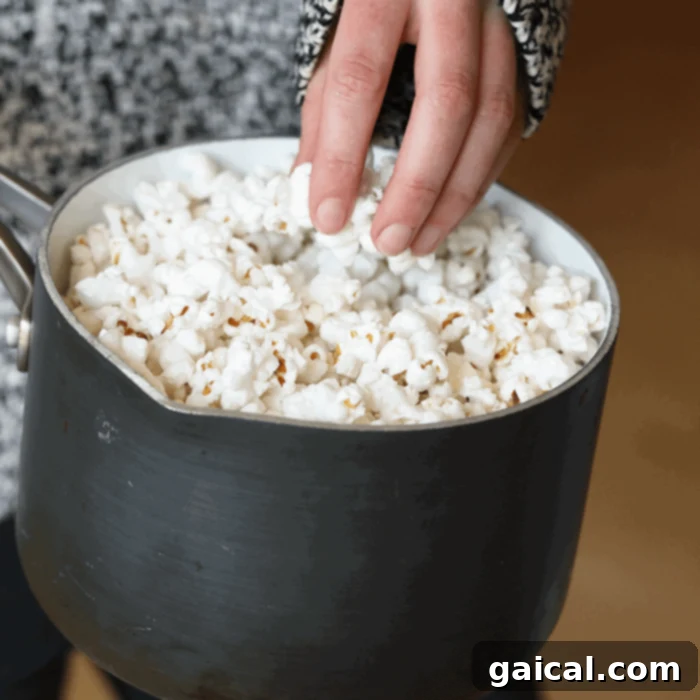
Transform your snack time into a delightful, homemade experience tonight with our easy-to-follow stovetop popcorn tutorial. In just a few minutes, you can create light, airy, and perfectly popped popcorn right on your stove. Say goodbye to microwave bags and hello to a healthier, more flavorful treat!
The Ultimate Guide to Perfect Stovetop Popcorn
Making popcorn on the stovetop might seem a little daunting if you’re new to it. You might worry about burning the kernels, or an avalanche of popcorn overflowing your pot. Even seasoned home cooks can feel a slight tremor of anticipation! But fear not – this comprehensive guide is designed to empower you with all the knowledge and tips you need to achieve perfectly popped, irresistibly airy stovetop popcorn every single time.
Beyond being incredibly simple and quick, homemade stovetop popcorn offers numerous benefits. It’s often healthier and more economical than pre-packaged options, allowing you full control over ingredients like oil and salt. Plus, the fresh aroma of popcorn filling your kitchen is an unbeatable bonus!
Essential Ingredients for Your Stovetop Popcorn
To embark on your journey to perfect homemade popcorn, you only need a few basic ingredients. Quality makes a difference, so let’s dive into what you’ll need:
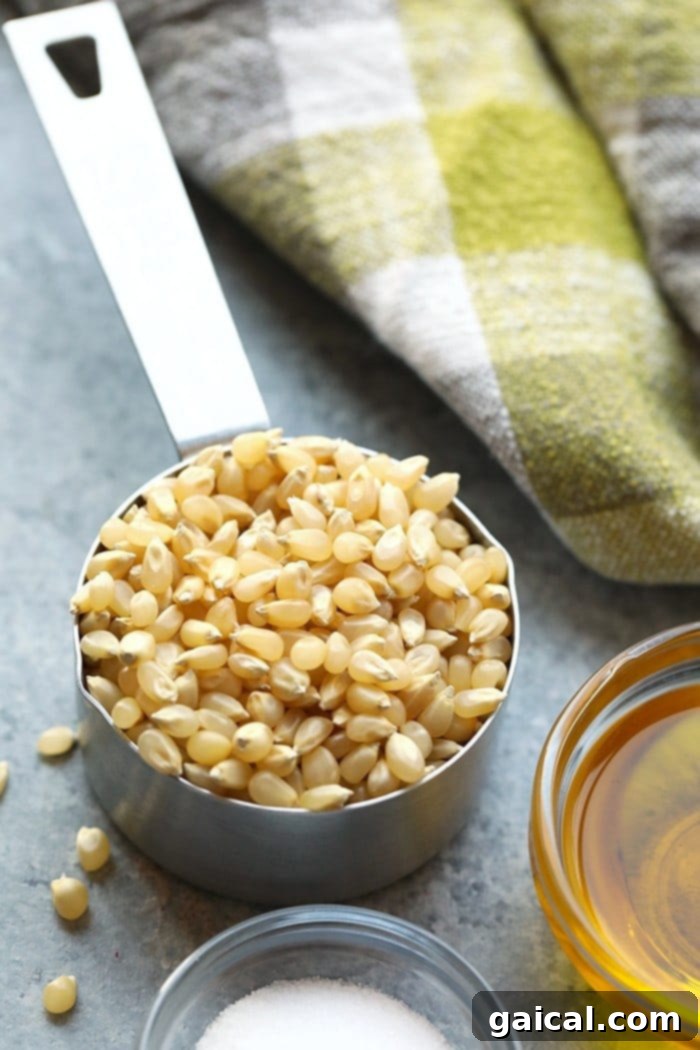
- Popcorn Kernels: The star of the show! Any variety of unpopped popcorn kernels will work. We often find great value buying them in bulk sections at grocery stores. Yellow kernels tend to produce larger, fluffier popcorn, while white kernels are smaller and more tender.
- High-Heat Oil: The right oil is crucial for even popping and a great flavor. You’ll want an oil with a high smoke point to prevent burning.
- Sea Salt: What’s popcorn without a sprinkle of salt? Fine-grained sea salt or even specialized popcorn salt adheres better to the kernels and provides even seasoning.
- Medium to Large Pot with a Lid: A good pot is your primary tool. A tightly fitting lid is absolutely non-negotiable for containing the popping kernels and creating the perfect environment.
Choosing the Right Popcorn Kernels
While all popcorn kernels pop, understanding the types can enhance your experience. The two most common varieties you’ll encounter are yellow and white kernels. Both are excellent for stovetop popping, so feel free to use whichever you prefer or have readily available.
- Yellow Kernels: These are the classic movie-theater style kernels. They typically pop into larger, fluffier pieces with a distinct “butterfly” shape, ideal for catching toppings.
- White Kernels: Smaller and rounder when popped, white kernels tend to have a more tender texture and a milder flavor. They are often referred to as “mushroom” popcorn if they retain a round shape, which is great for coating with caramel or other heavy toppings.
- Bulk Kernels: Buying popcorn in bulk is not only cost-effective but often ensures freshness. Look for a reliable source at your local market.
Selecting the Ideal Oil for Stovetop Popcorn
The type of oil you use significantly impacts the flavor and success of your stovetop popcorn. For the best results, we highly recommend using olive oil or avocado oil.
Why are these oils ideal? Both olive oil and avocado oil possess a relatively high smoke point, meaning they can withstand the medium-to-high heat required for popping without burning or imparting an acrid taste. They also have a light, neutral, or subtly pleasant flavor that complements the popcorn without overpowering it.
Considering an oil-free option? It is possible to pop corn without oil, though it can be a bit trickier to prevent burning and achieve even popping. If you prefer to skip the oil, you can try dry popping your kernels in a hot pot, shaking constantly. However, using a small amount of oil not only adds a lovely flavor but also helps the salt and seasonings adhere better to the popped kernels, and typically results in fewer unpopped kernels.
The Best Pot for Popping
Your choice of pot is more important than you might think. You’ll need a medium to large-sized pot, with a minimum capacity of 2.5 quarts, depending on how much popcorn you intend to make. Remember, popcorn expands significantly!
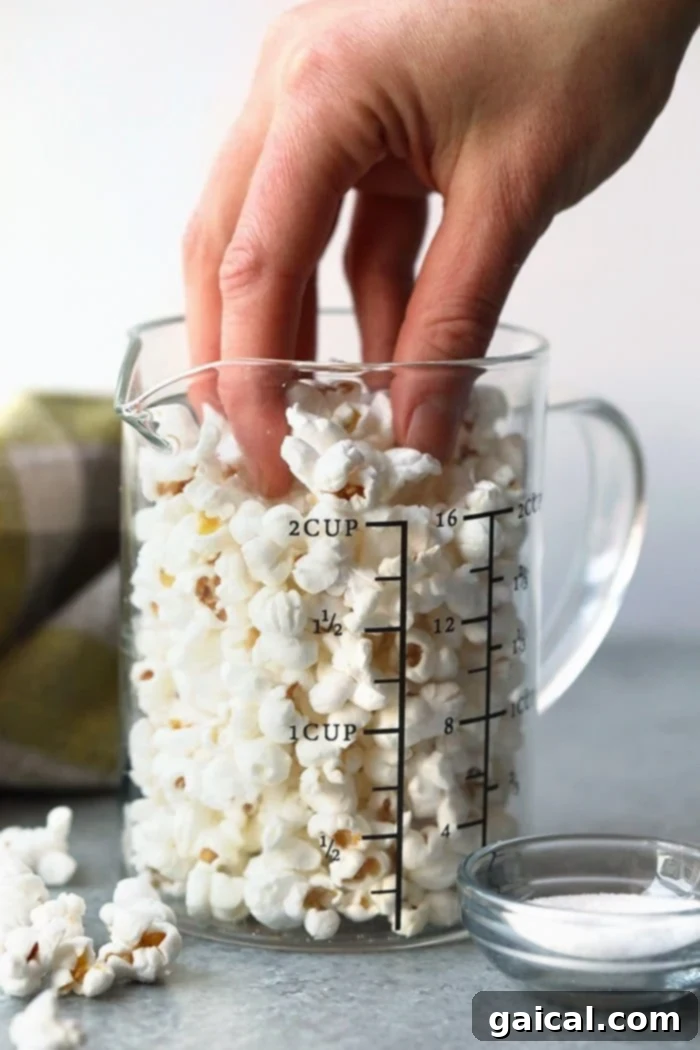
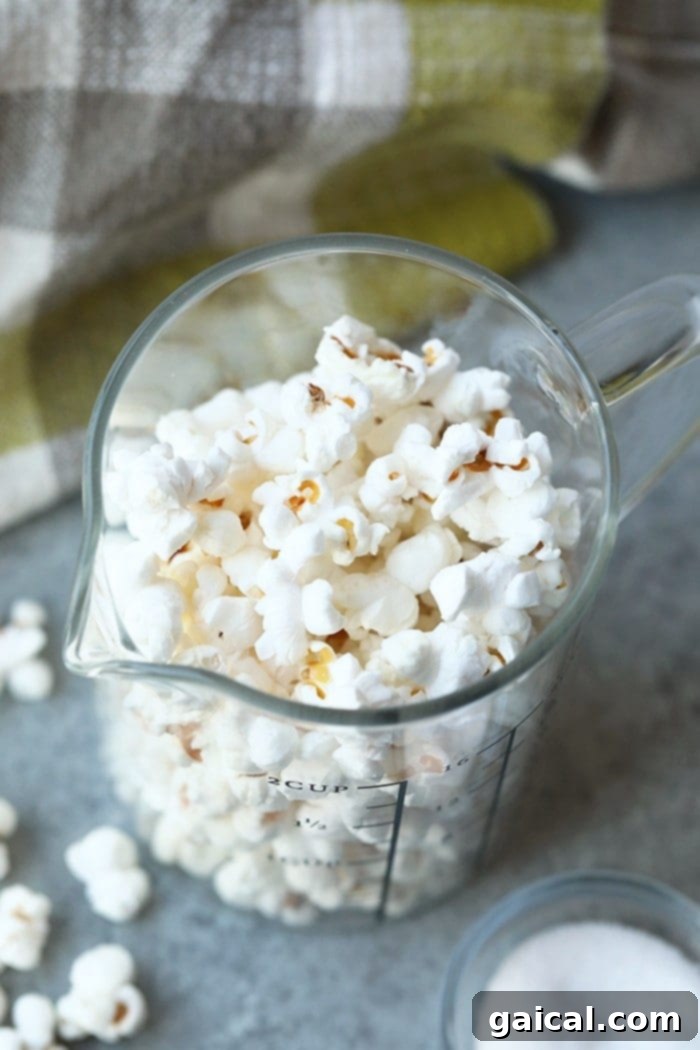
As a general guideline, 2 tablespoons of unpopped kernels yield approximately 5 cups of popped popcorn. For this recipe, which typically produces around 10 cups of popped popcorn, a 4-quart pot or larger is recommended to comfortably accommodate the fluffy results. A nonstick pot is often preferred for easier cleanup and to reduce the risk of sticking, but any heavy-bottomed pot will do. The most critical feature, however, is a tight-fitting lid. This keeps the heat inside, ensuring efficient popping, and prevents kernels from escaping during the popping frenzy.
Step-by-Step: How to Make Stovetop Popcorn
Making popcorn on the stove is wonderfully straightforward and incredibly fast. This tutorial promises perfectly fluffy popcorn in under 15 minutes!
-
Prepare Your Pot and Oil
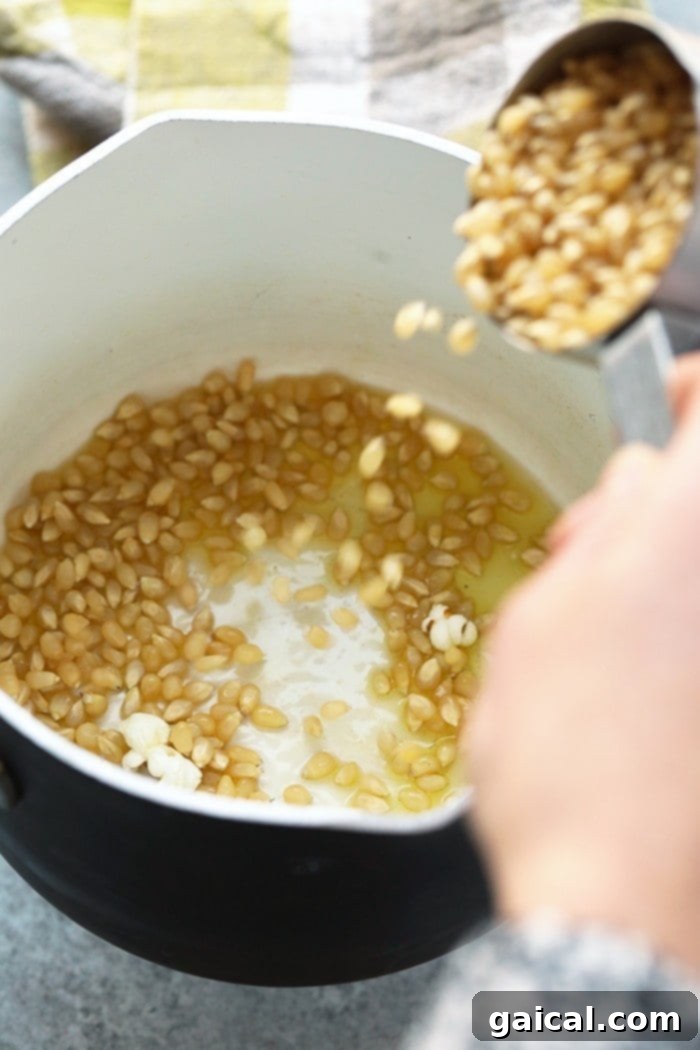
Start by placing your medium to large saucepan over medium-high heat. Drizzle the high-heat oil (about ½ tablespoon for ¼ cup of kernels) into the pot, spreading it as evenly as possible across the bottom. Allow the pot to heat for about 30 seconds to a minute.
-
Test the Kernels for Optimal Heat
Add just two or three popcorn kernels to the oiled pot and cover it with the lid. Shake the pot gently every so often. These “test kernels” serve a crucial purpose: they indicate when the oil has reached the perfect temperature. When these kernels pop (usually within 2-3 minutes), you know the pot is ready for the rest!
-
Add Remaining Kernels & Season
Once your test kernels have popped, remove the pot from the heat for about 30 seconds. This brief rest helps regulate the temperature, ensuring more kernels pop simultaneously without burning. Then, add the remaining unpopped kernels (¼ cup) and a pinch of salt. Place the lid back on and return the pot to medium-high heat. Give the pot a good shake to ensure all kernels are coated in oil and salt.
-
The Art of Shaking
Continue to shake the pot periodically, about every 15-20 seconds. This prevents kernels from settling and burning on the bottom and promotes even heating. Soon, you’ll hear the delightful sound of popping begin. Keep the lid on tightly throughout this process.
-
When It’s Done
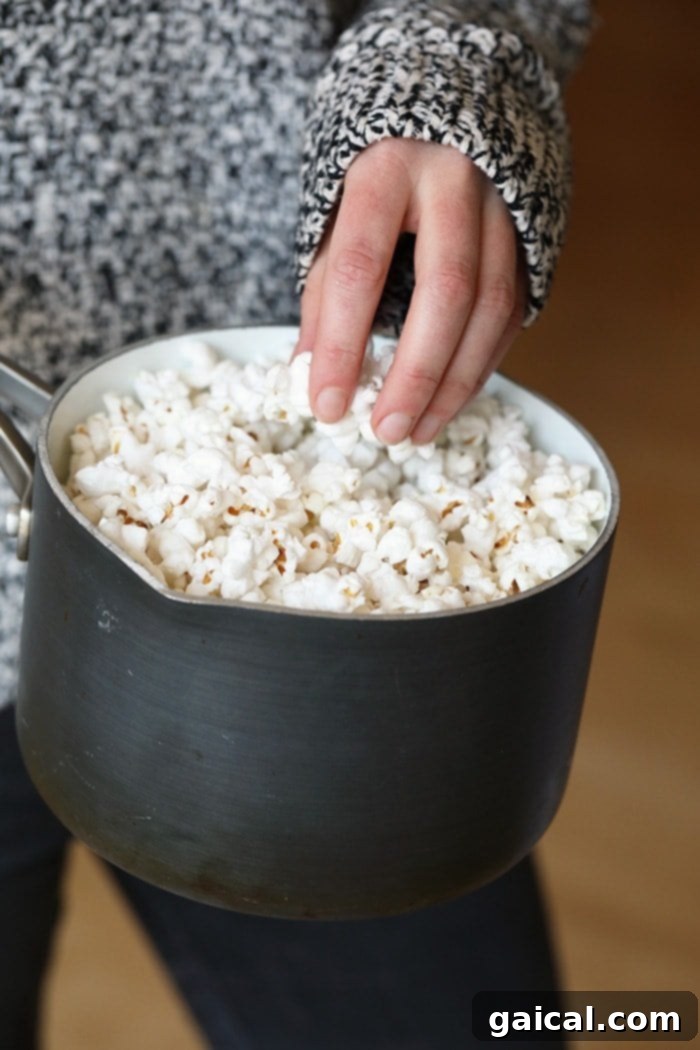
Maintain consistent shaking as the popcorn pops. The popping will intensify and then gradually slow down. You’ll know your popcorn is ready when the interval between pops stretches to about 2 to 3 seconds. At this point, immediately remove the pot from the heat to prevent burning. Pour your fresh popcorn into a large bowl.
If you prefer to add more salt or any other seasonings, now is the perfect time! Your homemade stovetop popcorn is ready to enjoy.
Troubleshooting Common Stovetop Popcorn Issues
Even with the best instructions, you might encounter a few common challenges when making stovetop popcorn. Here’s how to tackle them:
- Too Many Unpopped Kernels (Old Maids): This often indicates the heat was too low or not evenly distributed. Ensure your oil is hot enough by using the test kernel method, and shake the pot frequently to move kernels around. Storing kernels in an airtight container can also help maintain their moisture content, which is key for popping.
- Burnt Popcorn: This is usually a sign of too much heat, insufficient shaking, or leaving the popcorn on the heat for too long after it’s done popping. Make sure you remove the pot as soon as the popping significantly slows down (2-3 seconds between pops).
- Soggy or Chewy Popcorn: If your popcorn isn’t crisp, it might be due to trapped steam. Once popped, immediately transfer the popcorn from the hot pot to an open bowl to allow steam to escape.
- Popcorn Overflows the Pot: This simply means your pot isn’t large enough for the amount of kernels you’re popping. Remember, kernels expand significantly! Always choose a pot that can comfortably hold at least 4-5 times the volume of your unpopped kernels.
Frequently Asked Questions About Stovetop Popcorn
Here are some common questions we get about making and enjoying stovetop popcorn:
- How much popcorn does 2 tablespoons of kernels make?
- For every 2 tablespoons of unpopped popcorn kernels (considered a single serving), you can expect to yield approximately 5 cups of popped popcorn.
- Is popcorn healthy?
- Absolutely! When made at home with minimal oil and salt, popcorn is a fantastic healthy snack for both adults and children. It is a 100% whole grain, naturally low in fat, and exceptionally high in fiber. A single serving (2 tablespoons unpopped) typically contains around 110 calories, 2g fat, 25g carbohydrates, 5g fiber, 0g sugar, and 3g protein. Its high fiber content contributes to satiety, making it a satisfying choice.
- Is popcorn gluten-free?
- Yes, pure popcorn kernels are naturally gluten-free. If you have celiac disease or a gluten allergy, always opt for plain, unflavored kernels and ensure no cross-contamination occurs with other gluten-containing grains during preparation. Most bulk section kernels and reputable brands are naturally gluten-free.
- What are the nutritional benefits of homemade popcorn?
- Homemade popcorn offers significant nutritional advantages. As a whole grain, it provides dietary fiber, which aids digestion and promotes gut health. It also contains protein and essential antioxidants. Plus, the sheer volume of 5 cups of popped popcorn per serving makes it a filling and enjoyable snack without excess calories.
- Can I make popcorn ahead of time?
- While best enjoyed fresh, you can make popcorn a few hours ahead of time. Store it in an airtight container at room temperature to maintain its crispness. However, it will inevitably lose some of its freshness and crunch compared to just-popped corn.
Elevate Your Snack: Creative Popcorn Seasonings and Toppings
Don’t settle for plain salted popcorn every time! Homemade popcorn is a blank canvas for a myriad of delicious seasonings and toppings. Get creative and transform your snack experience:
- Chai Spice: A warm, aromatic blend perfect for a cozy treat.
- Everything Bagel Seasoning: Savory, crunchy, and packed with flavor – a popular choice!
- Homemade Taco Seasoning: Bring a zesty, Tex-Mex kick to your popcorn.
- Parmesan Garlic: A classic savory combination. Toss with a little melted butter or olive oil for better adhesion, then sprinkle with grated Parmesan and garlic powder.
- Cinnamon Sugar: For a sweet treat, mix cinnamon and sugar and sprinkle over warm popcorn.
- Nutritional Yeast: A cheesy, umami flavor bomb for a healthy, dairy-free alternative.
- Hot Sauce Drizzle: For those who like a little heat, a light drizzle of your favorite hot sauce can be surprisingly good.
- Chocolate Drizzle: Melt dark chocolate and drizzle over popcorn for a decadent dessert-like snack.
- Ranch Seasoning: A tangy, herby favorite that turns popcorn into a savory delight.
Beyond the Basics: Explore More Popcorn Recipes
Once you’ve mastered the art of basic stovetop popcorn, the possibilities are endless. If you’re looking for more innovative and fun popcorn creations, explore these fantastic snack mixes:
- 4 DIY Easy Popcorn Snack Mixes – Discover how to make:
- Churro Popcorn
- Parmesan Garlic Popcorn
- Peanut Butter Dark Chocolate Popcorn
- Ranch Popcorn
How to Make Stovetop Popcorn
Get perfect, airy popcorn every time with this easy stovetop popcorn tutorial. All you need are popcorn kernels, a high-heat oil, and a dash of salt for a quick, healthy, and satisfying snack!
By: Lee Funke
Prep Time: 5 mins | Cook Time: 10 mins | Total Time: 15 mins
Yields: 2 servings (approximately 10 cups popped)
Ingredients
- ¼ cup popcorn kernels
- ½ tablespoon olive oil* (or avocado oil)
- Salt, to taste
Instructions
- Place ½ tablespoon of oil on the bottom of a medium to large pot (at least 2.5 quarts to accommodate popped kernels). Turn the heat to medium-high and add two unpopped popcorn kernels to the oil. Cover the pot with a lid and let it sit, shaking periodically.
- Once the two test popcorn kernels have popped, remove the pot from the heat for about 30 seconds to allow the temperature to equalize. Then, add the rest of the unpopped popcorn kernels and a pinch of salt. Cover again and shake the kernels well so they are fully coated in oil and salt.
- Return the pot to medium-high heat. Continue to periodically shake the pot (with the lid on) approximately every 20 seconds. This prevents burning and ensures even popping. Soon, you will hear the kernels begin to pop rapidly!
- Keep shaking the pot as the popcorn pops. When the popping sounds slow down to about 2 or 3 seconds between individual pops, the popcorn is done. Immediately remove the pot from the heat to prevent burning.
- Transfer the popcorn to a large bowl. At this point, you can add more salt or any other desired seasonings to your heart’s content! Serve immediately and enjoy.
Nutrition
Nutrition information is an approximation. Per serving (½ of recipe):
Calories: 170 kcal, Carbohydrates: 26 g, Protein: 4 g, Fat: 8 g, Fiber: 7 g, Sugar: 0 g
Disclaimer: Nutrition information is automatically calculated and should only be used as an approximation.
Love this easy stovetop popcorn recipe? We’d love to hear your thoughts! Leave a comment below and don’t forget to tag your delicious creations on social media with the hashtag #fitfoodiefinds. We can’t wait to see what you’re popping!