
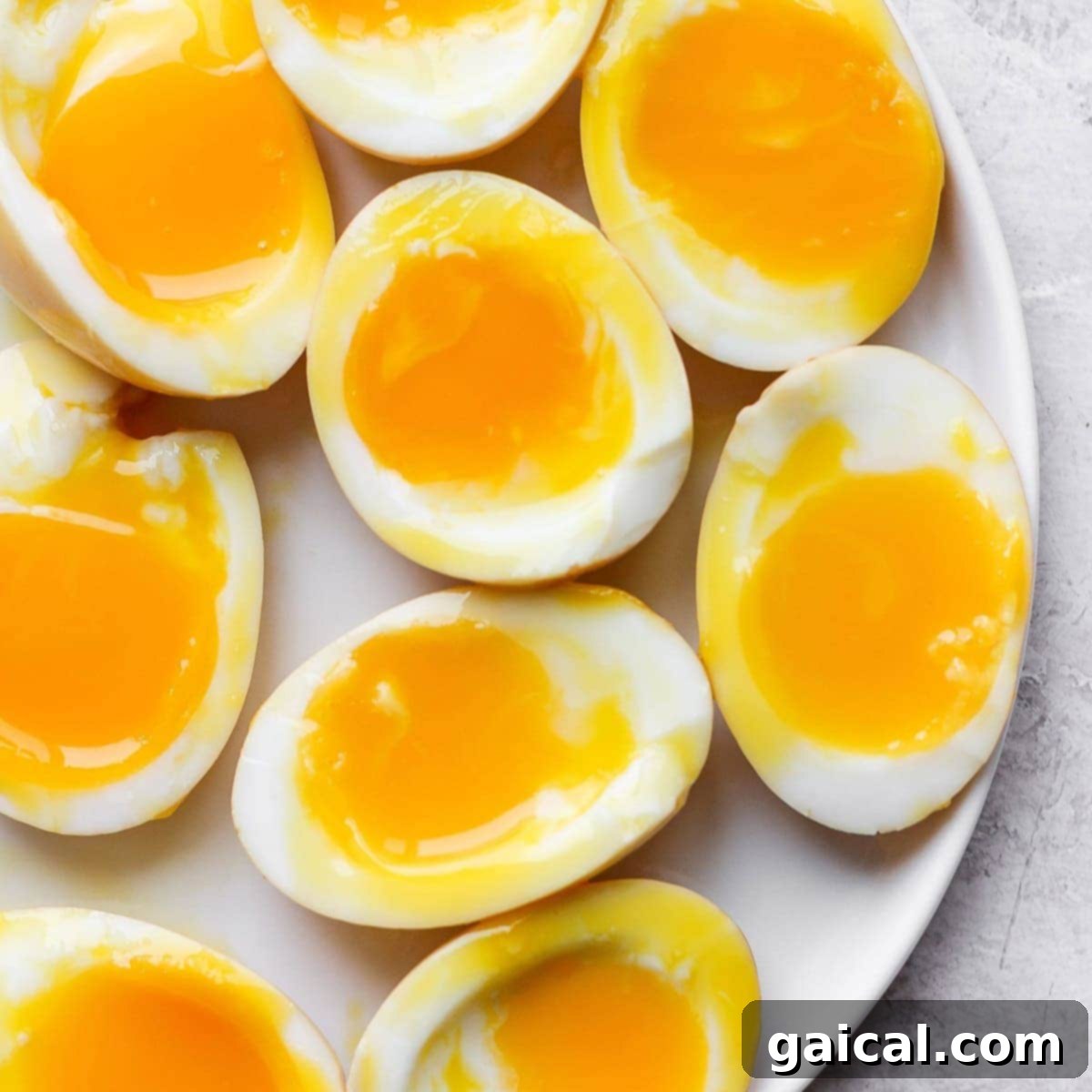
Prepare to embark on a truly unique culinary journey with a recipe that transcends the ordinary ramen egg. These aren’t your traditional Ajitama; these are exquisitely soft-boiled ramen eggs, thoughtfully marinated in an invigorating and aromatic black tea and ginger infusion. This distinctive preparation yields eggs bursting with a complex flavor profile that is both subtly earthy and vibrantly spicy. Whether you’re seeking a delightful, protein-packed snack to enjoy on its own or aiming to elevate a humble bowl of ramen into a gourmet masterpiece, these exceptional eggs promise to be an unforgettable addition to your kitchen repertoire. Get ready to transform simple eggs into a flavor sensation!
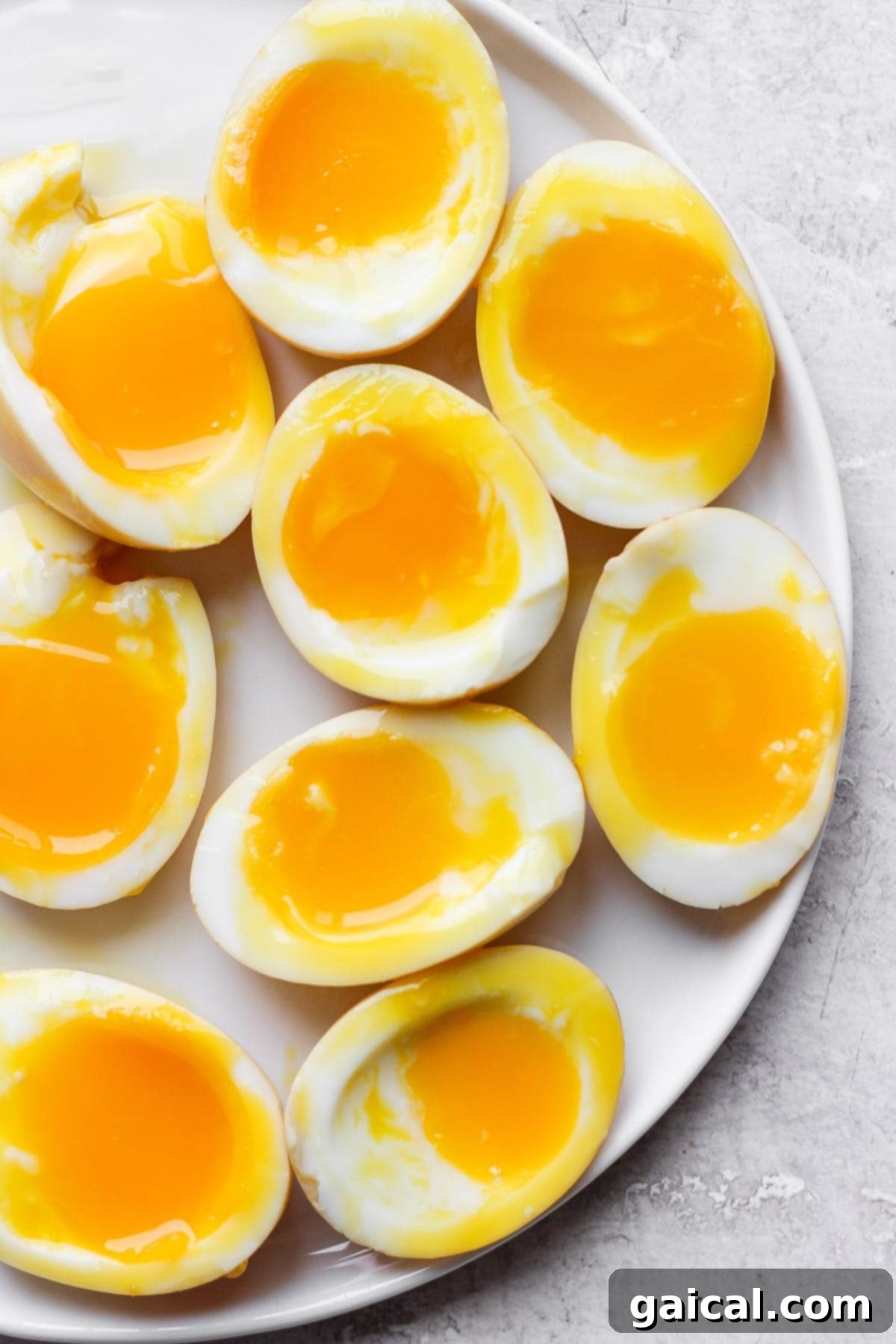
Elevate Your Culinary Adventures with Black Tea & Ginger Ramen Eggs: Your New Favorite Ajitama Recipe
Here at Fit Foodie Finds, our adoration for eggs knows no bounds! We celebrate the incredible versatility of eggs in every form, from the satisfying chew of perfectly hard-boiled eggs to the delicate fluffiness of scrambled eggs, and even the innovative ease of baked eggs. But among all these beloved preparations, our distinctive Black Tea and Ginger Ramen Eggs have quickly soared to the top of our list as an absolute standout. These aren’t merely eggs; they’re a vibrant explosion of flavor, designed to enhance everything from a casual snack break to a hearty, comforting bowl of ramen. Their adaptability means the culinary possibilities are genuinely limitless – whether enjoyed chilled, sliced, or nestled into a warm broth, these eggs promise to delight.
A Flavorful Departure: Our Unique Twist on Traditional Ajitama (Japanese Ramen Eggs)
When most people envision classic Japanese ramen eggs, or Ajitama, they typically picture soft-boiled eggs with a lusciously jammy, slightly runny yolk. These eggs are traditionally cooled rapidly in an ice bath to halt cooking, then submerged in a savory marinade made from soy sauce, mirin (sweet rice wine), and water. This method yields a deeply umami-rich egg that perfectly complements the complex broths of Japanese ramen.
Our Black Tea and Ginger Ramen Eggs offer a delightful and innovative departure from this traditional approach, while still honoring the foundational technique of achieving that coveted soft-boiled texture. Just like classic Ajitama, our eggs are precisely soft-boiled and then immediately plunged into an ice bath—a crucial step for ensuring a perfect consistency and facilitating effortless peeling. However, where our recipe truly diverges, and where its unique character shines, is in the marinade. Drawing inspiration from the ancient and aromatic practice of making Chinese Tea Eggs (for those interested in the authentic technique, we highly recommend exploring The Woks of Life’s recipe), our marinade infuses the eggs with the subtle, malty notes of black tea combined with the warming, zesty kick of fresh ginger. This creates a beautifully nuanced, fragrant, and slightly spicy flavor profile that offers a refreshing alternative to the traditional mirin-soy blend. It’s a taste experience that is both comforting and exotic, making these tea-marinated eggs an exciting new favorite for culinary explorers.
The Simple Path to Flawless Black Tea & Ginger Ramen Eggs
Crafting these exceptional ramen eggs might sound intricate, but the process is surprisingly straightforward and incredibly rewarding. By breaking it down into a few manageable steps, even beginner cooks can achieve gourmet results. Each stage is designed to build flavor and ensure perfect texture. Let’s outline the journey to your delicious homemade Black Tea and Ginger Ramen Eggs:
- Begin with the Aromatic Marinade: This foundational step is where the unique essence of your eggs originates.
- Achieve the Perfect Soft Boil: Master the art of cooking eggs to that ideal delicate white and luscious, jammy yolk.
- Immediate Ice Bath Immersion: A vital step to prevent overcooking and simplify peeling.
- Gentle Peeling and Flavor Infusion: Carefully remove the shells and let the eggs soak up the exquisite marinade.
- Savor and Enjoy: The moment you’ve been waiting for – indulging in your perfectly flavored ramen eggs!
Follow these steps closely, and you’ll be enjoying perfectly marinated, flavor-packed eggs that are sure to impress. Detailed instructions for each stage are provided below to guide you every step of the way.
Crafting the Irresistible Tea & Ginger Marinade: A Detailed Guide
The heart and soul of our exceptional ramen eggs reside in their distinctively aromatic and flavorful marinade. This initial step is paramount, not just for building the complex taste, but also because proper preparation dictates the ultimate success of your eggs. It is absolutely crucial to prepare the marinade first and allow it to cool completely to room temperature before introducing the delicate soft-boiled eggs. Introducing eggs to a warm marinade would continue their cooking process, risking an overcooked, firm yolk—a texture we are keen to avoid!
Despite its rich flavor, this marinade is incredibly simple to assemble, requiring minimal effort for maximum impact. Here’s a detailed breakdown of how to prepare this foundational flavor base:
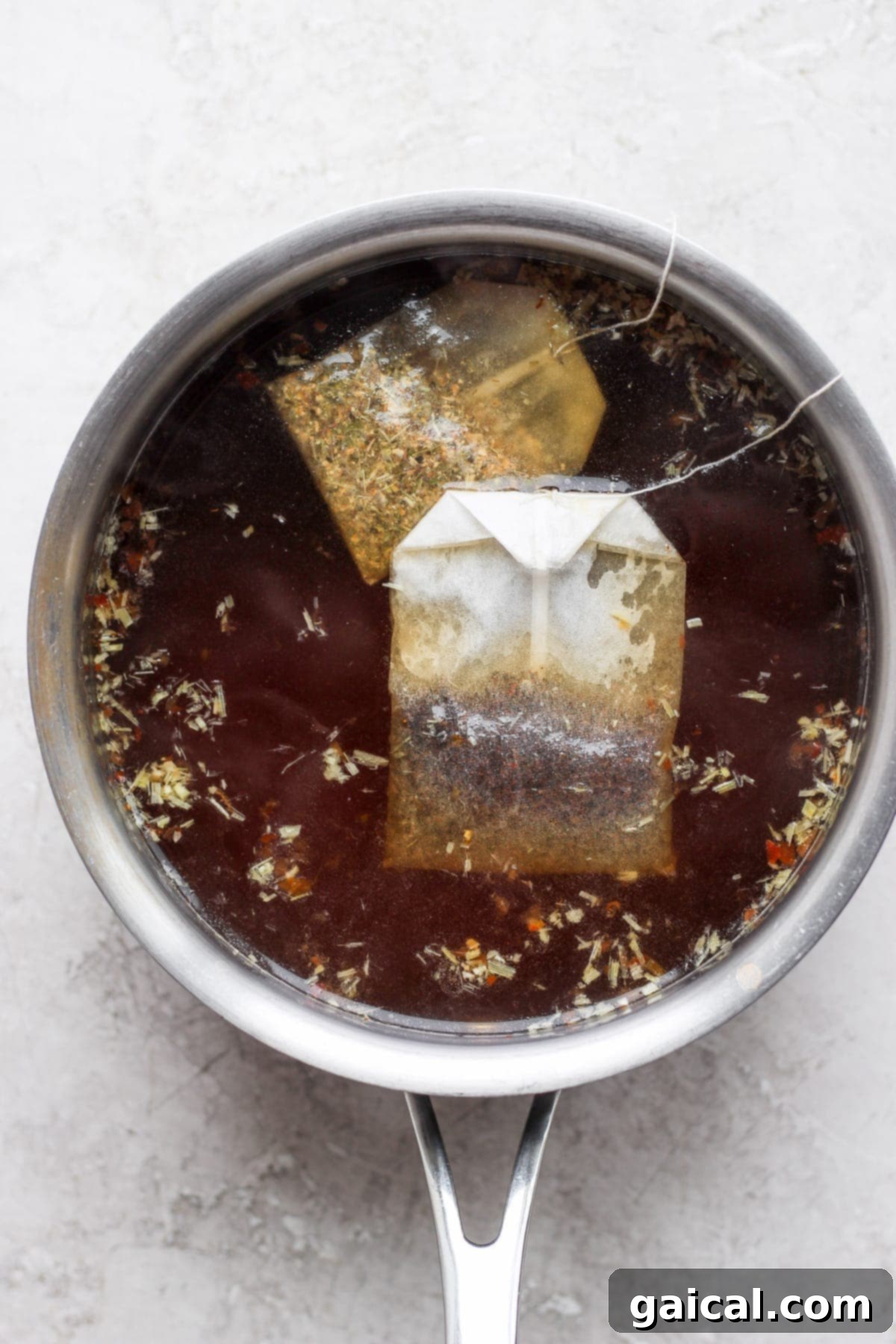
- Begin by bringing 4 cups of fresh water to a vigorous boil in a medium-sized saucepan. Once the water reaches a rolling boil, immediately remove the saucepan from the heat source. This prevents the liquids from reducing too much and ensures a consistent flavor.
- Into the hot water, add the key savory and aromatic components: soy sauce (or tamari if you require a gluten-free option), freshly grated ginger (which provides a pungent warmth), finely grated lemongrass (offering a bright, citrusy, and slightly floral note), and fish sauce (to contribute a crucial layer of umami depth). Whisk all these ingredients thoroughly until they are well combined, allowing their individual fragrances to meld beautifully.
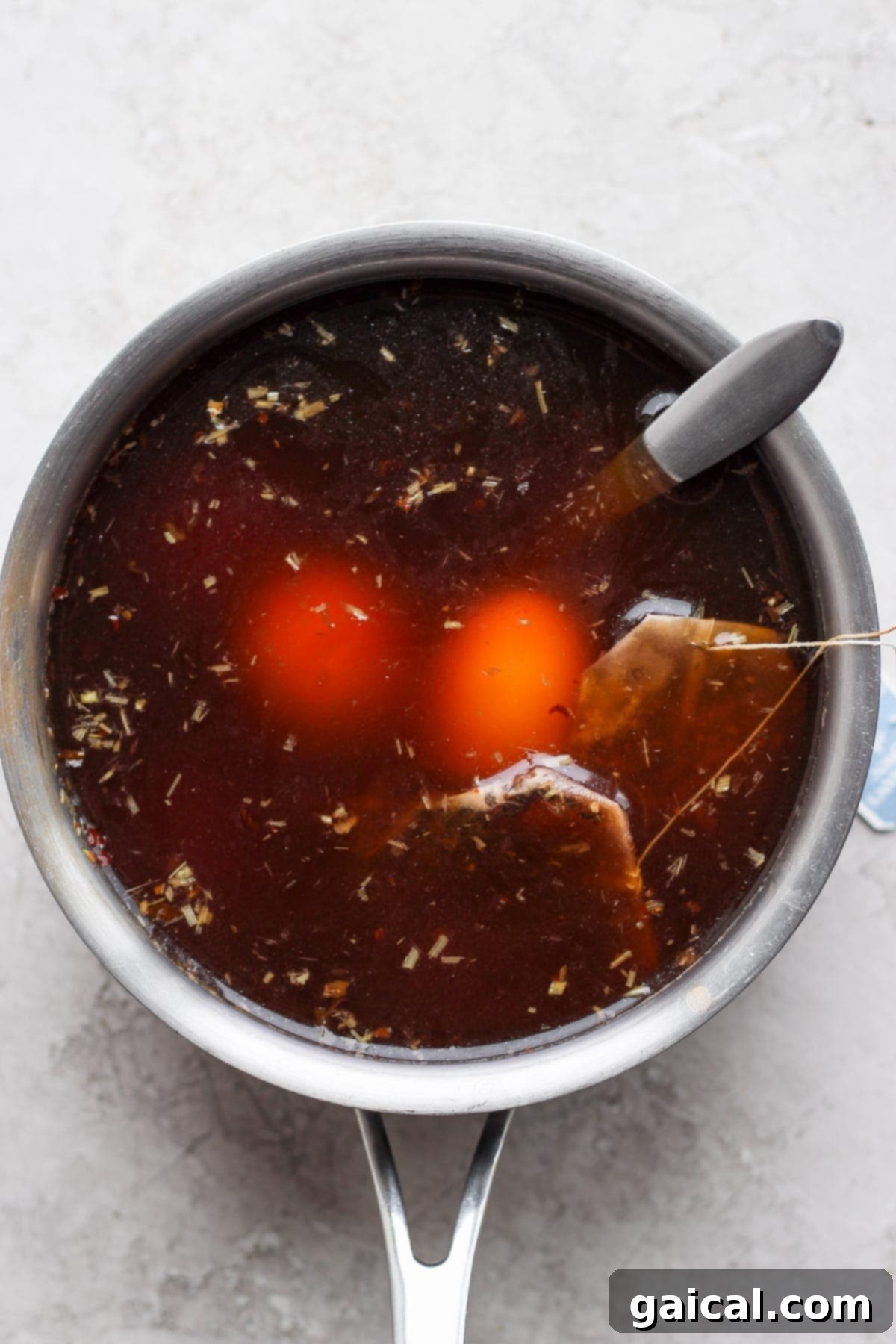
- The final touch for the marinade involves the tea. Carefully submerge both the black tea bags (which will lend a subtle, earthy, and slightly malty base) and the ginger tea bags (doubling down on that invigorating ginger flavor) into the mixture. Allow them to steep and infuse their robust flavors into the liquid as the entire marinade slowly cools down to room temperature. This cooling process is not just for preventing overcooking; it also allows the flavors to deepen and fully integrate, creating a more harmonious and complex marinade.
Unleash Your Creativity: Customizing Your Marinade with Flavor Variations
Yes, absolutely! The beauty of this Black Tea and Ginger Ramen Egg recipe lies in its inherent flexibility. While our suggested marinade provides a uniquely delicious and aromatic foundation, we wholeheartedly encourage you to experiment and tailor the flavors to suit your personal preferences. Do you crave more heat? Don’t hesitate to increase the amount of garlic chili sauce or add a dash of sriracha for an extra fiery kick. For those who appreciate deeper, richer umami notes, consider incorporating a splash of dark mushroom soy sauce or a hint of star anise or a cinnamon stick during the steeping process for a more pronounced, complex spice profile reminiscent of traditional Chinese tea eggs. A small piece of dried orange peel can introduce a subtle citrus brightness, or a pinch of Chinese five-spice powder could add an exotic warmth. Feel empowered to adjust, add, and explore—your kitchen is your laboratory, and these eggs are a perfect canvas for culinary creativity!
Here’s a Critical Tip: Ensure Your Marinade is COMPLETELY Cooled!
This instruction is absolutely paramount to the success of your Black Tea and Ginger Ramen Eggs: you must allow the marinade to cool down entirely to room temperature before gently submerging your soft-boiled eggs. Why is this step so critically important? The delicate balance of a perfectly soft-boiled egg, with its tender whites and luscious, jammy yolk, can be easily disrupted. If the marinade retains any residual warmth, even a slight heat, it will continue to slowly cook your eggs. This inadvertent cooking will transform that coveted runny or jammy yolk into a firmer, less desirable consistency, detracting from the luxurious experience these eggs are meant to deliver. Patience during this cooling phase is not merely a suggestion; it is the cornerstone of achieving the ideal texture and maximum flavor absorption for your exquisite ramen eggs.
Mastering the Art of Perfect Soft-Boiled Eggs for Ramen
The defining characteristic of an outstanding ramen egg, or Ajitama, is its impeccably soft-boiled state. While individual preferences for yolk firmness certainly vary—and there is no culinary judgment for those who prefer a more set yolk—the traditional and most exquisite presentation for these marinated eggs features a firm yet tender egg white embracing a gloriously rich, velvety, and beautifully molten yolk. This creamy, golden center is what elevates the ramen egg from a simple boiled egg to a truly indulgent and satisfying component of any meal.
Before you even think about bringing water to a boil, a crucial preparatory step is to ready your ice bath. Take a large bowl and generously fill it with ice cubes, then cover the ice completely with cold water. This step is not merely optional; it is fundamental to the success of your soft-boiled eggs. The ice bath serves as an immediate shock treatment, instantly halting the cooking process the moment your eggs are removed from the hot water. This precision in timing is what guarantees that coveted jammy yolk and prevents overcooking.
The Golden Rule: Prepare Your Ice Bath FIRST! It is absolutely imperative that your ice bath is fully prepared and waiting BEFORE your eggs even begin boiling. The swift transfer of the eggs from the intensely hot water directly into the frigid ice bath performs two vital functions: first, it immediately stops the residual heat from continuing to cook the egg yolks, thereby preserving their perfectly soft, jammy consistency. Second, this rapid cooling causes the egg white to contract, which in turn helps separate the delicate membrane from the shell, making the eggs significantly easier to peel without tearing the whites. This small but critical step is a game-changer for perfect results!
Precision Cook Time for Ideal Ramen Eggs
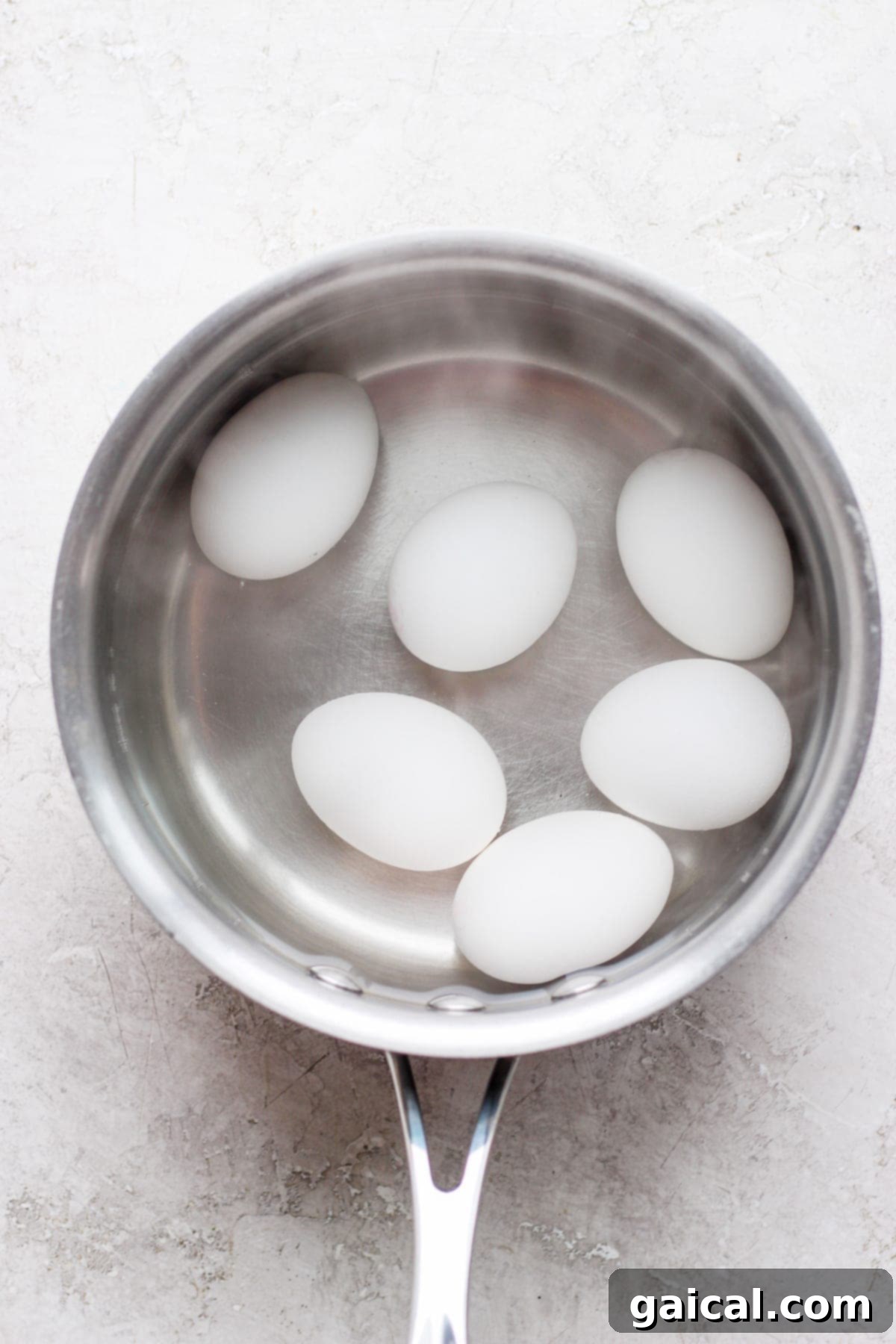
To achieve that quintessential soft-boiled ramen egg with a perfectly set white and a gorgeously runny, rich yolk, follow these precise cooking instructions: Bring a medium pot of water to a vigorous, rolling boil. Once the water is bubbling rapidly, carefully lower your eggs into the pot using a slotted spoon or a spider strainer to prevent any cracking. The key to consistency is to immerse them gently. Once the eggs are in the water, immediately set your timer for exactly 5 minutes. This specific duration is precisely calibrated to deliver the ideal soft-boiled texture.
The very instant the 5 minutes are complete, without any delay, swiftly remove the eggs from the boiling water with your slotted spoon and plunge them directly into the pre-prepared ice bath. Allow the eggs to cool completely in the ice bath for a minimum of 5 minutes. This rapid cooling step is, as previously emphasized, utterly essential for two reasons: it completely arrests the cooking process, safeguarding the jammy yolk, and it also aids significantly in making the eggs much easier to peel later on.
The Delicate Art of Peeling and Marinating Your Perfect Eggs
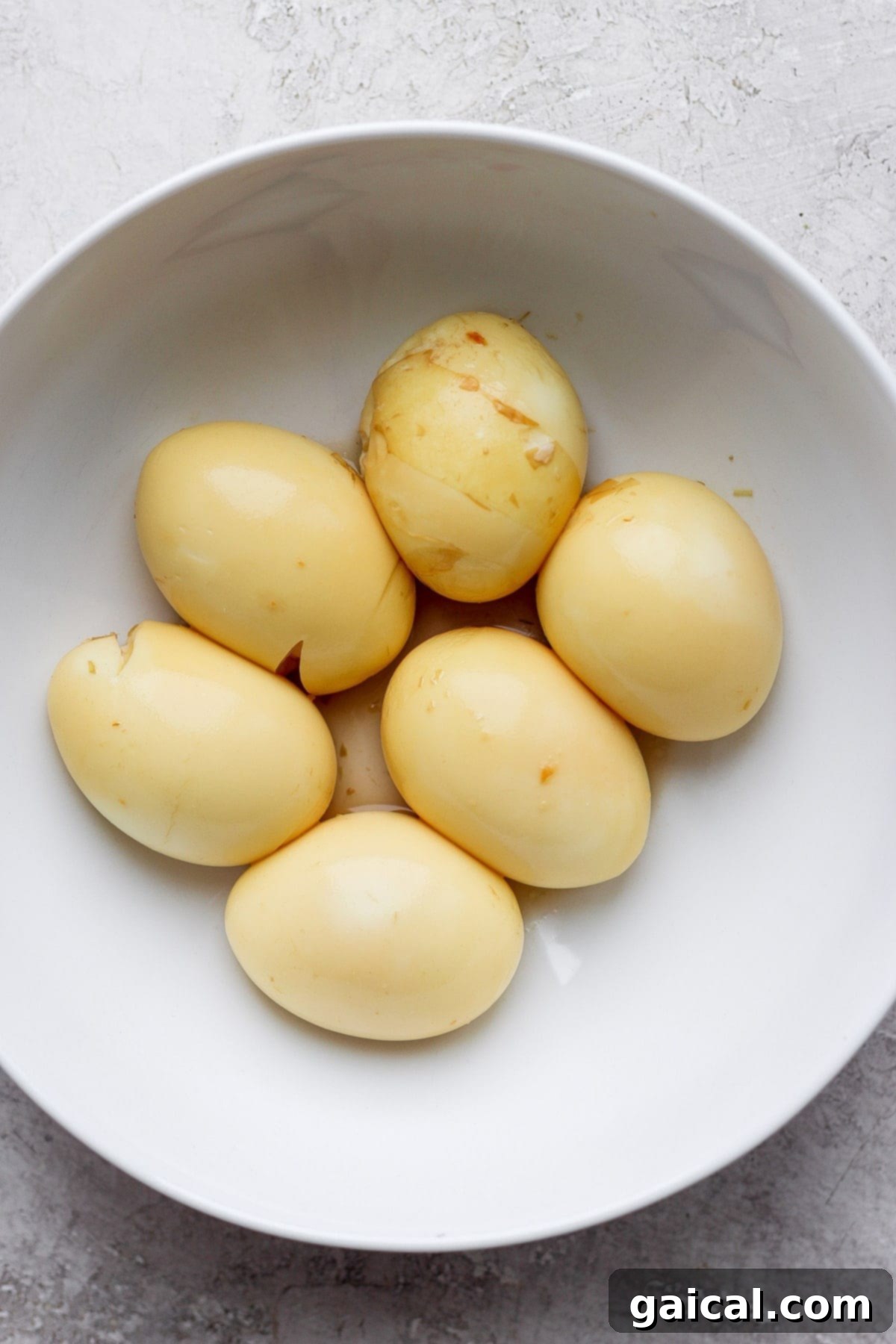
Once your beautifully soft-boiled eggs have thoroughly chilled in their ice bath for at least 5 minutes—and feel free to extend this cooling period if you’re busy with other tasks—it’s time for the often-dreaded, yet manageable, art of peeling. Carefully retrieve each egg from the icy water. The cold shock not only stops the cooking but also causes the egg whites to contract slightly, which helps to separate the inner membrane from the shell, making the peeling process much smoother and less frustrating. With gentle hands, begin to carefully peel each egg, aiming to keep the delicate whites intact. After successfully peeling, immediately submerge your pristine soft-boiled eggs into the completely cooled, aromatic black tea and ginger marinade to begin their magical flavor transformation.
How Long Should You Soak Your Ramen Eggs for Optimal Flavor Absorption?
The duration of the marinating process is a direct determinant of the depth and intensity of flavor in your Black Tea and Ginger Ramen Eggs. For a quick and thoroughly delicious result, we recommend a minimum soak of at least 30 minutes in the cooled marinade. This allows sufficient time for the eggs to absorb the vibrant ginger and subtle tea notes, making them enjoyable right away.
However, for a truly exceptional, deeply flavored, and beautifully colored egg, we cannot recommend highly enough an extended marination period. For the most profound and irresistible taste experience, transfer your peeled eggs along with the entire marinade into an airtight container and refrigerate them overnight, or for up to 24 hours. This prolonged soaking time allows the eggs to fully imbibe the complex flavors of the marinade, resulting in a more deeply colored, intensely savory, and utterly unforgettable egg that will become a staple in your culinary repertoire. The longer they soak, the more profound and satisfying the flavor will be!
Expert Tips and Tricks for Crafting Perfect Ramen Eggs Every Time
While making ramen eggs is relatively simple, a few expert insights can help you elevate your results from good to absolutely perfect. Here’s a deeper dive into common questions and invaluable techniques to master your Black Tea and Ginger Ramen Eggs:
What Kind of Eggs Are Best Suited for Ramen?
For the most authentic and satisfying ramen experience, soft-boiled eggs are unequivocally the best choice. Their creamy, custardy, almost molten yolk provides a luxurious texture and rich flavor that perfectly complements the savory broths and springy noodles of ramen. The term “ramen egg” (Ajitama) itself inherently implies this specific soft-boiled, marinated preparation. While you could technically use a hard-boiled egg, it would lack the signature richness and mouthfeel that makes ramen eggs so beloved. We recommend using large eggs for the most generous and enjoyable serving.
The Gentle Art of Peeling a Soft-Boiled Egg Without Frustration
Peeling soft-boiled eggs can often be the trickiest part, but with the right technique, it becomes much less daunting. After your eggs have had sufficient time to cool down in an ice bath, gently tap the broader end of the egg on a hard surface to create a small, localized crack. Then, very carefully begin peeling a section of the shell. A crucial tip is to peel the eggs either under cold running water or directly submerged in the ice bath. The water acts as a lubricant, making it significantly easier for the delicate membrane between the shell and the egg white to release, preventing bits of the egg white from tearing off with the shell. If you encounter stubborn pieces where the shell adheres to the egg membrane, try slipping your finger or even a small spoon gently under the membrane itself. With a bit of finesse, the membrane (and the attached shell) should slide off more easily. Don’t worry if your peeled eggs aren’t absolutely flawless; a few minor imperfections in appearance won’t diminish their incredible taste!
Creative and Delicious Ways to Serve Your Flavorful Ramen Eggs
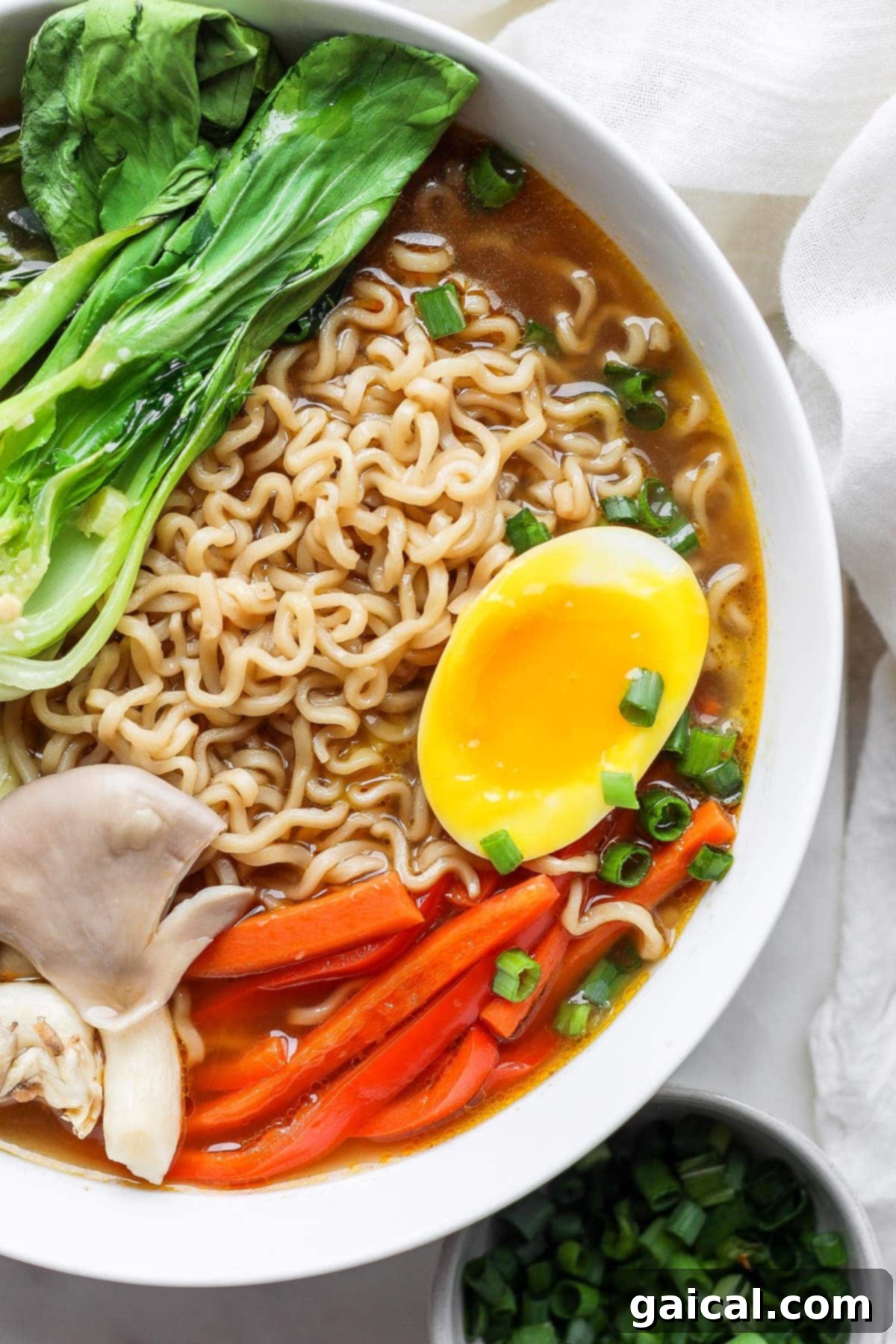
While the most iconic and perhaps obvious way to relish these exquisite Black Tea and Ginger Ramen Eggs is to place them proudly atop a steaming, aromatic bowl of your favorite ramen soup, their versatility truly shines beyond this traditional pairing. The rich, jammy yolk and savory, spiced marinade will beautifully meld with any broth, adding depth, texture, and a stunning visual appeal. However, these flavor-packed eggs are far too delicious and adaptable to be limited to just ramen! They can brilliantly elevate a myriad of other dishes, becoming a fantastic, secretly simple ingredient for countless culinary applications:
- A Sophisticated Snack or Quick Breakfast: Enjoy your marinated ramen eggs chilled, just as you would a classic hard-boiled egg. They transform into a surprisingly gourmet and deeply satisfying snack, offering a substantial boost of protein to keep you energized throughout your day, or a quick, flavorful breakfast option when you’re short on time.
- Elevate Your Everyday Salads: Slice them in half or quarters and add them to virtually any of your favorite salads. The umami-rich and subtly spiced marinade provides a wonderful counterpoint to fresh greens and vibrant vegetables. They are particularly exquisite when incorporated into our simple Asian salad, where their flavors complement the dressing and other ingredients perfectly.
- Gourmet Sandwiches and Avocado Toast: For an elevated breakfast or lunch, lightly mash the marinated eggs with a touch of mayonnaise or creamy avocado to create a unique and flavorful egg salad sandwich. Alternatively, simply slice and layer them onto a piece of crispy avocado toast for a truly luxurious start to your day.
- Enrich Grain Bowls and Rice Dishes: Add a halved Black Tea and Ginger Ramen Egg to your healthy and customizable grain bowls, Buddha bowls, or stir-fry rice bowls. They provide an instant boost of protein, color, and an incredible depth of flavor that can transform a simple meal into something extraordinary.
- As an Elegant Side Dish: Serve these marinated eggs alongside grilled vegetables, a simple bowl of steamed rice, or even as a sophisticated component within a homemade bento box for a packed lunch that is both nutritious and visually appealing.
Storage Solutions for Your Delicious Black Tea & Ginger Ramen Eggs
Ensuring proper storage is key to extending the enjoyment of your fantastic Black Tea and Ginger Ramen Eggs for several days. With the right method, you can keep them fresh, flavorful, and ready to enjoy whenever a craving strikes. Here’s essential information on how to store them effectively:
How Long Do Ramen Eggs Last in the Refrigerator?
Once your soft-boiled eggs have been carefully peeled and thoroughly marinated, they can be safely stored in the refrigerator for up to 5 days. To best preserve their freshness, prevent them from absorbing any unwanted odors from other foods in your fridge, and continue to deepen their flavor, it is highly recommended to store them in an airtight container. Ideally, keep them submerged in their marinade if there’s enough liquid, as this will continue to infuse and enhance their taste over the storage period. Always ensure they are covered and chilled to maintain optimal quality and safety.
Discover More of Our Favorite…
Healthy and Hearty Soup Recipes
If you’ve enjoyed the warming and savory flavors of our Black Tea and Ginger Ramen Eggs, you’ll love exploring more comforting and nutritious meal ideas from our collection. Our healthy soup recipes offer a wide variety of flavors and ingredients, perfect for any season or craving. Each recipe is crafted to be both incredibly delicious and wholesome, making healthy meal preparation easy and enjoyable.
- Nourishing Chicken Quinoa Soup: A wholesome, protein-packed, and gluten-free option perfect for a comforting meal any time of year.
- Flavorful Asian Chicken Noodle Soup: A lighter, yet deeply satisfying take on a classic, bursting with vibrant Asian-inspired aromatics and tender chicken.
- One-Pot Golden Curry Chicken Soup: An incredibly easy-to-make and richly flavorful soup, featuring aromatic curry spices and tender chicken in a creamy coconut broth.
Black Tea & Ginger Ramen Egg Recipe
Linley Hanson
Prep: 30 mins
Cook: 6 mins
Total: 36 mins
6
Ingredients
- 6 large eggs
- 6 cups water (for boiling eggs)
- 4 cups water (for marinade)
- 2 tablespoons soy sauce, or tamari for gluten-free option
- 2 teaspoons freshly grated ginger
- 2 teaspoons freshly grated lemongrass
- 2 teaspoons garlic chili sauce (optional, for heat)
- 1 teaspoon fish sauce
- 2 black tea bags (e.g., English Breakfast or Assam)
- 2 ginger tea bags (or 1 inch fresh ginger, thinly sliced)
Instructions
-
1. Prepare the Marinade: In a medium saucepan, bring 4 cups of water to a boil. Immediately remove the saucepan from the heat once it boils.
-
2. Combine Marinade Ingredients: Add the soy sauce (or tamari), freshly grated ginger, grated lemongrass, and fish sauce to the hot water. Whisk these ingredients together until thoroughly combined. If using garlic chili sauce for heat, add it now.
-
3. Steep the Tea: Submerge the black tea bags and ginger tea bags into the marinade mixture. Allow them to steep and infuse their flavors as the marinade cools completely to room temperature. This cooling step is essential to prevent overcooking the eggs later.
-
4. Prepare the Eggs: While the marinade cools, prepare your eggs. In a separate large saucepan, bring approximately 5-6 cups of water to a vigorous boil.
-
5. Prepare an Ice Bath: Concurrently, prepare an ice bath: fill a large bowl generously with ice cubes and cover them with cold water. Ensure this is ready before the eggs finish cooking.
-
6. Soft Boil Eggs: Once the water is boiling, carefully lower the 6 large eggs into the pot using a slotted spoon. Boil for exactly 5 minutes for perfect soft-boiled yolks.
-
7. Ice Bath Shock: Immediately after 5 minutes, remove the eggs from the boiling water and transfer them directly into the prepared ice bath. Let them cool in the ice bath for at least 5 minutes.
-
8. Peel and Marinate: Gently remove the shells from all the cooled eggs. Then, carefully place the peeled eggs into the completely cooled black tea and ginger marinade.
-
9. Infuse with Flavor: Allow the eggs to marinate in the tea mixture for a minimum of 30 minutes. For an even richer, deeper flavor and color, transfer the eggs and marinade to an airtight container and refrigerate overnight (up to 24 hours).
-
10. Serve and Enjoy: Slice in half and serve as a protein-rich snack, add to salads, or use as a spectacular topping for your favorite bowl of ramen!
Tips & Notes
- The longer your eggs soak in the marinade, the more intense and flavorful they will become. Overnight marination in the refrigerator truly yields the best results for a deep, savory taste and beautiful color.
- For a truly gluten-free option, ensure you specifically use Tamari instead of regular soy sauce, as many soy sauces contain wheat.
- This recipe is wonderfully inspired by the traditional art of Chinese Tea Eggs, which gives it a unique, aromatic depth and a beautiful visual appeal.
- Feel free to experiment with different types of black tea (e.g., Earl Grey for a citrusy note, Lapsang Souchong for smokiness) for varied flavor profiles. Oolong or green tea could also offer interesting alternatives, albeit with a lighter color and different aromatic qualities.
- Always handle the peeled soft-boiled eggs with care as they are delicate and can easily tear or get bruised.
- These eggs are best enjoyed chilled or at room temperature. If adding to hot ramen, they will warm up quickly.
Nutrition Information (Approximate Per Serving)
Calories: 88 kcal
,
Carbohydrates: 2 g
,
Protein: 7 g
,
Fat: 5 g
,
Fiber: 0 g
,
Sugar: 1 g
Nutrition information is automatically calculated and should be considered an approximation. Actual values may vary based on ingredients, brands used, and specific preparation methods.
Love This Recipe? Share Your Thoughts Below!
We’d absolutely love to hear how your Black Tea and Ginger Ramen Eggs turned out! Don’t forget to share your culinary creations on social media with the hashtag #fitfoodiefinds. Your kitchen adventures inspire us and our community!