
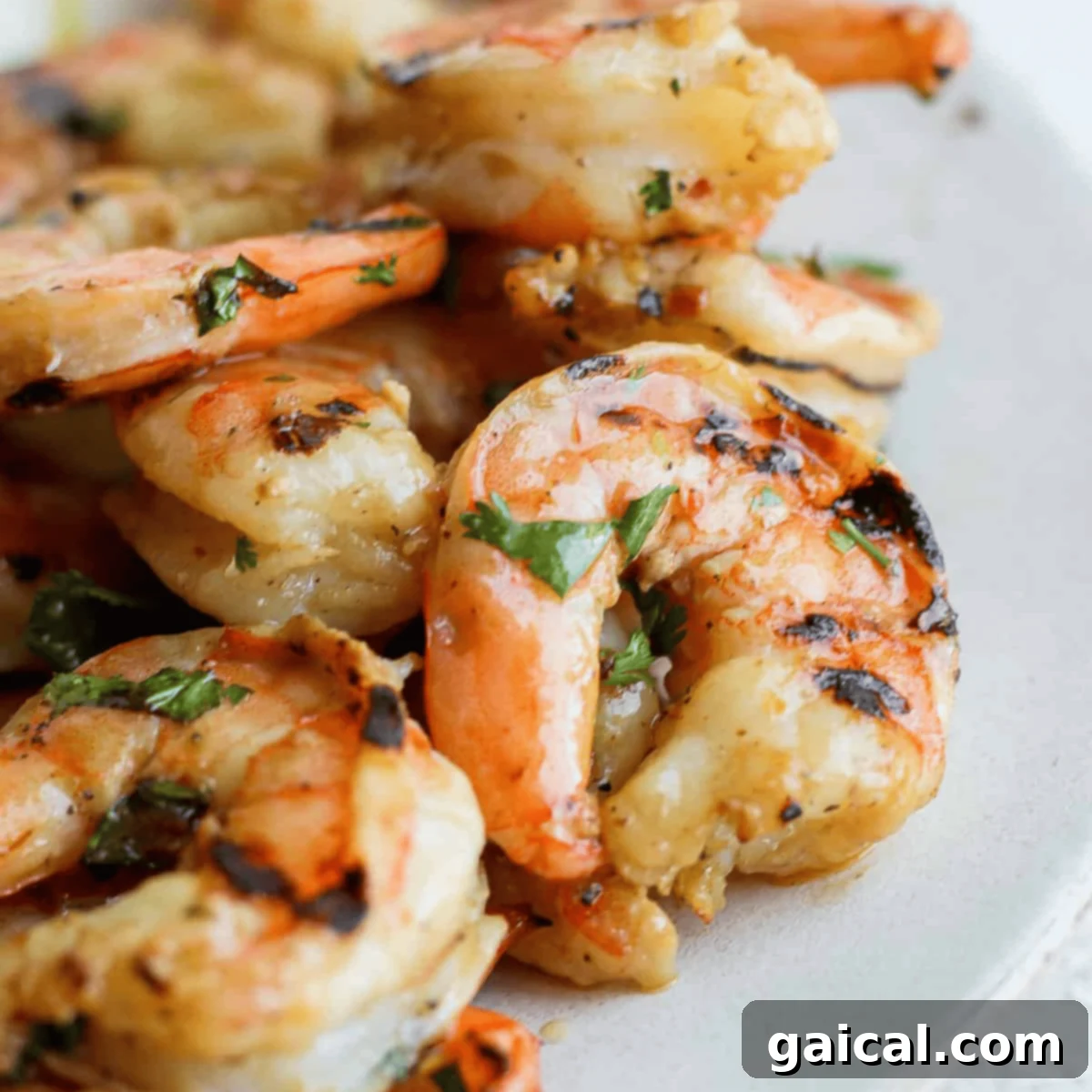
Unlock an explosion of flavor with this incredible shrimp marinade. Designed to infuse your shrimp with savory depth, zesty citrus notes, and aromatic herbs, this recipe is a game-changer for any seafood enthusiast. Whether you’re planning a backyard barbecue or a simple weeknight dinner, our versatile marinade guarantees juicy, tender, and perfectly seasoned shrimp every time.
There’s nothing quite like the irresistible char and smoky essence of a perfectly cooked shrimp. We especially love using this as a grilled shrimp marinade because the vibrant flavors from the marinade harmonize beautifully with the smoky notes from the grill, creating a truly unforgettable culinary experience. But the magic doesn’t stop at grilling; this all-purpose marinade is equally fantastic for baking or pan-frying, ensuring delicious results no matter your preferred cooking method.
This exquisite shrimp marinade is a masterful blend of savory and bright, featuring the robust tang of Worcestershire sauce, the pungent aroma of fresh garlic, the subtle kick of Dijon mustard, the freshness of various herbs, and a delightful hint of citrus. It’s meticulously crafted to enhance the natural sweetness of shrimp, making it an ideal choice for any cooking application—be it grilling under the summer sun, baking for an easy meal, or quick pan-frying for a fast and flavorful dish.
We are firm believers in the power of marinating proteins, and for good reason! Just as a quality steak marinade or one of our diverse chicken marinades can transform a cut of meat, this shrimp marinade thoroughly saturates your seafood, imparting an unparalleled depth of juicy flavor. Marinated shrimp, cooked to perfection, is undeniably delicious. It pairs wonderfully with a variety of sides, from fluffy baked potatoes and refreshing quinoa salad to tender roasted asparagus. Prepare to elevate your meal to gourmet status with minimal effort.
To achieve the best results, we recommend preparing this delightful marinade and allowing your raw shrimp to soak in its goodness for approximately 30 minutes to 1 hour. It’s crucial not to extend this marinating time significantly, as the acidic components (like lemon juice) can begin to “cook” the shrimp, leading to a tough and chewy texture. This precise window ensures maximum flavor absorption without compromising the delicate texture of the shrimp.
Why Marinate Shrimp? Unlocking Flavor and Perfect Texture
Marinating shrimp is more than just adding flavor; it’s a culinary technique that significantly enhances the eating experience. Here’s why incorporating a good marinade into your shrimp preparation routine is essential:
- Intense Flavor Infusion: Shrimp, while delicious on its own, has a mild flavor. A marinade allows a complex blend of herbs, spices, and liquids to penetrate the delicate flesh, creating a much more vibrant and exciting taste profile that permeates every bite.
- Moisture Retention: Shrimp can dry out quickly during cooking. The oil in a marinade acts as a protective barrier, helping the shrimp retain its natural moisture, resulting in a juicier, more succulent final product.
- Tenderization (within limits): Acids like lemon juice in a marinade can gently break down the protein fibers in shrimp, leading to a slightly more tender texture. However, as mentioned, this is a delicate balance, and over-marinating can have the opposite effect.
- Versatility in Cooking: A well-marinated shrimp is adaptable to various cooking methods. The marinade helps prevent sticking on the grill, adds flavor to pan-fried dishes, and keeps baked shrimp moist and tender.
- Enhanced Appearance: Many marinade ingredients, like spices and herbs, can add appealing color and visual appeal to the cooked shrimp.
The Secret Behind Our Irresistible Shrimp Marinade
Crafting the perfect shrimp marinade doesn’t require a long list of exotic ingredients. In fact, you only need a handful of common pantry staples to infuse your shrimp with truly incredible flavor. Each ingredient plays a vital role in creating a balanced and delectable profile.
- Lemon Juice: Provides a bright, zesty acidity that cuts through richness, adds freshness, and gently tenderizes the shrimp.
- Worcestershire Sauce: A powerhouse of umami, it delivers a savory, slightly tangy, and complex depth that elevates the overall flavor.
- Fresh Garlic: An aromatic cornerstone, minced garlic infuses the marinade with its characteristic pungent and slightly sweet notes.
- Dijon Mustard: Adds a sharp, tangy, and subtly spicy kick, while also acting as an emulsifier to help bind the marinade ingredients together.
- Honey: Balances the acidity and savory elements with a touch of sweetness, promoting beautiful caramelization during cooking.
- Salt, Pepper, and Red Pepper Flakes: The fundamental seasonings. Salt enhances all other flavors, black pepper adds a mild pungency, and red pepper flakes introduce a pleasant hint of heat.
- Olive Oil: Acts as the primary carrier for the flavors, coating the shrimp, preventing sticking, and ensuring moisture retention.
- Fresh Cilantro: Provides a burst of fresh, herbaceous flavor that complements the other ingredients beautifully.
How Long Should You Marinate Shrimp for Optimal Results?
This is arguably the most critical aspect of marinating shrimp. For our recipe, we advise marinating raw shrimp for a precise window of 30 minutes to 1 hour. This duration is perfectly calibrated to allow the shrimp to absorb all the wonderful flavors and the protective oil of the marinade without succumbing to the adverse effects of over-marination.
Allowing your shrimp to marinate for longer than 1 hour can lead to undesirable consequences. The acids in the marinade, primarily the lemon juice, will begin to “cook” the delicate proteins in the shrimp. This process, similar to how ceviche is prepared, results in shrimp that is tough, rubbery, and chewy once it’s actually cooked with heat. Stick to the recommended time to ensure your shrimp turns out perfectly tender and flavorful.
Featured Comment
“This was a quick and easy recipe…I sauteed the shrimp and put them on a salad. Delish!” – Beth
Selecting and Preparing Your Shrimp for Marination
The quality and preparation of your shrimp are just as important as the marinade itself. Choosing the right kind of shrimp will set you up for success and ensure a fantastic final dish.
Choosing the Right Shrimp
When it comes to this recipe, almost any uncooked shrimp will work wonderfully—whether it’s small, medium, or jumbo. The key is to start with raw shrimp. While you can find shrimp with the shell on and vein intact, we highly recommend purchasing shrimp that is already deveined and peeled. This saves you valuable prep time and makes the entire process much smoother. You can opt for tail-on or tail-off, depending on your personal preference or how you plan to serve the shrimp. Tail-on shrimp often looks more appealing, especially for grilling or presentation, while tail-off can be easier to eat in dishes like tacos or pasta.
Raw vs. Pre-cooked Shrimp for Marinating
You might be wondering if you can use pre-cooked shrimp for marinating. While technically possible, we strongly advise against it. Pre-cooked shrimp has already gone through a cooking process, meaning its proteins are set. Marinating it will primarily just add surface flavor, and the shrimp won’t absorb the marinade’s essence as deeply. More importantly, when you go to grill, pan-fry, or bake pre-cooked shrimp, you will almost certainly overcook it, resulting in a rubbery, unpleasant texture. For optimal flavor and texture, always choose raw shrimp for marinating.
Shrimp Tip: Save Time with Pre-Prepped Shrimp
Our biggest recommendation for convenience and a hassle-free cooking experience is to purchase raw shrimp that is already deveined and peeled. This simple choice eliminates a tedious step and allows you to get straight to the fun part: marinating and cooking!
Customizing Your Shrimp Marinade: Flavor Variations and Essential Components
Understanding the fundamental components of a great marinade allows you to experiment and create countless flavor variations. While our core recipe is fantastic, here’s a deeper look into the roles of oil, citrus, and spices, and how you can adapt them.
The Foundation: Quality Oil
Oil is not merely a liquid in a marinade; it’s a critical component that serves multiple purposes. Firstly, oil helps to tenderize the seafood and/or meat being marinated, ensuring it remains succulent. Secondly, it acts as a carrier for fat-soluble flavors, distributing them evenly across the shrimp. Thirdly, and perhaps most importantly, oil assists whatever is marinating in retaining its moisture during the cooking process, preventing it from drying out. And let’s be honest, nobody enjoys food sticking to the grill or pan, so a good layer of oil is essential for easy release.
While we typically reach for high-quality olive oil in our marinades and for cooking due to its robust flavor and health benefits, many other oils can be successfully employed, each offering a slightly different profile:
- Grapeseed Oil: A neutral-flavored oil with a high smoke point, ideal for grilling or high-heat cooking where you don’t want the oil to impart its own flavor.
- Avocado Oil: Another excellent option with a very high smoke point and a mild, slightly buttery flavor, perfect for healthy cooking.
- Sesame Oil: For an Asian-inspired twist, a touch of toasted sesame oil adds a rich, nutty aroma. Use sparingly due to its strong flavor.
Brightness with Citrus
The addition of citrus—be it lime juice, lemon juice, or orange juice—to any shrimp or fish marinade instantly brightens the flavors and adds a wonderfully refreshing tang. In the realm of cooking, balance is key, and this holds true for our grilled shrimp marinade recipe. The vibrant acidity of citrus perfectly complements the richness of olive oil and the savory notes of other ingredients, elevating the entire dish to the next level.
Beyond its flavor contribution, citrus also serves a practical purpose: it’s a fantastic substitute for some of the salt content in a recipe. The perception of acidity can mimic some of the effects of salt, allowing you to reduce sodium without sacrificing taste. A little bit of citrus can truly make a difference!
A World of Spices and Herbs
Embark on a flavor adventure when crafting your marinades! For this particular shrimp marinade, we’ve carefully selected a combination of common spices and fresh herbs, resulting in a simple yet incredibly potent flavor profile. The beauty of marinades lies in their adaptability. Think about your favorite flavor combinations in other dishes and try to translate them into a marinade!
Here are just a few ideas for inspiring your next shrimp marinade:
- Lemon + Ginger: A classic pairing that brings together zesty freshness with a warm, spicy kick.
- Thai Chili: Combine chili paste and soy sauce for an exciting, savory, and spicy Asian-inspired marinade.
- Cajun Seasoning: For a bold, zesty, and spicy kick that transports you to the Bayou.
- BBQ: Absolutely! You can thin down your favorite BBQ sauce with a little vinegar or oil and use it as a fantastic marinade for a sweet and smoky flavor.
PS: For even more inspiration, be sure to check out our 6 easy chicken marinades here – many of these flavor profiles can be adapted for shrimp!
Mastering Different Cooking Methods for Marinated Shrimp
Once your shrimp is perfectly marinated, it’s time to cook it! Shrimp cooks incredibly fast, so knowing the right technique for your chosen method is key to avoiding overcooked, rubbery seafood. Here are our preferred ways to cook this delicious marinated shrimp.
Perfectly Grilled Shrimp
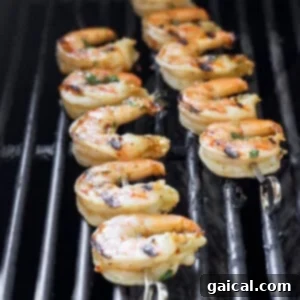
Grilling shrimp imparts a wonderful smoky flavor and a beautiful char that perfectly complements the marinade. Shrimp cooks significantly faster than other proteins like burgers, chicken, or most vegetables, making it a quick and impressive option.
What is the best way to grill shrimp? We find that placing shrimp on skewers makes them much easier to manage and flip in batches, ensuring even cooking. However, feel free to grill the shrimp directly on the grates if you prefer, just be mindful of smaller pieces potentially falling through.
If you don’t have skewers, there are excellent alternatives: you can create a simple tin foil boat to hold the shrimp on the grill, or even bring your trusty cast iron pan out to the grill to cook them in for a fantastic sear.
How long to grill marinated shrimp?
Grill your shrimp for approximately 2 minutes per side, for a total cook time of roughly 4 minutes. You’ll know your shrimp is perfectly done when it firms up, turns opaque pink on both sides, and curls slightly. For more in-depth guidance, check out our comprehensive grilled shrimp tutorial.
Quick and Easy Pan-Fried Shrimp
Pan-frying is an excellent method for achieving flavorful shrimp quickly, especially when you’re looking for a simple, stovetop solution. It’s super straightforward and yields beautifully cooked shrimp.
- Drizzle 1-2 tablespoons of olive oil into a large frying pan and heat it over medium-high heat until shimmering and fragrant.
- Once the oil is hot, add the marinated shrimp (and any residual marinade liquid) into the pan in a single layer. Avoid overcrowding the pan, as this can steam the shrimp instead of searing it. Work in batches if necessary.
- Cook the shrimp for about 2-3 minutes on each side. The shrimp is done when it changes color to a vibrant pink and becomes firm to the touch.
Effortless Baked Shrimp
For a hands-off approach that’s perfect for larger batches or when you want to avoid standing over the stove, baking marinated shrimp is an excellent choice. This method ensures even cooking and minimal fuss.
- Preheat your oven to 400°F (200°C).
- Spread the marinated shrimp in a single layer on a baking sheet. You can line the sheet with parchment paper for easier cleanup.
- Bake for 8-10 minutes, or until the shrimp turns opaque pink and is cooked through. The exact time will depend on the size of your shrimp.
Top Tips for Shrimp Success: From Selection to Serving
Achieving perfectly cooked, flavorful shrimp consistently requires a few key insights. Here are our top tips to ensure your marinated shrimp turns out fantastic every time.
Keep it Fresh (or thaw it right)
The best shrimp starts with the freshest possible product! While “fresh” shrimp is ideal, high-quality frozen shrimp is often a more practical and equally delicious option, especially if you don’t live near the coast. When using frozen shrimp, the most important rule is to thaw it correctly: slowly in the refrigerator overnight, or quickly under cold running water. Once thawed, use it immediately to maintain its best texture and flavor.
Grey vs. Pink Shrimp: Knowing the Difference
A simple visual cue can tell you a lot about your shrimp. Remember: if the shrimp is grey, it’s uncooked and ready for your marinade. If it’s already pink, it has been pre-cooked. Always opt for grey, raw shrimp for marinating. If you’re buying from a seafood counter, don’t hesitate to ask your butcher about the shrimp’s origin and when it was caught or thawed, and its recommended use-by date. A knowledgeable butcher is a great resource!
Black Line Down the Middle? Deveining Your Shrimp
If you purchase shrimp and notice a dark line running down its back, that’s the shrimp’s digestive tract, commonly referred to as the “vein.” While it’s harmless to eat, most people prefer to remove it for aesthetic and textural reasons. Fortunately, much of the shrimp sold today comes pre-peeled and deveined. However, if yours doesn’t, here’s a quick way to do it yourself: simply make a shallow cut along the back of the shrimp with a small, sharp knife, then use your fingers or the tip of the knife to gently lift and remove the black vein. #yougotthis!
Let Them Sit, But Not Too Long
As emphasized earlier, marinating time is crucial for shrimp. Aim for 30 minutes to 1 hour. This window is sufficient for the flavors to penetrate without the acids starting to “cook” the shrimp, which would result in an unpleasantly tough and rubbery texture after heat is applied. Setting a timer is a great way to ensure you don’t over-marinate.
Respect the Short Cook Time
Shrimp is a lean protein that cooks incredibly fast, regardless of your chosen method. Whether you’re grilling, pan-frying, or baking, the total cooking time will typically be just a few minutes. Overcooking shrimp is the most common mistake, leading to tough, chewy results.
The best way to know if your shrimp is perfectly cooked is by using a meat thermometer. It should reach an internal temperature of 145ºF (63ºC). If you’re relying on visual cues and touch, look for the shrimp to turn an opaque pink color and feel firm to the touch. They will also curl into a C-shape. If they curl into a tight O-shape, they’re likely overcooked.
Shrimp Internal Temperature
Always cook your shrimp until it reaches an internal temperature of 145ºF (63ºC) to ensure it is safe to eat and perfectly cooked. (USDA Guidelines)

Try it!
Thermoworks Thermapen
We swear by using a reliable meat thermometer when cooking any type of protein to ensure perfect doneness every time. The Thermapen is our go-to choice for its speed and accuracy.
Creative Ways to Serve Your Marinated Shrimp
Once your perfectly marinated and cooked shrimp is ready, the serving possibilities are endless! Its versatile flavor profile allows it to shine in a wide array of dishes, making it a fantastic addition to almost any meal.
Consider serving it as a refreshing shrimp salad, perhaps atop a bed of crisp greens with a light vinaigrette. It also pairs wonderfully with a medley of cooked vegetables, such as vibrant sautéed green beans, tender roasted broccoli, or even grilled bell peppers and onions for a colorful meal.
For a heartier option, integrate it into a pasta dish with a light lemon-garlic sauce, or build delicious shrimp tacos with fresh salsa and avocado. You could also use it as a protein-packed topping for grain bowls, stir-fries, or even as a flavorful component in a vibrant curry. Another exciting idea, especially for an appetizer, is to make our irresistible bacon-wrapped shrimp after your shrimp has finished marinating, offering an extra layer of savory crunch!
Frequently Asked Questions About Shrimp Marinade
Here are some common questions we receive about marinating and cooking shrimp, to help you achieve the best results.
- Can I use frozen shrimp for marinating? Yes, absolutely! Most shrimp available is frozen, and it can be just as good as fresh. Ensure it’s fully thawed before marinating. The best way to thaw shrimp is overnight in the refrigerator, or in a bowl of cold water, changing the water every 15-20 minutes, until thawed. Pat it dry before adding to the marinade.
- Can I prepare the marinade ahead of time? Yes, you can mix all the marinade ingredients (except for the shrimp) a day or two in advance and store it in an airtight container in the refrigerator. This can save you time on busy cooking days. Just add the shrimp when you’re ready to marinate for the recommended 30-60 minutes.
- What if I don’t have fresh herbs like cilantro? While fresh herbs provide the best flavor, you can substitute dried herbs if necessary. As a general rule, use about one-third of the amount of dried herbs compared to fresh (e.g., 1 tablespoon fresh cilantro = 1 teaspoon dried cilantro).
- How can I prevent shrimp from sticking to the grill? Several factors help prevent sticking: ensure your grill grates are clean and well-oiled before heating, and brush the shrimp with a little extra oil just before placing it on the grill. Using skewers also helps by reducing direct contact with the grates for individual shrimp.
- How do I store leftover cooked shrimp? Store any leftover cooked shrimp in an airtight container in the refrigerator for up to 2-3 days. For best quality, consume within 1-2 days.
- Can I freeze marinated shrimp? We generally do not recommend freezing shrimp *after* it has been marinated, especially if the marinade contains acidic ingredients. The texture of the shrimp can degrade significantly upon thawing due to the tenderizing action of the acid, even when frozen. It’s best to marinate and cook fresh or thawed shrimp.
More of our Favorite…
Delicious Shrimp Recipes to Try Next
If you loved this shrimp marinade, you’ll be thrilled to explore our other fantastic shrimp recipes. Expand your culinary repertoire with these mouth-watering options:
- Classic Grilled Shrimp
- Light and Zesty Shrimp Salad
- Indulgent Garlic Butter Shrimp
- Simple and Flavorful Shrimp Tacos
- Quick Broiled Shrimp
Rating: 4.93 from 28 votes
Simple Shrimp Marinade (Grilled Shrimp Marinade)
This simple, yet elevated shrimp marinade is garlicky, lemony, and savory all thanks to a few common ingredients! If you’re looking to marinade shrimp for grilling, then this is your recipe!
By: Linley Hanson
Prep Time: 1 hour | Cook Time: 0 minutes | Total Time: 1 hour
Servings: 4
Pin Recipe
Print Recipe
Email Me This Recipe
Plus, enjoy weekly doses of recipe inspiration!
Ingredients
- 1-1.5 lbs. jumbo shrimp, peeled and deveined
- 2 tablespoons lemon juice, + more for squeezing on top
- 2 tablespoons Worcestershire sauce
- 4 cloves garlic, minced
- 1 teaspoon dijon mustard
- 1/2 tablespoon honey
- 1/4 teaspoon salt
- 1/4 teaspoon pepper
- 1/4 teaspoon red pepper flakes
- 2 tablespoons olive oil
- 1/4 cup chopped cilantro
Instructions
-
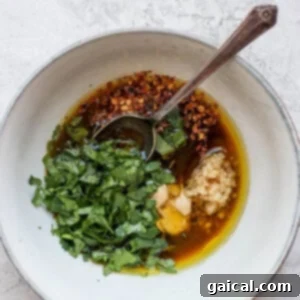
Begin by preparing the marinade. Add 2 tablespoons lemon juice, Worcestershire, garlic, dijon mustard, honey, salt, pepper, and red pepper flakes into a large bowl. Whisk the marinade together until well combined.

-
Drizzle 2 tablespoons of olive oil into the marinade while continuing to whisk until all the ingredients are fully emulsified and combined, creating a smooth mixture.
-
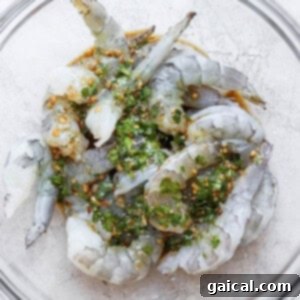
Add the shrimp to the marinade in the bowl and toss gently to ensure each piece of shrimp is thoroughly coated. Make sure the marinade covers all surfaces.
-
Place the bowl with the marinated shrimp into the refrigerator. Allow the shrimp to marinate for 30 minutes to 1 hour, but no longer. It’s crucial to adhere to this timeframe, as marinating for more than an hour can cause the lemon juice to begin cooking the shrimp, leading to a tough and undesirable texture.
-
Once your shrimp has marinated for the optimal time, proceed to cook it using your preferred method. We highly recommend this as a grilled shrimp marinade. For grilling, heat your grill to 400ºF (200ºC) and cook the shrimp over direct heat for 1-2 minutes on each side. Cook until the shrimp turns opaque pink and reaches an internal temperature of 145ºF (63ºC) as per USDA guidelines.
Tips & Notes
- Any size of uncooked shrimp, peeled and deveined, will work perfectly for this recipe. Adjust cooking times slightly for very small or very large shrimp.
- The nutrition information provided is an approximation and calculated using 1.5 lbs. of shrimp.
- This recipe was last updated for optimal flavor and clarity on July 7, 2021.
Watch It
Learn how to make The Best Shrimp Marinade Recipe with our instructional video. This super flavorful shrimp marinade is perfect for grilling, pan-searing, or baking!
Watch The Best Shrimp Marinade Video Here
Nutrition
Calories: 150 kcal, Carbohydrates: 7 g, Protein: 9 g, Fat: 10 g, Fiber: 0 g, Sugar: 2 g
Nutrition information is automatically calculated, so should only be used as an approximation.
Don’t forget to tag your posts on social media with the hashtag #fitfoodiefinds, we’d love to see what you’re up to!
Photography by: The Wooden Skillet