
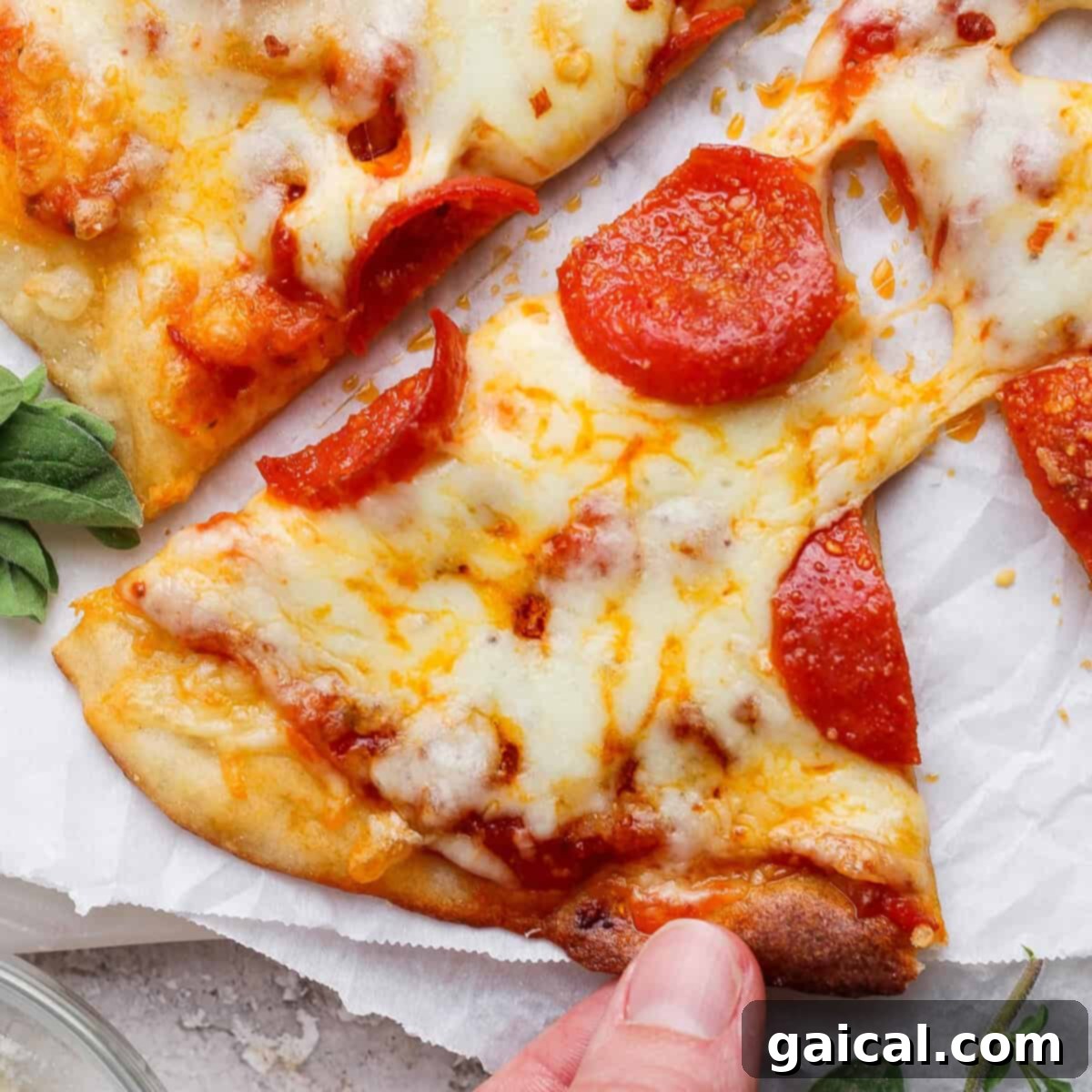
No-Rise Protein Pizza Dough: Your Go-To for Quick, High-Protein Homemade Pizza
Imagine a pizza night where indulgence meets nutrition, and convenience is key. With this revolutionary No-Rise Protein Pizza Dough, you can enjoy all the crispy, chewy goodness of your favorite pizza while boosting your protein intake significantly. Forget long waiting times for dough to rise; this recipe is designed for speed and simplicity, making homemade pizza an effortless weeknight meal.
Our secret to a dough that’s both delicious and packed with protein? It’s all thanks to the magic of Skyr yogurt or creamy blended cottage cheese. These ingredients not only contribute a substantial 20 grams of protein per serving but also impart a wonderfully tender texture to the crust, baking up perfectly every time. This isn’t just a recipe; it’s a game-changer for anyone seeking a healthier, quicker way to enjoy pizza.
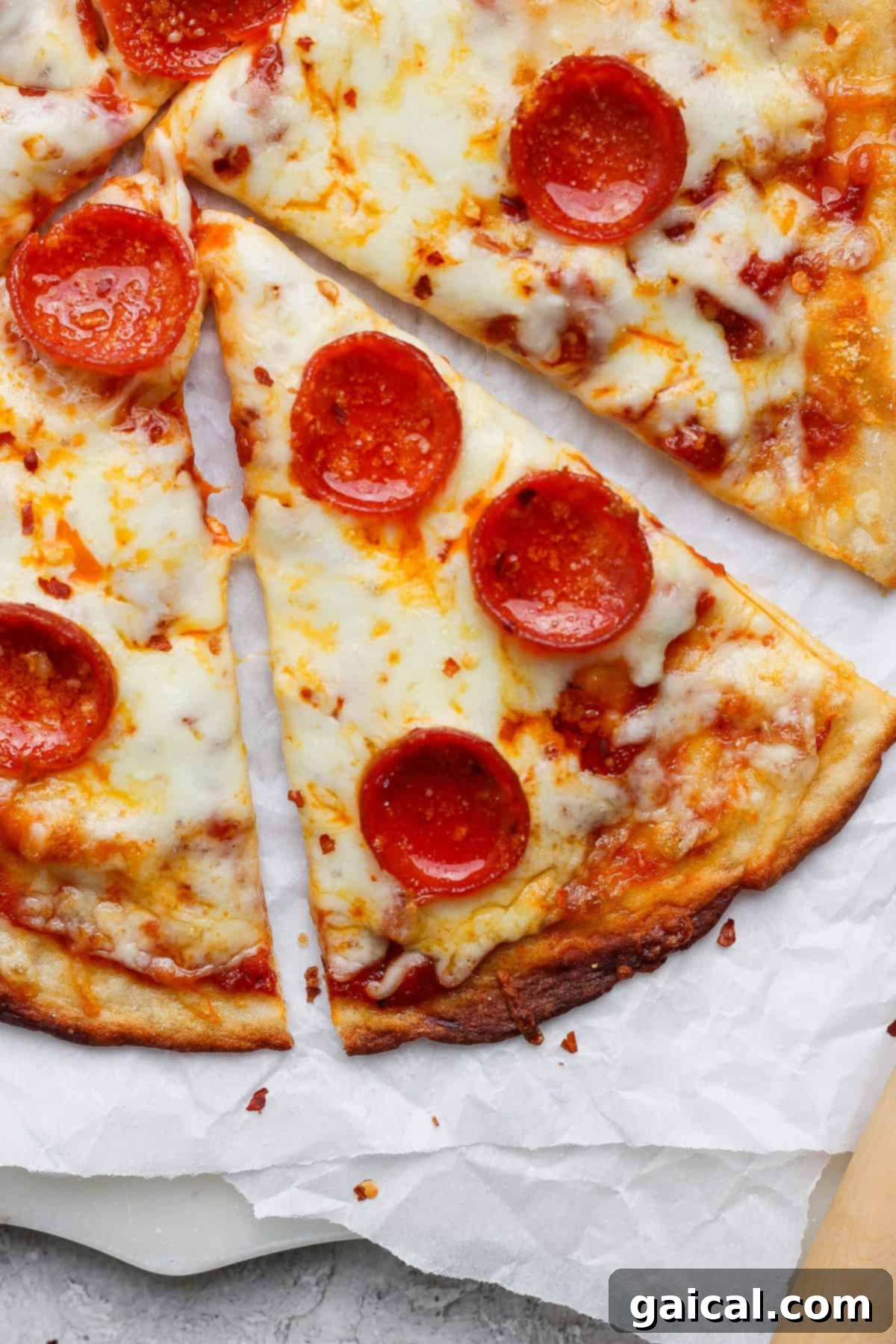
Why This Protein Pizza Dough Will Become Your New Favorite
For years, the quest for the perfect homemade pizza has been a culinary journey for many. Balancing flavor, texture, and nutritional value can be challenging, especially when you’re aiming for a healthier option. As an avid home cook and a spouse to a true pizza enthusiast, my mission has always been to elevate this beloved dish. This protein pizza dough is the triumphant result of that pursuit – a truly revolutionary recipe that transforms pizza night.
The standout feature of this recipe is its incredible efficiency. Unlike traditional pizza doughs that demand hours of rising time, this no-rise version goes straight from mixing bowl to oven. This means spontaneous pizza cravings can be satisfied in a flash, making it an ideal solution for busy individuals, families with hungry toddlers, or anyone who simply appreciates speed without compromising on quality.
The Secret to an Unforgettable Crispy Crust
Achieving that coveted crispy crust is simpler than you think. Our expert tip is to roll the dough as thin as possible. Seriously, roll it out until you think it can’t get any thinner! This might require a generous dusting of extra flour on your work surface and rolling pin to prevent sticking, but the effort is well worth it. The result? A delightfully thin, wonderfully crispy foundation for all your favorite toppings. Remember, a thinner dough equals a crispier pizza.
Essential Ingredients for Your High-Protein Pizza Dough
Crafting this incredible protein pizza dough requires just four simple ingredients, most of which you likely already have in your pantry or fridge. Each component plays a vital role in achieving the perfect balance of flavor, texture, and nutritional value.
- All-Purpose Flour: This forms the fundamental structure of our dough, providing the necessary chewiness and crispness. While we haven’t extensively tested gluten-free alternatives like gluten-free all-purpose flour blends or almond flour, traditional AP flour delivers consistent results. For best results, use standard unbleached all-purpose flour.
- Plain Skyr Yogurt, Greek Yogurt, or Blended Cottage Cheese: This is where the magic happens and the protein punch comes from! We’ve rigorously tested this recipe with all three options, and each performs beautifully. Skyr yogurt, known for its thick, creamy texture and high protein content, is a personal favorite (especially Painterland Sisters for its exceptional quality). Plain Greek yogurt offers a similar profile, while 2% blended cottage cheese, once pureed until smooth, also works wonders, contributing a unique tang and tenderness to the dough. These dairy products act as both a binder and a leavening agent in conjunction with baking powder, eliminating the need for yeast.
- Baking Powder: As this is a no-rise, yeast-free dough, baking powder is indispensable. It’s the primary leavening agent that gives the crust its airy pockets and slight lift, ensuring it doesn’t turn out dense. Do not skip this ingredient! Ensure your baking powder is fresh for optimal activation.
- Sea Salt: A touch of sea salt is crucial for enhancing the overall flavor of the crust. It balances the richness of the dairy and brings out the inherent deliciousness of the flour, making every bite savory and satisfying.
Don’t Have Skyr Yogurt? No Problem!
If Skyr yogurt isn’t readily available, don’t fret! Both plain Greek yogurt and 2% blended cottage cheese are excellent, protein-rich alternatives. They will yield a similarly fantastic outcome, ensuring your high-protein pizza night is still a success.
Cottage Cheese vs. Yogurt: Choosing Your Crust Experience
While both yogurt and cottage cheese variations are incredibly delicious and work interchangeably in this recipe, they do offer subtle differences in the final crust texture. Understanding these nuances can help you choose the ideal base for your pizza preferences:
- Greek or Skyr Yogurt Dough: When using yogurt, you’ll typically achieve a crust that closely resembles classic thin-crust pizza. It tends to bake up with wonderfully crispy edges and a delicate, satisfying chew throughout. This is perfect if you love a lighter, crunchier bite.
- Blended Cottage Cheese Dough: Opting for the cottage cheese variation results in a slightly chewier crust that tends to puff up a tad more during baking. It offers a more robust and substantial texture, which some might find more satisfying. The cottage cheese also imparts a subtle richness that enhances the overall flavor profile.
Both options deliver on the promise of high protein and ease of preparation, so feel free to experiment and discover which one you prefer!
Pro Tip:
Homemade Pizza Sauce
Elevate your pizza with a quick and easy homemade sauce! Our simple recipe comes together with just 4 basic ingredients in minutes, making store-bought a thing of the past.
Storage and Meal Prep Tips
One of the many advantages of this no-rise protein pizza dough is its versatility for meal prep. Whether you want to prepare ahead for a future pizza night or save leftovers, these storage directions will help you maximize freshness and convenience:
- Refrigerator Storage (Un-baked Dough): If you’ve prepared the dough but aren’t ready to bake immediately, wrap it tightly in plastic wrap to prevent it from drying out. Store it in the refrigerator for up to 3 days. When ready to use, simply unwrap, roll out, and proceed with the baking instructions.
- Freezer Storage (Un-baked Dough): For longer storage, this dough freezes beautifully. Wrap the un-baked dough ball securely in several layers of plastic wrap, then place it in a resealable freezer bag, pressing out any excess air. It will maintain its quality in the freezer for up to 2 months. To use, transfer the frozen dough to the refrigerator overnight to thaw completely before rolling and baking.
- Storing Leftover Baked Pizza: Once baked, any leftover pizza can be stored in an airtight container or wrapped tightly in foil in the refrigerator for 3-4 days. Reheat slices in a toaster oven or conventional oven for best results, restoring some of the crust’s crispness.
These storage options make it incredibly easy to always have a healthy, high-protein pizza crust ready to go, adapting to your busy schedule.
More of our Favorite…
Easy Homemade Pizza Recipes
- Grandma Marie’s Homemade Pizza Dough Recipe
- Cauliflower Pizza Crust
- Easy Grilled Sweet Potato Pizzas
- Pizza Quinoa Casserole
No-Rise Protein Pizza Dough Recipe
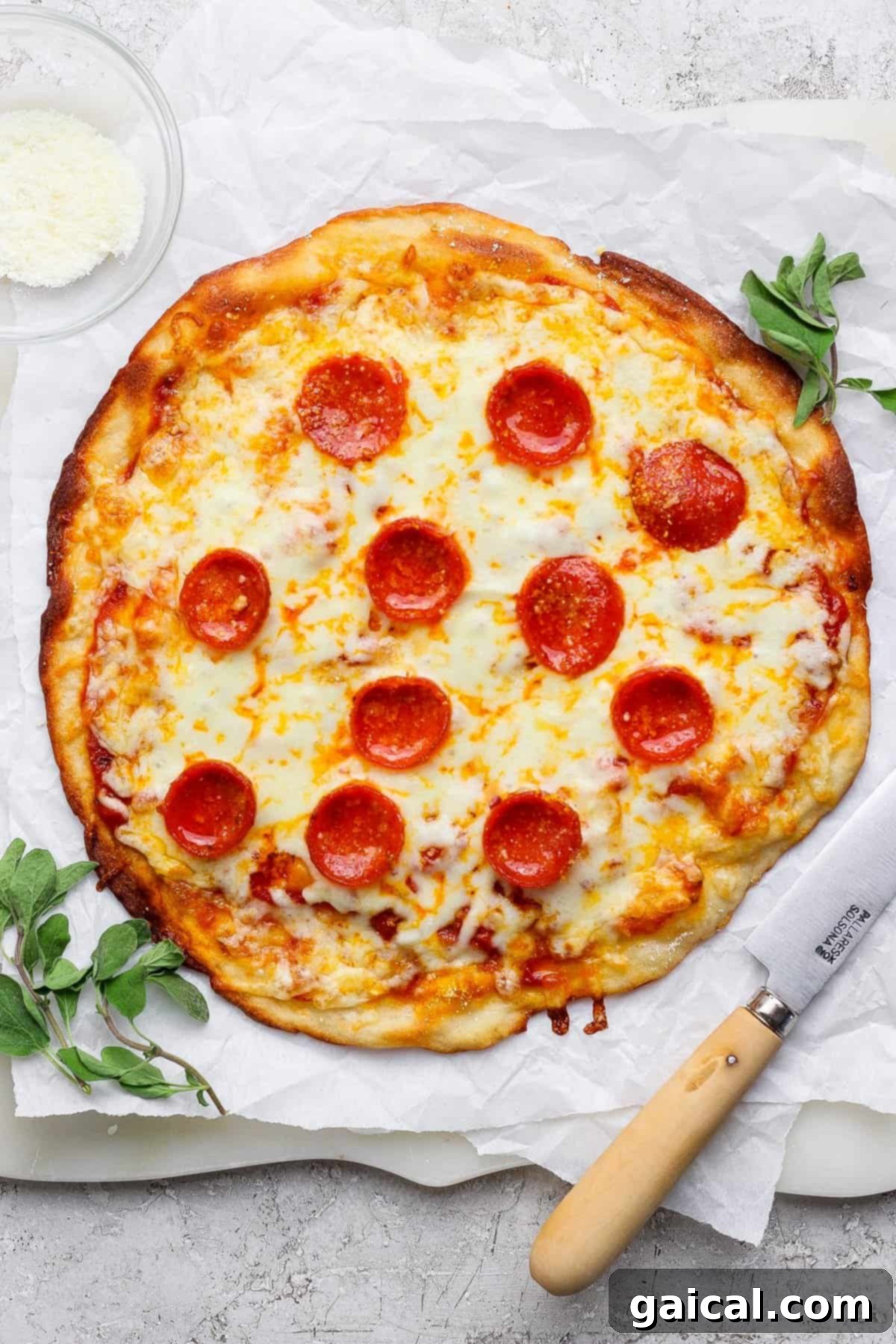
This no-rise protein pizza dough is the perfect base for creating delicious homemade pizzas. You can use either Skyr yogurt or blended cottage cheese, making it a high-protein option with 20g protein per serving, while still achieving a perfectly chewy and crispy crust.

Print Recipe
Ingredients
For the Dough
- ½ cup all-purpose flour
- ½ teaspoon baking powder
- ½ teaspoon sea salt
- ½ cup plain Skyr yogurt, Greek yogurt, or 2% blended cottage cheese
Pizza Toppings (Suggested)
- ⅓ cup pizza sauce
- ½ cup shredded mozzarella cheese
- 1 tablespoon grated parmesan cheese
- 1 oz. sliced pepperoni
Instructions
-
Preheat your oven to 425℉ (220°C). Lightly spray a baking sheet with cooking spray or line with parchment paper. Set aside.
-
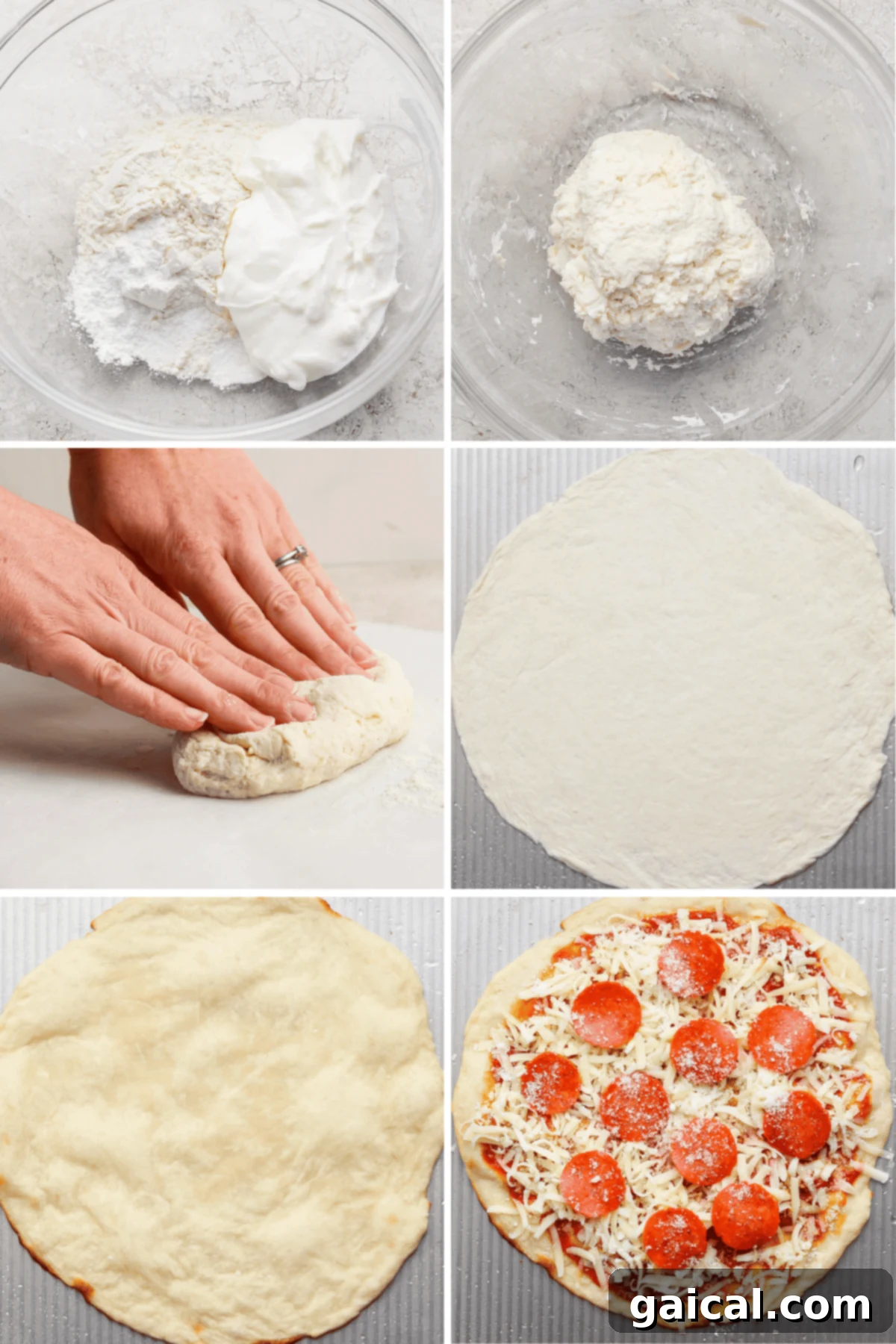
In a medium mixing bowl, combine the all-purpose flour, baking powder, sea salt, and your chosen protein source (yogurt or blended cottage cheese). Using a sturdy silicone spatula or wooden spoon, stir until the ingredients are mostly combined. Then, switch to your hands and gently press the mixture together until a cohesive ball of dough forms.

-
Transfer the dough ball to a lightly floured work surface. Knead the dough gently for a few minutes until it becomes smooth and pliable. The dough should feel dry to the touch, not sticky. If it’s too sticky, add a very small amount of flour at a time until it’s manageable.
-
Lightly flour your work surface and the dough ball once more. Using a rolling pin, roll the dough out evenly to form a thin crust. Aim for approximately a 10-inch round or about ⅛ inch thick. Remember, the thinner you roll it, the crispier your final crust will be!
-
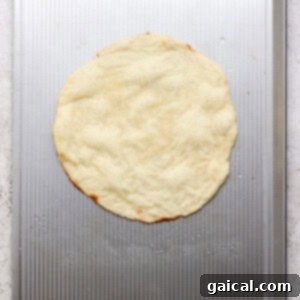
Carefully transfer the rolled-out crust to your prepared baking sheet. Place it in the preheated oven and par-bake for 10 minutes. This step helps ensure a sturdy base and prevents a soggy crust once toppings are added.
-
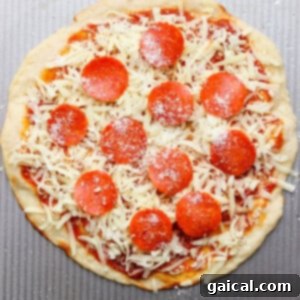
Remove the par-baked crust from the oven. Evenly spread your pizza sauce over the crust, leaving a small border for the crust. Then, generously sprinkle with mozzarella cheese, parmesan cheese, and arrange your sliced pepperoni (or any other desired toppings).
-
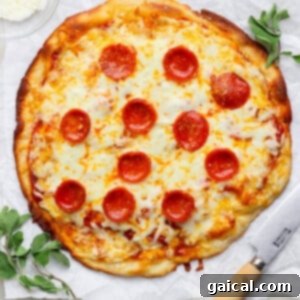
Return the pizza to the oven and bake for another 7-8 minutes, or until the cheese is melted and bubbly, and the crust edges begin to turn golden brown on the bottom. Keep a close eye on it to prevent over-browning.
-
Carefully remove the finished pizza from the oven. For an extra kick, sprinkle with crushed red pepper flakes before slicing and serving hot. Enjoy your delicious, high-protein homemade pizza!
Tips & Notes for Success
- Nutrition Accuracy: Please note that the nutrition information provided is calculated for the pizza dough ONLY and does not include any pizza toppings (sauce, cheese, pepperoni, etc.).
- Texture Preference: Remember the difference between cottage cheese and Greek/Skyr yogurt doughs. Greek/Skyr yogurt yields a crispier, classic thin crust, while blended cottage cheese results in a chewier, slightly puffed crust. Both are fantastic; choose based on your desired texture.
- Rolling Thin is Key: To achieve maximum crispiness, always roll your dough as thinly as possible. Don’t be shy about adding more flour to your work surface and rolling pin to prevent sticking. A little extra flour during rolling won’t negatively impact the final product.
- Adjusting Servings: This recipe is easily scalable. To make a larger pizza or more individual pizzas, simply double or triple the ingredients.
- Oven Temperature Matters: Ensure your oven is fully preheated to 425℉. A hot oven is crucial for quick cooking and a crispy crust.
- Topping Creativity: While pepperoni and mozzarella are classic, feel free to get creative with your toppings! Vegetables, other cheeses, different protein sources (chicken, sausage), or even a drizzle of balsamic glaze post-baking can elevate your pizza.
Nutrition
Carbohydrates: 28 g,
Protein: 20 g,
Fat: 17 g,
Fiber: 2 g,
Sugar: 2 g
Nutrition information is automatically calculated, so should only be used as an approximation and is for the dough only.
Frequently Asked Questions About Protein Pizza Dough
- Can I make this dough gluten-free?
- While we haven’t extensively tested gluten-free flours with this specific recipe, some users have reported success substituting all-purpose flour with a 1:1 gluten-free baking flour blend. Keep in mind that results may vary in terms of texture and handling, as gluten-free flours absorb liquids differently. Almond flour is generally not recommended as a direct substitute due to its low protein content and different structure.
- What if my dough is too sticky or too dry?
- Dough consistency can be affected by factors like humidity and the exact moisture content of your yogurt/cottage cheese. If your dough is too sticky, gradually add small amounts of all-purpose flour (a tablespoon at a time) while kneading until it reaches a smooth, non-sticky consistency. If it’s too dry and crumbly, add a tiny bit more yogurt or water (a teaspoon at a time) until it comes together. The goal is a dough that is firm but pliable.
- Can I use non-fat yogurt or cottage cheese?
- We recommend using 2% or full-fat plain Skyr, Greek yogurt, or blended cottage cheese for the best results. The fat content contributes to the dough’s tenderness and flavor. While non-fat options might work, they could result in a slightly tougher or drier crust.
- How thin should I roll the dough for maximum crispiness?
- For the crispiest crust, aim to roll the dough out to about ⅛-inch thickness. You should be able to see the surface beneath the dough subtly. Don’t be afraid to use a good amount of flour on your surface and rolling pin to prevent sticking when going this thin.
- Can I use this dough for other recipes, like flatbreads?
- Absolutely! This versatile protein dough makes excellent flatbreads. Simply roll it out, cook it on a hot skillet or grill until golden brown and puffed, and then top with your favorite savory or sweet ingredients. It’s fantastic for quick lunches or appetizers.
Conclusion: Healthy, Delicious, and Effortless Pizza is Here!
This No-Rise Protein Pizza Dough is more than just a recipe; it’s an invitation to revolutionize your homemade pizza experience. With its minimal ingredients, zero waiting time, and impressive 20 grams of protein per serving, it truly delivers on all fronts: health, convenience, and irresistible taste. Whether you’re a seasoned chef or a beginner in the kitchen, this fuss-free dough makes it easier than ever to enjoy a customized, nutritious, and incredibly satisfying pizza any night of the week. Say goodbye to store-bought crusts and hello to your new favorite healthy pizza base!
Don’t forget to tag your posts on social media with the hashtag #fitfoodiefinds – we’d love to see your delicious creations!
Photography by: The Wooden Skillet