
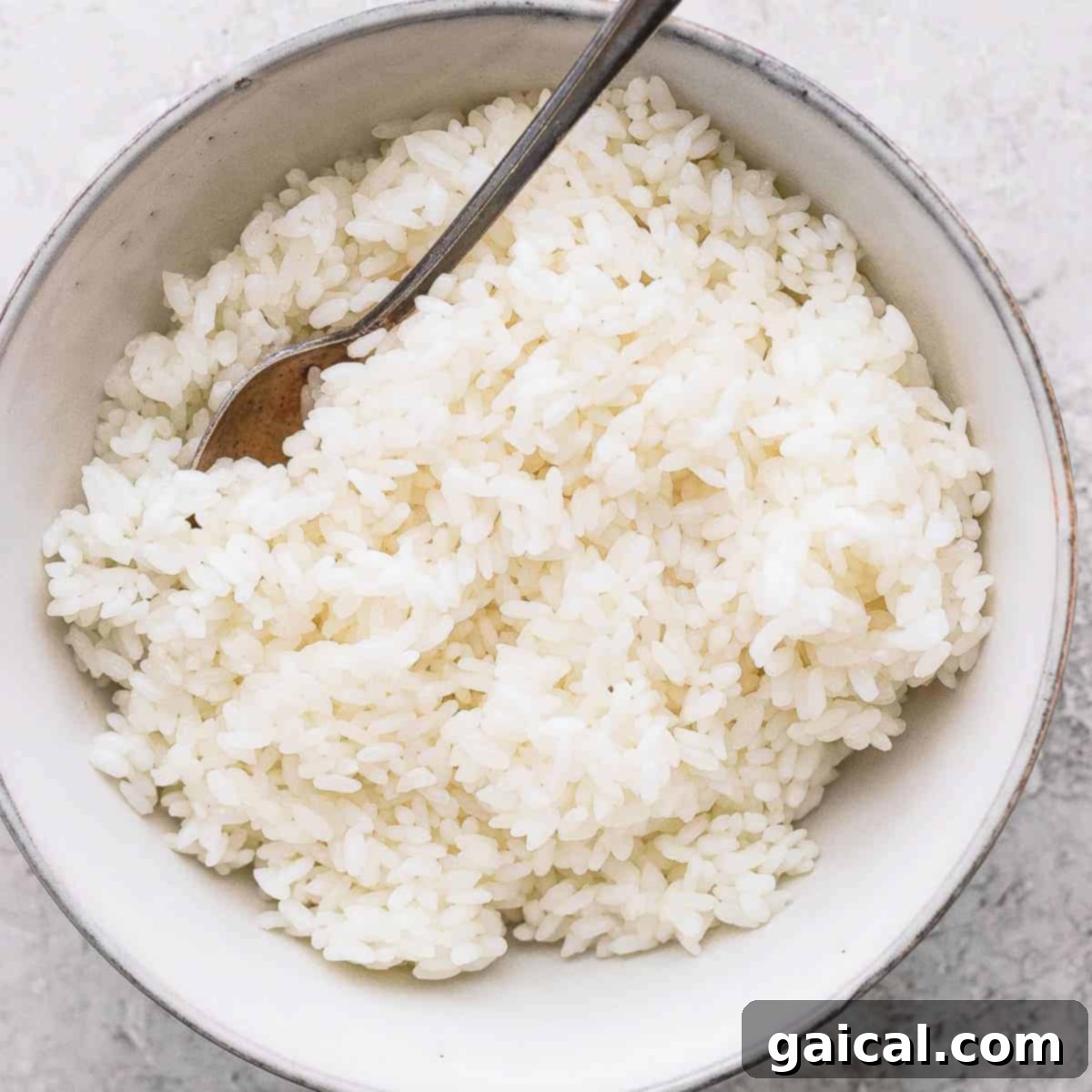
Embark on a culinary journey to master the art of making perfectly sticky rice right in your own kitchen. This incredibly versatile grain is a cornerstone of many Asian-inspired dishes, offering a unique texture and subtle sweetness that elevates any meal. Whether you’re pairing it with savory delights like our popular Korean Ground Beef or exploring sweet applications, our comprehensive, step-by-step guide ensures a flawless result every single time. Prepare to transform humble rice grains into a delectable, comforting staple that will impress family and friends.
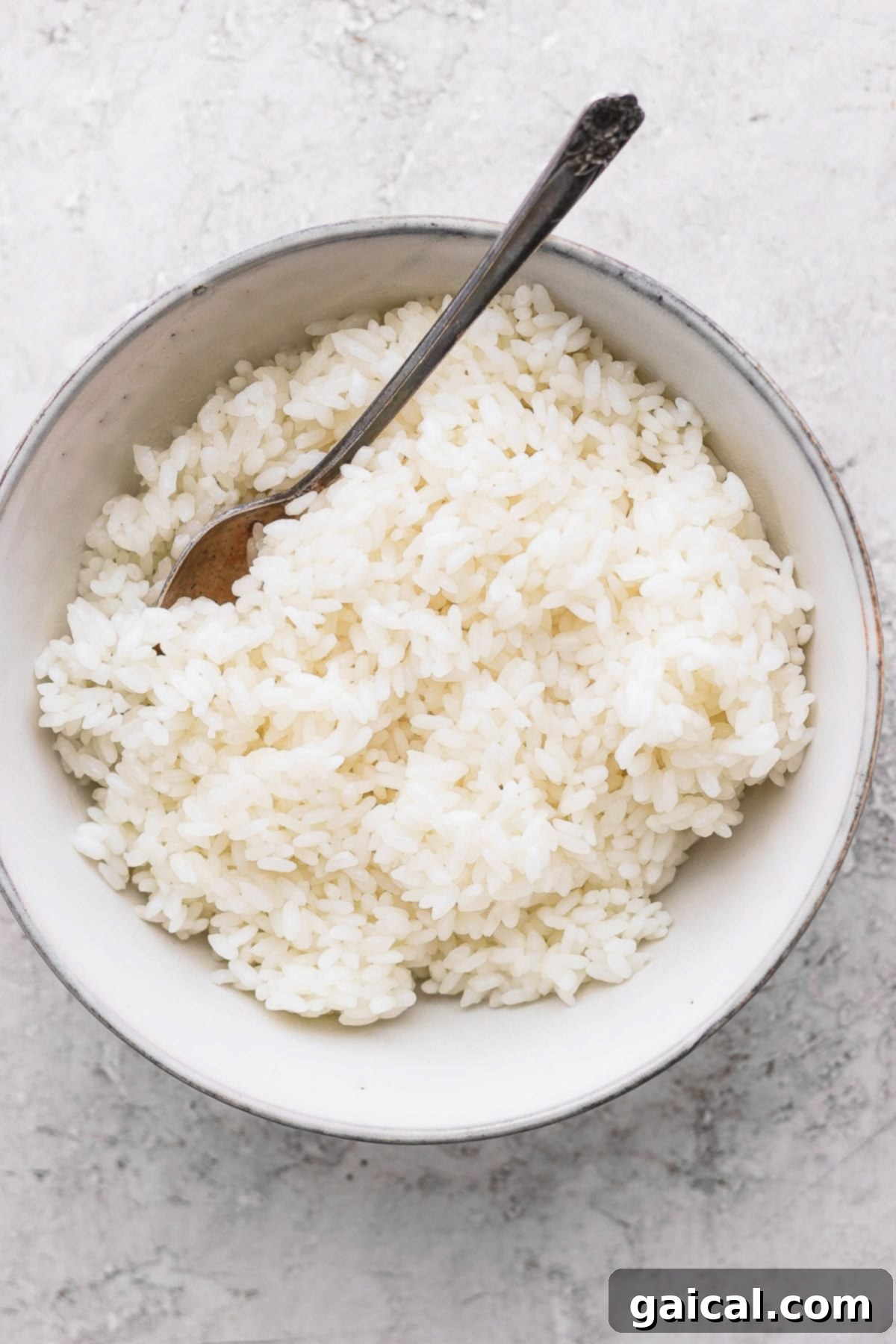
This treasured sticky rice recipe comes directly from the heart of our video producer, Pachee, whose family roots are deeply embedded in authentic Hmong and Thai culinary traditions. We are incredibly fortunate to share her invaluable knowledge and the rich heritage behind this beloved dish.
Pachee’s Authentic Sticky Rice Recipe: A Taste of Tradition
From Pachee herself, the memories of sticky rice are deeply intertwined with childhood and family love. “Growing up, my father would often prepare sticky rice for us as a simple yet satisfying snack,” she recounts. “I can vividly recall him gently rolling the warm rice between his hands, blowing on it to cool it down, before passing us a perfect, love-infused ball. This tradition, a small gesture of care and nourishment, has been lovingly passed down through generations.”
As she matured, Pachee continued this beautiful custom, preparing sticky rice for her nieces and nephews as they energetically played at their grandparents’ home. Sticky rice is more than just a food; it’s a year-round staple, a symbol of comfort and togetherness. Its remarkable adaptability allows it to complement an astounding array of dishes, whether they are profoundly sweet or exquisitely savory.
What is Sticky Rice? Exploring the Essence of Glutinous Rice
Sticky rice, scientifically known as Oryza sativa var. glutinosa, is a unique variety of rice primarily cultivated and consumed across Asia. Its defining characteristic is its incredibly high content of amylopectin, a type of starch that gives it its distinct sticky, chewy texture when cooked. Unlike other rice varieties, glutinous rice contains very little or no amylose, which is responsible for the fluffy, separate grains found in long-grain white rice.
Often referred to as “sweet rice” or “waxy rice,” despite not containing sugar, its versatility truly shines. It serves as a foundational component in countless culinary applications, from being a comforting side dish to savory curries and grilled meats, to becoming the star in beloved desserts like mango sticky rice. Its robust texture and ability to absorb flavors make it a cornerstone of Asian gastronomy.
Choosing the Right Grain: What Type of Rice Should I Use for Sticky Rice?
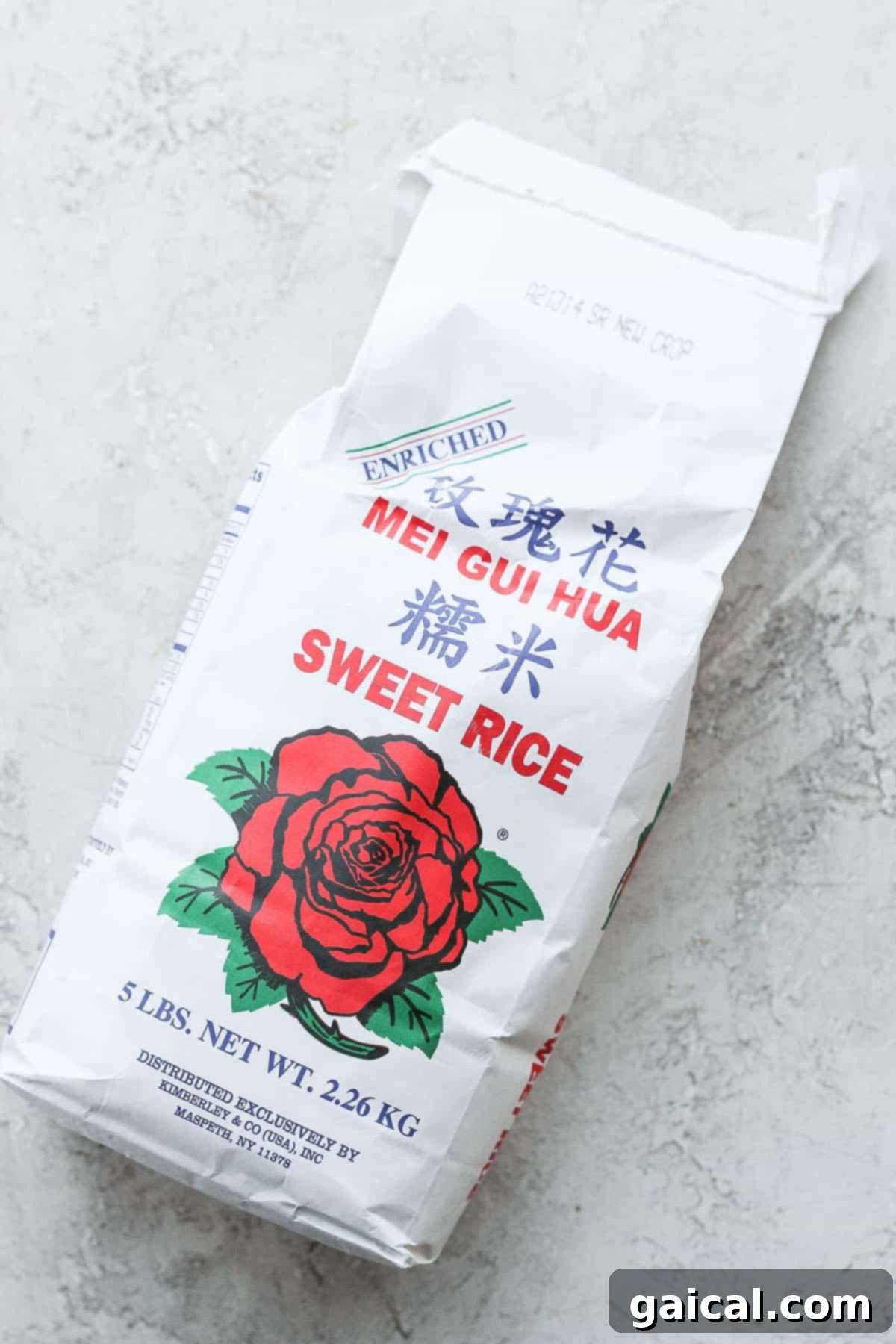
For this authentic recipe, Pachee strongly recommends using **sweet rice**, also commonly labeled as glutinous rice or sticky rice. The specific brand we found excellent results with is Apple Brand Sweet Rice, widely acclaimed for its quality.
You’ll find sweet rice readily available in the rice aisle of most Asian grocery stores. Thankfully, its popularity means many larger mainstream US grocers are also now stocking this essential ingredient, making it easier than ever to bring this traditional dish into your home kitchen.
Essential Ingredients and Tools for Perfect Sticky Rice
Crafting delicious sticky rice doesn’t require a complex setup, but having the right ingredients and tools makes a significant difference in achieving that ideal, tender-chewy texture. Here’s what you’ll need to get started:
Ingredients
- Sweet Rice (Glutinous Rice): The star of our recipe. Ensure you’re purchasing true sweet rice, not just any short-grain rice, as its unique starch composition is crucial for the stickiness.
- Water: For rinsing, soaking, and steaming.
Tools
- Bamboo Basket (Steamer Basket): Traditional and highly recommended for steaming sticky rice. Its natural material allows for even steam distribution and helps prevent sogginess.
- Steam Pot (or a large pot): This will hold the water for steaming. It needs to be wide enough to comfortably support the bamboo basket above the waterline.
- Strainer: Essential for rinsing and draining the rice effectively.
- Large Bowl: For soaking the rice.
Tip for Bamboo Basket and Steam Pot: Pachee often uses a dedicated steaming set designed specifically for sticky rice, similar to THIS. However, if you don’t have a specialized set, you can easily adapt. Simply use any large pot you have in your kitchen, ensuring it’s wide enough for a bamboo basket to sit securely on top without the basket’s bottom touching the boiling water. This prevents the rice from becoming waterlogged and mushy.
Nourish Your Community: Support Your Local Asian Grocery Store!
Whenever we embark on creating an authentic Asian-inspired recipe like this one, we strongly encourage supporting our local Asian grocery stores. These invaluable community hubs offer a treasure trove of unique ingredients, authentic flavors, and often, expert advice on regional cooking. Beyond finding the perfect sweet rice, you’ll discover a world of culinary possibilities while directly contributing to local businesses. We hope you’ll join us in this meaningful practice!
How to Make Sticky Rice: A Step-by-Step Guide to Perfection
For your convenience, the full, printable recipe card with exact measurements and detailed instructions can be found at the bottom of this article.
Step 1: Rinse the Rice Thoroughly
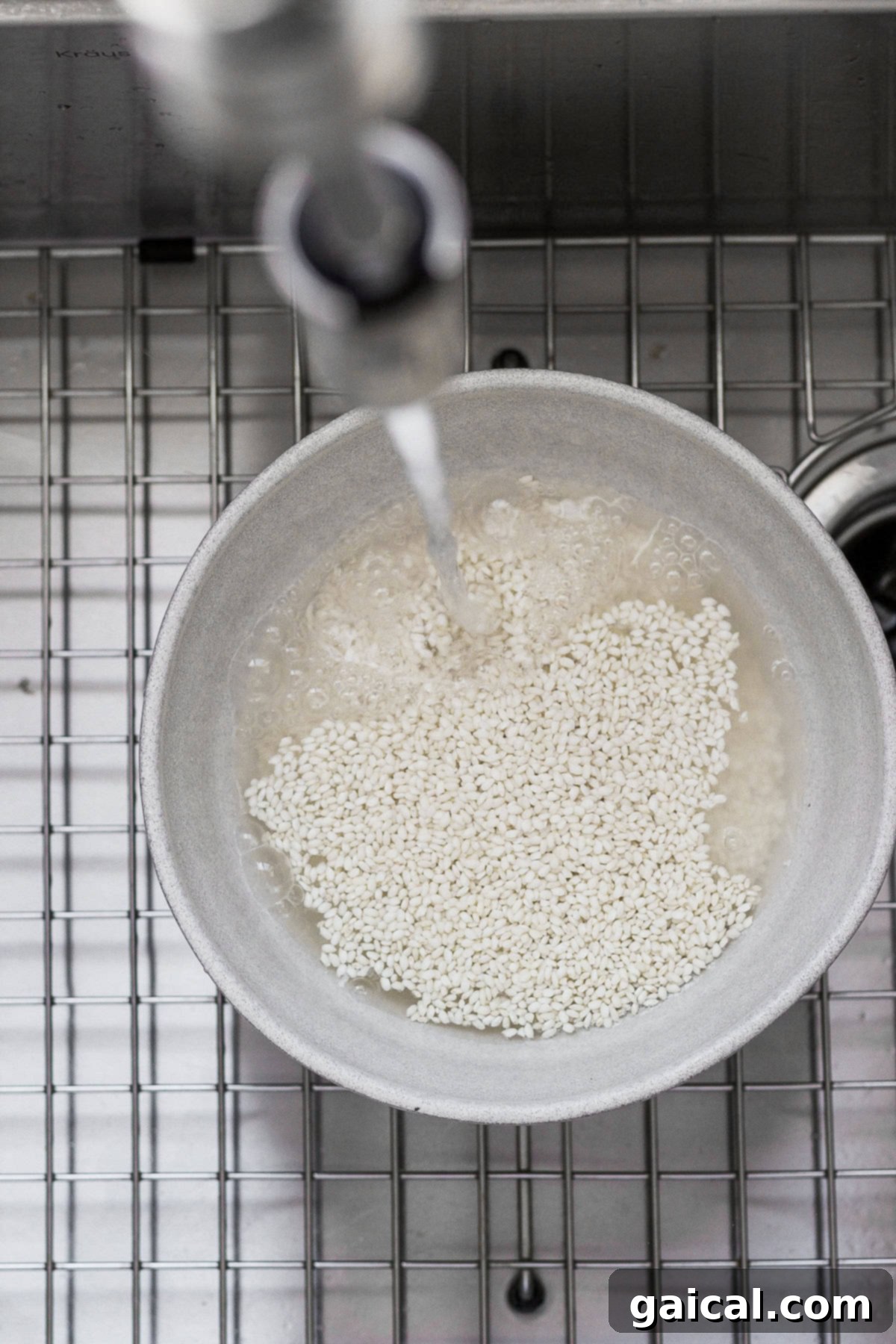
Begin by placing 3 cups of sweet rice into a large bowl. Add warm water to cover the rice, then gently swirl the rice with your hands. You’ll notice the water becoming cloudy, indicating excess starch. Carefully drain the cloudy water and repeat this rinsing process 2-4 times, or until the water runs mostly clear. This crucial step removes surface starch, preventing the rice from becoming excessively sticky and ensuring each grain cooks evenly and achieves the desired tender-chewy texture.
Step 2: The First Soak – Softening for Success
After rinsing, refill the bowl with fresh warm water, ensuring the rice is fully submerged. Allow the rice to soak for a minimum of 45 minutes to 1 hour. This soaking period is vital; it hydrates the rice grains from the inside out, making them softer and more pliable. This pre-softening allows for more even steaming and prevents the final product from being hard or undercooked in the center. While the rice is nearing the end of its soak, begin boiling a separate pot of water—enough to eventually submerge the quantity of rice you are preparing for a brief second soak.
Step 3: Strain the Rice
As the pot of water comes to a rolling boil, carefully transfer the soaked rice into a fine-mesh strainer. Let it drain thoroughly, removing as much excess water as possible. Set the strained rice aside momentarily.
Step 4: The Second Soak – For Unparalleled Softness
Once the pot of water reaches a vigorous boil, immediately turn off the heat. Carefully add the strained rice directly into the hot water in the pot. Stir gently for exactly 3 minutes. This brief exposure to hot (but not boiling) water provides a second softening stage, contributing significantly to the exceptionally tender and pleasant texture of the finished sticky rice. It’s crucial not to leave the rice in this hot water for too long, as over-soaking at this stage can lead to mushy, undesirable results.
- The primary benefit of this seemingly extra step is the creation of a significantly softer, more palatable rice texture that distinguishes truly great sticky rice.
- You’ll know the rice has reached the optimal readiness when you can easily break a single grain in half between your fingers. This indicates it’s perfectly prepped for steaming.
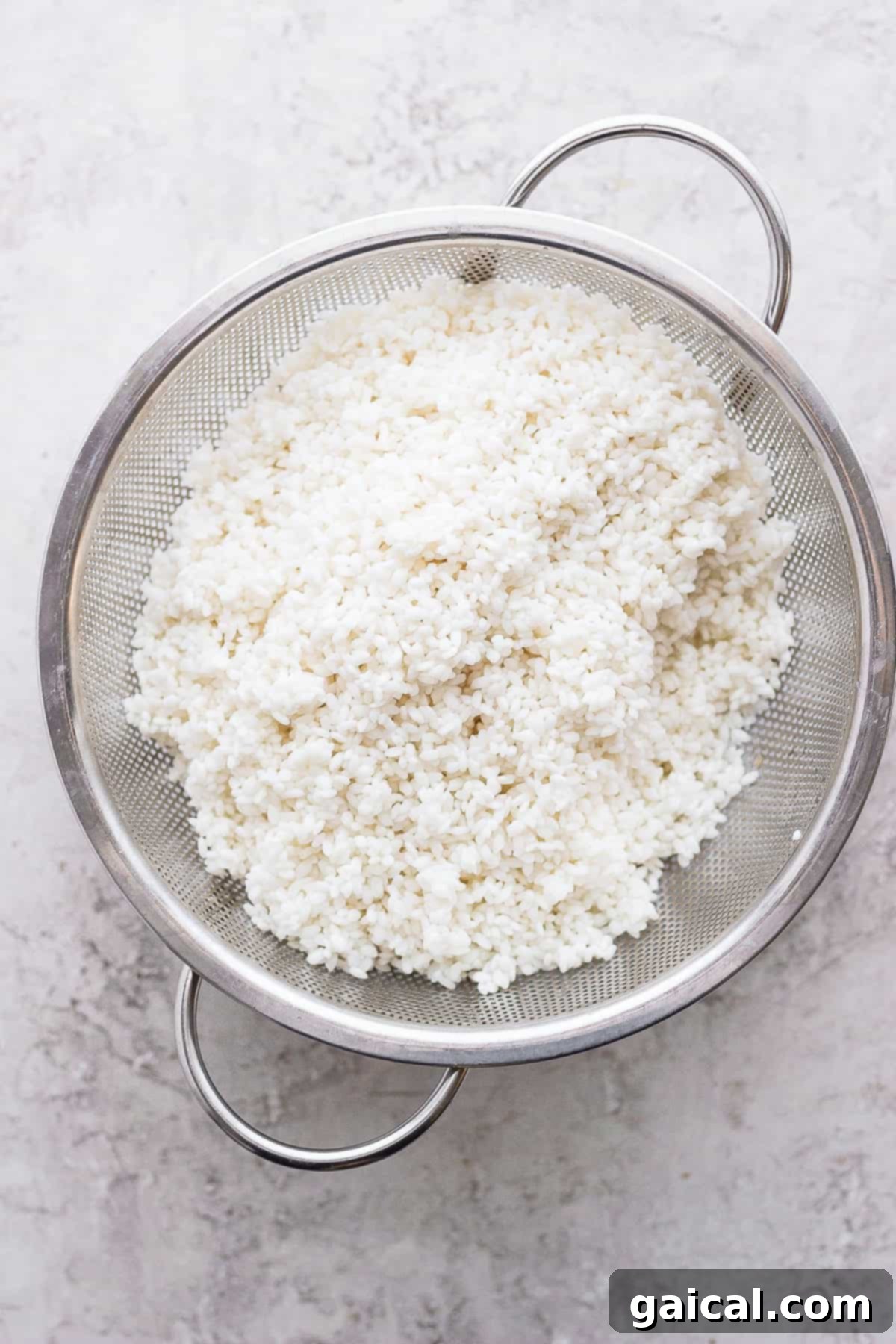
Step 5: Strain the Rice a Second Time
After its brief hot water soak, carefully strain the rice again, ensuring all excess water is removed. This double-straining process is key to preventing waterlogged rice and setting the stage for perfect steaming. Set the rice aside.
Step 6: Steam the Rice to Perfection
Prepare your steaming setup: add a few inches of water into the steam pot (or your chosen large pot). Place the bamboo basket securely on top of the pot. Turn the heat to high, bringing the water to a rolling boil to generate ample steam. It is critically important that the water level does not touch the bottom of the bamboo basket; direct contact will boil the rice, not steam it, resulting in mushiness. Slowly and carefully transfer the prepped rice into the bamboo basket, spreading it evenly. Cover the basket tightly with a lid. A snug fit is essential to trap the steam effectively and ensure uniform cooking. Allow the rice to steam for approximately 30 minutes. Cooking time can vary slightly depending on the quantity of rice and the efficiency of your steamer, so it’s perfectly acceptable to check on the rice periodically to prevent overcooking.
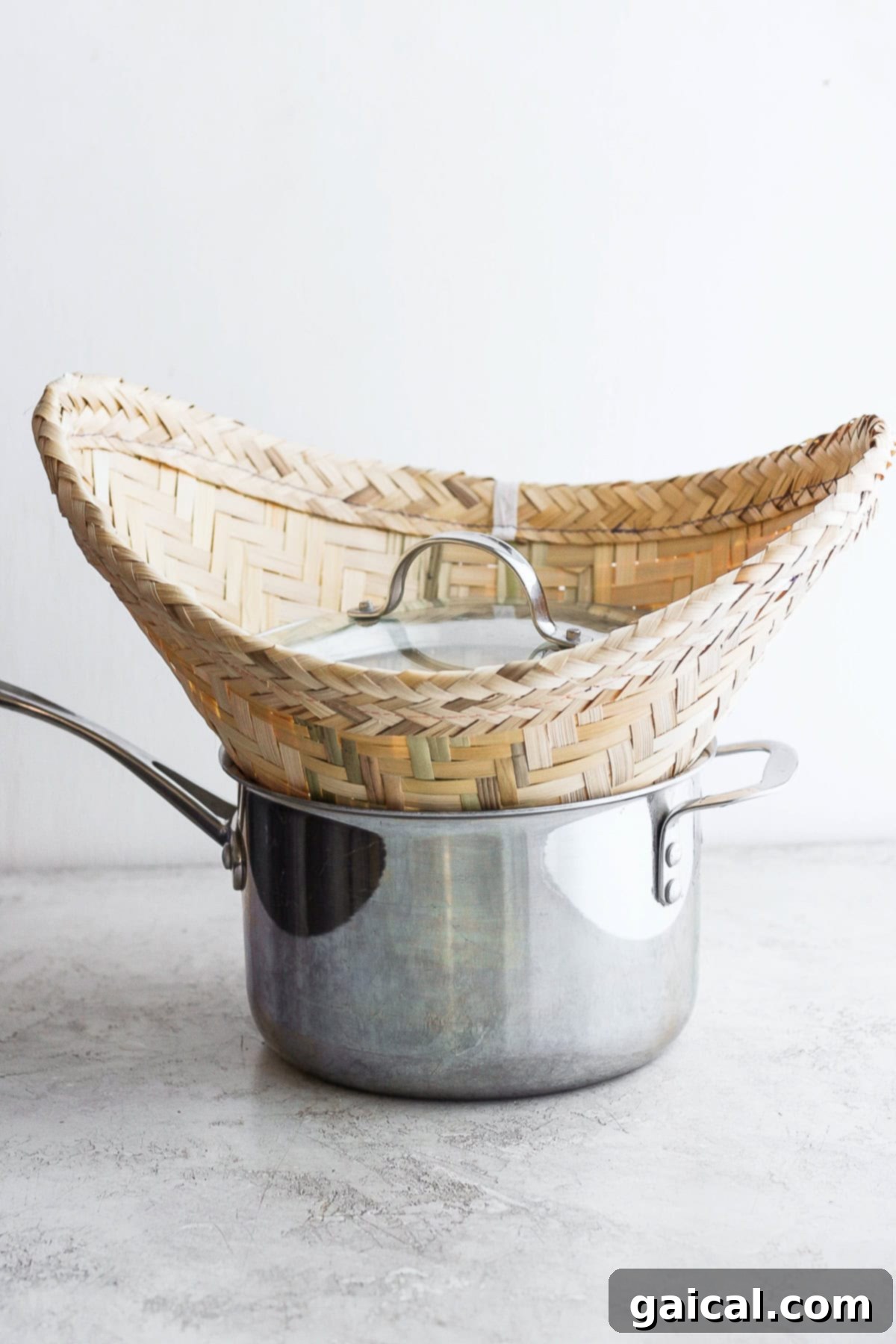
Expert Tips for Flawless Sticky Rice Every Time
Achieving that perfectly soft, chewy, and non-mushy sticky rice requires a few key considerations. Follow these expert tips from Pachee to guarantee success:
Always Rinse the Rice Thoroughly: This step is non-negotiable. Rinsing vigorously 2-4 times removes excess starch from the surface of the rice grains. Why is this important? It prevents the rice from becoming excessively gluey and helps ensure each individual grain cooks evenly, maintaining its distinct texture.
Never Skip Soaking the Rice: The initial warm water soak (45 minutes to 1 hour) is crucial. Why? It softens the rice grains from within, allowing them to absorb moisture before steaming. This pre-hydration is vital for achieving that desirable tender bite and prevents the rice from being hard or unpleasant to chew – literally saving your teeth!
Prepare Your Steam Basket for Easy Release: Before transferring the soaked rice into your bamboo steam basket, take a moment to lightly spray or rub the bottom and sides of the basket with a little butter or neutral cooking oil. This simple trick creates a non-stick surface, preventing the delicate rice from adhering to the bamboo, and making for effortlessly easy clean-up after cooking.
Crucial Steaming Water Rule: When setting up your steam pot, always ensure that the water boiling below the bamboo basket does NOT touch the bottom of the basket itself. If the rice comes into direct contact with the boiling water, it will cook like boiled rice, leading to a mushy, waterlogged texture rather than the distinct firm and sticky consistency we’re aiming for.
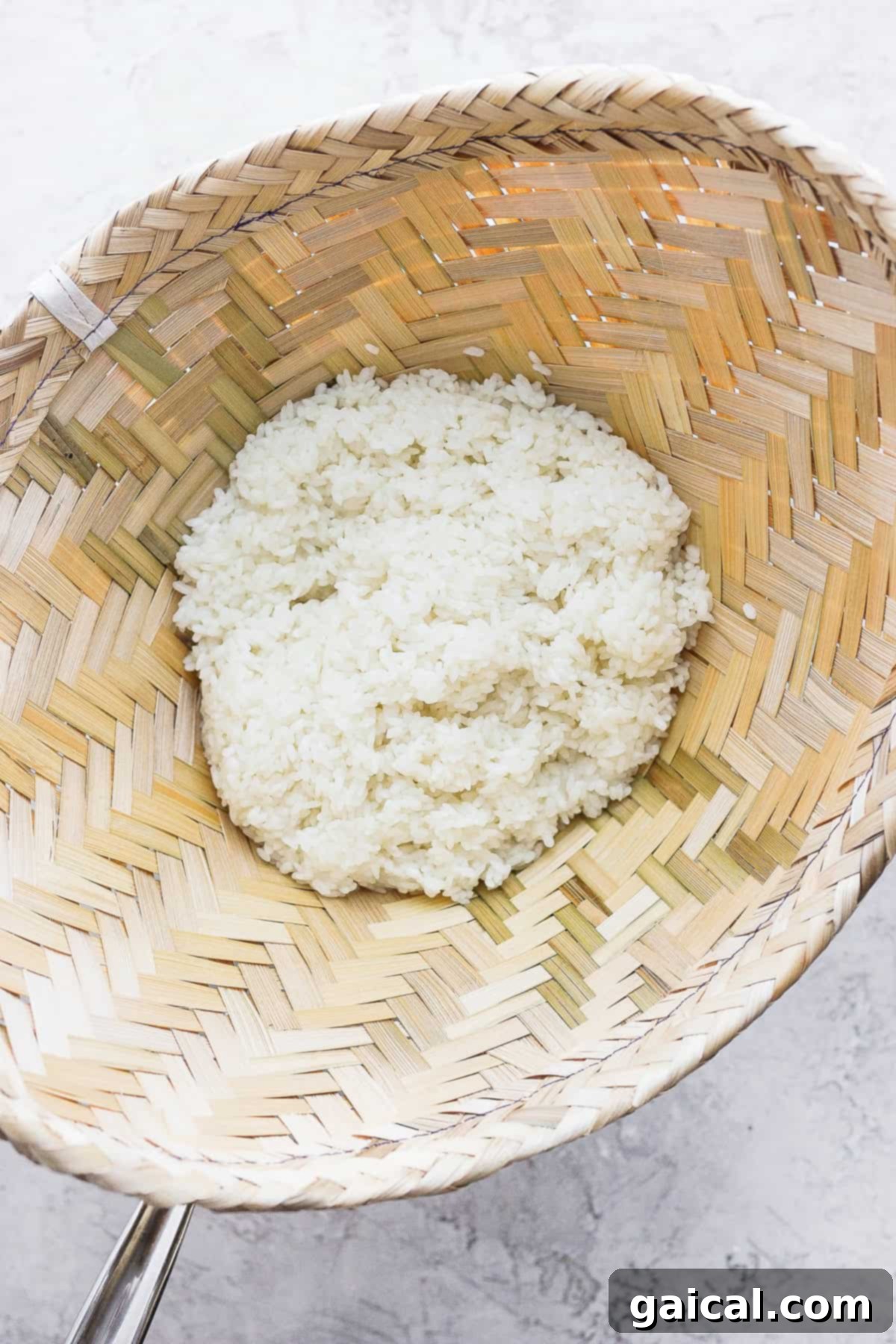
What to Serve with Sticky Rice: Endless Pairing Possibilities
Sticky rice is a culinary chameleon, adapting beautifully to a wide array of dishes. Its neutral yet subtly sweet flavor and satisfying texture make it an ideal accompaniment for many Asian cuisines.
Pachee’s recipe for
Pad Krapow (Thai Basil Stir Fry)
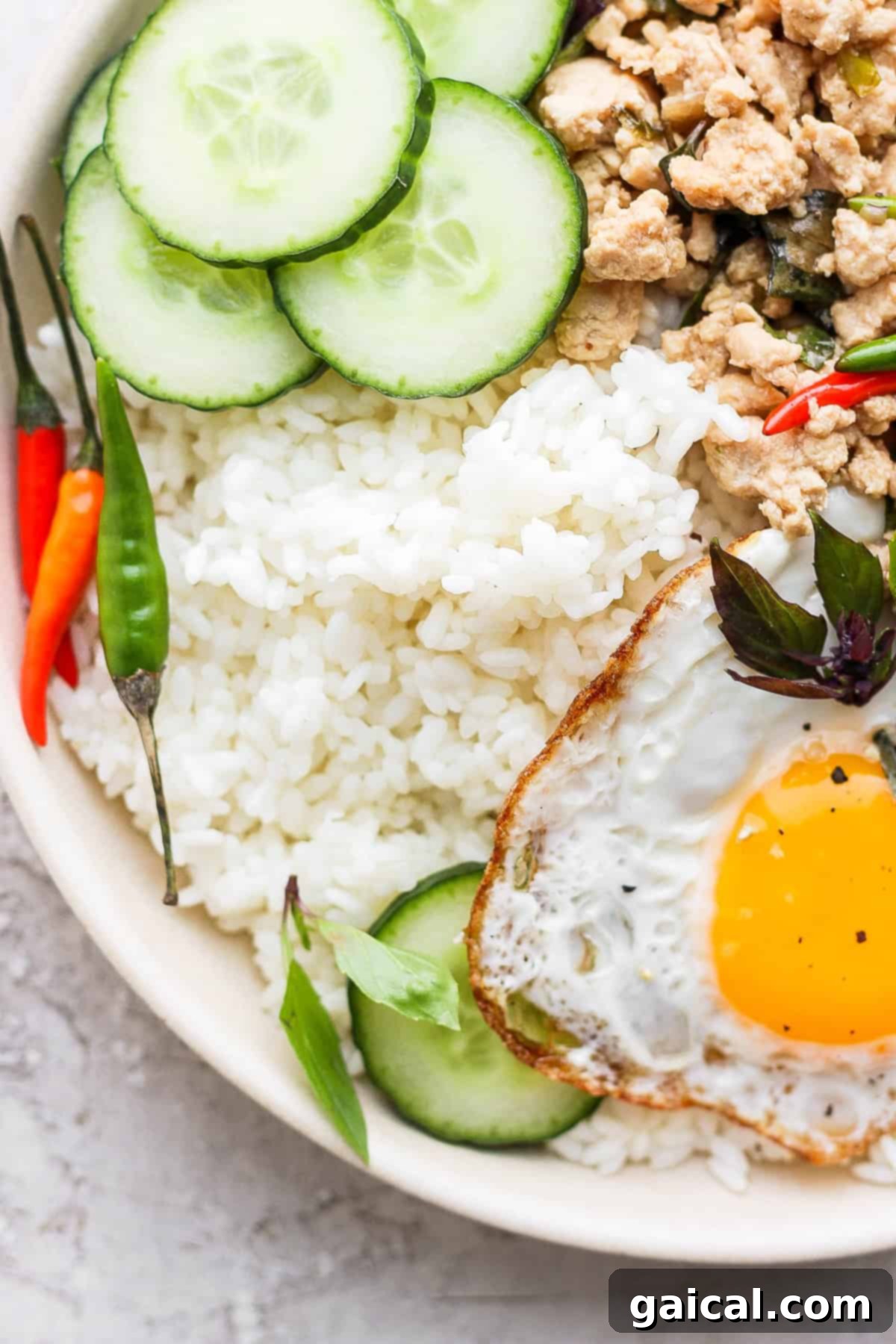
We absolutely adore serving this freshly steamed sticky rice with Pachee’s incredible Pad Krapow recipe – the flavors are a match made in heaven! If you’re looking for even more inspiration, here are a few of our other favorite pairings that truly highlight the versatility of sticky rice:
- Shrimp Stir Fry: The delicate sweetness of sticky rice beautifully balances the savory and often spicy notes of a vibrant shrimp stir-fry.
- Chicken Stir Fry: A classic combination! Sticky rice provides the perfect base to soak up the rich sauces of a hearty chicken and vegetable stir-fry.
- Healthy Orange Chicken: The tangy, sweet, and slightly spicy glaze of orange chicken finds its perfect counterpart in the mild, chewy texture of sticky rice.
- Honey Sticky Pork: As the name suggests, sticky rice is the ultimate partner for succulent, glazed pork dishes, creating a harmonious textural and flavor experience.
- Grilled Meats and Skewers: Think Thai-style grilled chicken (Gai Yang) or various satays. The sticky rice acts as an excellent vehicle for absorbing the smoky, marinated flavors.
- Curries: While often served with jasmine rice, sticky rice offers a different, satisfying chew that pairs wonderfully with rich, creamy Thai or Laotian curries.
- Spicy Salads: In Laos and Northeast Thailand, sticky rice is often served alongside spicy meat salads (like Larb) or papaya salad, providing a cooling balance to the heat.
- Sweet Delicacies: Don’t forget its role in desserts! The most famous is undoubtedly Mango Sticky Rice, but it’s also used in various sweet puddings and confections across Asia.
Storage and Reheating Sticky Rice
Properly storing sticky rice is key to enjoying its delightful texture for longer. Once cooled, transfer your sticky rice to an airtight container and store it in the refrigerator for up to 3 days. While it can be frozen for longer storage (up to a month) in individual portions, the texture may change slightly upon thawing and reheating.
To reheat: For best results, place the sticky rice in a microwave-safe container with a tablespoon or two of water, cover loosely, and reheat in 30-second intervals until it’s warm and pliable again. Alternatively, you can re-steam it for a few minutes until soft. This helps restore its moisture and signature stickiness.
More of our Favorite…
Diverse Recipes Featuring Rice
Rice is an incredibly versatile grain, and we love finding new ways to incorporate it into delicious meals. If you’re looking to explore more rice-based recipes beyond sticky rice, here are some other fantastic options from our kitchen:
- Cilantro Lime Rice: A zesty and refreshing side dish perfect for Mexican-inspired meals or grilled proteins.
- Sushi Burrito: A fun and customizable twist on traditional sushi, offering all your favorite flavors in a convenient handheld form.
- Cauliflower Fried Rice: A lighter, low-carb alternative to classic fried rice, packed with vegetables and flavor.
- Instant Pot Brown Rice: Learn how to cook perfectly fluffy brown rice with ease using your Instant Pot.
- How to Cook Wild Rice: A guide to preparing this nutty, earthy grain that adds fantastic texture and nutrition to any dish.
Perfect Sticky Rice Recipe
Master the art of making perfectly steamed sticky rice in your own kitchen with our authentic, step-by-step instructions. This versatile dish is a fantastic accompaniment to a wide variety of Asian meals, both sweet and savory.
Print Recipe
Equipment
-
Steam Pot
-
Bamboo Basket
-
Strainer
Ingredients
- 3 cups sweet rice, (we used Apple Brand Sweet Rice)
- Water
Instructions
-
Place 3 cups of rice into a large bowl and rinse the rice under warm water 2-4 times and drain.
-
Fill the bowl of rice with warm water again and this time let the rice soak for 45 minutes to 1 hour. This helps the rice to soften up so it can steam to an ideal texture.
-
A few minutes before the rice is finished soaking, boil a pot of water enough to submerge the amount of rice you’re making. While the water is on its way to a rolling boil, strain the rice into a strainer. Set aside.
-
Once the pot of water is boiling, immediately turn it off. Carefully add the rice into the pot of hot water and stir for 3 minutes. Be careful not to leave the rice in too long because this will cause mushy sticky rice.
-
The benefit of this added process is that it creates a softer, more pleasant rice to eat.
-
You know the rice is ready when a grain of rice breaks easily in half.
-
Carefully strain or drain the rice and set it aside.
-
Add water into the steam pot and place the bamboo basket on top. Turn the heat on high. It’s important that the water doesn’t touch the bottom of the bamboo basket.
-
Slowly transfer the rice into the bamboo basket and cover it with a lid. It’s important the lid covers well so the rice can steam nicely. Let steam for 30 minutes, depending on how much rice you’re making. It’s okay to check on the rice to make sure it doesn’t overcook.
-
Serve and enjoy!
Tips & Notes
- Be sure to spray or rub butter to the bottom of the bamboo basket so the rice doesn’t stick and makes for easy clean-up.
- IMPORTANT WHEN STEAMING: Make sure water in the steam pot doesn’t touch the bottom of the bamboo basket.
Nutrition Information
Calories: 95 kcal
Carbohydrates: 21 g
Protein: 1 g
Fat: 1 g
Fiber: 0 g
Sugar: 12 g
Nutrition information is automatically calculated and should only be used as an approximation.
Love this recipe? Leave a comment below!
Don’t forget to tag your posts on social media with the hashtag #fitfoodiefinds – we’d love to see what you’re cooking up!
Photography by: The Wooden Skillet