Welcome to your ultimate guide for mastering pork recipes! Whether you’re a seasoned chef or just starting your culinary journey, this comprehensive resource is designed to elevate your pork cooking skills. We’ll dive deep into everything you need to know about this incredibly versatile meat, from understanding different cuts to achieving perfect tenderness and flavor. Prepare to explore a world of delicious possibilities and discover new favorites that will impress family and friends alike.
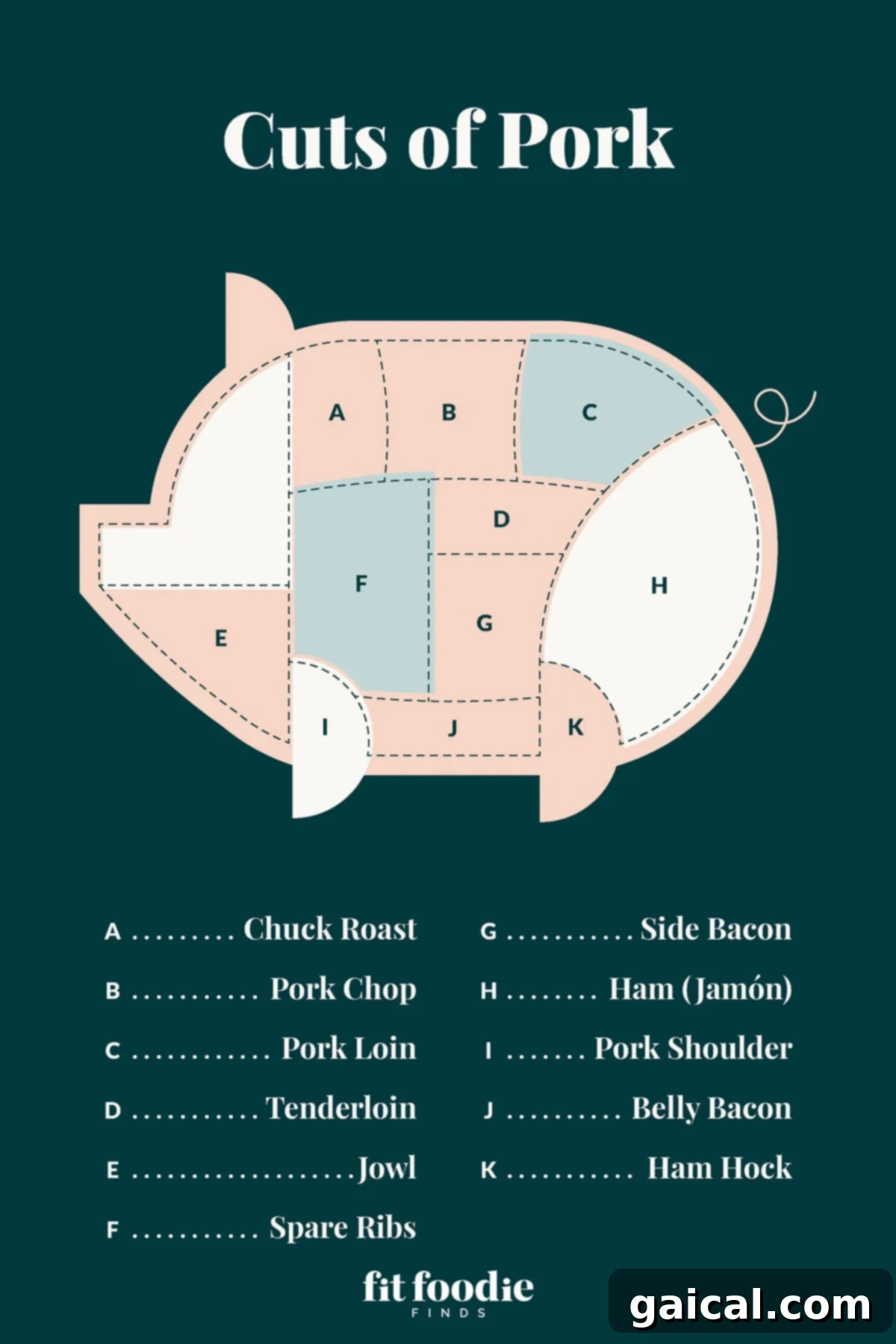
Have you ever found yourself pausing, pondering the subtle differences between a pork tenderloin and a pork loin? Or perhaps wondered if a chuck roast could stand in for a pork shoulder in your slow cooker? These are common questions that arise when cooking with pork, a meat known for its diverse cuts and cooking requirements. Our goal is to demystify pork, transforming you into a confident and knowledgeable pork enthusiast. We’re excited to share insights and an array of beloved pork recipes, including our crowd-pleasing Slow Cooker Pork Roast and the exquisitely Juicy Grilled Pork Tenderloin. Let’s embark on this delicious adventure together!
What is Pork? A Global Culinary Staple
Pork, the culinary term for meat derived from the domesticated pig, stands as the most widely consumed meat worldwide. Its popularity is due to its adaptability, rich flavor profile, and relatively affordable cost. From succulent roasts to crispy bacon, pork offers an astounding variety of textures and tastes, making it a staple in countless cuisines across cultures.
Understanding the different cuts of pork is crucial for successful cooking. Each cut possesses unique characteristics that dictate the best preparation methods. The most common and popular cuts you’ll encounter include: pork chops, pork shoulder (often sold as pork butt), ground pork, ham, and bacon. Each of these cuts, along with others like pork belly and tenderloin, offers distinct culinary applications, inviting a world of creative cooking.
Beyond its culinary versatility, pork is also a good source of protein, vitamins, and minerals. Leaner cuts, such as pork tenderloin, offer a healthier option while still providing essential nutrients. Knowing your cuts and how to prepare them ensures not only delicious meals but also nutritious ones.
Achieving Perfect and Safe Pork Cooking Temperatures
One of the most frequently asked questions in the kitchen revolves around the correct pork cooking temperature. This isn’t just about taste; it’s paramount for food safety. Undercooked pork can pose health risks due to potential food-borne pathogens. Therefore, cooking pork to its safe minimum internal temperature is non-negotiable for a healthy and enjoyable meal.
According to trusted food safety authorities like FoodSafety.gov, the safe minimum internal temperature for most cuts of pork is at least 145ºF (63ºC). This temperature allows for a safe and succulent result, often leaving a hint of pink in the center, which is perfectly acceptable and indicates a juicy, tender piece of meat. For ground pork, the recommended internal temperature is higher, typically 160ºF (71ºC), to ensure thorough cooking.
The easiest, most reliable, and precise way to ascertain if your pork has reached a safe temperature is by using a high-quality meat thermometer. Simply insert the thermometer into the thickest part of the meat, avoiding any bone, to get the most accurate reading. After reaching 145ºF, it’s recommended to let the pork rest for at least three minutes. This “rest time” allows the juices to redistribute throughout the meat, resulting in a more tender and flavorful experience, and also helps destroy any remaining bacteria, as the temperature typically continues to rise slightly during this period (carryover cooking).

Pro Tip!
Reliable Meat Thermometer
We consistently recommend using a meat thermometer when cooking any cut of meat to guarantee perfect results and food safety. The Thermapen is our trusted go-to, delivering accurate readings every single time.
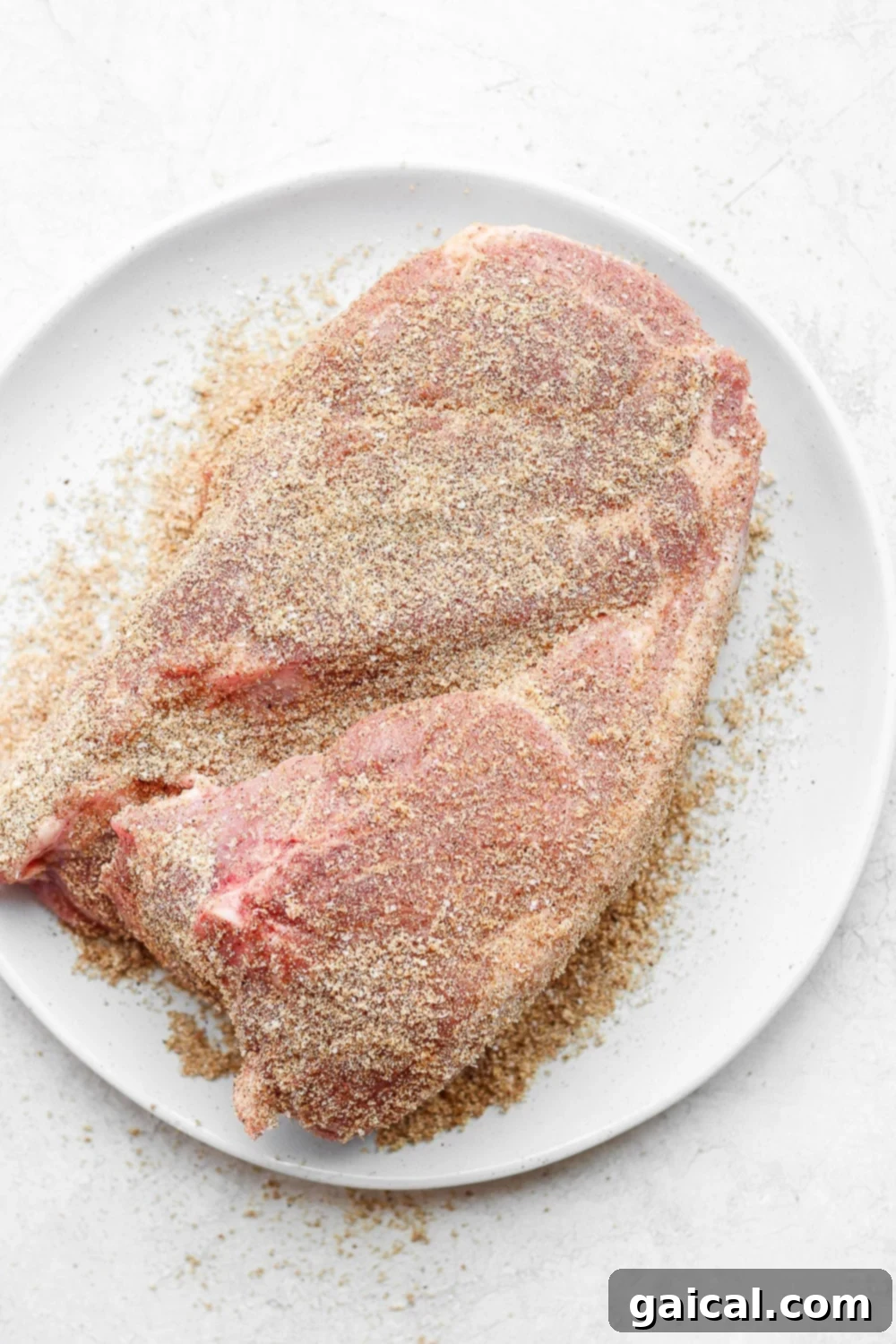
Secrets to Soft and Tender Pork
Achieving melt-in-your-mouth pork is the goal for many home cooks. While some cuts are naturally more tender than others (often those with higher fat content), there are several techniques you can employ to ensure your pork is consistently soft and tender, regardless of the cut.
To make pork exceptionally soft and tender, consider these essential tips:
Salt Generously: Salt is more than just a seasoning; it’s a powerful tenderizer. It helps break down the muscle fibers in the pork, making it easier to chew and digest. Whether you use a dry brine or a simple seasoning, ensure adequate salting before cooking. This process draws moisture out, then reabsorbs it, carrying flavor deeper into the meat.
Tenderize Physically: For tougher cuts, a meat mallet can work wonders. Pounding the pork breaks down tough connective tissues, physically tenderizing the meat. Remember to do this before cooking, never after, and always protect your work surface (and the meat) with plastic wrap.
Cook Low and Slow: This method is a game-changer for tougher, fattier cuts like pork shoulder or butt. Long cooking times at lower temperatures allow connective tissues to slowly break down into gelatin, resulting in incredibly tender, fall-apart meat. Think slow cookers, Dutch ovens, or low-temperature roasting.
Avoid Overcooking: This is arguably the most crucial tip for tender pork. Overcooking drains the meat of its moisture, leaving it dry, tough, and chewy. Always use a meat thermometer and aim for that ideal internal temperature of 145ºF (followed by a rest) for optimal juiciness and tenderness. Different cuts will have different ideal cooking times, so tailor your approach.
Infusing Pork with Incredible Flavor
Nobody wants bland pork! Enhancing pork’s natural flavor is simple with the right techniques. Pork is a fantastic canvas for a wide array of seasonings and marinades, readily absorbing flavors to create truly memorable dishes. Here are our two favorite ways to make pork burst with flavor:
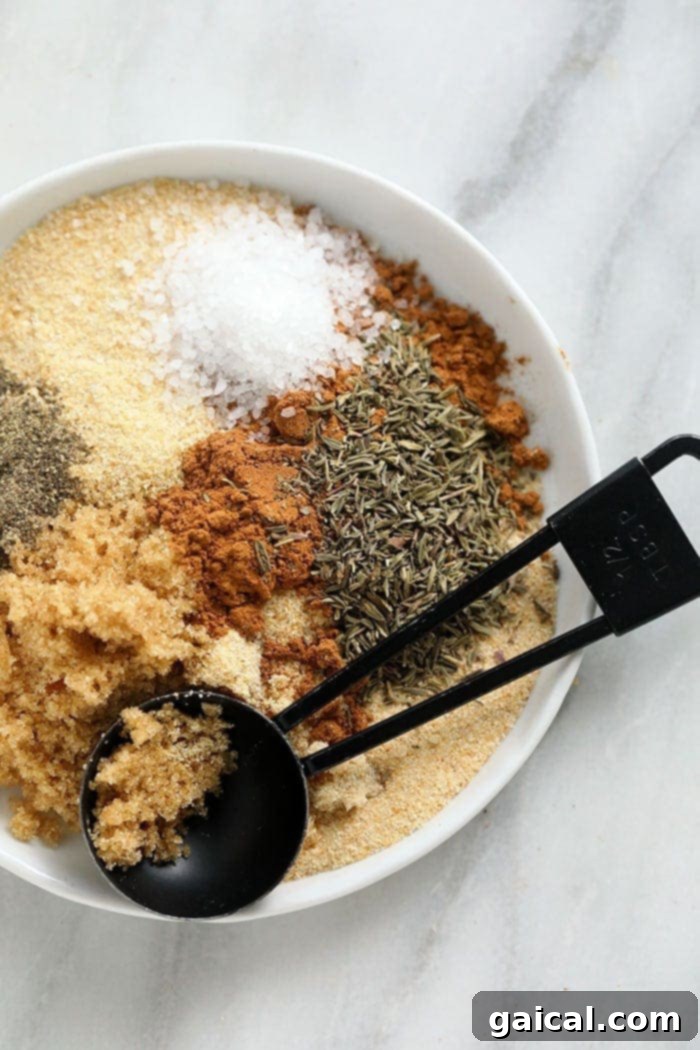
Dynamic Dry Rubs: Dry rubs are an excellent way to add external flavor and create a delicious crust on your pork. A good rub consists of a blend of herbs and spices that complement pork’s savory notes. Apply generously and let it sit for at least 30 minutes, or even overnight in the refrigerator, to allow the flavors to penetrate. Here are some of our favorite dry rub recipes:
- Classic Pork Dry Rub – This savory-sweet rub, with a delightful hint of cinnamon, is incredibly versatile for any pork cut.
- Versatile Poultry Seasoning (Yes, many poultry seasonings work beautifully on pork!)
- Smokey Cajun Seasoning – Perfect for adding a bit of heat and depth.
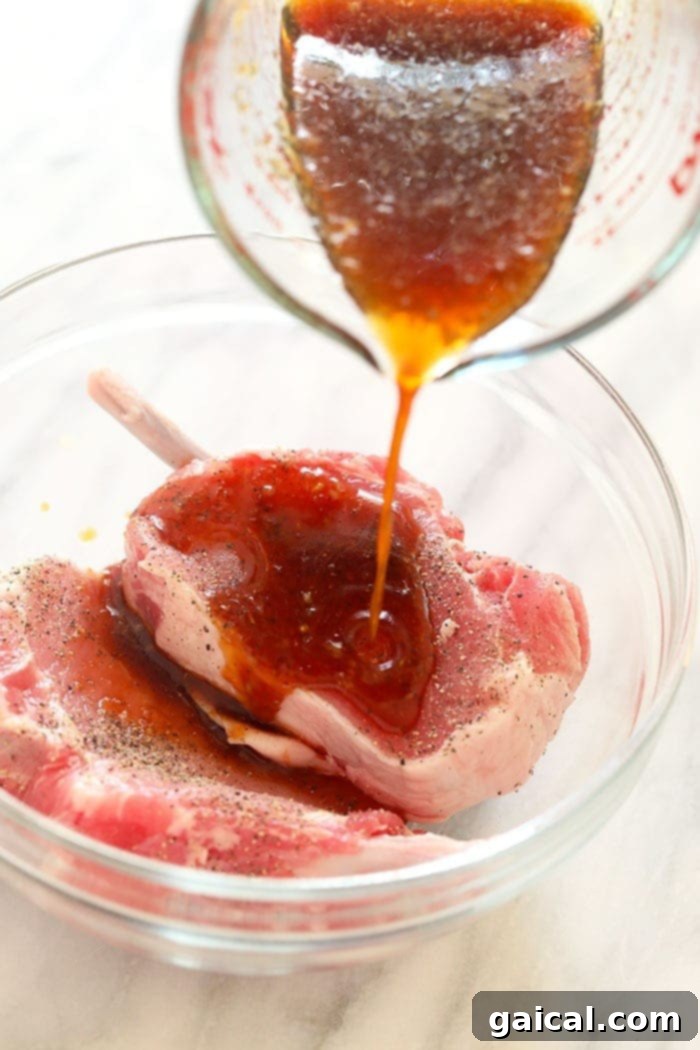
Flavorful Marinades: Marinades act as a ‘flavor bath,’ not only infusing the entire cut of meat with taste but also tenderizing it. The acids in marinades (like vinegar or citrus juice) help break down tough fibers, while oils keep the meat moist. For best results, marinate pork for at least an hour, or up to 24 hours for deeper flavor and tenderness. Explore these fantastic marinade options:
- Best Pork Chop Marinade
- Simple Pork Tenderloin Marinade
Don’t forget, our popular chicken marinades post on Fit Foodie Finds offers several recipes that are also perfectly suited for various pork cuts, especially lean cuts like pork tenderloin!
Our Top 5 Must-Try Pork Recipes
Ready to put your newfound pork knowledge to the test? Here are our absolute favorite pork recipes that promise flavor, tenderness, and satisfaction. These selections highlight the versatility of pork and offer something for every occasion, from quick weeknight meals to impressive weekend feasts. Get ready for some serious recipe inspiration!
The Best Pork Rub
Instant Pot Pork Roast
Juicy Grilled Pork Tenderloin
24-Hour Sous Vide Ribs
Tender Instant Pot Pulled Pork
The Best Pork Rub
Elevate any pork dish with our incredibly flavorful 7-ingredient Pork Rub recipe. This blend of savory and sweet spices is designed to be your go-to dry rub, suitable for pork chops, ribs, loins, or a large roast. It creates a beautiful crust and infuses the meat with a captivating aroma and taste. Mix up a batch today and keep it handy for your next pork creation!
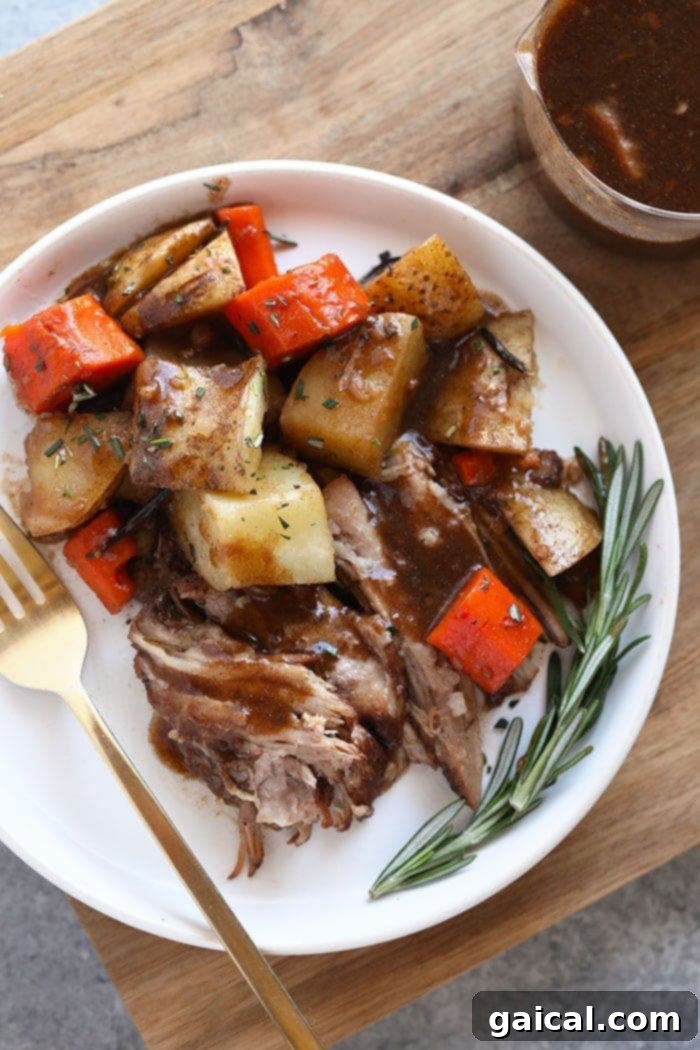
Instant Pot Pork Roast
When you need a comforting, hearty meal in a hurry, our Instant Pot Pork Roast recipe is a lifesaver. This recipe consistently delivers a tender, succulent roast that tastes like it slow-cooked all day. Throw a pork shoulder, carrots, and potatoes into your Instant Pot, and in just about 90 minutes, you’ll have a healthy, homemade meal that’s so tender it literally falls apart. It’s perfect for busy weeknights or when unexpected guests arrive.
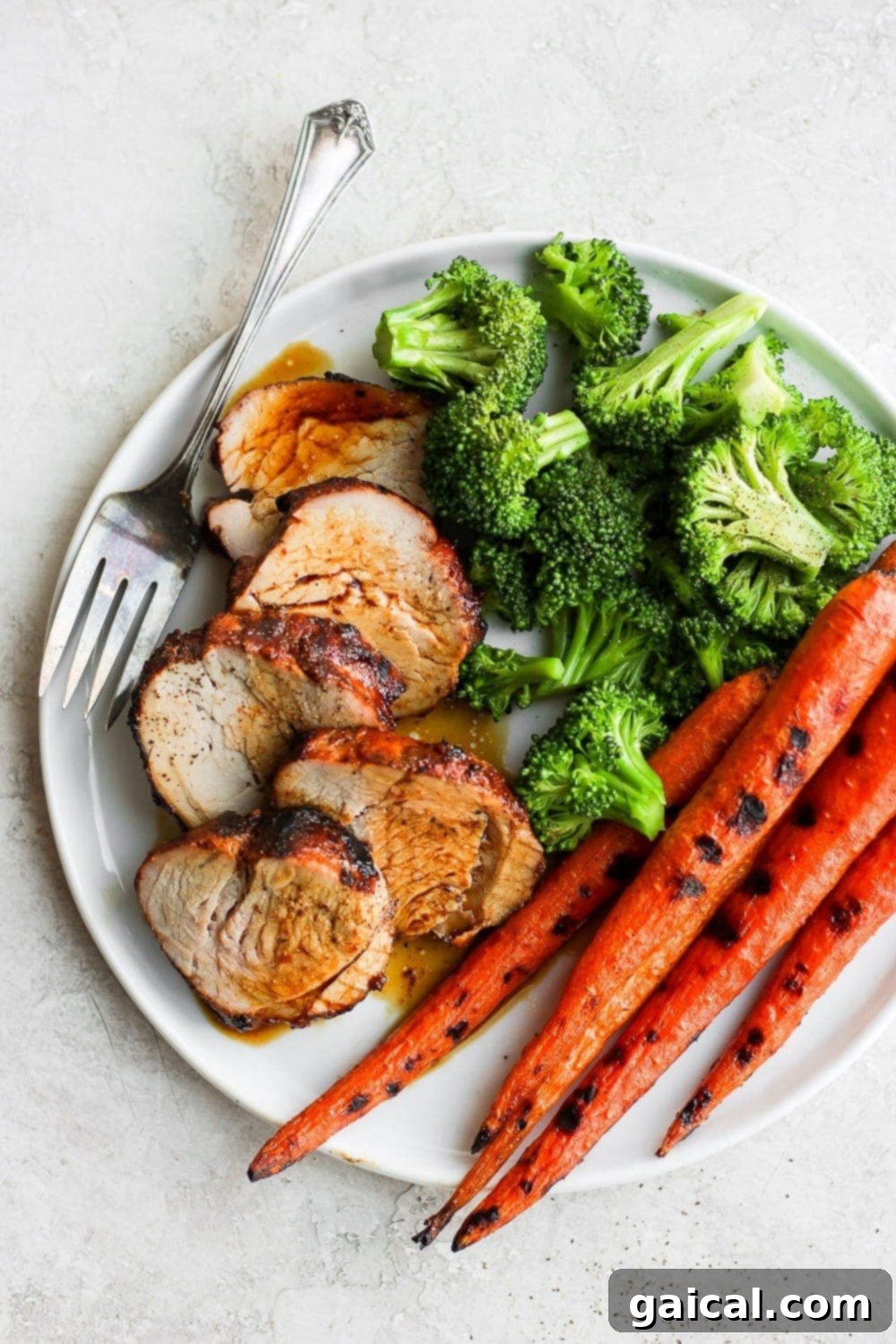
Juicy Grilled Pork Tenderloin
Prepare to be amazed by this incredibly juicy grilled pork tenderloin! This recipe starts with a flavorful spice blend rubbed generously over the tenderloin, followed by a soak in a specially crafted marinade. The result is a piece of pork that is perfectly charred on the outside and incredibly moist and tender on the inside. It’s a fantastic option for grilling season, offering a healthy yet indulgent meal.
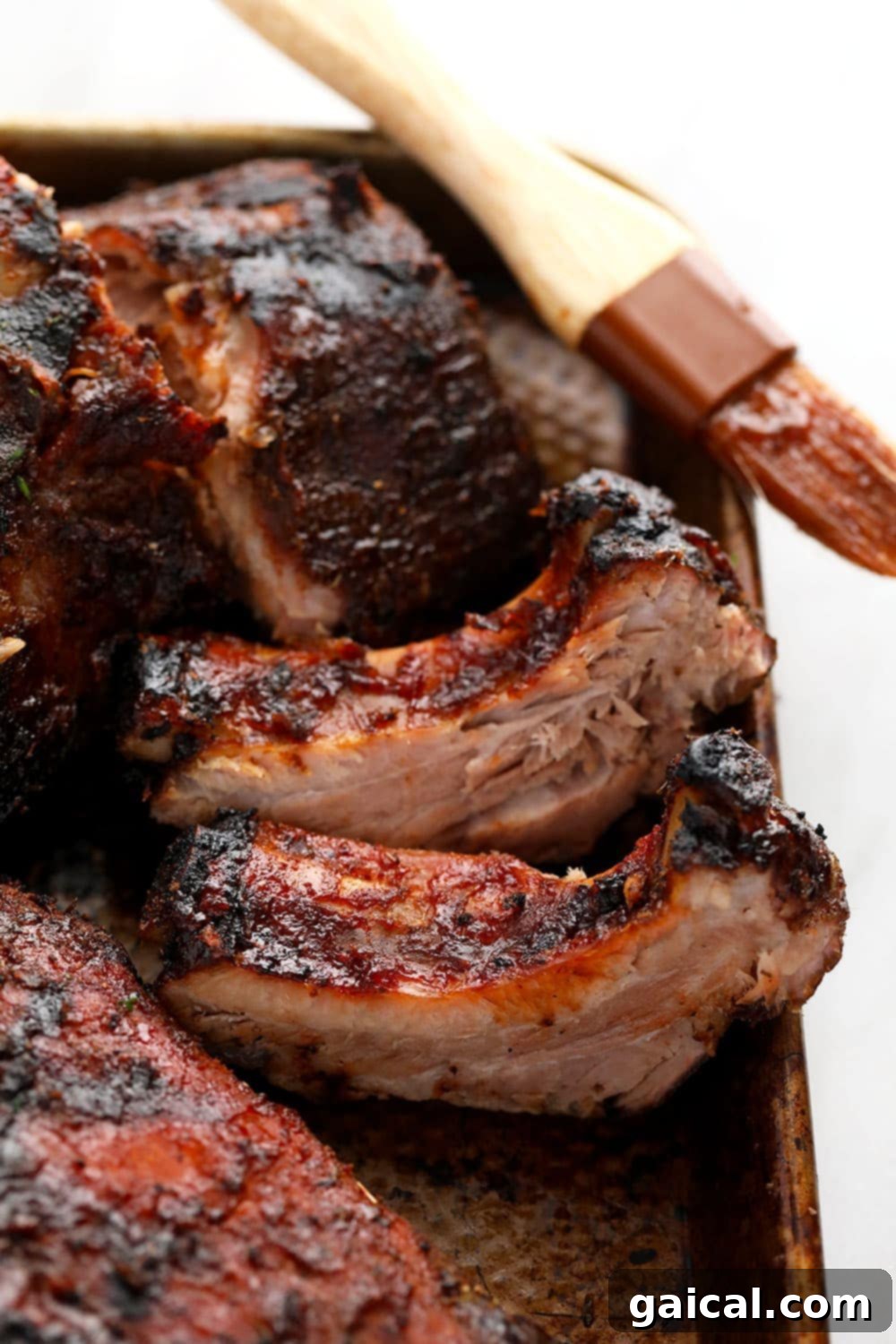
24-Hour Sous Vide Ribs
For ribs that truly fall off the bone with minimal effort, our 24-hour, ultra-tender sous vide ribs are a revelation! These ribs are seasoned with a rich, smokey dry rub, then cooked to perfection in a precisely controlled sous vide bath for a full day. After their long, slow cook, they’re slathered with your favorite BBQ sauce and finished on the grill to achieve that irresistible caramelized crust. This method guarantees unparalleled tenderness and flavor.
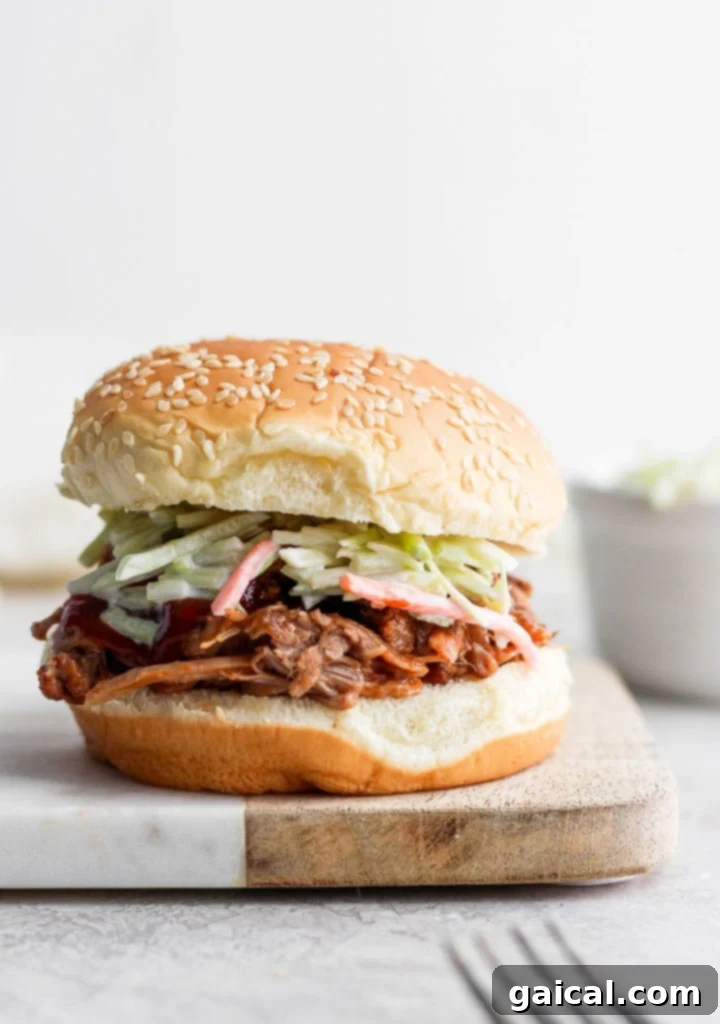
Instant Pot Pulled Pork
Discover the secret to the most tender and juicy Instant Pot Pulled Pork! This recipe leverages the magic of pressure cooking to transform a humble pork shoulder into unbelievably soft, shreddable meat in a fraction of the traditional time. Prepared with a delicious dry rub and your favorite bbq sauce, this pulled pork is perfect for sandwiches, tacos, or as a main dish alongside your favorite sides.
Pork Shoulder vs. Pork Butt: Understanding Tougher Cuts
Pork shoulder and pork butt are two cuts that often cause confusion, though they both come from the shoulder area of the pig. They are excellent choices for slow cooking methods due to their higher fat content and connective tissue, which break down beautifully over time.
Pork Shoulder: Also known as picnic shoulder, this cut is located on the bottom part of the pig’s shoulder, below the pork butt. It’s a tougher piece of meat with a good amount of connective tissue and some bone, making it ideal for slow-cooking methods like braising, stewing, or smoking, where it can become incredibly tender and flavorful.
Pork Butt: Despite its name, pork butt (or Boston butt) comes from the upper part of the pig’s shoulder. This cut is characterized by abundant marbling and fat, making it exceptionally flavorful and tender when cooked low and slow. It’s the go-to cut for pulled pork, carnitas, and rich roasts.
What is the primary difference? While both come from the shoulder, pork butt generally has more fat and marbling than pork shoulder. This difference often makes pork butt slightly more tender and forgiving for methods like roasting or smoking, as the fat renders beautifully. Pork shoulder can also achieve incredible tenderness but might benefit from longer cooking times or a slightly more moist environment.
- Hearty Instant Pot Pork Chili
- Easy Instant Pot Pork Roast
- Classic Baked Pork Roast
- Flavorful Instant Pot Pulled Pork
- Authentic Instant Pot Carnitas
- Delicious Smoked Pork Shoulder
- Comforting Slow Cooker Pork Roast
- Convenient Carnitas Burrito Bowls
- Tender Slow Roasted Pork Shoulder
- Smokey Pulled Pork Tacos
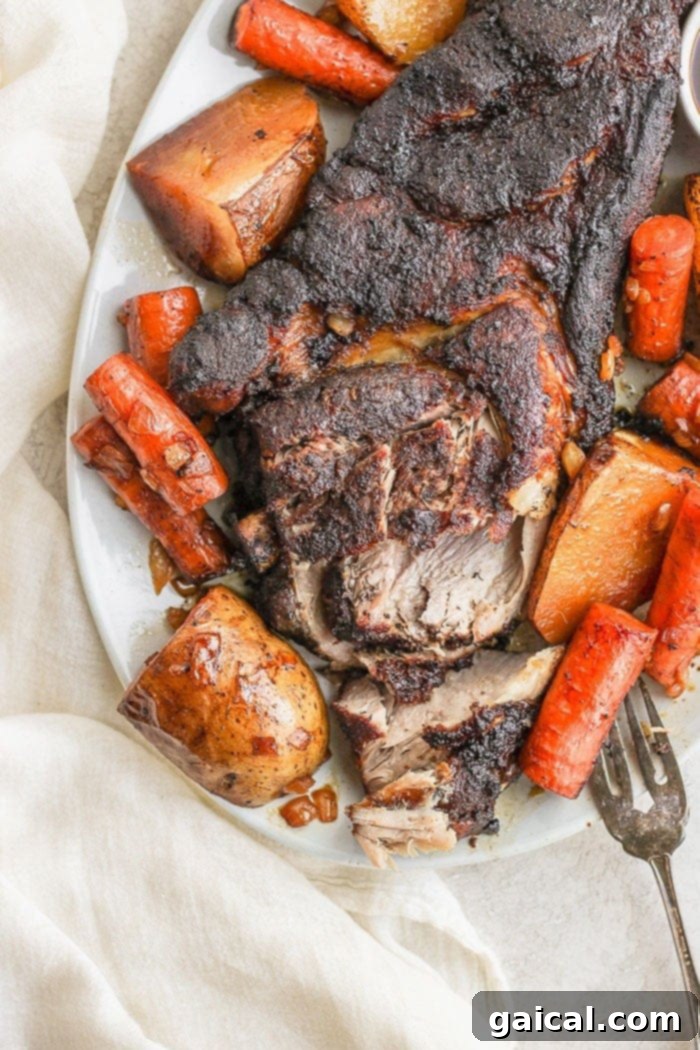
Ground Pork: The Versatile Kitchen Workhorse
Ground Pork: Typically made from ground pork butt or shoulder, ground pork is an incredibly versatile and flavorful ingredient. It usually contains a good amount of fat, which contributes significantly to its rich taste and juicy texture, preventing dishes from drying out. Ground pork is a fantastic choice for a wide range of recipes, bringing a savory depth that can elevate everyday meals.
Its mild yet distinct flavor makes it an excellent base for international dishes. Use it to create juicy meatballs for Italian pasta, flavorful fillings for Asian dumplings or spring rolls, or savory breakfast sausages and meatloaf. It readily absorbs spices and herbs, allowing you to customize its profile to suit any cuisine. Whether you’re aiming for something comforting and familiar or exotic and adventurous, ground pork delivers on flavor and ease of use.
- Incredible Sausage Stuffing
- Cheesy Breakfast Sausage Stuffed Peppers
- Hearty Kale Soup with Ground Pork
- Comforting Wild Rice Meatloaf
- Zesty Fajita Breakfast Burritos
- Fun Sausage Pizza Pasta
- Savory Pizza Quinoa Casserole
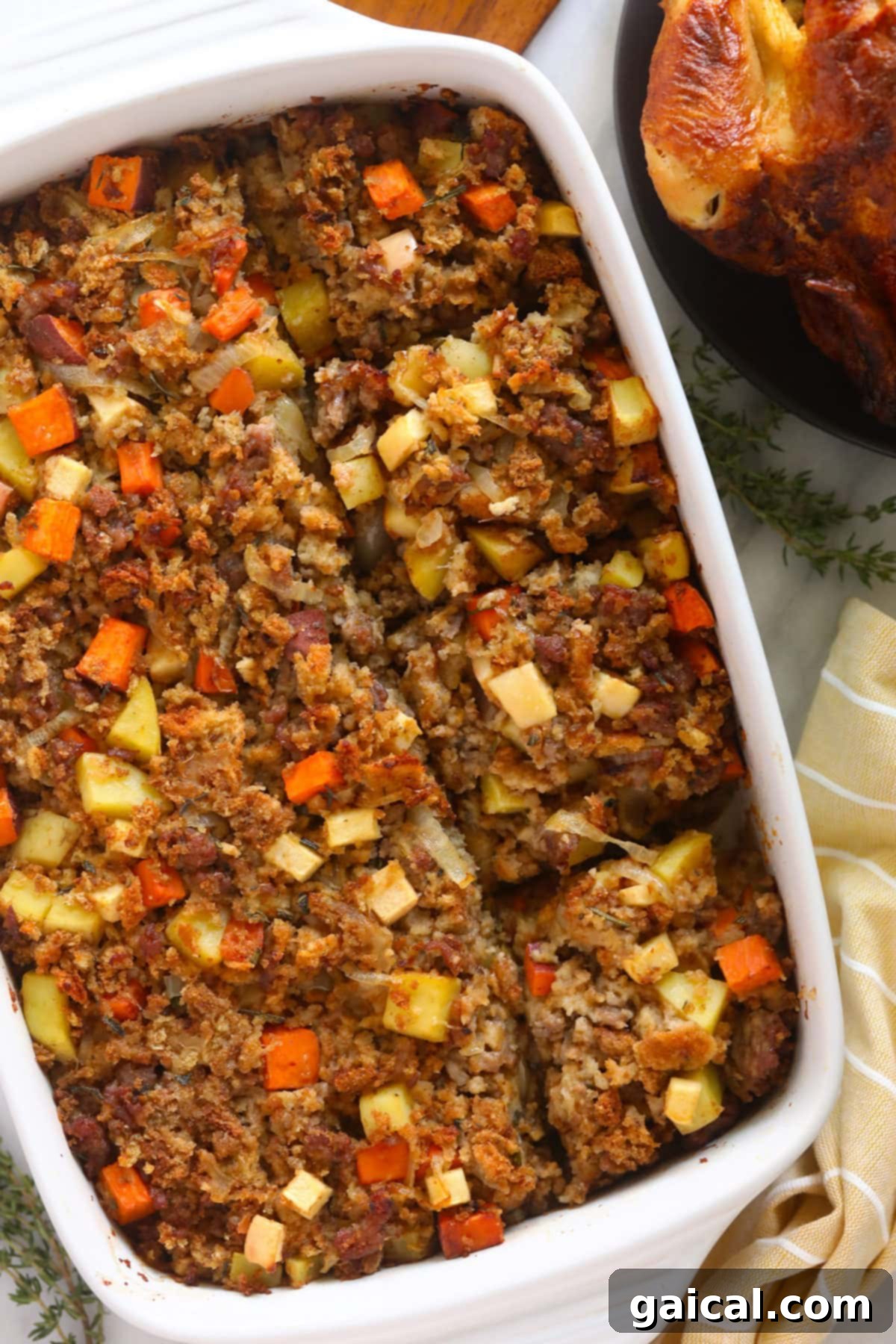
Bacon: The Crispy, Flavorful Delight
Bacon: Universally loved, bacon is a cut that comes from the belly of the pig. It’s renowned for its rich flavor and high fat content, which renders beautifully when cooked, resulting in that irresistible crispiness. Beyond being a quintessential breakfast side, bacon’s salty and savory profile makes it an exceptional “wrapping” agent and flavor enhancer for a variety of dishes. Whether wrapped around sweet dates, earthy Brussels sprouts, or fresh asparagus, bacon adds a smoky, umami dimension that elevates simple ingredients.
Different types of bacon exist, such as streaky bacon (most common in the US, from pork belly) and back bacon (leaner, from the loin, popular in the UK). While often fried, bacon can be prepared in various ways to achieve different textures and uses, from chewy to shatteringly crisp. It’s a versatile ingredient that can transform a dish with its unique flavor and texture.
- Effortless Oven-Baked Bacon
- Crispy Air Fryer Bacon
- Quick Microwave Bacon
- Savory Roasted Brussels Sprouts and Bacon
- Decadent Bacon Wrapped Dates with Goat Cheese
- Simple Bacon Wrapped Asparagus
- Fresh BLT Pasta
- Hearty Bacon Wrapped Egg Cups
- Irresistible Bacon Wrapped Brussels Sprouts
- Light BLT Quinoa Lettuce Wraps
- Speedy Pasta Primavera with Bacon
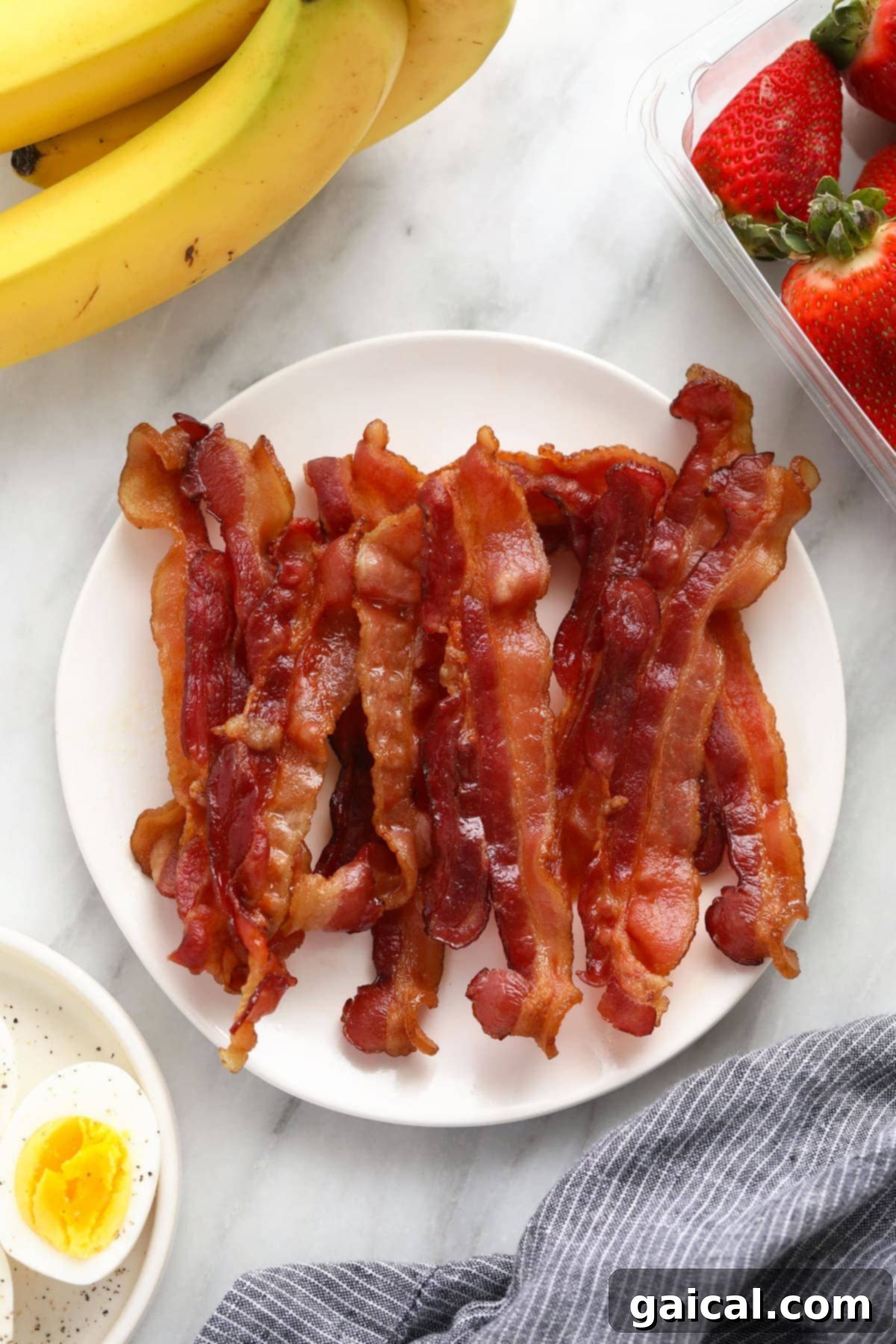
Pork Loin vs. Pork Tenderloin: Lean and Delicious Cuts
Pork loin and pork tenderloin are both lean, flavorful cuts, but they differ significantly in shape, texture, and ideal cooking methods. Understanding their distinctions is key to achieving optimal results.
Pork Loin: The pork loin is a wide, thick cut of pork, often sold as a roast. It’s quite lean but can be incredibly tender and juicy when cooked correctly. Because of its size, it benefits from slower roasting or grilling methods, allowing it to cook through evenly without drying out. A bone-in pork loin will retain more moisture and flavor than a boneless one.
Pork Tenderloin: In contrast, pork tenderloin is a long, slender, and exceptionally lean cut. It cooks much like a chicken breast, requiring higher temperatures and quicker cooking times to prevent it from becoming dry. Its delicate texture makes it perfect for fast grilling, searing, or quick roasting. Due to its leanness, marinades are particularly effective in adding moisture and flavor.
What is the difference between pork loin and pork tenderloin? The main difference lies in their shape and thickness. Tenderloin is much thinner and longer, while loin is thicker and wider. Both are lean, but their differing dimensions mean they require distinct cooking approaches. Never substitute one for the other without adjusting cooking times and methods.
- Hearty Slow Cooker Pork Loin
- Perfect Baked Pork Tenderloin
- Quick Air Fryer Pork Tenderloin
- Speedy Instant Pot Pork Tenderloin
- Juicy Grilled Pork Tenderloin
- Precisely Cooked Sous Vide Pork Tenderloin
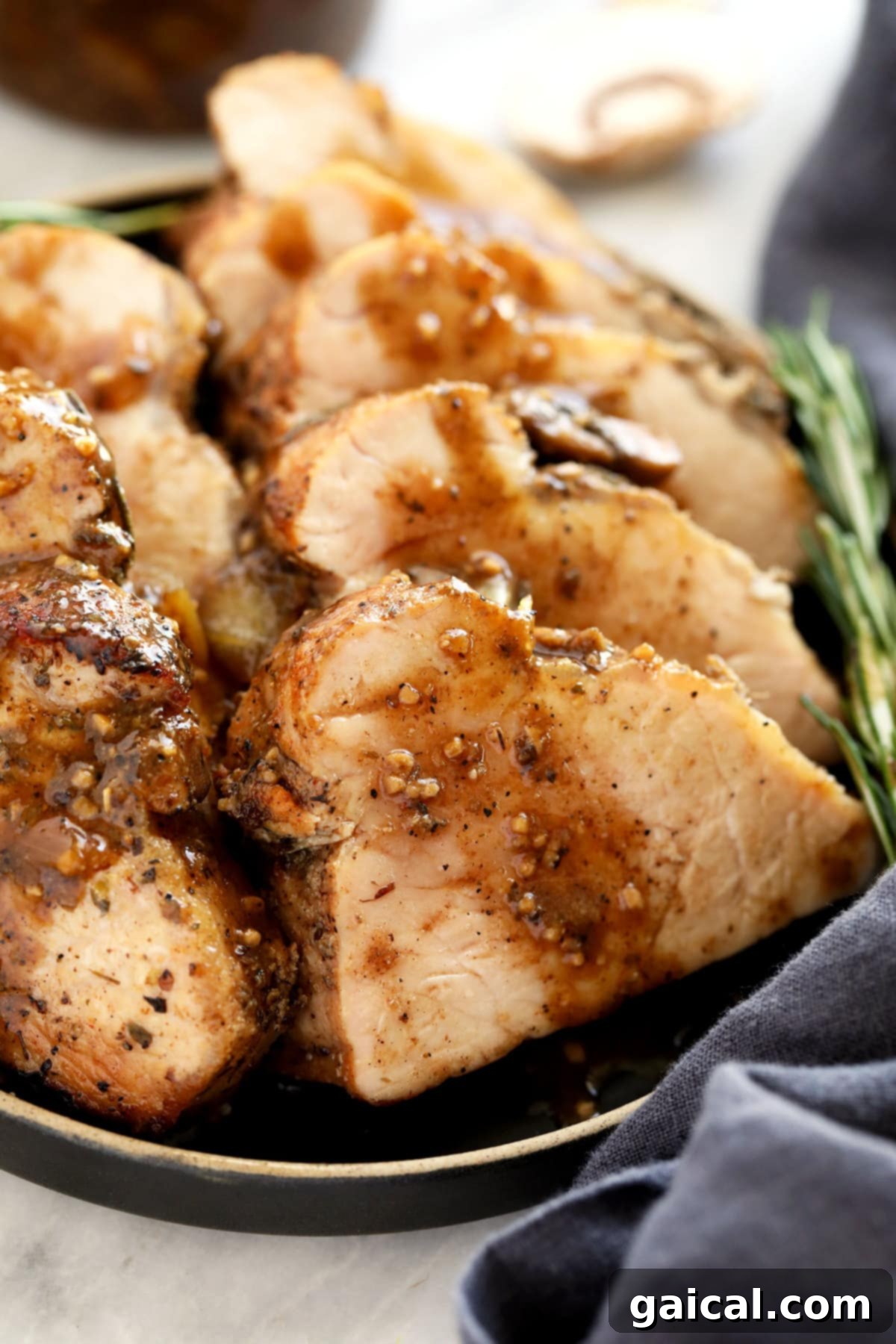
Pork Ribs and Pork Chops: Classic Comforts
Ribs and pork chops are among the most beloved pork cuts, each offering a distinct culinary experience. They are perfect for grilling, baking, or slow-cooking, providing satisfying and flavorful meals.
Pork Ribs: Is there anything more satisfying than a rack of perfectly cooked ribs? The two most common types are baby back ribs and spareribs. Baby back ribs, cut from where the rib meets the spine, are leaner, shorter, and more tender. Spareribs, from the belly side, are flatter, meatier, and have more fat and connective tissue, making them incredibly flavorful when slow-cooked. Both can be smoked, grilled, or oven-baked to tender perfection.
Pork Chops: Pork chops are essentially sliced cutlets from the pork loin. They can be purchased bone-in or boneless, and their thickness varies significantly. Bone-in chops tend to stay juicier and more flavorful due to the bone marrow. Pork chops are quick to cook and are excellent pan-fried, grilled, baked, or even prepared in an Instant Pot. Care must be taken not to overcook them to retain their moisture and tenderness.
- Fall-off-the-bone Sous Vide Ribs
- Exotic Lemongrass Ginger Pork Chops
- Quick Instant Pot Pork Chops
- Simple Oven-Baked Ribs
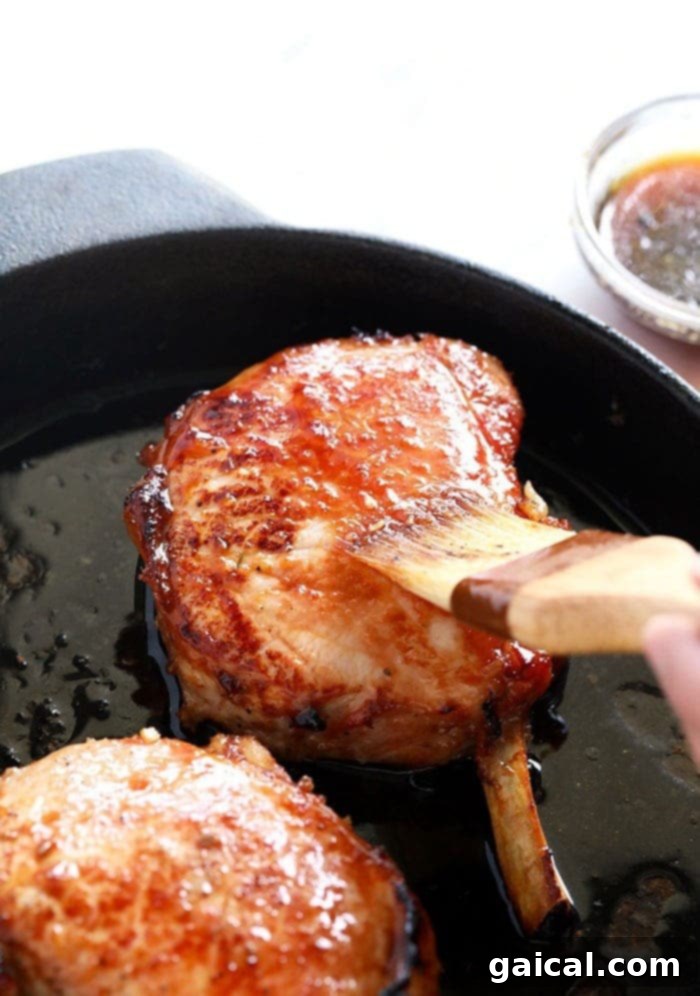
Sticky Honey Pork: Your New Favorite Easy Pork Recipe
To conclude our pork exploration, we couldn’t leave you without a brand-new, incredibly delicious recipe. Feast your eyes on this fast, simple, and irresistibly flavorful Sticky Honey Pork recipe – perfect for a quick weeknight dinner or an impressive yet easy weekend meal!
What is Sticky Honey Pork?
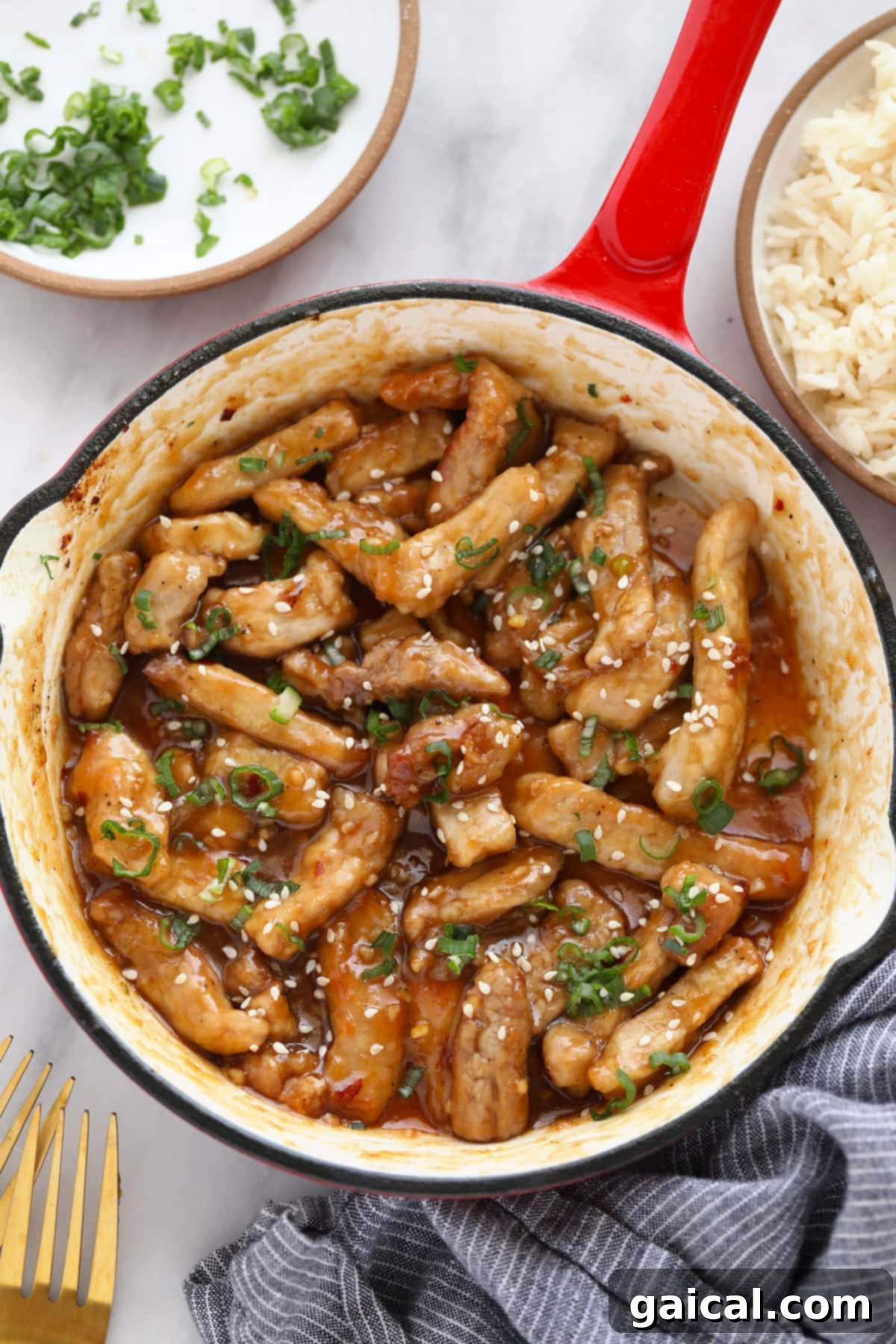
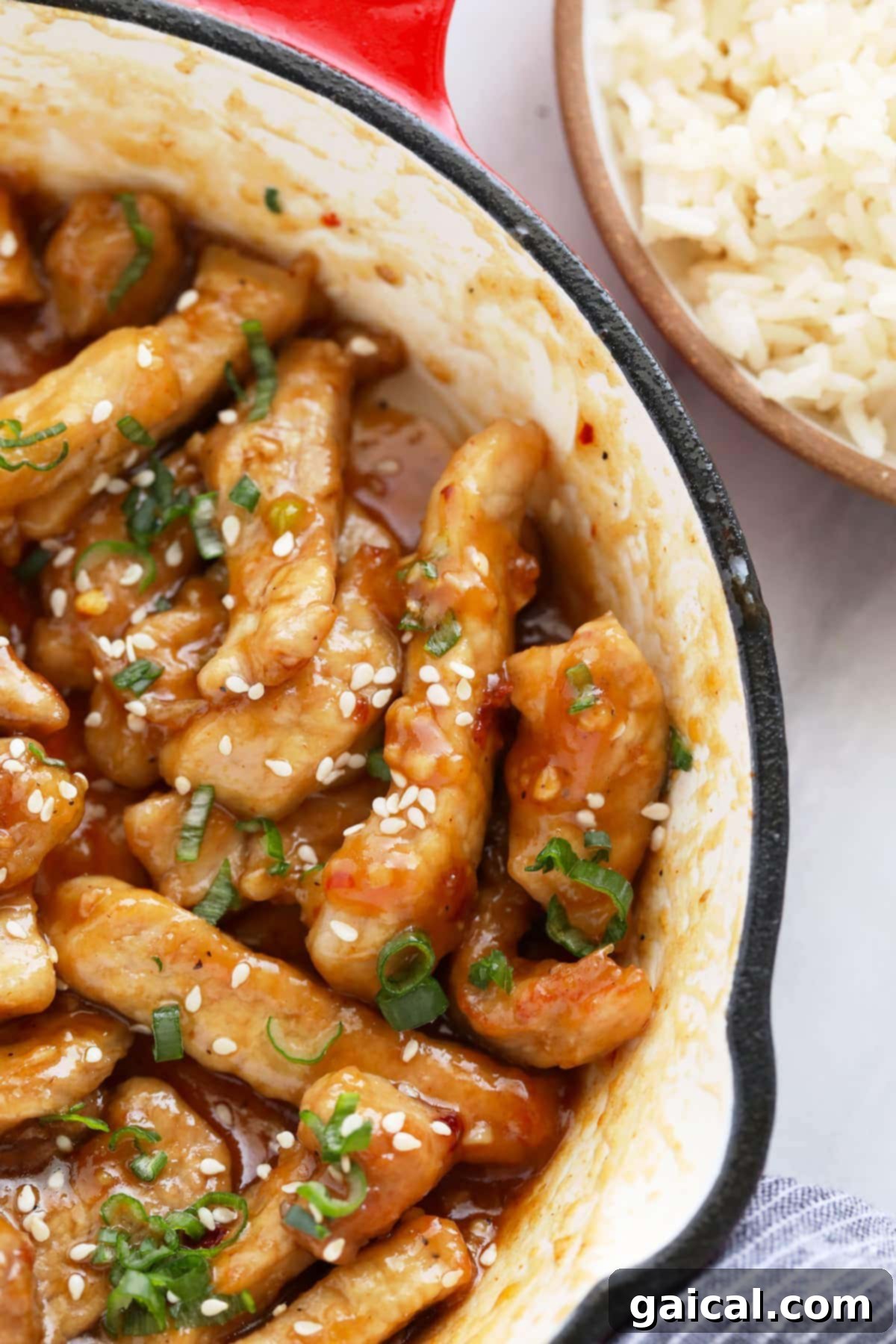
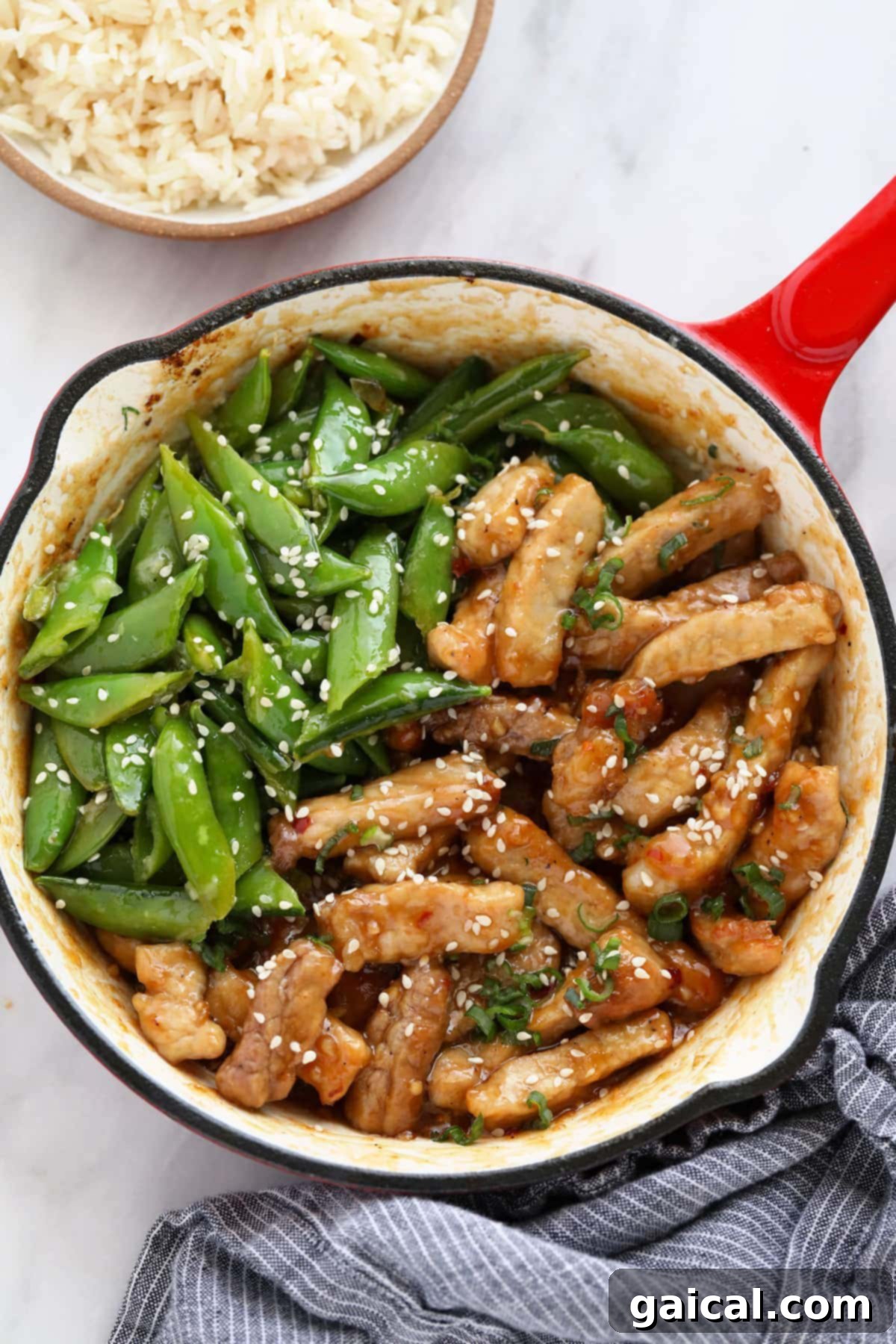
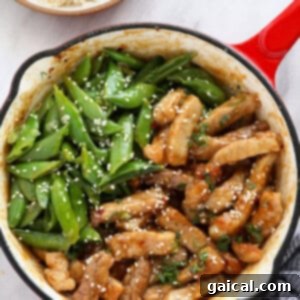
Imagine a vibrant pork stir-fry, but with an extra layer of sweet and savory glaze. Our Sticky Honey Pork takes boneless pork chops, slices them into tender, bite-sized pieces, and stir-fries them quickly in olive oil. A light coating of cornstarch not only gives them a delightful crispiness but also helps achieve that signature thick, sticky sauce. It’s a harmonious blend of textures and bold flavors that will quickly become a family favorite.
Ingredients for Sticky Honey Pork
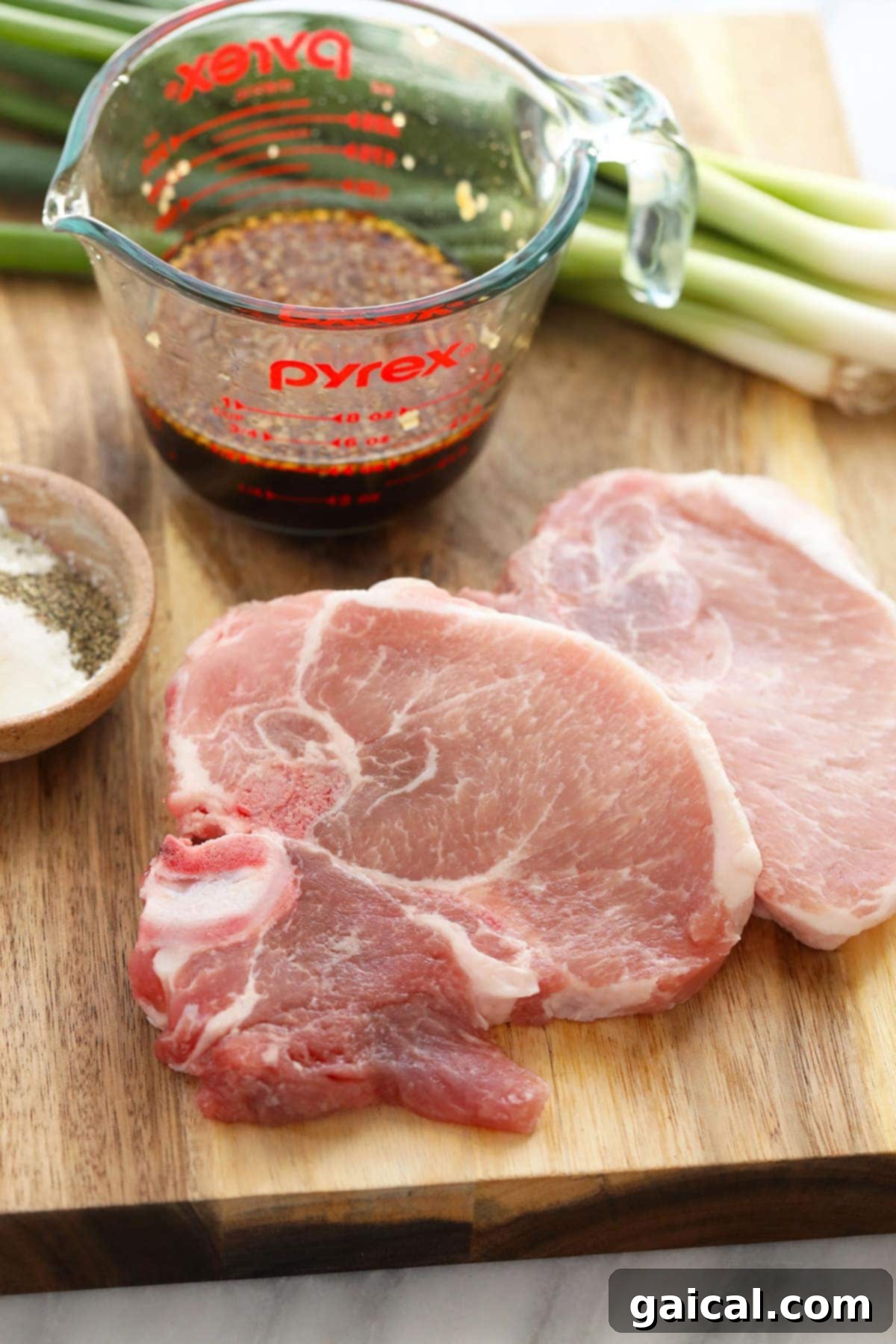
One of the best aspects of this easy pork recipe is that you likely already have most of the ingredients in your pantry. Plus, boneless pork chops are an inexpensive and readily available cut at most grocery stores, making this a budget-friendly and accessible dish for anyone.
For the irresistible sauce:
- Honey
- Soy sauce
- Garlic chili sauce (for a touch of heat and depth)
- Rice vinegar
For the succulent pork:
- Boneless pork chops
- Corn starch (our secret to crispiness and thick sauce)
- Garlic powder
- Salt and pepper
- Olive oil
The Role of Cornstarch in This Recipe
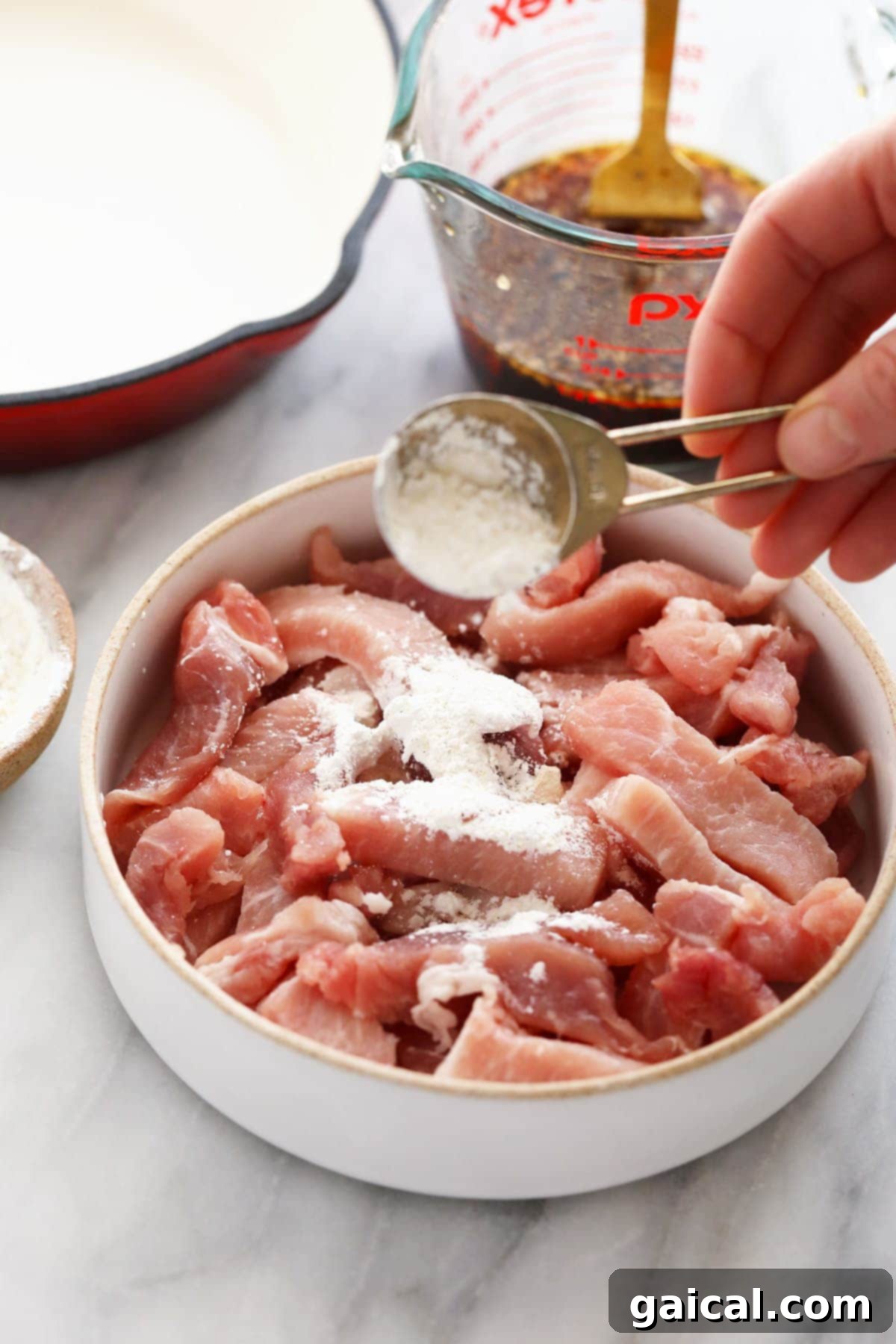
You might be wondering why cornstarch is a non-negotiable ingredient in our Sticky Honey Pork recipe. It serves two critical functions that contribute significantly to the dish’s texture and overall appeal:
- Crispiness for the Pork: When the pork strips are tossed in cornstarch and then seared, the cornstarch forms a light coating that crisps up beautifully, adding a delightful textural contrast to the tender meat.
- Thickening the Sauce: Cornstarch is a natural thickening agent. As it cooks with the honey garlic sauce, it creates that desired sticky, glossy consistency that clings perfectly to every piece of pork, ensuring maximum flavor in every bite.
For these reasons, we highly recommend always including cornstarch in this recipe to achieve the intended results.
Delicious Serving Suggestions
Our Sticky Honey Pork is incredibly versatile and pairs wonderfully with a variety of sides to create a complete and satisfying meal. Here are some of our top recommendations:
- Grains: Serve it over a bed of fluffy white rice, nutritious brown rice, flavorful veggie fried rice, light cauliflower rice, or even a hearty chicken fried rice for a more substantial meal.
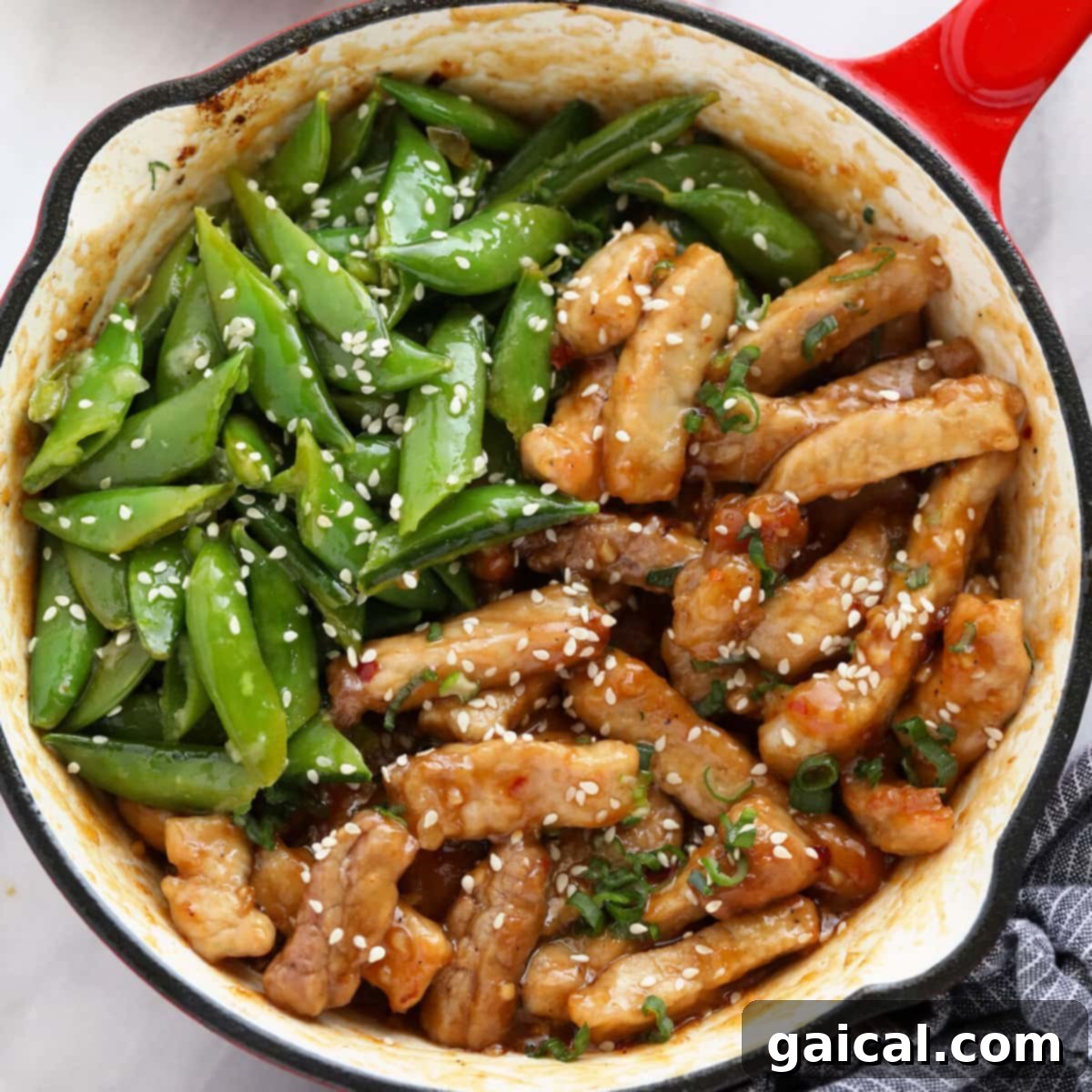
- Veggies: Complement the rich pork with stir-fried vegetables. Almost any vegetable works, but we particularly recommend crisp pea pods, vibrant broccoli florets, or colorful bell pepper strips for added crunch and nutrition.
- Lettuce Wraps: For a lighter, low-carb option, serve the stir-fried pork in fresh lettuce cups. The cool, crisp lettuce provides a refreshing contrast to the warm, savory pork.
Sticky Honey Pork Recipe
Prep: 15
Cook: 15
Total: 30

Ingredients
Sauce
- 1/3 cup honey
- 2 tablespoons soy sauce
- 1 teaspoon garlic chili sauce
- 2 teaspoons rice vinegar
Pork
- 2 lbs. thin boneless pork chops
- 1 tablespoon corn starch
- 1 teaspoon garlic powder
- 1/2 teaspoon salt
- 1/8 teaspoon pepper
- 2-4 tablespoons olive oil
Toppings
- 3 green onions, minced
- 2 teaspoons sesame seeds
Instructions
-
First, prepare the honey garlic sauce. Add the honey, soy sauce, chili sauce, and rice vinegar into a bowl and whisk all the ingredients together until the honey dissolves into the sauce. Set aside.
-
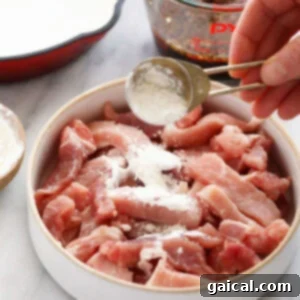
In a separate bowl, combine the corn starch, garlic powder, salt, and pepper. Mix until well combined.
-
Next, thinly slice the pork chops into 2 to 3-inch long strips that are about 1/2 inch thick.
-
Toss each pork strip in the corn starch mixture, ensuring each piece of pork is thoroughly coated.

-
Heat a large skillet or wok over medium-high heat. Add olive oil to coat the bottom of the pan.
-
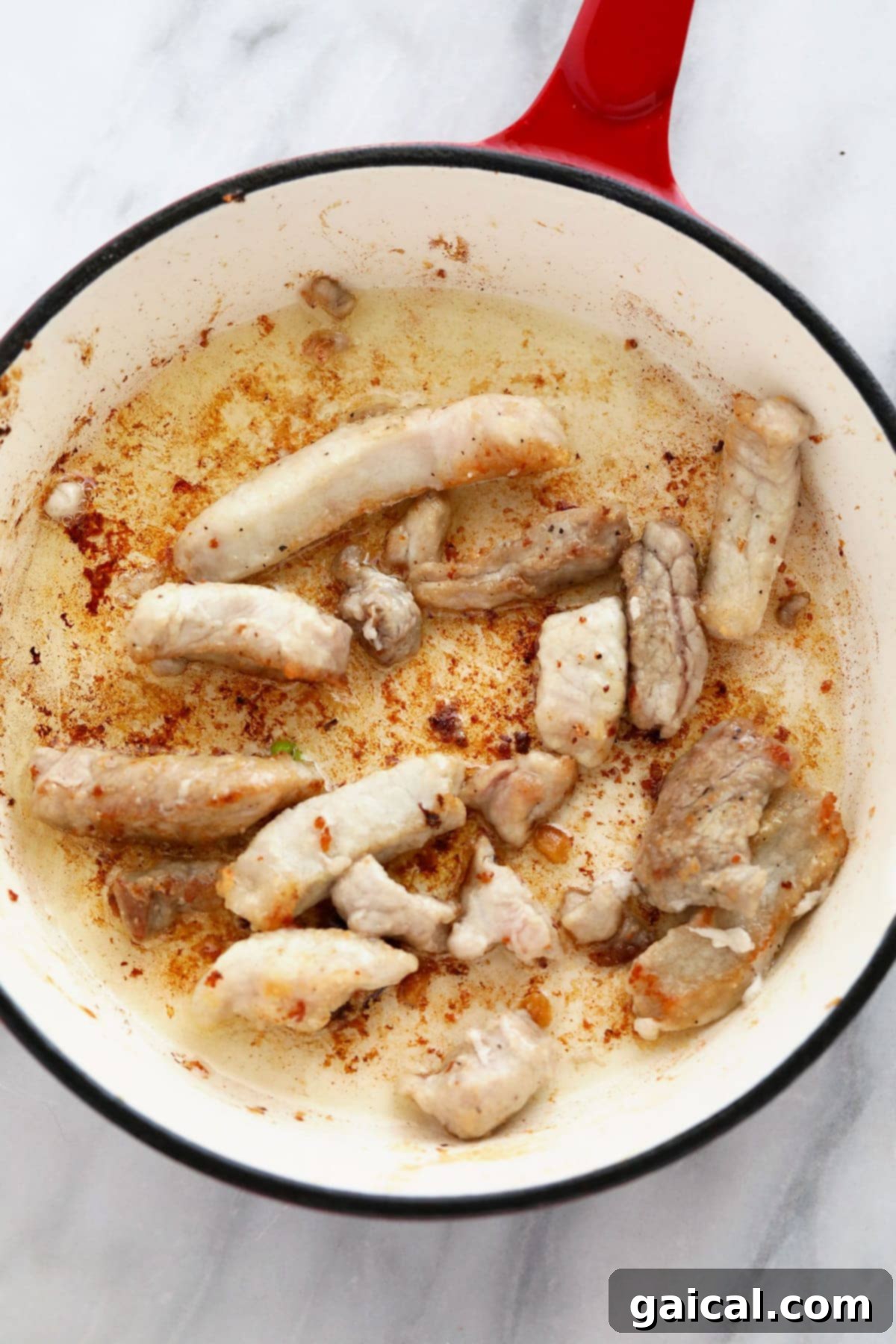
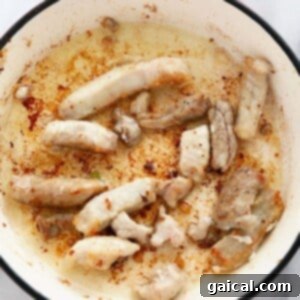
When the olive oil is shimmering and fragrant, add a single layer of pork strips to the pan. Be careful not to crowd the pan, as this can lower the temperature and prevent proper searing. You may need to cook the pork in two batches, depending on your pan size.
-
Sear the pork strips for 2-3 minutes on the first side until golden brown. Remove the pork from the pan and place it on a clean plate (the pork will finish cooking later in the sauce).
-
Repeat steps 6 and 7 until all of the pork has been seared on one side.
-
Return all the seared pork back into the skillet. Pour the prepared honey garlic sauce evenly over the pork.
-
Bring the sauce to a gentle simmer over medium heat, stirring periodically to coat the pork. Allow the sauce to simmer with the pork for 3-5 minutes, or until the sauce thickens to a glossy, sticky consistency.
-
Remove the skillet from the heat. Toss the pork gently to ensure it’s fully coated in the thickened sauce. Sprinkle generously with minced green onions and sesame seeds.
-
Serve immediately, either alone, over rice, or with your favorite vegetable side dish. Enjoy!
Nutrition
Calories: 302 kcal, Carbohydrates: 19 g, Protein: 32 g, Fat: 3 g, Fiber: 0 g, Sugar: 17 g
Nutrition information is automatically calculated, so should only be used as an approximation.