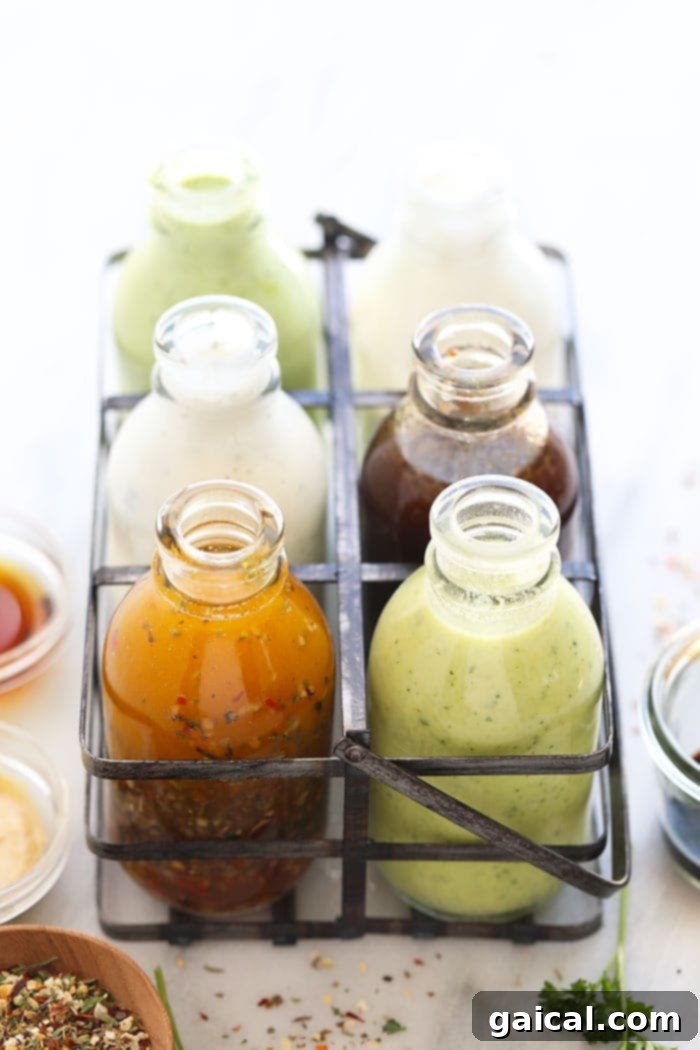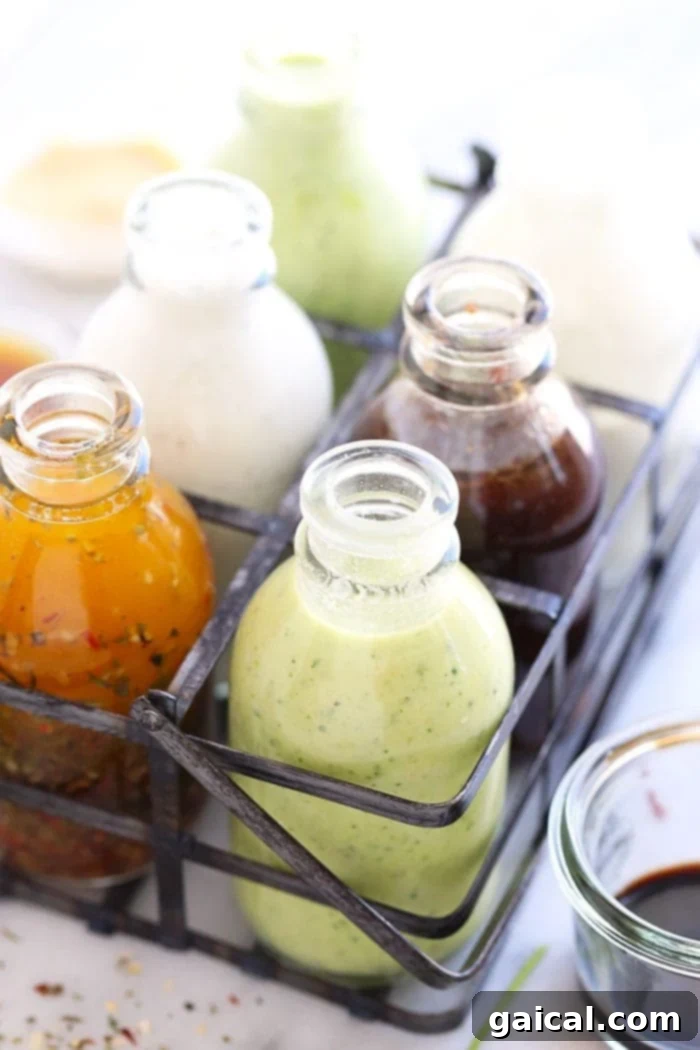
Transform your meals with the vibrant flavors of **homemade salad dressing**! Our absolute favorite is a simple vinaigrette, crafted in just minutes with wholesome ingredients like olive oil, balsamic vinegar, and fresh lemon juice. This guide will show you how easy it is to elevate not just your green salads, but also grain bowls, roasted vegetables, and even meats as a delicious marinade.
Whether you’re a fan of the zesty tang of oil-based vinaigrettes or the rich creaminess of yogurt-based dressings, this comprehensive guide is designed to empower you to create exquisite dressings right in your own kitchen. Say goodbye to store-bought options and hello to a world of fresh, customizable flavors!
Why Choose Homemade Salad Dressings? The Unbeatable Benefits
While store-bought dressings offer convenience, opting for homemade versions brings a host of advantages that are hard to beat. We are firmly on team homemade, and here’s why:
Superior Flavor: Homemade dressings burst with fresher, more intense flavors. When you use quality ingredients, the difference is undeniable. Fresh herbs, vibrant citrus, and premium oils combine to create a taste profile far beyond what you’ll find in a bottle from the supermarket.
Cost-Effectiveness: You likely already have most of the staple ingredients for a delicious dressing in your pantry. Building your own from scratch often proves to be significantly more economical than continuously purchasing pre-made options, especially for high-quality or specialty dressings.
Healthier Choices: Take control of what goes into your body. Homemade dressings allow you to avoid unwanted preservatives, artificial flavors, excessive sugars, and unhealthy oils often found in commercial products. You can tailor ingredients to suit specific dietary needs, such as gluten-free, dairy-free, or low-sugar preferences.
Endless Customization: The beauty of making your own is the ability to adjust flavors to your exact liking. Want it tangier? Add more lemon. Prefer a touch more sweetness? A hint of maple syrup will do the trick. You’re the chef, and your taste buds are the guide!
Incredible Versatility: Homemade dressings are not just for salads. They make fantastic marinades for chicken, fish, or tofu, flavorful sauces for roasted vegetables, or even delightful dips for fresh crudités. One batch can serve multiple purposes, adding value to your culinary efforts.
Exploring the World of Salad Dressings: Two Main Types
When it comes to the vast array of salad dressings, they generally fall into two broad categories: oil-based and creamy. Each type offers a unique texture and flavor profile, making them suitable for different culinary applications.
- Oil-Based Vinaigrettes: These are typically lighter and brighter dressings, characterized by a harmonious blend of oil and an acidic component like vinegar or citrus juice. Vinaigrettes often include seasonings, herbs, and sometimes a touch of sweetener to balance the flavors. They are perfect for tender greens, pasta salads, or as a light marinade. Think classic Italian dressing, tangy Greek dressing, or a vibrant Poppyseed dressing. Common oils include olive oil, grapeseed oil, avocado oil, and canola oil, each contributing its own subtle nuances.
- Creamy Dressings: Richer and more substantial, creamy dressings provide a luxurious texture and often a more robust flavor. They are typically built upon a base of dairy (like Greek yogurt or sour cream), mayonnaise, or plant-based alternatives such as hummus or tahini. These dressings cling beautifully to heartier greens, act as excellent dips, or complement protein-packed salads. Examples include Ranch, Blue Cheese, Caesar, or a luscious Avocado Cilantro Lime dressing.
Essential Ingredients for Your Homemade Dressings
The beauty of making your own salad dressing lies in the simplicity of the ingredients, many of which are likely already in your kitchen. Here’s a quick list of common components that form the foundation of countless delicious dressings:
- Oil: The backbone of most dressings, providing richness and helping to carry flavors. Extra virgin olive oil is a popular choice for its robust flavor and health benefits, while grapeseed, avocado, or sunflower oils offer a more neutral taste. Sesame oil adds a distinct nutty flavor to Asian-inspired dressings.
- Vinegar: Contributes the essential tang and acidity that balances the richness of oil and brightens other flavors. Options range from the sweet depth of balsamic to the crispness of apple cider or white wine vinegar, and the mildness of rice vinegar.
- Fresh Herbs: Infuse incredible freshness and aromatic complexity. Basil, cilantro, parsley, dill, chives, and mint are just a few examples that can transform a simple dressing into something extraordinary.
- Dried Spices: Offer a concentrated burst of flavor and a convenient way to add depth. Common choices include garlic powder, onion powder, paprika, cumin, oregano, and Italian seasoning.
- Citrus: Lemon and lime juice provide a bright, zesty acidity that can often replace or complement vinegar, adding a lively kick to any dressing. Orange juice can also add a subtle sweetness and tang.
- Yogurt/Mayonnaise/Hummus: These form the base for creamy dressings, providing body and a smooth texture. Greek yogurt is excellent for a healthier, protein-packed option, while mayonnaise offers classic richness. Hummus and tahini work wonderfully for plant-based creamy dressings.
- Sweeteners: A touch of sweetness is often crucial to balance the acidity of vinegar or citrus. Maple syrup, honey, agave nectar, or a pinch of sugar can mellow sharp notes and enhance overall flavor.
- Salt and Pepper: Always! These fundamental seasonings are critical for enhancing all other flavors and bringing the dressing to life. Season generously and taste as you go.
Crafting Your Signature Dressing: A Step-by-Step Guide
The true joy of homemade salad dressings comes from the endless possibilities for flavor combinations. Whether you crave something oil-based or creamy, sweet or savory, spicy or mild, creating your own is a rewarding experience. Here’s an easy step-by-step guide to help you build your perfect dressing:
Step 1: Find A Base
The base ingredient defines the fundamental character of your dressing. Generally, dressings start with either an oil or a creamy component. Decide which style you’re aiming for, and select an ingredient from that category.
Popular Oil Bases:
- Olive Oil: A go-to for its robust, fruity flavor. Excellent for Mediterranean and Italian-inspired dressings.
- Grapeseed Oil: Light and neutral, it allows other flavors to shine.
- Avocado Oil: Mild with a slightly buttery taste, it’s a healthy and versatile choice.
- Sesame Oil: Delivers a distinct, nutty aroma, perfect for Asian-style dressings.
Creamy Base Options:
- Greek Yogurt: Adds tang and protein, making for a lighter, healthier creamy dressing.
- Hummus: Provides a rich, savory, and often plant-based creamy texture.
- Mayonnaise: The classic choice for decadent, rich creamy dressings.
- Sour Cream: Offers a smooth texture with a pleasant tang, similar to Greek yogurt.
- Tahini: A sesame paste that lends a distinctive nutty, earthy flavor and thick, creamy consistency, especially good for Middle Eastern or vegan dressings.
Pro Tip: Oil Swaps
Most oils are interchangeable in terms of function, giving you flexibility if you need to avoid a certain ingredient or simply want to experiment. However, remember that different oils possess distinct flavor profiles. Using a strong olive oil versus a neutral grapeseed oil will subtly alter the taste of your final dressing. When in doubt, a good quality extra virgin olive oil is always a safe and delicious bet!
Step 2: Add Vinegar and/or Citrus for Acidity
A crucial element in any balanced dressing is acidity, which cuts through the richness of the base and provides that essential tang. This bright element typically comes from vinegar or citrus juice, or often a combination of both. Don’t underestimate the variety available; each type of vinegar and citrus fruit offers a unique contribution to the flavor profile. Always taste them before incorporating!
- Lemon Juice: Bright, zesty, and versatile, a staple for almost any dressing.
- Lime Juice: Offers a more floral and slightly bitter tang, excellent for Mexican or Asian-inspired dressings.
- Apple Cider Vinegar: Fruity and robust, known for its health benefits and distinct flavor.
- Rice Vinegar: Mild and slightly sweet, ideal for delicate flavors, especially in Asian cuisine.
- White Vinegar: Sharp and pungent, best used sparingly or when a strong acidic punch is desired.
- White Wine Vinegar: Crisp and moderately acidic, pairs well with lighter dressings.
- Red Wine Vinegar: More robust than white wine vinegar, great for hearty salads.
- Balsamic Vinegar: Sweet, rich, and complex, a classic for vinaigrettes.
- Malt Vinegar: Distinctive and sharp, typically used in British cuisine, but can add a unique twist.
- Worcestershire Sauce: Adds a savory, umami depth, though technically not a vinegar, it contributes acidity and complex flavor.
- Hot Sauce: For a spicy kick and a touch of vinegar tang.
Step 3: Infuse Fresh Herbs & Fruit
To give your homemade dressing an incredible dimension and fresh vitality, incorporate fresh ingredients. While this might shorten the shelf life slightly, the resulting flavors are incomparably fresh, vibrant, and complex. Feel free to blend any soft herbs, fruits, or even certain vegetables directly into your dressing.
For example, our popular avocado dressing owes its incredible taste to fresh avocado and cilantro – it’s truly out of this world! Experiment with these additions:
- Avocado: For creamy texture and subtle richness.
- Strawberries, Blueberries, Raspberries: Add natural sweetness and a fruity tang, especially lovely in summer dressings.
- Basil: Sweet and aromatic, pairs wonderfully with tomatoes and Italian flavors.
- Cilantro: Fresh and herbaceous, essential for Mexican and some Asian dressings.
- Parsley: Bright and clean, a versatile herb for many dressing styles.
- Dill: Fresh and slightly anise-like, perfect for creamy or Greek-inspired dressings.
- Roasted Pear or Apple: Adds a sophisticated sweetness and depth, particularly nice in fall-themed dressings.
- Sun-dried Tomatoes: A concentrated burst of umami and sweetness.
Step 4: Other Flavors & Seasoning
Beyond fresh ingredients, dried herbs and spices are incredibly powerful flavor enhancers. We always keep staple seasonings like Italian seasoning, garlic powder, and onion powder on hand to ensure access to our favorite flavors at a moment’s notice.
Don’t forget the vital role of a little sweetness in almost any dressing; it helps to soften the acidity of vinegar and citrus, creating a more balanced and palatable taste. While we often lean towards natural sweeteners, feel free to choose your favorite:
- Dry Spices: Italian seasoning, garlic powder, onion powder, basil, oregano, paprika, cumin, red pepper flakes (for heat).
- Sweeteners: Maple syrup, honey, agave nectar, a pinch of granulated sugar.
- Emulsifiers: Dijon mustard or a small amount of egg yolk can help bind oil and vinegar, preventing separation and creating a smoother, more cohesive dressing.
- Umami Boosters: A dash of soy sauce, tamari, or even nutritional yeast can add savory depth.
- Salt and Pepper: These are non-negotiable! Always season generously and taste frequently, adjusting until the flavor is perfectly balanced.
Effortless Preparation Methods
Once you’ve selected all the delicious ingredients for your homemade salad dressing, the next step is to combine them. The method you choose largely depends on the type of dressing and its desired consistency.
For Oil-Based Vinaigrettes: Shake in a Mason Jar
For most oil and vinegar-based dressings, like our Homemade Italian Dressing, the easiest method is the “shake and serve.” Simply place all your ingredients into a Mason jar, seal it tightly with a lid, and shake vigorously until thoroughly combined. This method emulsifies the oil and vinegar, creating a smooth dressing. It also doubles as a convenient storage container!
For Creamy or Herb-Infused Dressings: Blend for Smoothness
For thicker, creamy dressings, or when you’re incorporating fresh herbs, fruits, or soft vegetables that need to be finely blended (such as our Avocado Cilantro Lime Dressing), a blender or food processor is your best friend. A high-speed blender like a Vitamix will ensure a perfectly smooth and uniform consistency, breaking down ingredients thoroughly.
Remember that the consistency of your salad dressing is entirely up to your personal preference. If you prefer a thicker dressing, simply add less liquid. If you generally enjoy a thinner dressing, feel free to add a little more oil, water, or even a touch more vinegar until it reaches your desired pourable consistency.
Our Favorite: Simple Balsamic Vinaigrette
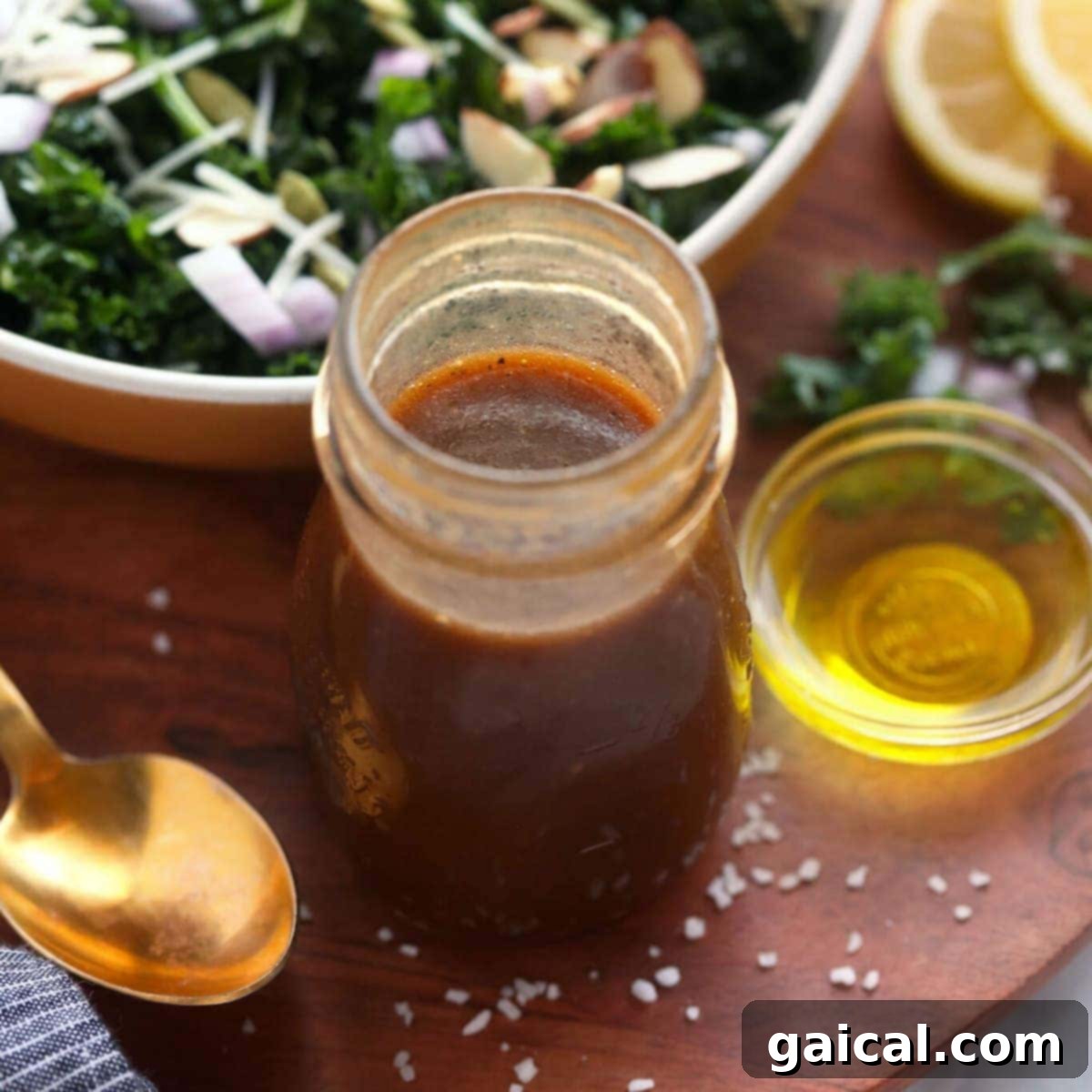
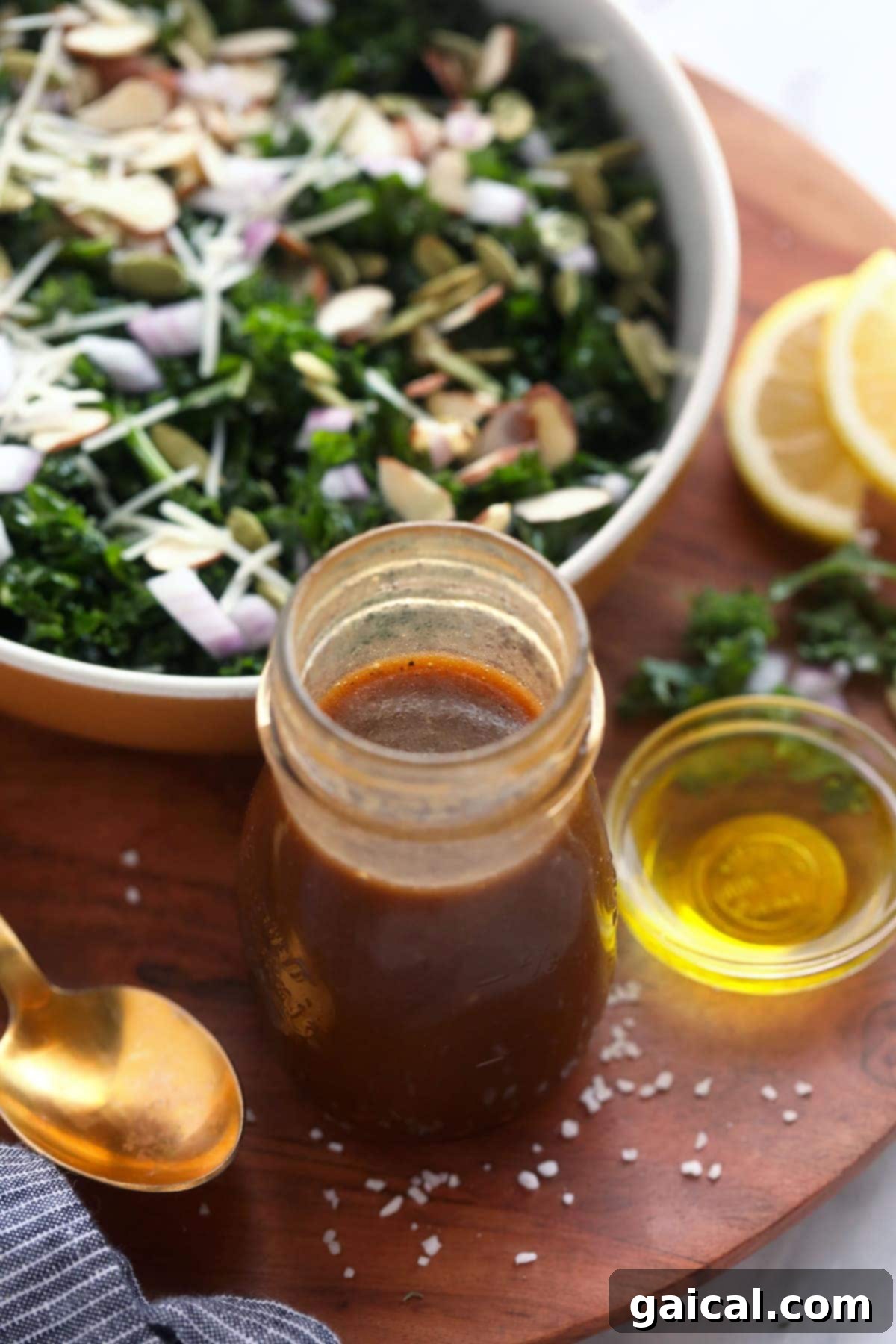
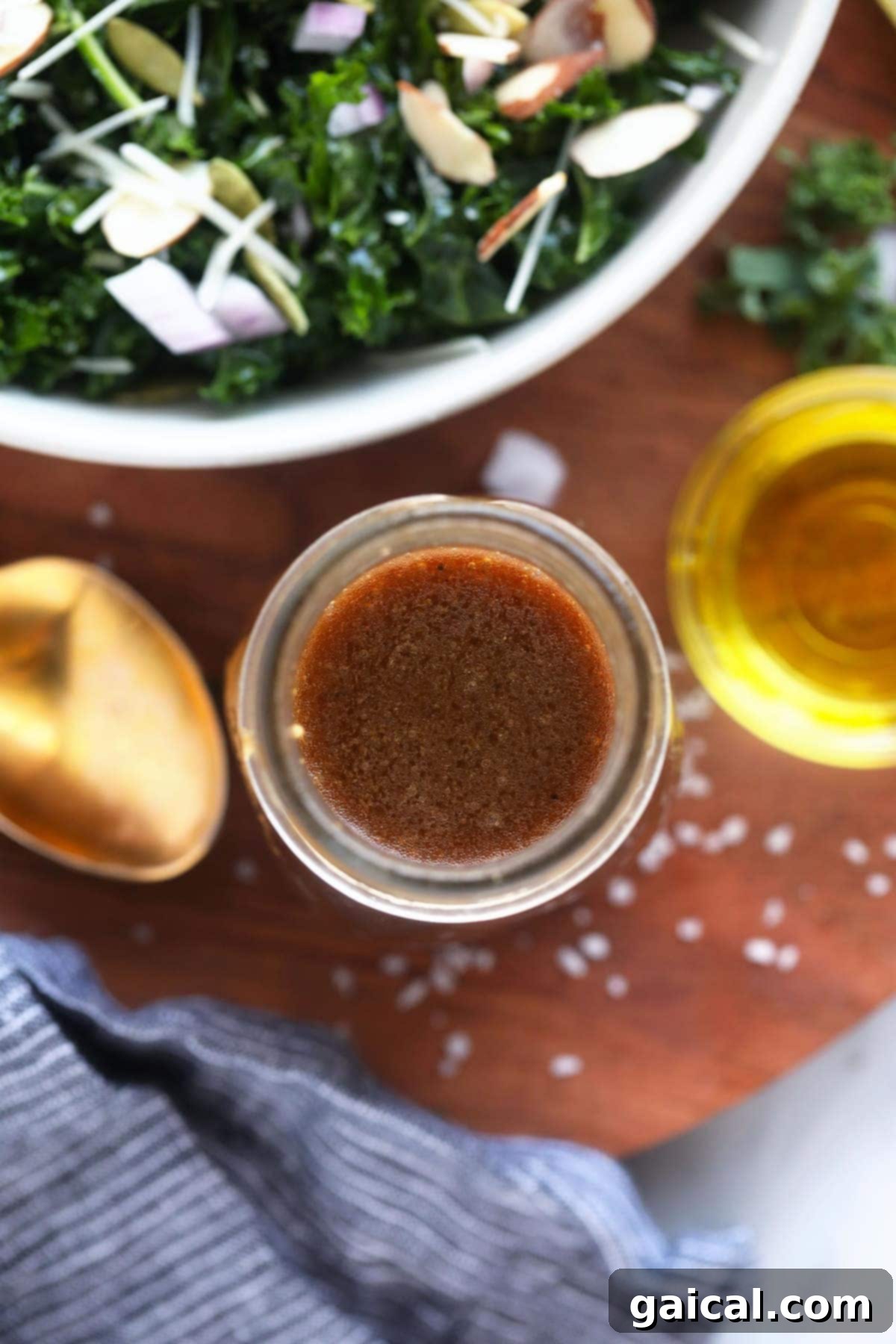
This simple vinaigrette is our absolute favorite homemade salad dressing recipe. Made with just 7 basic ingredients, it’s incredibly versatile and delicious!
We use this dressing on everything – from crisp kale salads and hearty quinoa salads to marinating chicken and roasted vegetables. It’s truly a kitchen staple!
Simple Vinaigrette Salad Dressing
This simple vinaigrette is one of our favorite salad dressing recipes. It’s made with olive oil, balsamic vinegar, lemon, maple syrup, and a little dijon, and we literally put it on everything!
By: Lee Funke
Prep Time: 10 mins | Cook Time: 0 mins | Total Time: 10 mins
Servings: 4
Ingredients
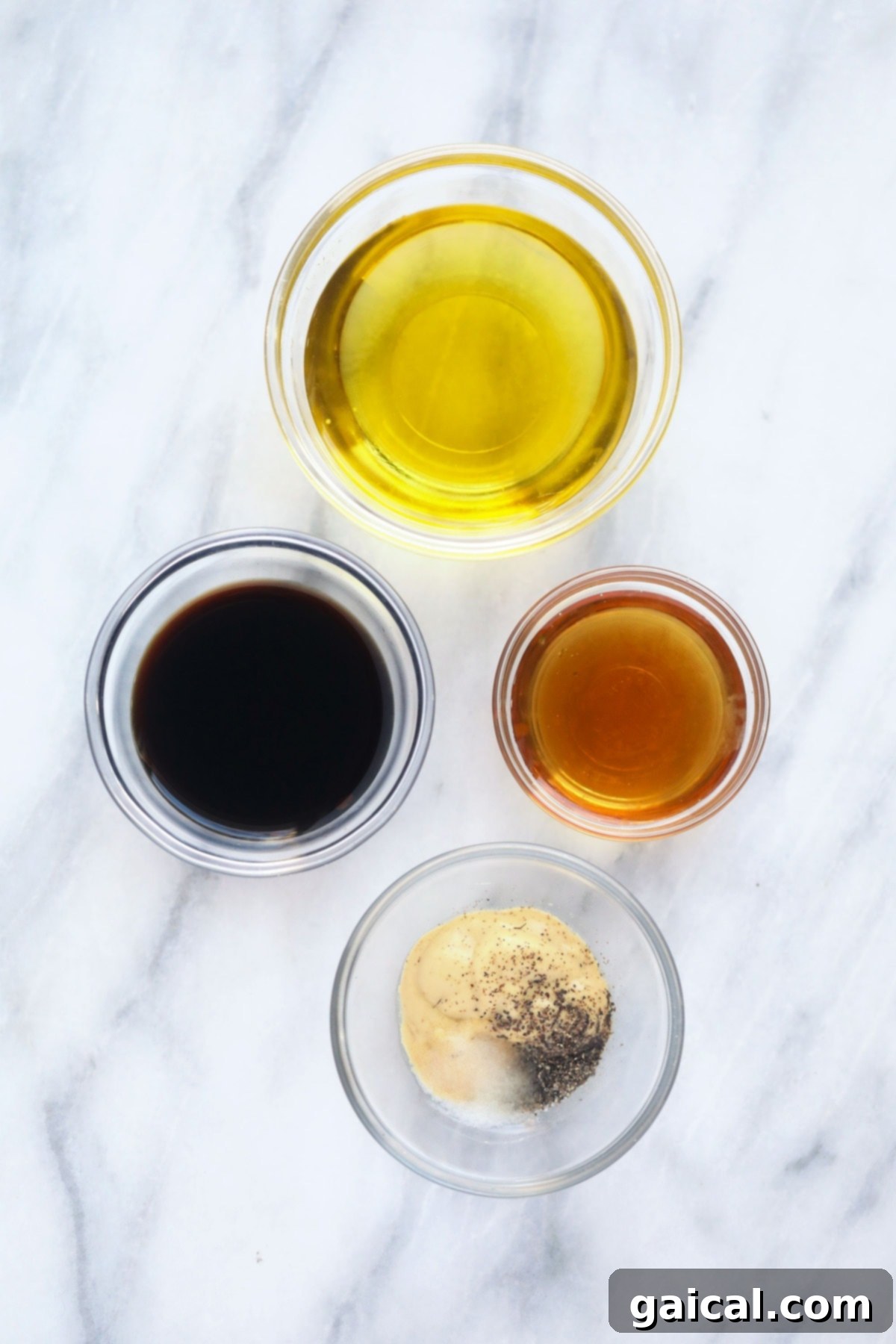
- 1/4 cup olive oil
- 2 tablespoons balsamic vinegar
- 1 tablespoon maple syrup
- 1/2 teaspoon dijon mustard
- 1 teaspoon minced garlic
- 1-2 teaspoons fresh lemon juice (to taste)
- Pinch salt
- Pinch pepper
Instructions
- Place all ingredients into a small bowl or Mason jar and whisk or shake well to combine.
- Taste and add more salt and/or pepper, or additional lemon juice or maple syrup, to taste, until perfectly balanced.
- Store salad dressing in an airtight container in the refrigerator for up to 3-5 days.
Nutrition Information (Approximate per serving)
Calories: 138 kcal, Carbohydrates: 5 g, Protein: 0 g, Fat: 14 g, Fiber: 0 g, Sugar: 4 g
Nutrition information is an approximation and can vary based on specific ingredients and preparation.
Shop This Post
Mason Jar
Balsamic Vinegar
Love this recipe? Leave a comment below!
Don’t forget to tag your posts on social media with the hashtag #fitfoodiefinds – we’d love to see what you’re up to!
Frequently Asked Questions About Homemade Salad Dressings
How many types of salad dressings are there?
Broadly speaking, there are two main categories of salad dressings: oil-based (or vinaigrettes) and creamy dressings. Within these categories, however, there are countless variations, flavors, and ingredient combinations, offering an endless spectrum of possibilities!
What can I use instead of store-bought salad dressing?
If you find yourself without salad dressing on hand, don’t fret! A simple drizzle of good quality olive oil, a squeeze of fresh lemon juice, and a generous pinch of salt and pepper is our go-to emergency dressing – it’s incredibly fresh and light. Otherwise, a spoonful of any of these condiments can also serve as a quick and flavorful alternative:
- Hummus: Great for a creamy, savory, and plant-based option.
- Cottage Cheese: A protein-rich, tangy choice for a creamy texture.
- Tahini: Offers a nutty, earthy flavor, perfect for Mediterranean-inspired salads.
- Greek Yogurt: Provides a light, tangy, and healthy creamy base.
- Nut Butters (Almond/Peanut Butter): Excellent for savory, Asian-inspired dressings when thinned with a little water or vinegar.
How long does homemade dressing with garlic last?
The shelf life of homemade salad dressing largely depends on its ingredients, especially the acidity levels and whether it contains fresh garlic or herbs. Dressings with a good amount of vinegar or lemon juice tend to last longer due to their preserving qualities. Generally, homemade salad dressings stored in an airtight container in the refrigerator will last about 3-5 days. Always rely on your senses – if it smells or looks off, it’s best to discard it.
Can I use homemade salad dressing as a marinade?
Absolutely! Many homemade vinaigrettes and even some creamy dressings make excellent marinades. The acidic components (vinegar, lemon juice) help to tenderize meats, while the oils and seasonings infuse incredible flavor. Our simple balsamic vinaigrette, for instance, is fantastic for marinating chicken, fish, or even tofu and vegetables before grilling or roasting.
How can I make my homemade dressing thicker or thinner?
Adjusting the consistency of your homemade dressing is simple. If you prefer a thicker dressing, try adding a bit more of your creamy base (yogurt, mayo) or a touch more oil for vinaigrettes. If it’s too thick, thin it out gradually with a teaspoon or two of water, a neutral oil, or more of your acidic liquid (vinegar, lemon juice) until you reach your desired consistency.
Perfect Pairings: Salads That Love Homemade Dressings
Because every fantastic salad dressing deserves an equally fantastic salad to adorn, we’re sharing some of our top salad recipes to inspire your next meal. These salads are designed to perfectly complement the vibrant flavors of your homemade dressings!
Wholesome Quinoa Salad Recipes
Discover a variety of nutritious and flavorful quinoa salads that are perfect for meal prepping or a light, healthy lunch.
Easy Kale Salad Recipes
Learn how to transform hearty kale into delectable salads that are packed with flavor and nutrients.
Creamy Avocado Tuna Salad
This protein-packed salad combines creamy avocado with tuna for a satisfying and easy meal.
Flavorful Grilled Chicken Salad
A hearty and fresh salad featuring perfectly grilled chicken, ideal for a satisfying lunch or dinner.
Authentic Greek Salad Recipe
Transport your taste buds to the Mediterranean with this classic, fresh, and vibrant Greek salad.
Storing Your Homemade Salad Dressings for Optimal Freshness
Proper storage is key to extending the life and maintaining the quality of your homemade salad dressings. Most homemade salad dressing recipes can be stored in the refrigerator for 3-5 days. Always ensure they are kept in an airtight container to prevent oxidation and absorption of other fridge odors.
For dressings containing fresh garlic, especially minced garlic, it’s generally recommended to consume them within a few days due to concerns about botulism. However, if the dressing has a high acid content (plenty of vinegar or lemon juice), it helps to inhibit bacterial growth. Always use your best judgment and discard any dressing that shows signs of spoilage, such as off-smells, mold, or discoloration.
Recommended Salad Dressing Container Ideas
Choosing the right container is essential for both storage and easy serving. The best containers are airtight, durable, and designed for refrigerator use. Here are some excellent options:
- Ball Mason Jars: Versatile, affordable, and airtight, perfect for shaking and storing.
- Salad Shaker and Dressing Container: Specifically designed for dressings, often with measurement markings and easy-pour spouts.
- Small Salad Dressing Shaker: Ideal for single servings or small batches, great for packed lunches.
- Prepara Dressing Whiz: A convenient tool that allows for easy mixing and serving without spills.
- Vitamix Blender: An excellent investment for blending creamy, thick, or herb-heavy dressings to a silky-smooth consistency.
Beyond Balsamic: Our Top 3 Healthy Salad Dressings
While our simple balsamic vinaigrette is a perennial favorite, we love to experiment with other healthy and flavorful options. Here are three more top-tier homemade salad dressing recipes that are sure to impress:
1. Zesty Greek Salad Dressing
This incredible Greek salad dressing recipe is a delightful balance of tangy and savory, with just the right touch of sweetness. It’s not only perfect for drizzling over traditional Greek salads but also makes an exceptional marinade for chicken, lamb, or vibrant roasted vegetables. Its Mediterranean flavors will transport you straight to the islands!
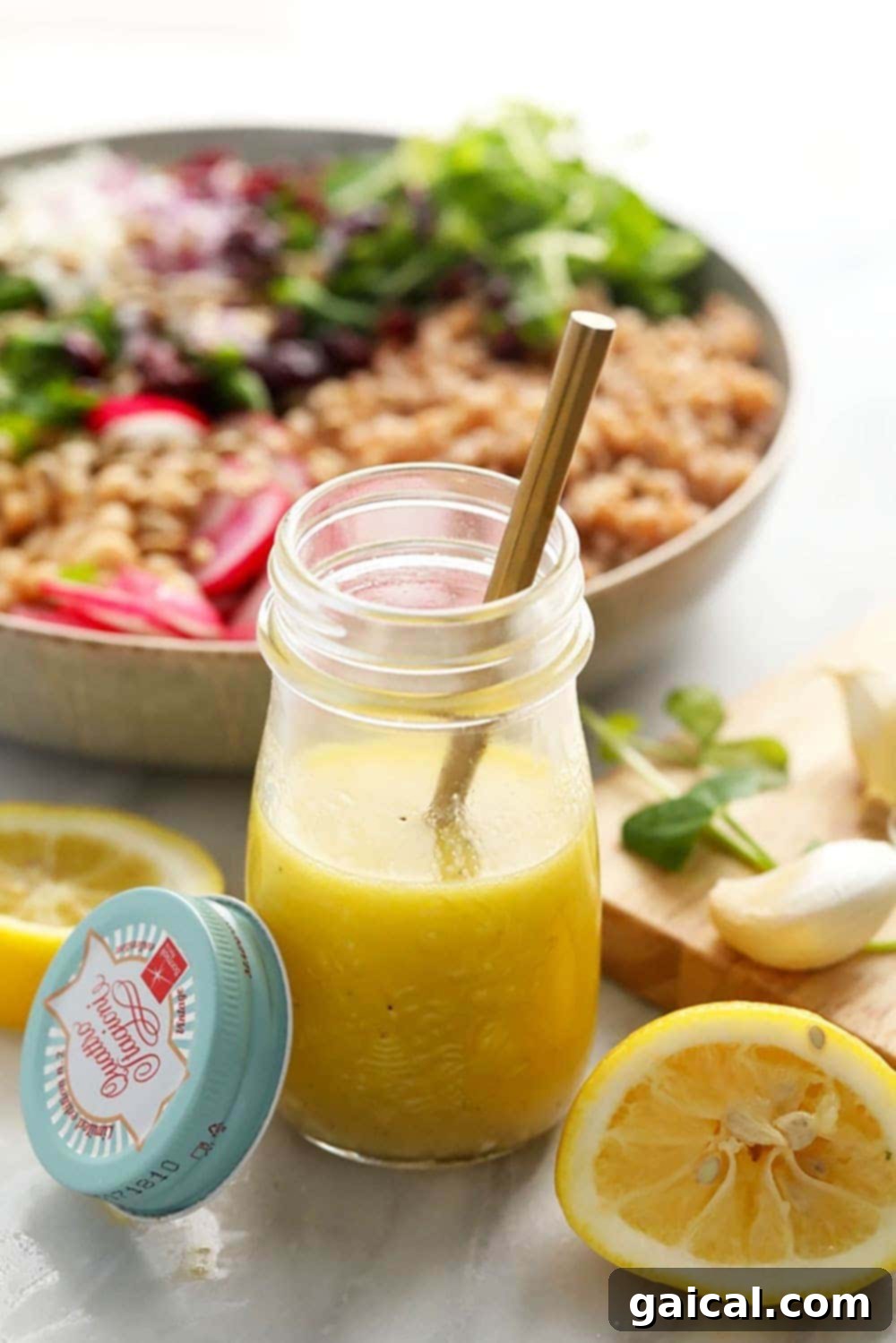
2. Bright Lemon Vinaigrette Dressing
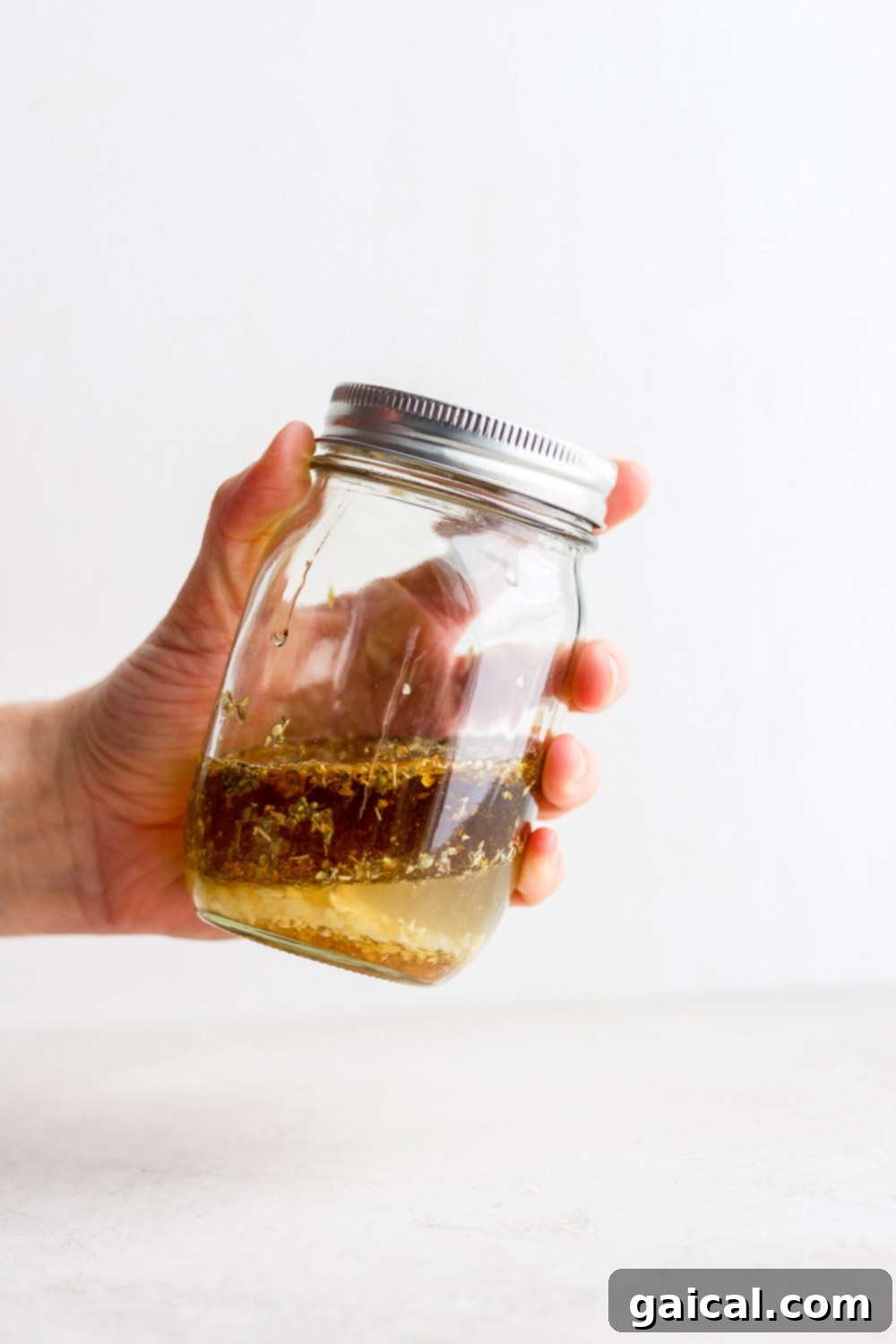
Prepare to brighten any dish with our sensational Lemon Vinaigrette Dressing. This recipe bursts with fresh, zesty flavors derived from fresh lemon juice, high-quality olive oil, a hint of white wine vinegar, Dijon mustard, and finely minced garlic. Lightly sweetened with maple syrup, this dressing is incredibly easy to whip up in under 10 minutes and is guaranteed to impress with its vibrant taste profile.
3. Savory Asian Salad Dressing
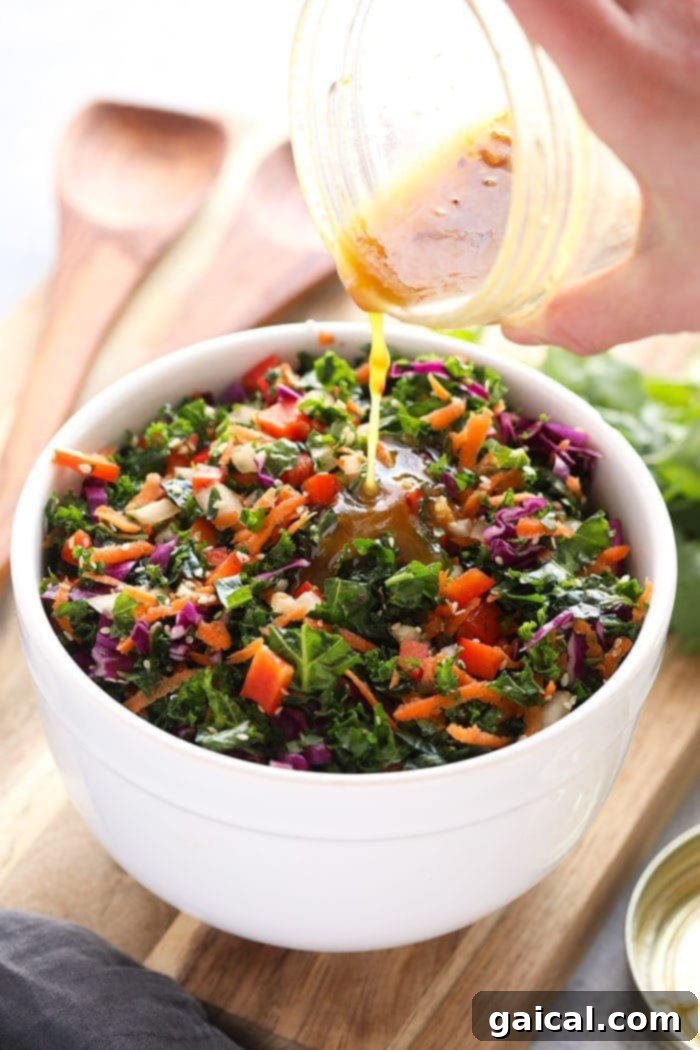
Our delectable Asian Salad Dressing is a powerhouse of savory and slightly sweet notes, crafted with fresh garlic, tangy apple cider vinegar, a touch of maple syrup for balance, and savory soy sauce (or tamari for a gluten-free option). It’s the ultimate healthy salad dressing to elevate your favorite kale salad or to use as an exceptionally flavorful chicken or vegetable marinade, bringing an authentic taste of Asia to your kitchen.
Discover More Delicious Homemade Salad Dressing Recipes
Craving even more homemade dressing inspiration? Explore our extensive collection of recipes designed to enhance any meal, from vibrant vinaigrettes to creamy, decadent options. Each recipe is crafted to bring fresh, bold flavors to your table.
- All-Purpose Green Goddess Dressing
- Classic Homemade Italian Dressing
- Creamy Avocado Cilantro Lime Dressing
- Healthy Greek Yogurt Blue Cheese Dressing
- Homemade Healthy Ranch Dressing
- The Best Balsamic Vinaigrette
- Easy Honey Mustard Dressing
- Sweet Homemade Poppyseed Dressing
- Explore ALL Our Salad Dressing Recipes!