
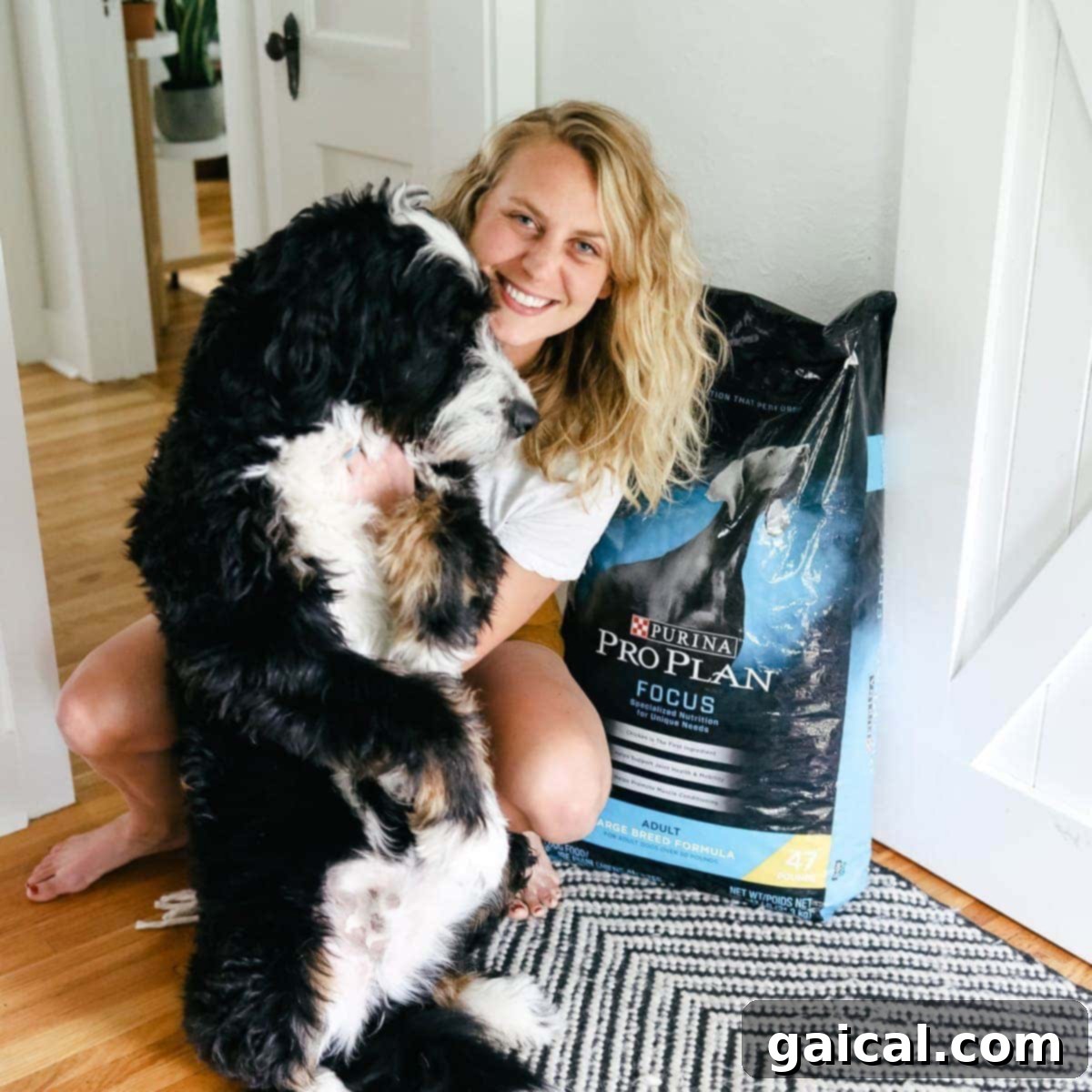
Every dog parent understands that the health and happiness of their canine companion often begins with what’s in their bowl. Choosing the right nutrition isn’t just about satisfying hunger; it’s a critical decision that impacts their energy, coat health, digestion, cognitive function, and even their longevity. Today, we’re incredibly fortunate to sit down with Purina’s esteemed Chief Veterinary Officer, Dr. Kurt Venator, for an exclusive Q&A session. He’ll share invaluable insights into why making informed dietary choices is paramount for your dog’s overall well-being. This is a rare opportunity to get expert answers to your most pressing questions about canine nutrition!
Meet Jasper: Our Energetic Bernedoodle!
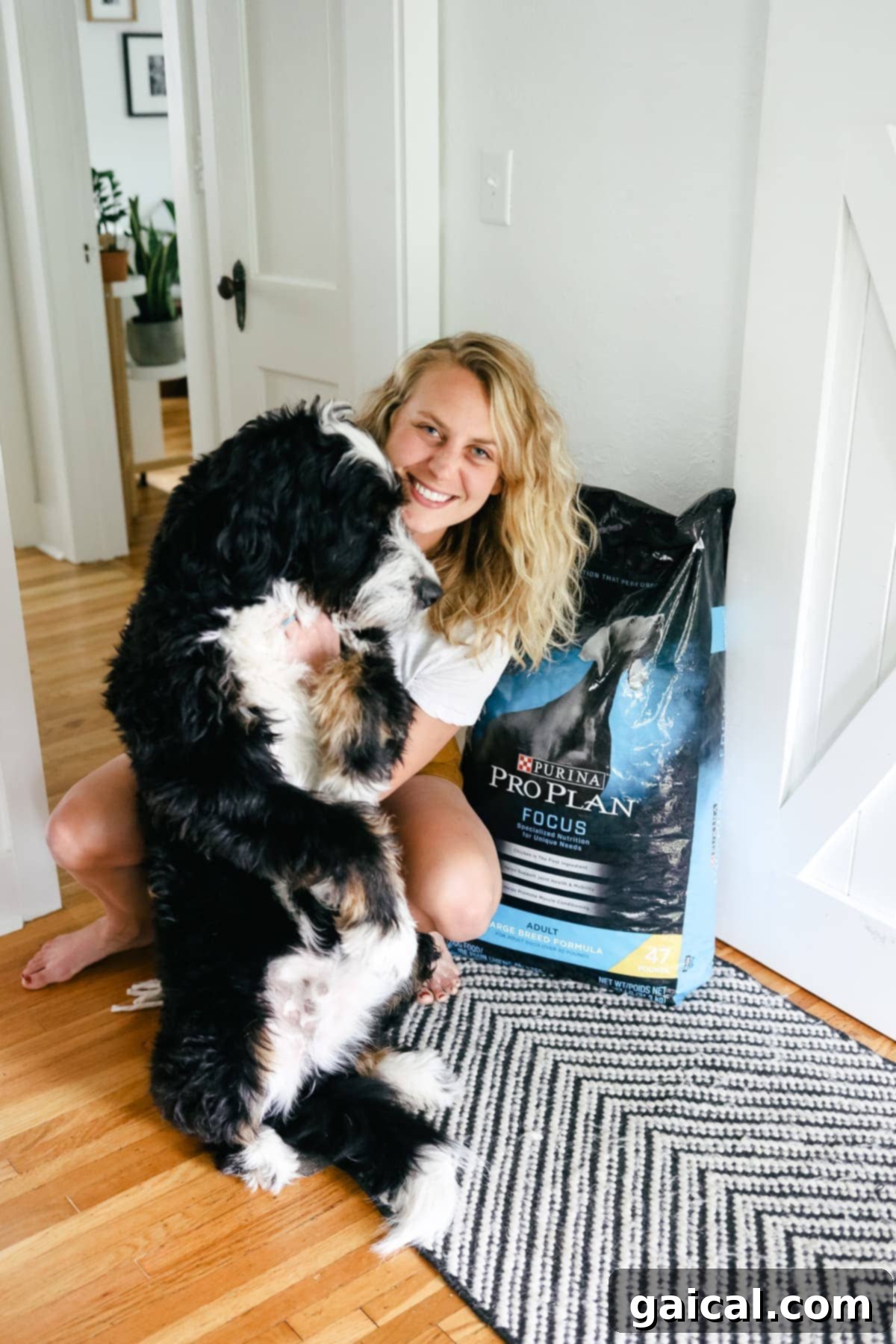
Becoming a dog parent has profoundly enriched my life in ways I never imagined. In May of 2019, my husband Mark and I welcomed our wonderful Bernedoodle, Jasper, into our home, and he instantly became an indispensable member of our family. This magnificent 80-pound dog possesses the most gentle demeanor and radiates an infectious joy that brightens every day. He’s more than just a pet; he’s a constant source of companionship, laughter, and unconditional love.
Jasper has a magical way of making us embrace the outdoors, no matter the weather — even when temperatures plummet to a frosty -20ºF! His soulful eyes seem to know when we’re feeling down, prompting gentle nudges and requests for pets that inevitably lift our spirits. Watching him drift into puppy dreams, twitching and murmuring contentedly while sleeping on his back, never fails to bring a smile to our faces. He’s truly a testament to the boundless love and happiness dogs bring into our lives.
However, our journey with Mr. Jasper, who recently celebrated his first birthday in March, hasn’t been without its challenges. As first-time adult dog owners, we certainly didn’t anticipate the frequent trips to the veterinarian during his crucial first year. Jasper developed a super sensitive stomach, a common issue for many breeds, which led to a series of dietary trials and errors. Fortunately, during one of these vet visits, we were introduced to Purina Pro Plan. This brand proved to be our ultimate saving grace, finally providing the stability and relief Jasper needed for his delicate digestive system. It truly transformed his health and our peace of mind.

Why Purina Pro Plan Stands Out for Canine Nutrition
Purina Pro Plan quickly became our undisputed #1 choice for Jasper, and for a multitude of compelling reasons that extend far beyond his absolute love for its taste. This brand isn’t just palatable; it’s rigorously backed by extensive scientific research and veterinary expertise, offering a level of trust and efficacy that truly sets it apart in the pet food industry.
The Science Behind Purina Pro Plan:
- Decades of Research: Purina Pro Plan is built upon an impressive foundation of over 85 years of dedicated research in pet nutrition, constantly evolving and refining its formulas based on the latest scientific discoveries.
- Expert-Backed Formulations: The brand benefits from the collective knowledge and dedication of more than 400 Purina scientists, including veterinarians, nutritionists, and animal behaviorists, who work tirelessly to optimize every ingredient and formulation.
- Veterinarian Recommended: Perhaps one of the strongest endorsements comes from the veterinary community. Pro Plan is widely recommended by vets, a crucial factor that solidified our decision, especially since our own vet suggested it even before we explored the brand.
- High-Quality Ingredients: A commitment to sourcing and utilizing high-quality ingredients ensures that pets receive optimal nutrition, focusing on digestibility and nutrient absorption. This translates to real health benefits you can see.
What makes Purina Pro Plan truly exceptional is its incredibly diverse range of products, meticulously formulated to cater to virtually every dog’s unique needs, regardless of their size, age, or specific health concerns. From specialized formulas for puppies and seniors to diets designed for active performance dogs or those with sensitive skin, weight management challenges, or digestive issues, they offer a tailored solution for almost every imaginable health requirement.
Jasper’s journey with Purina Pro Plan has seen him transition through various specialized formulas. Initially, during a period of sickness, he was on EN, a prescription-only food designed for gastrointestinal issues. We also incorporated a probiotic, and eventually, he moved to a large breed formula, all within the Pro Plan range. The most reassuring aspect throughout this process was that our veterinarian, a trusted expert, recommended Pro Plan even before we had begun our extensive research. This professional endorsement gave us immense confidence in choosing the brand for Jasper’s long-term nutritional needs.
Transitioning Jasper from his prescription food to a regular adult formula felt like a monumental task, but with Pro Plan’s thoughtfully designed products, it was surprisingly smooth. We followed a gradual transition plan, and Jasper adapted beautifully. Today, he’s officially thriving on Purina Pro Plan’s Adult Large Breed Formula Focus and absolutely devouring every bite. Cue the happy dance – a very satisfied dog mom moment!
As a devoted “crazy dog mom” with a passion for canine well-being, getting the opportunity to ask a Purina veterinarian specific questions about how to choose the right food for your dog was a dream come true. I’m thrilled to share Dr. Kurt Venator’s invaluable answers and insights with all of you, hoping they empower you to make the best dietary choices for your beloved pets.
Optimize Your Choice with Pro Plan’s myPlan Tool
Feeling overwhelmed by the choices? Purina Pro Plan makes it easier! Use their innovative myPlan tool online. By answering a few short questions about your pet’s age, breed, activity level, and specific needs, you can quickly find the ideal Pro Plan formula tailored just for them.

Q&A with Purina Vet, Dr. Kurt: Expert Insights on Dog Nutrition
When is the Optimal Time to Transition a Dog from Puppy Formula to Adult Dog Food?
Dr. Kurt: “As dogs mature, their nutritional requirements undergo significant changes. Puppies, in their rapid growth phases, demand considerably more protein and calories than adult dogs to fuel their developing muscles, bones, and organs. Furthermore, specific nutrients like DHA (docosahexaenoic acid), an omega-3 fatty acid, are critical during puppyhood for optimal brain and vision development. This nutrient supports cognitive function and sensory acuity, which are vital for a puppy’s learning and interaction with the world.
To determine the perfect moment to transition your puppy to adult dog food, it’s essential to consider both their age and their expected adult breed size. Smaller breeds typically mature faster than larger or giant breeds, and their growth plates close sooner.”
Pro Tip from Dr. Kurt:
The general guideline is to feed a high-quality puppy food, specifically formulated to meet the unique nutritional needs of growing puppies, until they reach approximately one year of age. However, for larger and giant breeds (such as Great Danes, Mastiffs, or Bernedoodles like Jasper), their growth period extends longer, and they may benefit from puppy formulas or specialized large breed puppy formulas until they are up to two years old. Consulting your veterinarian is always the best first step to tailor this transition to your individual dog’s growth trajectory.
Why the specific timing matters: Transitioning too early can deprive a growing puppy of crucial nutrients needed for proper development, potentially leading to orthopedic issues or underdeveloped musculature. Transitioning too late can lead to over-nutrition, especially for smaller breeds, potentially contributing to obesity as their growth slows down but calorie intake remains high. A gradual transition, mixing increasing amounts of adult food with decreasing amounts of puppy food over 7-10 days, is recommended to avoid digestive upset.
My Dog Has Become a Picky Eater. Why is This Happening?
Dr. Kurt: “A dog suddenly becoming choosy about their food can be frustrating for owners, but there are several common reasons behind this behavior. It’s important to observe your dog’s eating habits and overall health to pinpoint the cause:
- Too Much Variety or “Treat Overload”: One of the most common culprits is inadvertently encouraging picky eating. If you’re consistently offering a wide variety of foods, or too many table scraps and treats, your dog might learn to hold out for something ‘better.’ Dogs are intelligent and can quickly adapt to a ‘wait and see’ approach, refusing their regular kibble in anticipation of a more appealing treat. This can create a cycle where the dog manipulates mealtime to get preferred foods. Consistency is key to establishing good eating habits.
- Digestive Discomfort or Overeating: Sometimes, a refusal of food isn’t about preference but about physical comfort. Just like humans, dogs can experience an uncomfortable feeling if they’ve overeaten or if a particular food causes mild digestive upset. They may instinctively attempt to regulate their calorie intake or avoid discomfort by eating less or refusing meals altogether. Signs of digestive discomfort can include gas, bloating, loose stools, or vomiting.
- Underlying Medical Conditions: If your dog isn’t typically a picky eater, and you haven’t engaged in habits that would create a ‘problem eater,’ a sudden or persistent change in appetite warrants immediate attention from your veterinarian. Any deviation from a dog’s normal eating habits can be a significant indicator of an underlying illness, dental problems, pain, or other health issues. Your vet can perform a thorough examination to rule out medical causes and provide appropriate recommendations. Don’t hesitate to seek professional advice if you notice a significant or prolonged change in your dog’s appetite.
Understanding these reasons can help you address the issue effectively, whether it’s through behavioral changes, dietary adjustments, or a veterinary check-up.”
Why is My Dog Not Motivated by Food During Training or Play?
Dr. Kurt: “Just as people have diverse motivations, so do our canine companions. While food is a powerful motivator for many dogs, it’s certainly not universal. If you find that your dog isn’t responding to food rewards during training sessions or seems uninterested in treats, it simply means you need to discover what truly excites and motivates them. For some dogs, the highest reward isn’t a tasty treat, but a favorite toy, like a ball or a disc, that ignites their prey drive and desire to play. Others might be incredibly motivated by praise, a good scratch behind the ears, or access to a favored activity, such as a walk or a game of fetch.
The key to effective training and building a strong bond with your dog is to identify their primary motivators. Experiment with different types of rewards and observe their reactions. Once you discover what truly makes their tail wag and their ears perk up, consistently use that as a reward for their effort and good behavior. This personalized approach to motivation will significantly enhance your training success and deepen your relationship with your dog.”
How Does a Dog’s Ideal Macronutrient Balance Differ from a Human’s?
Dr. Kurt: “While there are distinct differences in specific nutrient requirements, the fundamental nutritional balance for dogs and humans is surprisingly similar in terms of macronutrient categories. Just like us, your dog’s overall health and well-being depend on receiving the correct amounts and proportions of nutrients from six essential groups: water, protein, fat, carbohydrate, minerals, and vitamins.
The primary difference lies in how these nutrients are sourced and the precise ratios required for optimal canine health. For humans, we naturally obtain our required nutrients from a vast and varied diet of whole foods, fruits, vegetables, grains, and beverages. Dogs, on the other hand, particularly those consuming commercial pet food, rely on a carefully formulated diet.
With the exception of water, commercial dog foods that are identified as ‘100% complete and balanced’ are specifically designed to contain all of these required nutrients in the appropriate ratios for a dog’s life stage and size. This ‘complete and balanced’ claim is often backed by AAFCO (Association of American Feed Control Officials) statements, which ensure the food meets stringent nutritional profiles or has passed feeding trials. So, while our dietary preferences and food sources differ, the core principles of balanced nutrition – adequate protein for muscle, healthy fats for energy and coat, and digestible carbohydrates for sustained energy – remain remarkably similar for both species.”
Diving Deeper into Canine Macronutrients:
- Protein: Essential for muscle development, tissue repair, enzyme production, and a healthy immune system. Dogs, being carnivores by ancestry, thrive on animal-based proteins.
- Fats: A concentrated source of energy, vital for absorbing fat-soluble vitamins (A, D, E, K), maintaining healthy skin and a shiny coat, and supporting cell function. Omega-3 and Omega-6 fatty acids are particularly important.
- Carbohydrates: Provide readily available energy for daily activities and sustained energy for active dogs. Good sources include grains and certain vegetables, contributing fiber for digestive health.
Is Dry Kibble or Canned/Wet Food Better for My Dog?
Dr. Kurt: “This is a common question among pet parents, and the reassuring answer is that as long as you are feeding a food that is labeled ‘complete and balanced,’ neither dry kibble nor canned (wet) food is inherently ‘better’ than the other. Both forms offer distinct benefits and can be excellent choices depending on your dog’s individual needs, preferences, and lifestyle.
When it comes to cats, they are often considered neophiliacs – meaning they enjoy trying new things and can sometimes get bored eating the same food prepared the same way day in and day out. For cats, mixing wet and dry cat food, either within the same meal or by offering them at separate meals, is an excellent strategy to provide the variety and sensory stimulation they often crave, ensuring they stay engaged with their diet and receive adequate hydration.
For dogs, the choice often comes down to personal preference for both the dog and the owner, as well as specific health considerations. With the overwhelming number of dog food options available, deciding between dry, wet, or even semi-moist foods can feel daunting. A good first step is to consider your dog’s age, breed, activity level, and any existing health issues.
Benefits of Dry Food:
- Dental Health: The crunchy texture of kibble can help scrape away plaque and tartar from teeth, promoting better dental hygiene.
- Cost-Effective: Generally more economical than wet food.
- Convenience: Easy to store, measure, and leaves no mess if left out for free-feeding (though scheduled meals are often preferred).
- Portion Control: Easier to regulate calorie intake.
Benefits of Wet Food:
- Hydration: Higher moisture content, which can be beneficial for dogs who don’t drink enough water, or those with urinary tract issues.
- Palatability: Often more appealing to picky eaters or dogs with a reduced sense of smell (e.g., seniors).
- Easier to Eat: Softer texture is ideal for puppies, senior dogs, or those with dental problems.
Whether you ultimately decide to feed your dog wet dog food, dry kibble, or a combination of both, always make it a priority to thoroughly read the packaging. Look for the ‘100% complete and balanced’ statement, which indicates that the food meets all nutritional requirements. Also, examine the ingredient label for high-quality, recognizable ingredients. It’s always a good practice to consult your veterinarian before making any significant changes to your dog’s diet, ensuring you confidently choose a food that will help your dog remain happy, healthy, and thriving.”
How Important is Variety in Your Pet’s Diet? Is it Better to Change His Food Once in a While or Have Them Eat the Same Food Consistently?
Dr. Kurt: “For dogs, unlike cats, a consistent diet is generally perfectly acceptable, and many dogs thrive on eating the same complete and balanced food on a daily basis for their entire lives. Their digestive systems often prefer consistency, and frequent, abrupt changes can sometimes lead to stomach upset.
However, some dogs can, over time, develop a lack of enthusiasm for their meals, potentially becoming ‘picky eaters.’ In such cases, or if you simply wish to offer some dietary enrichment, there are ways to introduce variety without making substantial or risky changes to your dog’s core diet.
One excellent approach is to offer a high-quality wet food on occasion. Wet foods often have a richer aroma and texture, which can be highly appealing and stimulate a dog’s appetite. Many brands, including Purina Pro Plan, offer wet food options in a wide variety of proteins, allowing you to introduce new flavors without drastically altering their overall nutritional profile.
Another strategy is to look at rotating the primary protein source within the same trusted formula your dog is accustomed to. For example, if your dog typically eats a chicken-based formula, you could periodically switch to a beef or salmon-based formula from the same brand and line. Purina Pro Plan thoughtfully offers a variety of formulas with different animal proteins, such as beef, chicken, or salmon, listed as the #1 ingredient. This allows for flavor rotation while maintaining nutritional consistency and quality.
When introducing any new food or varying the diet, always do so gradually over 7-10 days to allow your dog’s digestive system to adjust and minimize the risk of gastrointestinal upset. Start by mixing a small amount of the new food with their old food, slowly increasing the proportion of the new food each day until the transition is complete. This careful approach ensures that variety remains a positive experience for your dog.”
Disclaimer: This post is sponsored by Purina Pro Plan. We were compensated for sharing these insights, and all opinions expressed herein are genuinely our own and reflect our personal experience with the brand. Thank you for supporting Fit Foodie Finds!