
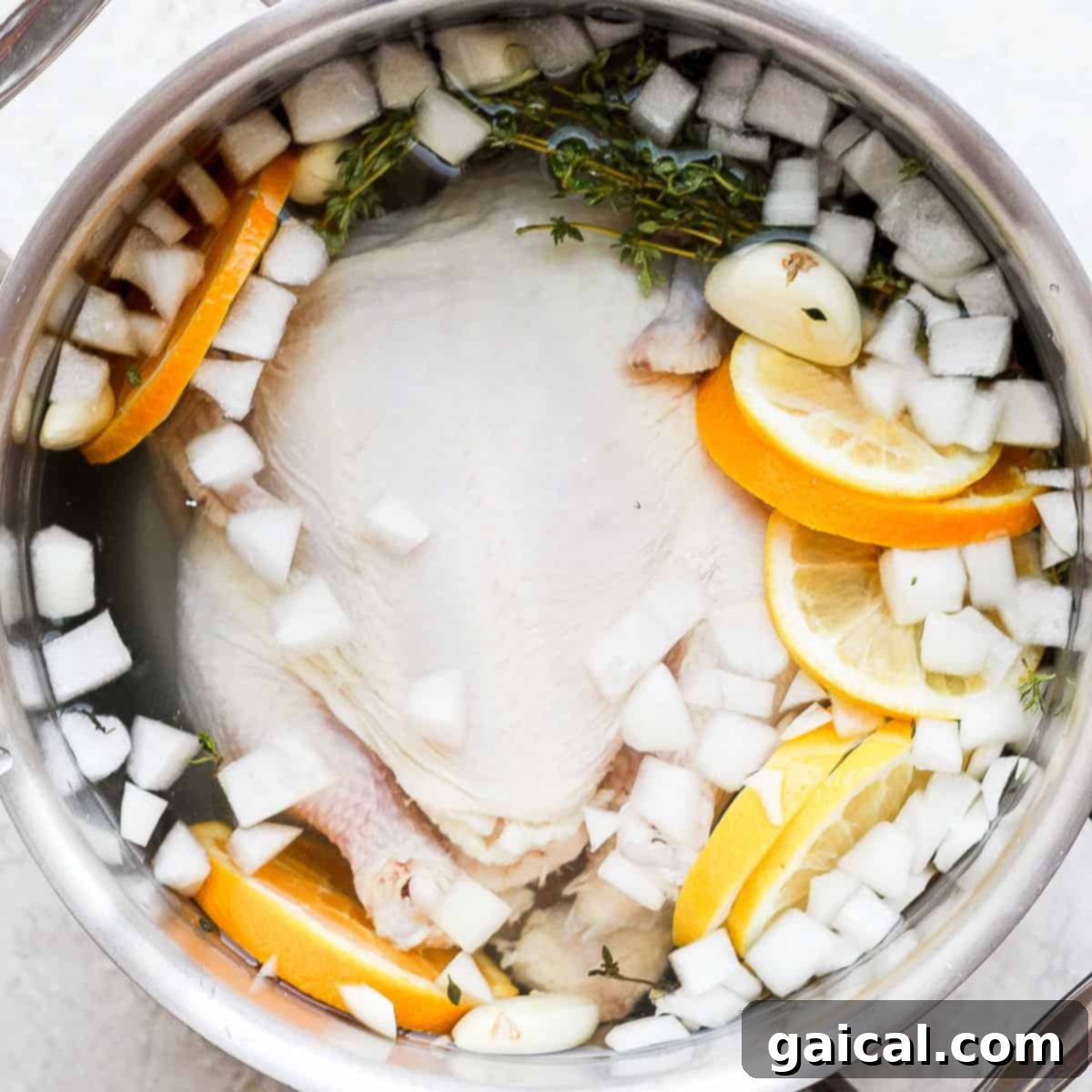
Unlock the secret to an unbelievably juicy and deeply flavorful whole chicken with this classic whole chicken brine recipe. This simple yet transformative method guarantees the most succulent poultry you’ve ever tasted, whether you plan to grill, roast, or smoke your bird.
While we frequently use this incredible chicken brine as the foundational step for our grilled spatchcock chicken, its versatility knows no bounds. Feel free to apply it to your smoked whole chicken or achieve outstanding results with an oven-roasted spatchcock chicken. No matter the cooking method, a well-brined chicken is a game-changer.
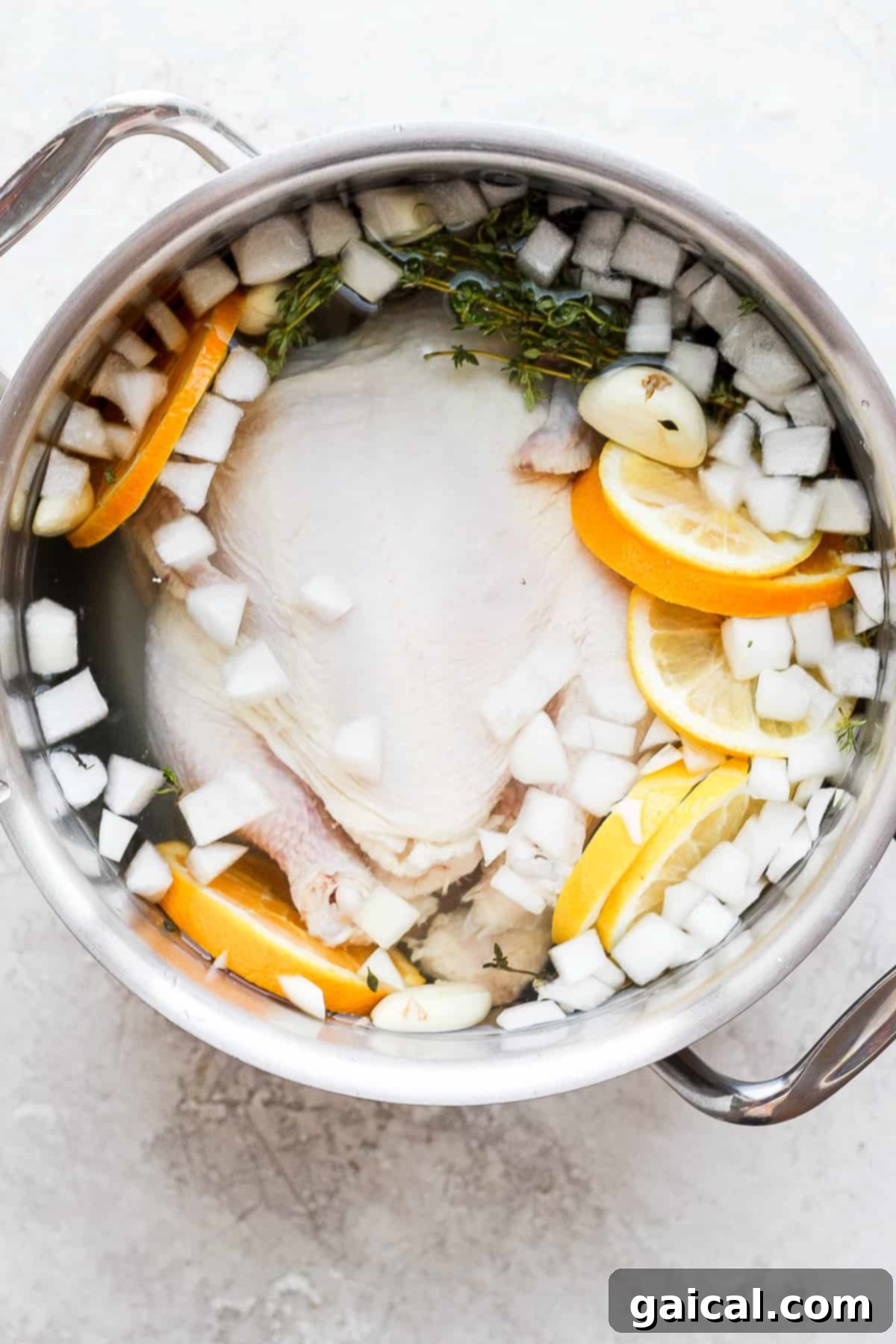
The Ultimate Classic Whole Chicken Brine
Don’t let the idea of a chicken brine intimidate you. Despite its gourmet results, the process is surprisingly straightforward and requires only a few essential tools and the right bird. We’re here to guide you through creating a simple yet incredibly effective chicken brine that will elevate your home cooking to restaurant quality. Once you experience the difference, you’ll wonder how you ever cooked chicken without it!
Why Brine Your Chicken? The Science Behind Succulence
Brining is a culinary technique that involves soaking meat in a seasoned saltwater solution. While it might seem like an extra step, the benefits for a whole chicken are profound and contribute to a superior eating experience. We adore brining chicken, especially a whole bird, for three primary reasons:
- Unforgettable Flavor Infusion: Brining isn’t just about moisture; it’s a powerful way to infuse your chicken with incredible flavor. Think of it as an intense flavor bath or a super-marinade. The salty solution, combined with aromatics like garlic, onion, and citrus, penetrates deep into the meat, seasoning it from the inside out. This results in a richness and complexity that simply cannot be achieved with surface seasoning alone. Every bite becomes a burst of savory deliciousness.
- Enhanced Texture and Tenderness: The salt in the brine solution works wonders on the meat’s protein structure. It helps to denature the proteins, breaking down some of the tougher muscle fibers. This process leaves the texture of your cooked chicken remarkably tender and smooth, almost melting in your mouth. You’ll notice a significant difference from un-brined chicken, which can sometimes be chewy or dry.
- Unbeatable Moisture Retention: This is perhaps the most celebrated benefit of brining. Through a process called osmosis, the saltwater solution enters the chicken’s cells. More importantly, the salt causes the meat’s muscle fibers to swell and relax, allowing them to absorb and hold onto more moisture during cooking. This extra moisture acts as a buffer against drying out, ensuring that even if your chicken is slightly overcooked, it will remain incredibly juicy. The result is consistently moist chicken, from breast to thigh.
You’ll observe that brining is typically recommended for leaner cuts of meat, such as chicken, turkey, or pork chops. This is precisely because these meats have a lower fat content, making them more susceptible to drying out during cooking. Brining truly does make a dramatic difference, helping these lean cuts emerge from the oven or grill wonderfully moist and flavorful!
Discover More Chicken Recipes
Creamy Chicken Mushroom Pasta (Ready in 30 Minutes!)
Creamy Marry Me Chicken Soup (With Ground Chicken)
Chicken Parmesan Meatball Skillet (Easy One-Pan Dinner)
Air Fryer Sweet and Sour Chicken
Crispy Bacon Wrapped Chicken
Dry Brine vs. Wet Brine: Understanding the Differences
When it comes to brining, you’ll generally encounter two main methods: wet brining and dry brining. Our recipe specifically utilizes a wet brine, which involves submerging the chicken in a liquid solution. Here’s a closer look at both:
- Wet Brine: As featured in this recipe, a wet brine involves dissolving salt (and often other flavor-enhancing ingredients) in water to create a liquid solution. The chicken is then fully submerged in this solution for several hours. The liquid allows for thorough flavor penetration and maximum moisture absorption, resulting in a very juicy and flavorful bird. This method is particularly effective for larger cuts of meat like a whole chicken, ensuring an even distribution of moisture and seasoning throughout.
- Dry Brine: A dry brine, on the other hand, relies solely on salt applied directly to the surface of the meat. No additional liquid is used. The salt draws out moisture from the chicken through osmosis, creating a concentrated brine on the surface of the meat. This salty liquid is then reabsorbed, taking the seasoning with it. Dry brining is excellent for achieving incredibly crispy skin and can be less messy. While effective, for a large whole chicken, a wet brine often provides more consistent moisture throughout the entire bird. For optimal juiciness and flavor penetration with a whole chicken, a wet brine is often preferred, which is why we’ve chosen it for this ultimate recipe.
Essential Ingredients for the Best Chicken Brine
Creating a stellar chicken brine requires a balance of salt, aromatics, and sometimes a touch of sweetness or acidity to enhance flavor. Here’s a breakdown of the key components for our classic recipe:
- Water: The primary liquid base for our wet brine, ensuring the chicken is fully submerged and the salt solution can penetrate deeply.
- Kosher Salt: This is the star ingredient. Kosher salt’s larger flakes dissolve easily and are less likely to over-salt compared to table salt, providing a clean, robust seasoning.
- Smashed Garlic Cloves: Garlic adds a pungent, savory depth that infuses the chicken with classic aromatic flavor. Smashing them releases their essential oils more effectively.
- Chopped White Onion: Onion contributes a foundational sweet and savory note, rounding out the brine’s aromatic profile.
- Sliced Oranges: Citrus brings a bright, fresh, and slightly sweet acidity that beautifully complements chicken, adding a subtle complexity to the final taste.
- Sliced Lemons: Similar to oranges, lemons provide a zesty, tart flavor that cuts through richness and enhances the overall freshness of the brine.
- Sprigs Fresh Thyme: Earthy and slightly peppery, fresh thyme is a classic poultry herb that adds an aromatic, herbaceous touch.
- Whole Chicken: The canvas for our culinary masterpiece! Aim for a fresh, high-quality bird for the best results.
Choosing the Perfect Whole Chicken for Brining
The success of your brined chicken starts with selecting the right bird. Our recommended recipe calls for a 4 lb. whole chicken, and it’s absolutely crucial that your chicken is completely thawed before brining. A frozen or partially frozen chicken won’t absorb the brine effectively, diminishing the results.
Tips for Choosing Your Chicken:
- Size Matters: If you opt for a larger bird (e.g., 5-6 lbs or more), remember that the entire chicken must be fully submerged in the brine. You may need to scale up the brine recipe by 1.5 or even double it to ensure you have enough liquid to cover the bird adequately. A good rule of thumb is to have at least an inch or two of brine covering the chicken.
- Quality Over Quantity: Whenever possible, choose a fresh, high-quality chicken. Organic, free-range, or pasture-raised chickens often have better flavor and texture to begin with, which will only be enhanced by brining.
- Check for Injections: Some commercially processed chickens are pre-brined or injected with a saltwater solution. Always check the label. If your chicken is already brined, this recipe might result in an overly salty bird. In such cases, consider using a dry rub instead of a wet brine, or significantly reduce the brining time.
- Thawing Safely: If your chicken is frozen, thaw it completely in the refrigerator, allowing about 24 hours for every 5 pounds of chicken. Never thaw at room temperature.
How to Brine a Whole Chicken: Step-by-Step Guide
Brining a chicken is a remarkably simple process that yields incredible rewards, making it 100% worth the minimal extra effort. Follow these steps to prepare an easy and effective brine for your whole chicken:
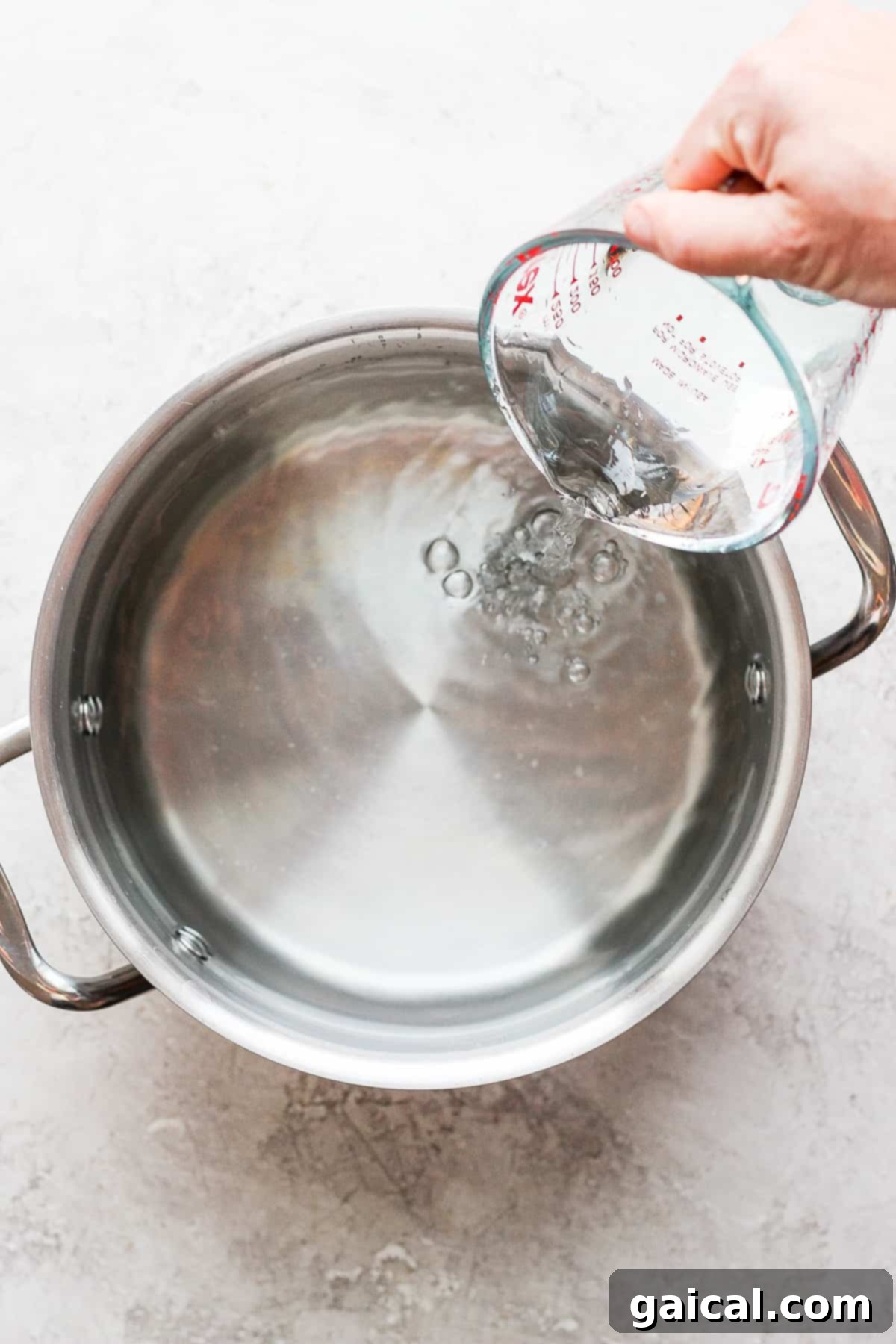
- Prepare Your Brine Base: Begin by pouring 9 cups of water into a large pot, bucket, or container big enough to comfortably hold your whole chicken and the brine liquid.
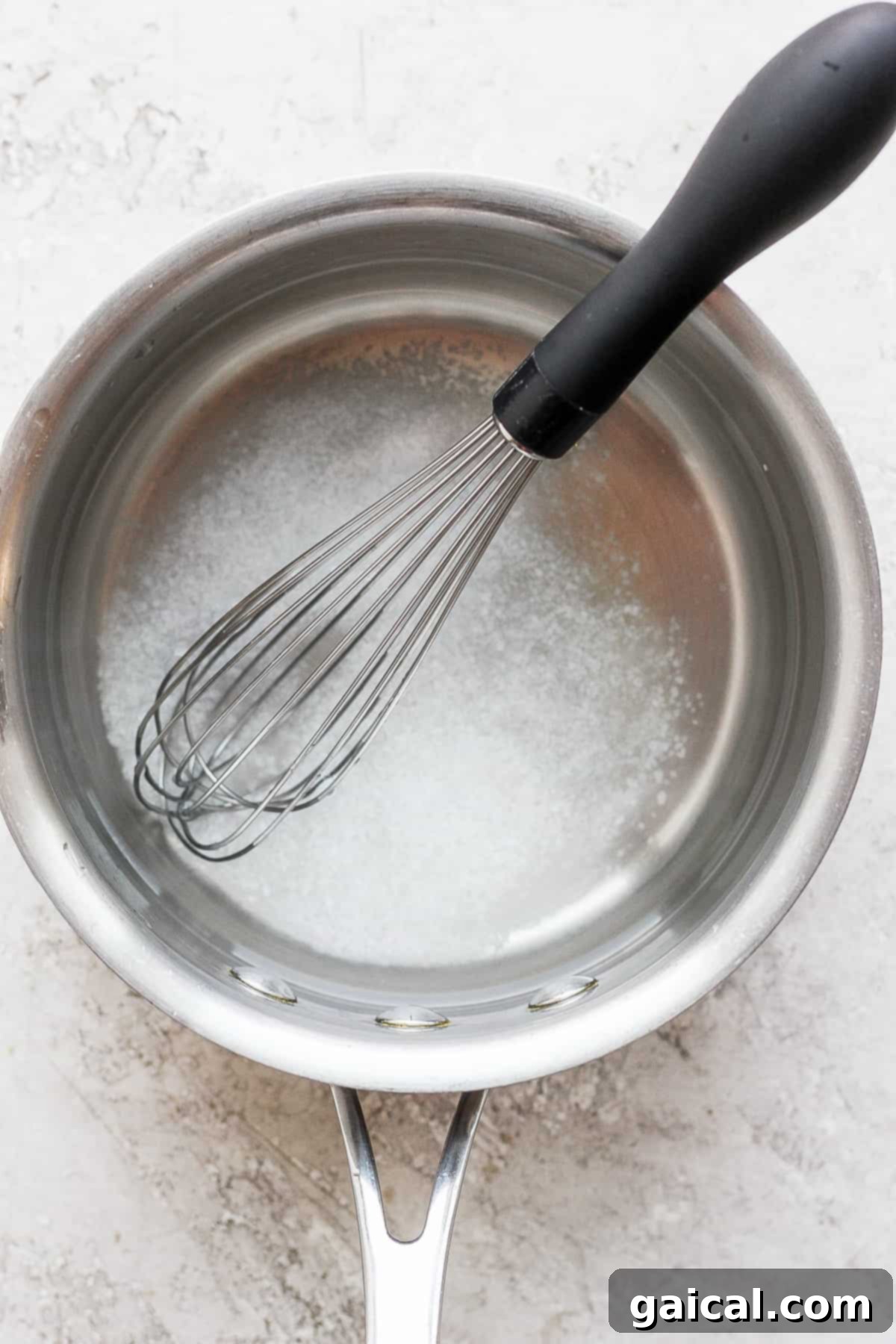
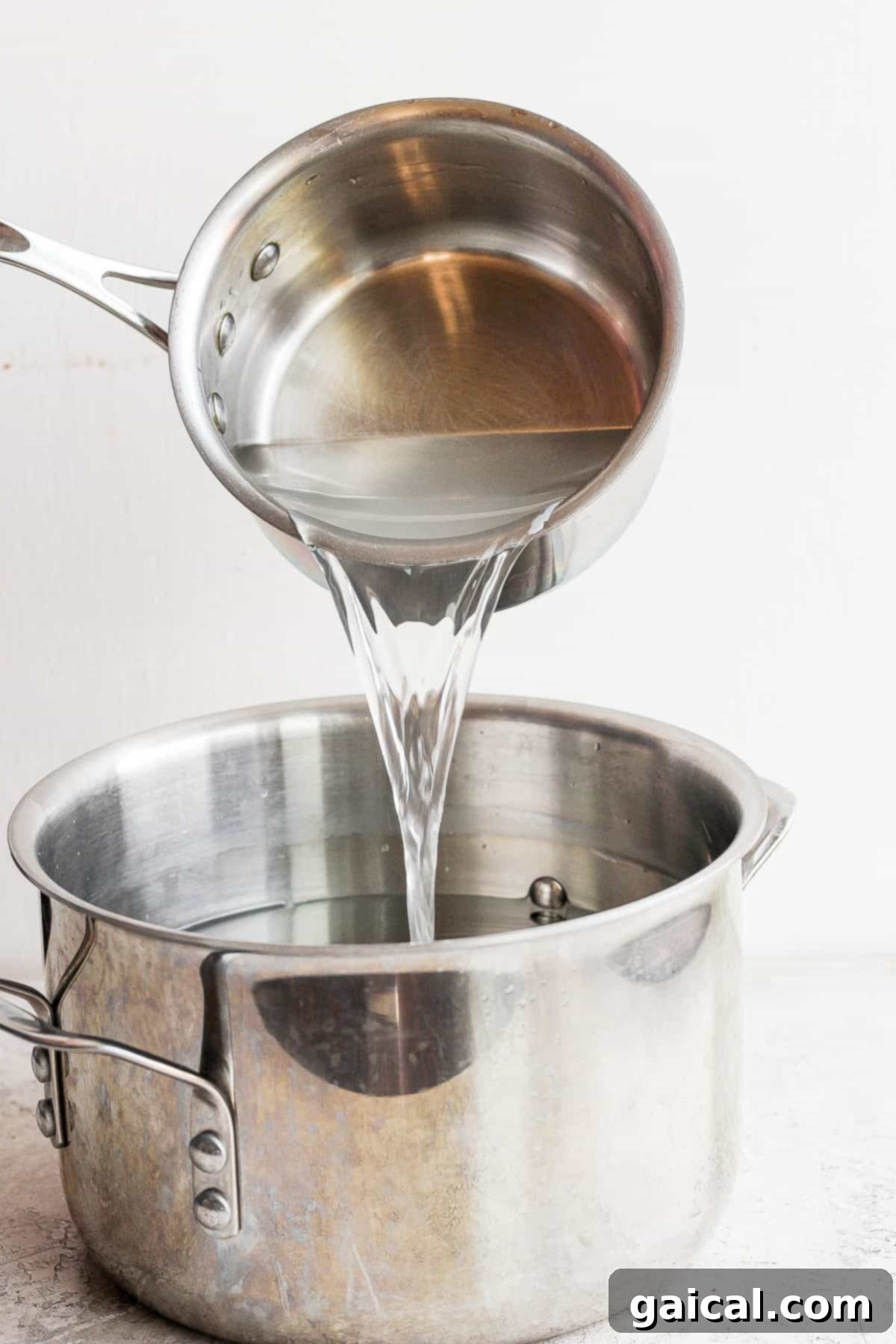
- Dissolve the Salt: Remove 1 cup of water from the large pot and transfer it to a smaller saucepan. Add the recommended amount of kosher salt to this saucepan. Heat the mixture over medium heat, whisking continuously until the salt is completely dissolved. It’s important not to bring the water to a boil, just warm it enough to dissolve the salt. Once dissolved, remove the saucepan from the heat. Pour the salted water back into the large pot with the remaining water and whisk thoroughly to combine. This method ensures the salt is fully incorporated into the brine.
- Add Aromatics and Citrus: To the large pot, add your smashed garlic cloves, chopped white onion, thinly sliced orange, thinly sliced lemon, and fresh thyme sprigs. Stir all the ingredients gently to distribute the flavors.
- Submerge the Chicken: Carefully place the whole chicken into the pot. Ensure that the chicken is completely submerged in the brine solution. If necessary, you can place a plate or a smaller lid on top of the chicken to keep it fully immersed.
- Chill and Brine: Cover the pot and transfer it to the refrigerator. Allow the chicken to brine for a minimum of 12 hours, or ideally, overnight. This extended time is crucial for the brine to work its magic, tenderizing and flavoring the meat.

Try it next!
Grilled Whole Chicken
After you’ve successfully brined your chicken, the next exciting step is to cook it! Learn how to grill the perfect, tender, and flavorful chicken for an unforgettable meal.
Chicken Brine FAQs
Here are some frequently asked questions about brining chicken, providing you with all the information you need for a perfect cook:
Brining is a game-changer because it achieves three main goals: it infuses your chicken with incredible flavor, makes it exceptionally tender by breaking down muscle fibers, and most importantly, helps the meat retain moisture, resulting in an incredibly juicy final product. It’s the ultimate method for preventing dry chicken.
Counter-intuitively, a properly prepared brine will not make your finished chicken overly salty. The salt content in the brine primarily works to break down the meat’s muscle fibers and facilitate moisture absorption. While some salt flavor will penetrate, a quick rinse after brining and before cooking will remove any excess surface salt, ensuring the chicken is perfectly seasoned, not overwhelmingly salty. Always pat the chicken completely dry after rinsing for crispy skin.
Absolutely! Brining significantly contributes to the tenderness of the chicken. The salt in the solution helps to denature and relax the muscle proteins. This process prevents the proteins from tightening up too much during cooking, which is a common cause of tough meat. The result is a wonderfully tender texture that you’ll immediately notice and appreciate.
For a whole chicken (around 4-5 lbs), a brining time of 12 to 24 hours in the refrigerator is generally ideal. Brining for too short a time won’t allow the flavors and moisture to fully penetrate, while brining for too long can result in a mushy texture due to excessive protein breakdown. Stick to the overnight recommended time for best results.
Yes, it’s highly recommended to thoroughly rinse the brined chicken under cold running water, both inside and out, after removing it from the brine. This washes away any excess surface salt and ensures the chicken isn’t too salty. After rinsing, pat the chicken completely dry with paper towels. A dry surface is essential for achieving crispy skin when roasting or grilling.
No, for food safety reasons, chicken brine should never be reused. Once raw chicken has been soaking in the brine, the solution can harbor bacteria. Always discard used brine immediately after removing the chicken.
Storage and Food Safety
Proper storage is crucial when brining a whole chicken to ensure both the quality of the brine and, more importantly, food safety. Always store your chicken in the brine in the refrigerator. Keeping the chicken at a consistent chilled temperature (below 40°F or 4°C) in the refrigerator is vital for preventing bacterial growth. Do not brine at room temperature.
- During Brining: Ensure your brining container is covered tightly to prevent contamination and spills. Keep it on the lowest shelf of your refrigerator to avoid any potential drips onto other foods.
- After Brining: Once the brining period is complete, remove the chicken from the brine, discard the brine, rinse the chicken thoroughly, and pat it completely dry. The brined chicken can then be cooked immediately or stored in an airtight container in the refrigerator for up to 1-2 days before cooking.

More of our Favorite…
Our Top Chicken Recipes
- Best Crispy Chicken Thighs
- Grilled Whole Chicken
- Crispy Sous Vide Chicken Thighs
- Most Flavorful Chicken and Rice
Easy Chicken Brine
This simple whole chicken brine gives you the juiciest, most delicious whole chicken you’ve ever tasted. Enjoy!
Prep: 15 mins
Brine Time: 12 hrs
Total: 12 hrs 15 mins
Print Recipe
Ingredients
- 9 cups water
- 1/2 cup kosher salt
- 4 cloves garlic, smashed
- 1 small white onion, chopped
- ½ orange, thinly sliced
- ½ lemon, thinly sliced
- 5 sprigs fresh thyme
- 1 (4 lb.) whole chicken
Instructions
-
First, prepare the brine for the chicken. Fill a large pot, bucket, or container with 9 cups of water.

-
Remove 1 cup of water from the pot and transfer it to a saucepan along with the kosher salt. Heat these two ingredients over medium heat, whisking until the salt has completely dissolved. Do not bring the mixture to a boil. Once the salt is dissolved, remove from heat. Pour this salted water back into the large pot with the remaining water and whisk thoroughly to ensure even distribution.
-
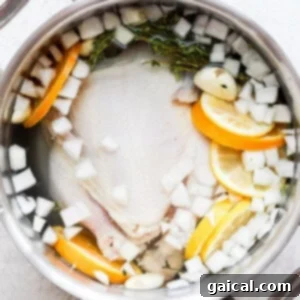
Next, add the smashed garlic, chopped onion, orange slices, lemon slices, and fresh thyme sprigs to the large pot and stir to combine. Finally, carefully add the whole chicken to the pot. Make sure the chicken is completely submerged in the brine solution. Use a plate or a smaller lid to weigh it down if necessary to keep it fully immersed.
-
Cover the pot and place it in the refrigerator. Allow the chicken to brine for 12 hours or overnight for optimal flavor and moisture absorption.

Watch It
A video demonstrating the chicken brining process can be found here.
Nutrition (Approximate per serving of chicken once cooked)
Carbohydrates: 28 g,
Protein: 3 g,
Fat: 1 g,
Fiber: 6 g,
Sugar: 12 g
Nutrition information is automatically calculated from the brine ingredients, so should only be used as an approximation. Actual nutritional values will vary based on the chicken itself and cooking method.
Love this recipe? Leave a comment below!
Don’t forget to tag your posts on social media with the hashtag #fitfoodiefinds, we’d love to see what you’re up to!
**Self-Correction/Reasoning during the process:**
1. **SEO Compliance:**
* **Title Tag & Meta Description:** Added a descriptive `