
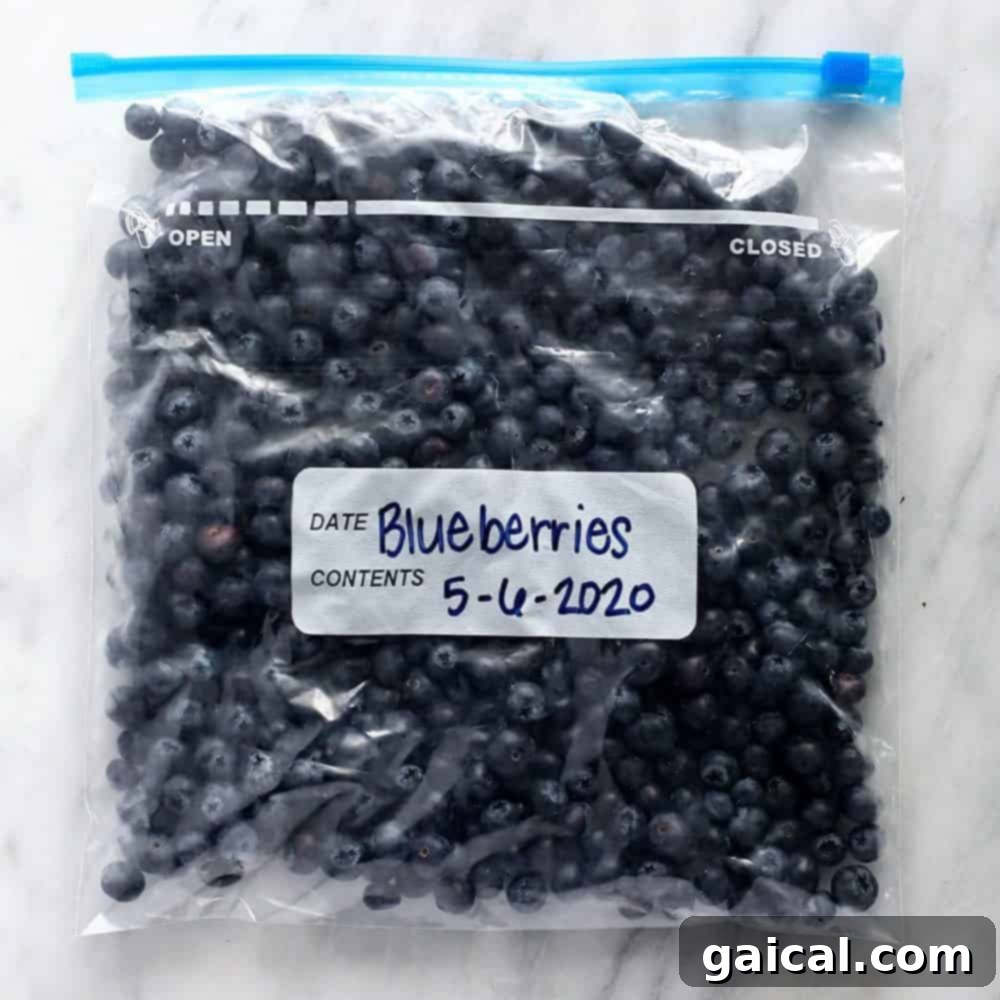
Are you wondering how to freeze blueberries effectively to enjoy their fresh taste all year round? Look no further! This comprehensive guide provides a simple yet detailed tutorial for freezing blueberries, ensuring they retain their flavor and texture for smoothies, pies, baked goods, and more. Whether you’re leveraging a fantastic deal at the grocery store or harvesting your own bountiful crop, mastering the art of freezing blueberries is a game-changer for any kitchen.
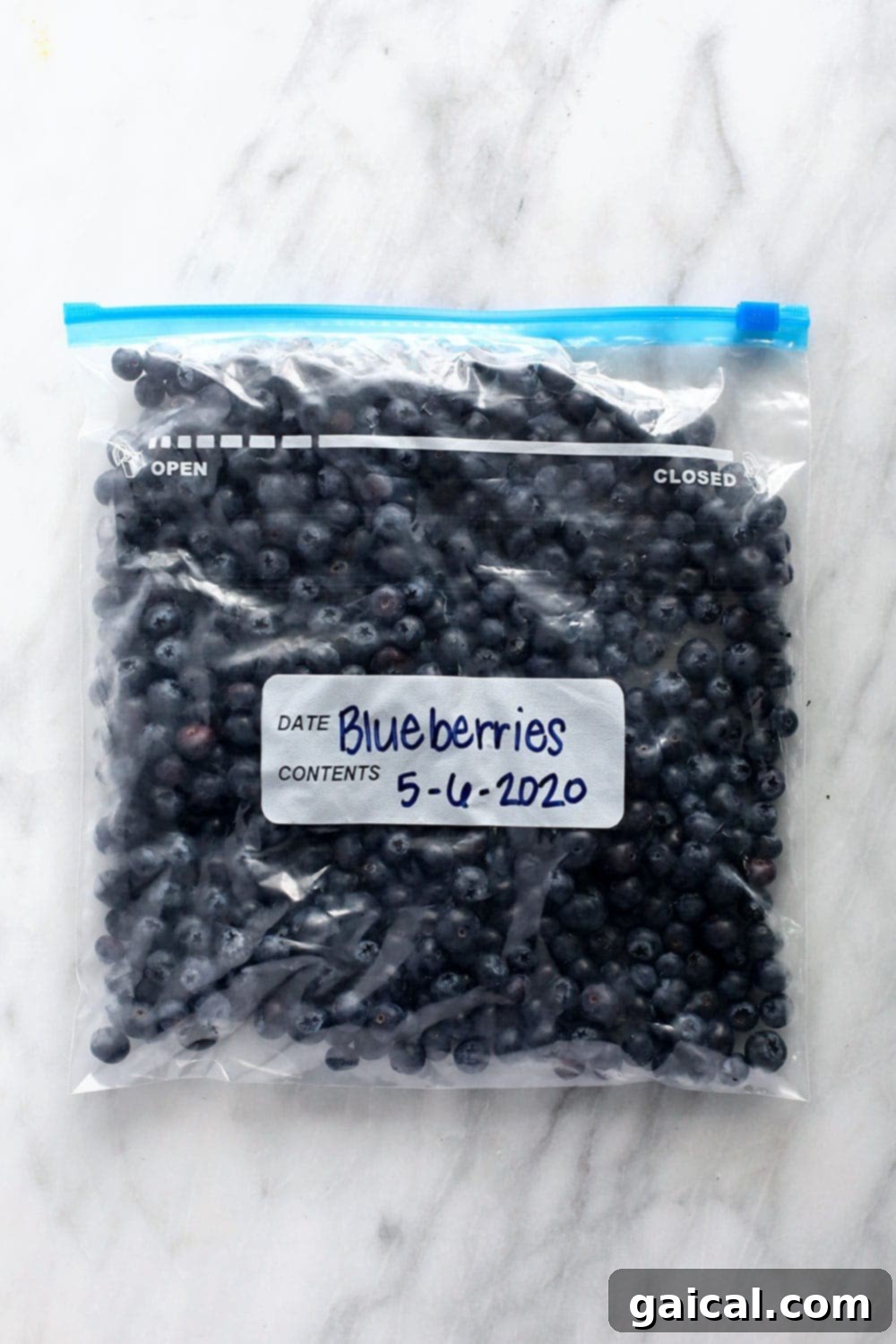
Freezing blueberries is an incredibly simple process that yields remarkable benefits, transforming seasonal produce into a convenient, readily available ingredient. While commercially frozen blueberries are an option, freezing fresh blueberries yourself guarantees superior flavor, texture, and often, better value. This post will walk you through the entire process, from preparing your fresh berries to flash freezing them and storing them for optimal freshness, along with tips on thawing and creative ways to incorporate them into your meals. Get ready to stock your freezer with these tiny powerhouses!
Why Freezing Blueberries is a Smart Choice
Blueberries are a beloved superfood, packed with antioxidants and essential nutrients. Freezing them not only preserves their goodness but also offers a multitude of practical advantages. Here’s why making space in your freezer for these vibrant berries is a fantastic idea:
Save Money: Blueberries are often available at their lowest prices during peak season, typically in the summer months. By purchasing them in bulk when they’re cheap – sometimes as low as $1 a pint – and freezing them, you can enjoy these delicious berries year-round without paying premium off-season prices. This strategy allows you to lock in savings and maintain a healthy, budget-friendly diet.
Easy Access & Convenience: Imagine craving a smoothie or a fresh batch of muffins, only to find your fridge empty of fresh fruit. A freezer stocked with individually frozen blueberries solves this problem instantly. They’re perfect for spontaneous baking, quick breakfasts, or adding a nutritional boost to any dish. Having them on hand means less last-minute grocery runs and more effortless meal preparation.
Reduce Food Waste: Fresh produce has a limited shelf life. If you buy more blueberries than you can consume before they spoil, freezing them is an excellent way to prevent food waste. This simple preservation method ensures that every berry you purchase or pick can be enjoyed, minimizing environmental impact and maximizing your investment.
Preserve Peak Flavor and Nutrition: Freezing blueberries at their peak ripeness locks in their vibrant flavor, sweet juiciness, and rich nutritional content. Unlike some preservation methods that can degrade vitamins, freezing retains most of the berries’ beneficial compounds, including antioxidants. This means you get to enjoy the best of the berry long after its season has passed.
Superior Quality to Store-Bought Frozen: While pre-frozen blueberries are convenient, freezing your own fresh blueberries offers a noticeable difference in quality. Homemade frozen berries tend to have a firmer texture and brighter flavor, as they are typically frozen within hours of purchase or harvest, minimizing the time they spend degrading. This DIY approach gives you complete control over the quality of the berries you consume.
Essential Kitchen Tools for Freezing Blueberries
Freezing blueberries is a straightforward process that requires only a few basic kitchen tools. Gathering these items beforehand will make your freezing project quick and efficient:
- Baking Sheet: Opt for a sturdy baking sheet with at least a 1/2-inch lip. This prevents berries from rolling off the tray and helps contain them while they flash freeze in your freezer. You might need multiple sheets if freezing a large batch.
- Paper Towels or Clean Kitchen Towels: These are crucial for thoroughly drying your washed blueberries. Ensuring the berries are completely dry before freezing is key to preventing ice crystals and freezer burn, leading to a much better quality frozen product.
- Gallon-Size Freezer-Safe Bags or Containers: High-quality freezer bags (like Ziploc or Stasher bags) or rigid freezer-safe containers are essential for long-term storage. They help protect the berries from freezer burn and minimize odor absorption. Choose bags with a good seal or containers that are airtight.
- Colander or Strainer: For washing the blueberries gently and effectively under cold running water, ensuring all dirt and debris are removed.
- Parchment Paper or Silicone Mat (Optional but Recommended): Lining your baking sheet with parchment paper or a silicone baking mat makes it incredibly easy to remove the frozen blueberries without them sticking to the tray. This prevents any damage to the berries and speeds up the transfer process.
- Permanent Marker and Labels (Optional): For dating and labeling your freezer bags/containers, which is vital for managing your frozen stock and ensuring you use the oldest berries first.

How to Freeze Blueberries: A Detailed Step-by-Step Guide
Freezing blueberries is a simple process, but following these steps carefully ensures you get perfectly preserved, individual berries every time, ready for any recipe. Avoid the common pitfall of a giant frozen blueberry clump with this method!
STEP 1: PREPARE YOUR BAKING SHEET
The first and most crucial step for successful freezing is preparing your baking sheet. Do not skip this! Pouring fresh blueberries directly into a freezer-safe bag will inevitably result in a solid, unmanageable block of ice and berries. To prevent this, you’ll need a clean baking sheet, ideally one with at least a 1/2-inch lip to prevent any berries from rolling off. For added convenience and easy removal, line your baking sheet with a piece of parchment paper or a silicone baking mat. This non-stick surface ensures that even if some berries stick slightly, they can be easily scraped off without damage once frozen. Make sure your baking sheet is clean and dry before arranging the parchment paper.
STEP 2: PREPARE AND WASH BLUEBERRIES
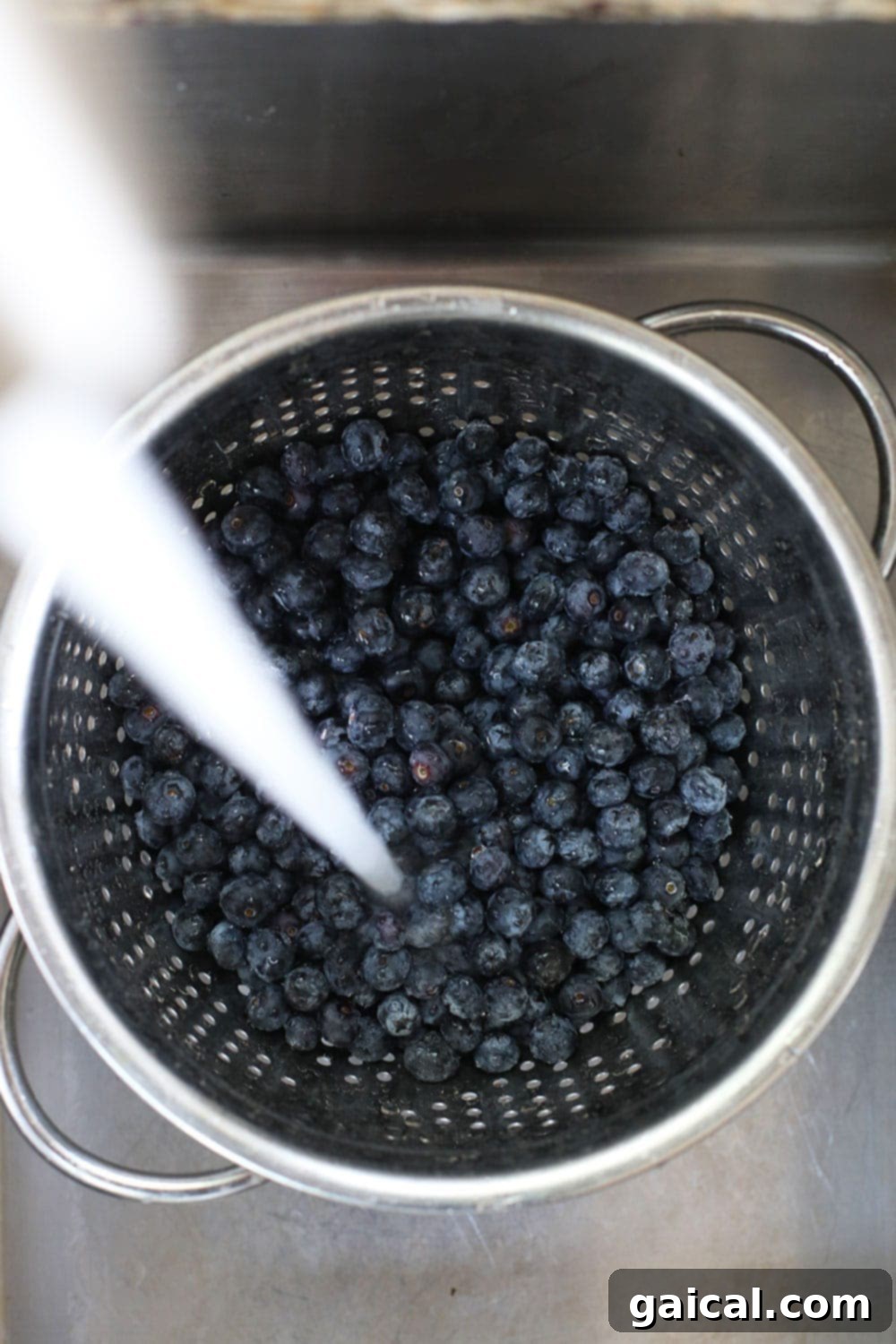
Now it’s time to get your berries sparkling clean and ready for their freezer journey. Place your fresh blueberries into a colander or strainer. Gently rinse them under cool, running water. Avoid soaking them, as this can make them waterlogged. As you rinse, carefully inspect the berries. Remove any lingering stems, leaves, or tiny debris that might have been missed during packaging or harvesting. Also, discard any blueberries that appear overly soft, moldy, bruised, or shriveled, as these can affect the quality of the entire batch once frozen. Only the best berries should make it into your freezer.
STEP 3: THOROUGHLY DRY THE BLUEBERRIES
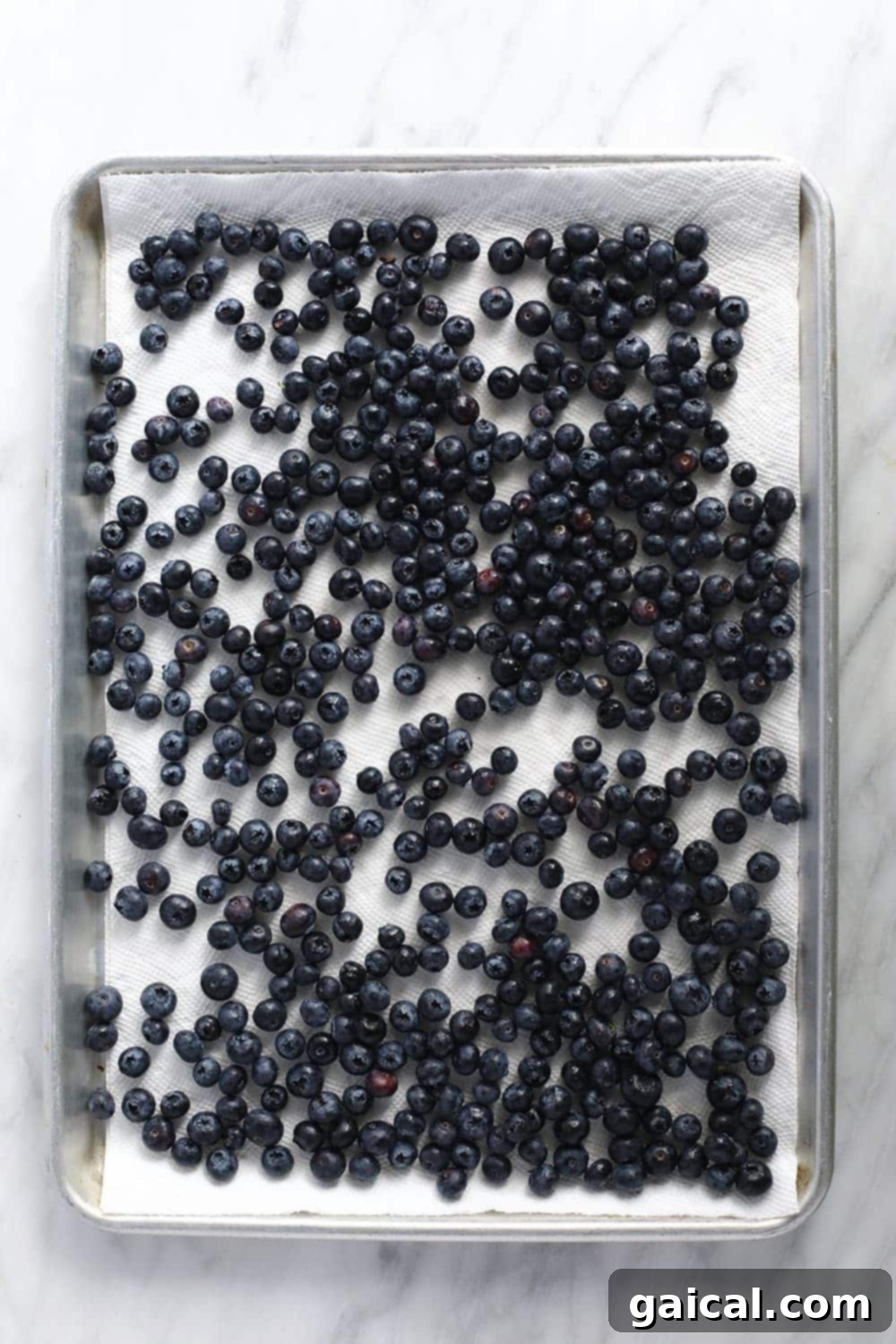
This step is absolutely critical for preventing ice crystals and freezer burn. Once your blueberries are washed and free of debris, they must be completely dry. Transfer the rinsed berries from the colander onto a clean layer of paper towels spread across a counter, or use a clean, dark-colored dish towel (be aware that juicy blueberries might stain lighter fabrics). Gently roll or pat the berries dry. Allow them to air dry for an additional 10-15 minutes if needed, ensuring no visible moisture remains on their surface. Any excess water will freeze into ice, leading to clumping and diminishing the quality and texture of your frozen berries. This meticulous drying process is your best defense against freezer burn.
STEP 4: FLASH FREEZE BLUEBERRIES ON A BAKING SHEET
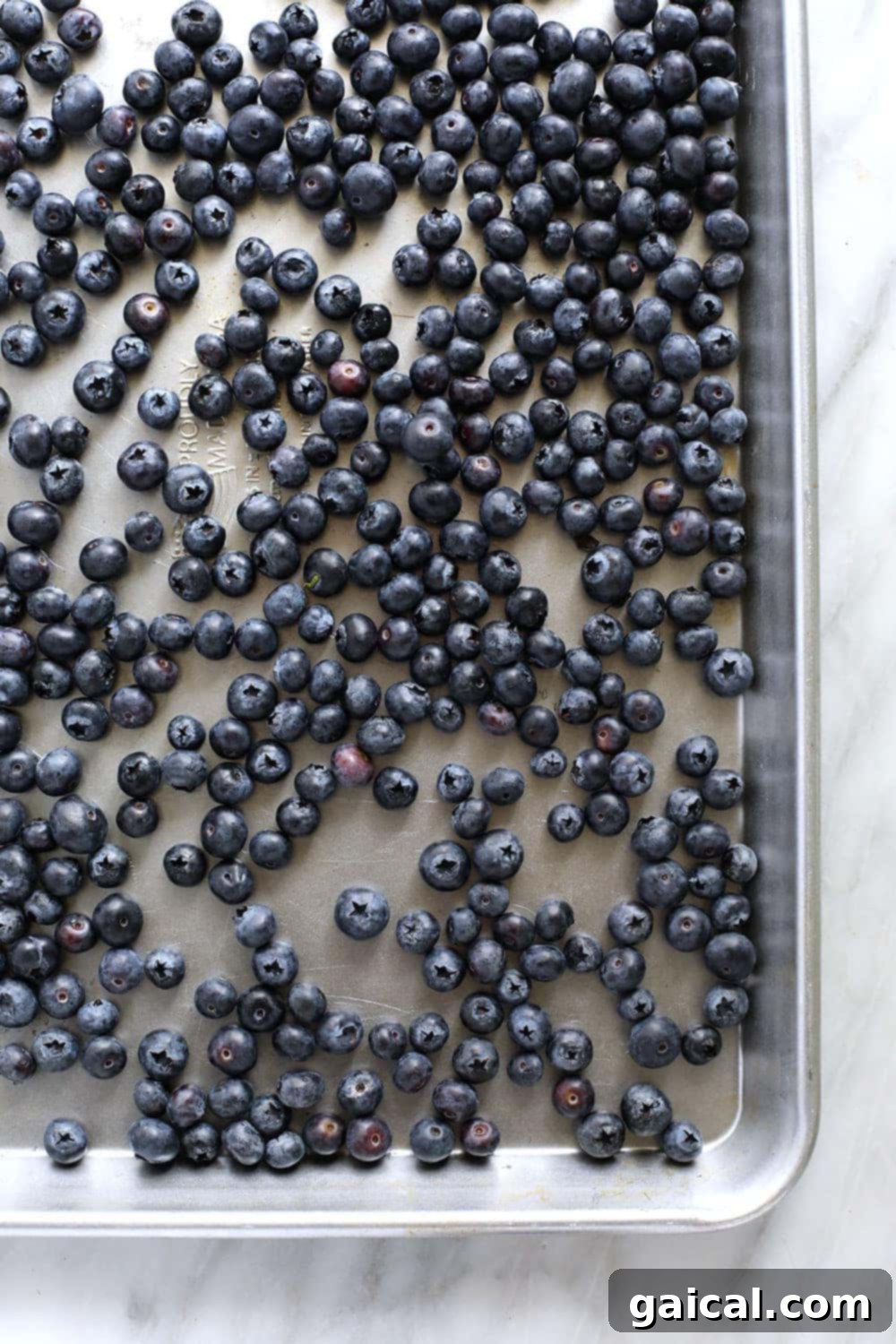
Once your blueberries are completely dry, arrange them in a single layer on your prepared baking sheet. It’s vital to spread them out evenly, ensuring that no berries are touching each other. This “flash freezing” step is what prevents them from freezing into one large block. When each berry is individually frozen, they remain loose and pourable, making it easy to grab just the amount you need for your recipes. Place the baking sheet with the berries into the freezer. Freeze for a minimum of 30 minutes, or up to 2-3 hours, depending on the size of your blueberries and the efficiency of your freezer. Smaller berries like blueberries generally freeze faster than larger fruits like whole strawberries or blackberries. You’ll know they’re ready when they are hard to the touch and no longer stick together.
STEP 5: TRANSFER TO FREEZER-SAFE CONTAINERS FOR LONG-TERM STORAGE
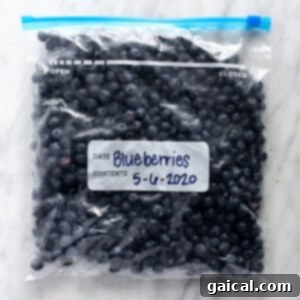
After the blueberries are completely flash-frozen, remove the baking sheet from the freezer. If any berries have slightly adhered to the parchment paper, a gentle nudge with a spatula should easily release them. Immediately transfer the individually frozen blueberries into your chosen freezer-safe containers. Gallon-sized freezer bags, rigid plastic containers, or even glass jars designed for freezing are excellent options. When using bags, try to remove as much air as possible before sealing – a straw can be useful for this. Air is the enemy of frozen food, as it contributes to freezer burn. Label each bag or container with the date of freezing to keep track of freshness. Properly stored, frozen blueberries can maintain their quality for up to 6-12 months. Place them back into the freezer, and now you have perfectly frozen, accessible blueberries any time you need them!
How to Thaw Frozen Blueberries for Optimal Use
Thawing frozen blueberries is usually a straightforward process, but sometimes, you don’t even need to! The best method depends on how you plan to use them. Here’s a guide to thawing and a reminder of when to skip it:
- Countertop Thawing (Quick Method): If you need thawed berries quickly, remove the desired amount from the freezer. For even thawing, break up any minor clumps by gently squishing the bag or spreading them on a plate. Line a baking sheet or a plate with paper towels, then pour the frozen blueberries onto the paper towel. Let them sit at room temperature for approximately 20-40 minutes, depending on the amount and room temperature. The paper towel helps absorb excess moisture as they thaw.
- Refrigerator Thawing (Slow Method): For a more controlled thaw, transfer the frozen blueberries to a bowl or container and place them in the refrigerator overnight. This slower method helps maintain their texture slightly better, though they will still soften significantly.
- Microwave Thawing (Use with Caution): If you’re in a real hurry, you can gently thaw blueberries in the microwave on a defrost setting, stirring frequently. Be very careful not to overheat them, as they can quickly turn mushy or even cook. This method is generally not recommended if texture is a primary concern.
When Not to Thaw: Remember, for many recipes, frozen blueberries can be used directly from the freezer! This is especially true for items where the berries will be cooked or blended. For instance, you don’t need to thaw blueberries for:
- Smoothies and nice cream: Using frozen berries makes these cold and thick without needing ice.
- Baking: While some recipes might call for fresh, frozen blueberries can often be folded directly into muffin, pancake, or quick bread batters. Just toss them lightly with a tablespoon of flour first to prevent them from sinking to the bottom and to help them distribute evenly. This often yields a burst of juiciness throughout your baked goods.
Delicious Ways to Use Your Frozen Blueberries
Once you have a stash of perfectly frozen blueberries, the culinary possibilities are truly endless! Don’t let your creativity be limited; these versatile berries are ready to elevate countless dishes. Here are some fantastic ideas to get you started:
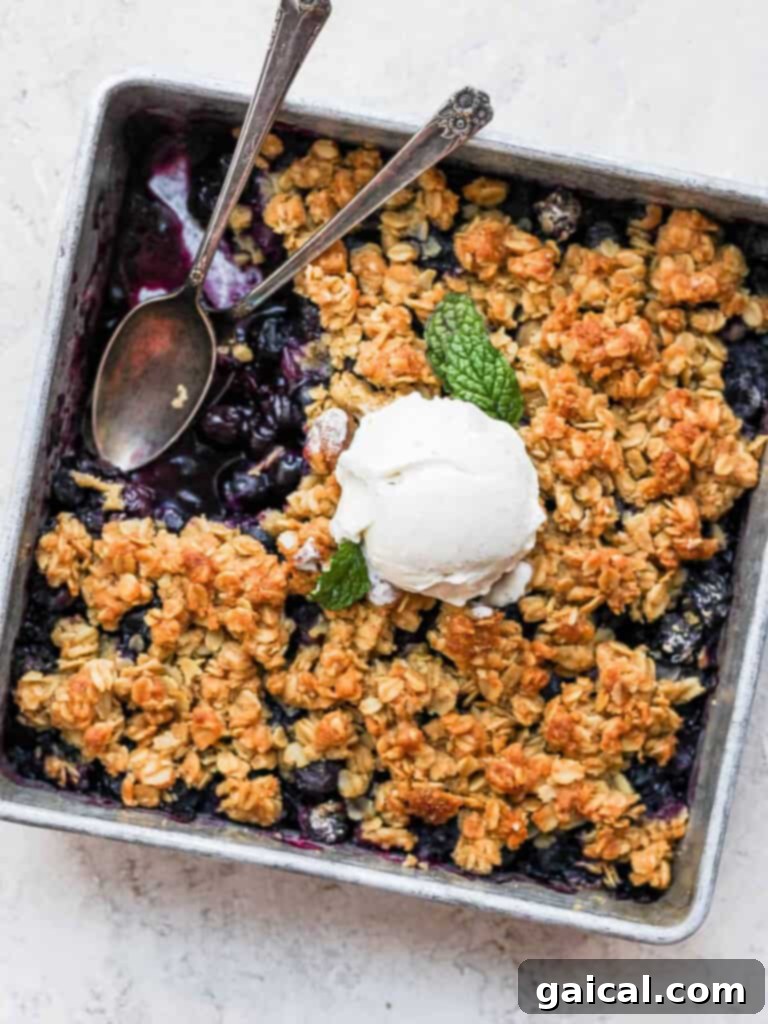
Blueberry Crisp: A classic comfort dessert! Our blueberry crisp, made with a blend of sweet berries and a buttery, golden-brown crumb topping, is an absolute delight. Frozen blueberries bake beautifully, releasing their juices to create a warm, bubbly filling.
Smoothies: This is arguably the most popular use for frozen blueberries. They blend into a creamy, naturally sweet, and vibrant drink without the need for ice, ensuring a thick and cold texture. Smoothies are ready in mere minutes and are perfect for a quick breakfast or a healthy snack. Discover some of our favorites:
- Blueberry Banana Smoothie: A classic combination that’s both filling and delicious.
- Triple Berry Smoothie: Combine blueberries with other frozen berries for a burst of flavor.
- Blueberry Flax Smoothie: Add healthy fats and fiber for an extra nutritious kick.
- Blueberry Date Smoothie Bowl: A thicker, spoonable treat perfect for toppings.
Try it!
Blueberry Banana Smoothie
This blueberry banana smoothie is thick, healthy, and perfect for a quick breakfast or a tasty snack. Frozen blueberries are key!
Blueberry Muffins: There’s nothing quite like a warm, fluffy blueberry muffin. Our super fluffy blueberry muffin recipe is naturally sweetened and incredibly yummy. Frozen blueberries can be added directly to the batter, often yielding pockets of juicy goodness.
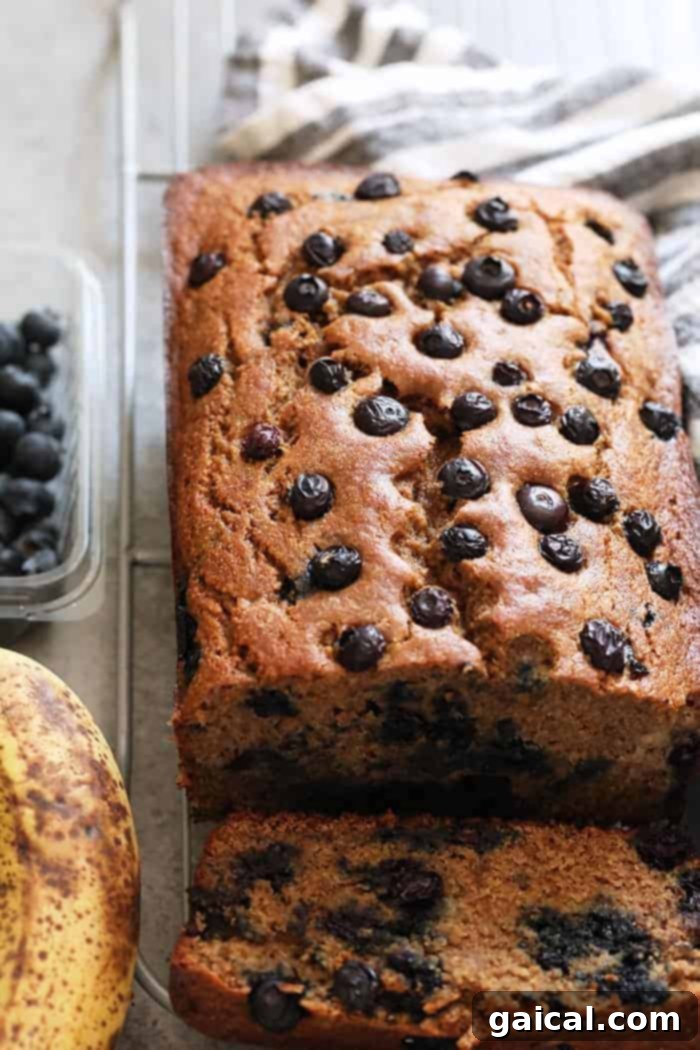
Blueberry Banana Bread: Elevate your favorite banana bread recipe by folding in frozen blueberries. They add a delightful tang and moisture. Give our blueberry banana bread a try; you’ll love this flavorful twist on a classic.
Blueberry Pancakes: Start your day with a burst of berry flavor! Add frozen blueberries directly to your pancake batter before cooking, or create a quick compote by simmering them on the stovetop and use it as a luscious topping. Our blueberry protein pancakes recipe is a nutritious and tasty option.
Blueberry Crumble Bars: These bars are a perfect grab-and-go treat or dessert. You seriously can’t go wrong with our Lemon Blueberry Crumble Bars. The rich, sweet-tart blueberry filling, made primarily with frozen blueberries, is a highlight.
Blueberry Muffin Banana Soft Serve: For a delightful and healthy frozen treat, blend your frozen blueberries with frozen bananas. This creates a creamy, vegan soft serve that tastes like a dessert but is packed with fruit goodness. It’s a fantastic way to satisfy your sweet tooth without guilt.
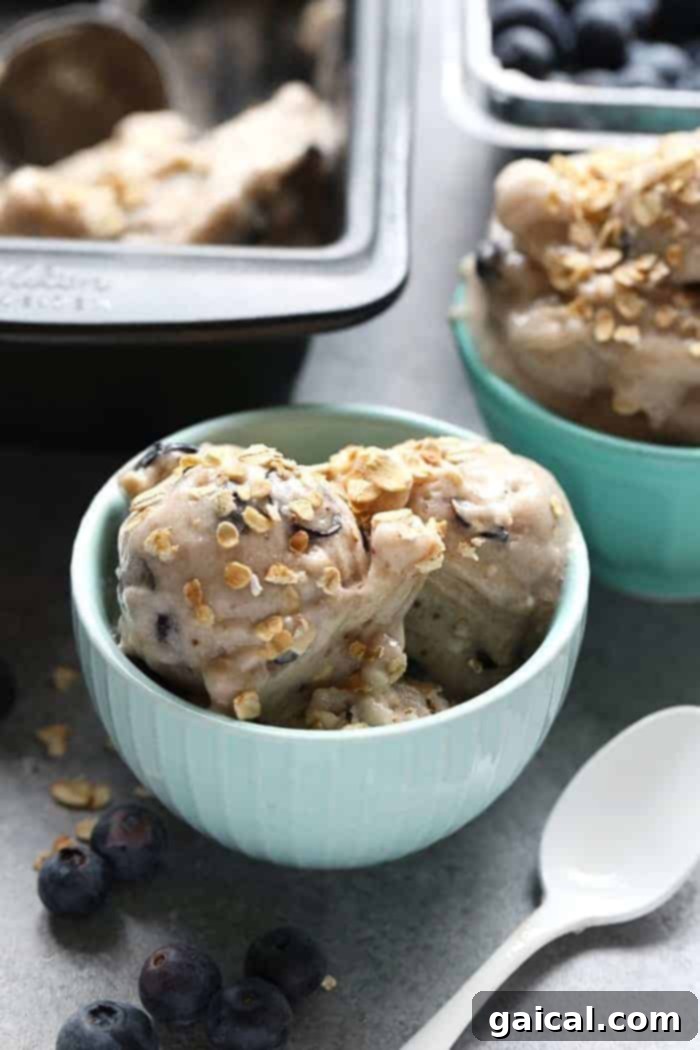
Oatmeal & Yogurt Toppings: A handful of frozen blueberries can be stirred into hot oatmeal or layered into a yogurt parfait. They will gently thaw and release their juices, adding flavor and a beautiful purple hue.
Sauces & Jams: Frozen blueberries are perfect for making quick sauces to drizzle over cheesecakes, ice cream, or pancakes. Simmer them with a touch of sugar and lemon juice for an instant compote, or cook them down further for a homemade jam or jelly.
Salads & Grains: For a refreshing pop of color and sweetness, add a few frozen blueberries to a fresh green salad or a grain bowl. They will thaw quickly and complement savory flavors beautifully.
More of our Favorite Preservation & Freezing Guides
Fruit & Veggie Freezer Tutorials
- How to Freeze Bananas
- How to Freeze Avocado
- How to Freeze Mixed Berries
- How to Freeze Strawberries
How to Freeze Blueberries: Quick Reference Recipe
A super simple tutorial for how to freeze blueberries, making them perfect for smoothies, baking, and desserts all year long.
By: Lee Funke
Prep Time: 1 hour
Cook Time: 0 minutes
Total Time: 1 hour
Servings: Approximately 4 (based on 1 pint of blueberries)
Ingredients
- 1 pint (approx. 2 cups) fresh blueberries (or more, adjust quantities as needed)
Instructions
- Prepare a baking sheet (with at least a 1/2-inch lip) by laying a piece of parchment paper or a silicone baking mat flat onto it. This prevents sticking and makes removal easy.
- Wash your fresh blueberries thoroughly with cold water in a colander. Remove any stems, leaves, or overly ripe/damaged berries during this process.
- Transfer the washed berries onto several layers of paper towels or a clean kitchen towel. Allow them to dry completely. This step is crucial to prevent ice crystals and clumping.
- Once fully dry, arrange the blueberries in a single layer on the prepared baking sheet, ensuring they are not touching each other. This is essential for individual “flash freezing.”
- Place the baking sheet in the freezer for about 30-60 minutes, or until the blueberries are completely hard and individually frozen. Freezing time may vary depending on your freezer’s efficiency.
- Remove the baking sheet from the freezer. Use a spatula to gently scrape the frozen berries off the baking sheet if they’ve stuck.
- Immediately transfer the individually frozen blueberries into a freezer-safe gallon-size bag or airtight container. Remove as much air from the bag as possible before sealing tightly to prevent freezer burn.
- Label the bag or container with the date. Store the berries in the freezer for easy access for up to 6-12 months, ready for smoothies, baking, or other delicious recipes.
Tips & Notes
- You can freeze as many pints of blueberries as you wish, simply ensure you have enough baking sheets and freezer space for the flash-freezing step.
- Always ensure berries are completely dry before freezing to avoid ice crystal formation and freezer burn.
- For baking, you can often add frozen blueberries directly to batters (like muffins or pancakes) without thawing. Toss them lightly in flour first to prevent sinking.
Nutrition (per serving, approximate for 1/4 of 1 pint)
Calories: 42 kcal, Carbohydrates: 11 g, Protein: 1 g, Fat: 0 g, Fiber: 2 g, Sugar: 7 g
Nutrition information is automatically calculated, so should only be used as an approximation.
Love this guide? Leave a comment below!
Don’t forget to tag your posts on social media with the hashtag #fitfoodiefinds – we’d love to see what delicious creations you make with your perfectly frozen blueberries!