
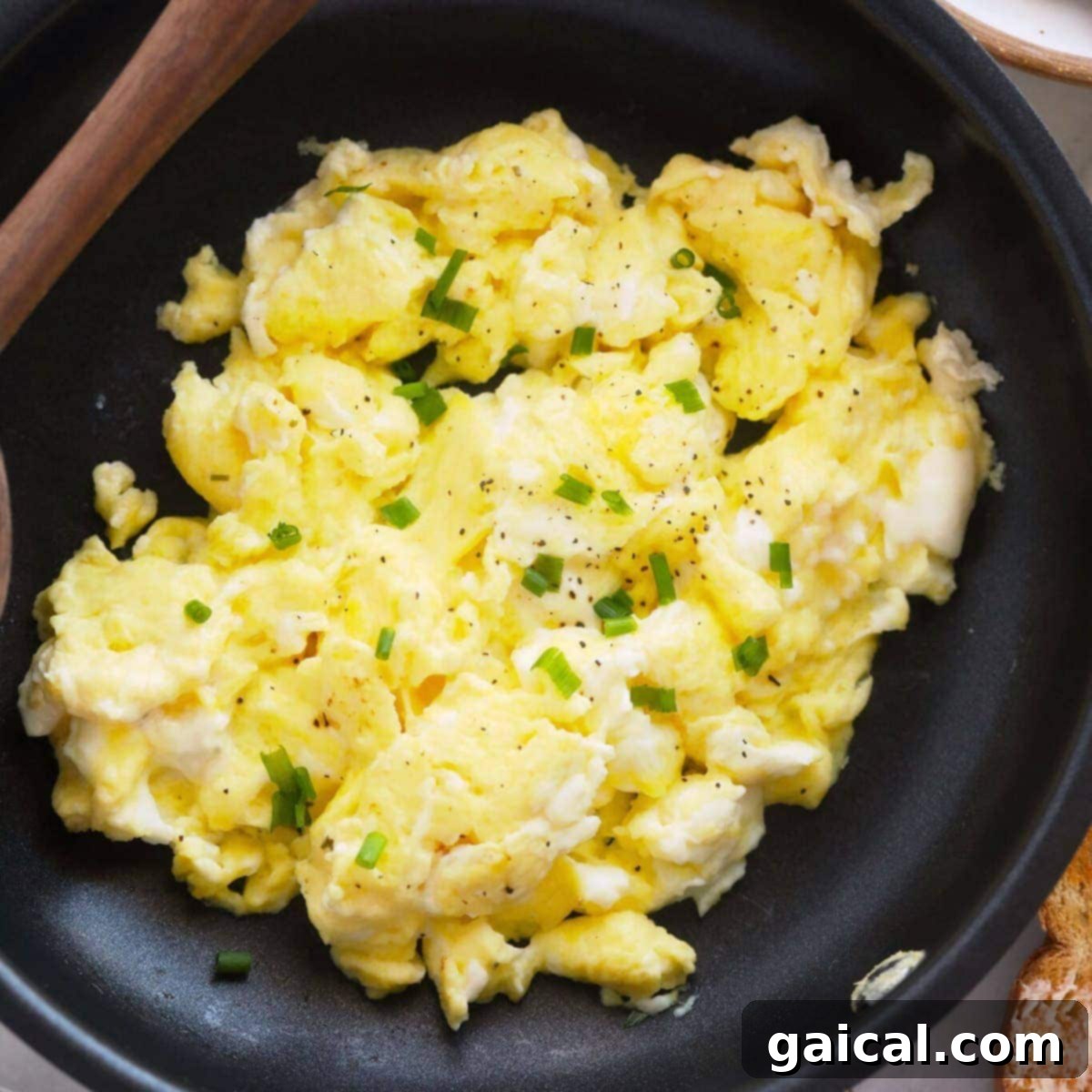
Are you ready to transform your breakfast routine? This comprehensive guide reveals the simple yet powerful secrets to making perfectly fluffy, rich, and undeniably delicious scrambled eggs every single time. Say goodbye to dry, rubbery eggs and prepare to indulge in a gourmet experience right in your own kitchen. We’ll walk you through each crucial step, from selecting the finest ingredients to mastering the gentle art of the fold, ensuring you achieve scrambled eggs that are consistently the best you’ve ever tasted. Get ready to elevate your breakfast game!
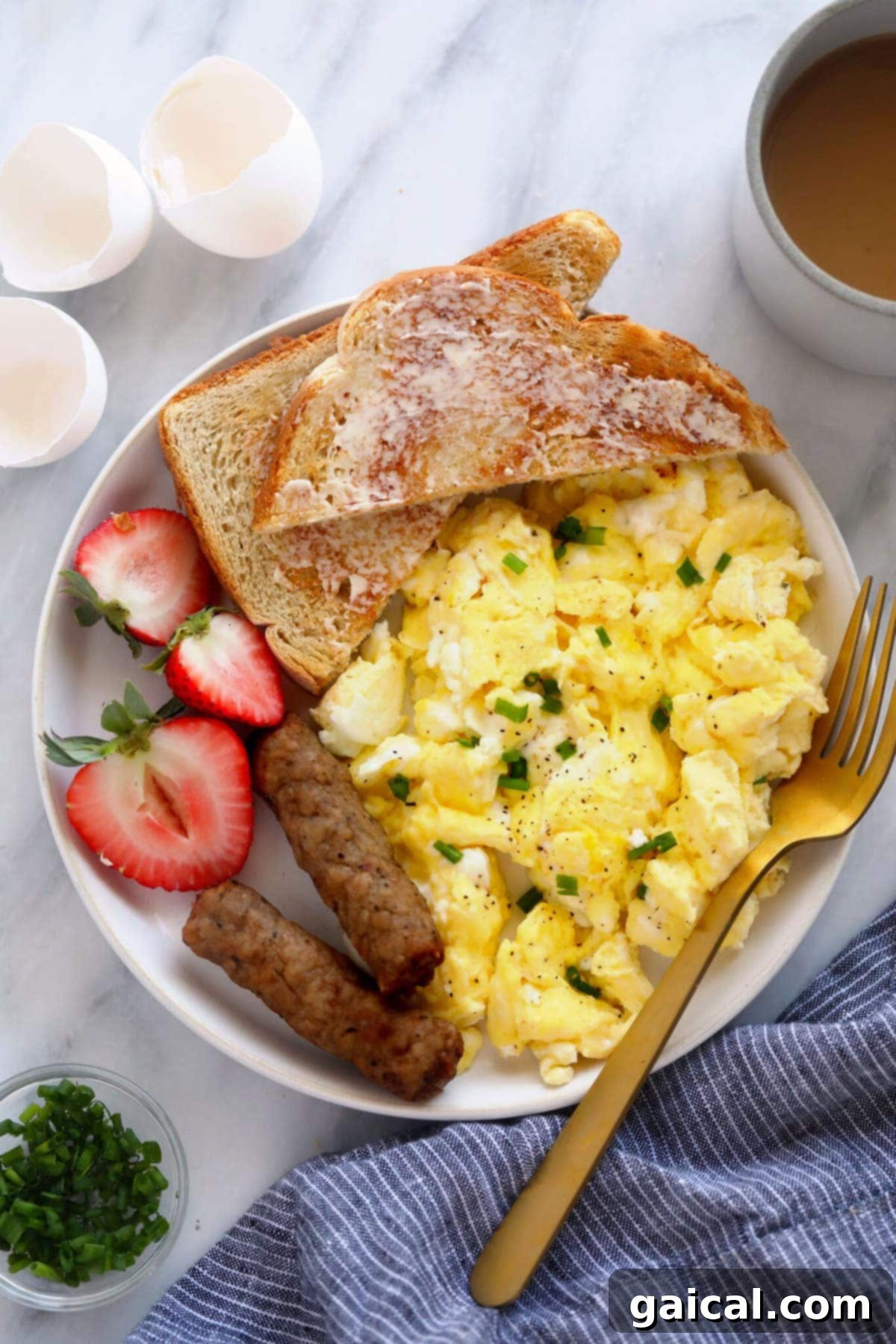
The Secret to Truly Fluffy Scrambled Eggs
Is there anything quite as comforting and satisfying as beginning your day with a plate of exquisitely cooked, impossibly fluffy scrambled eggs? We certainly don’t think so! More than just a humble breakfast staple, scrambled eggs, when prepared with the right technique, can be a genuine culinary delight. This isn’t merely a recipe; it’s an exploration into understanding the subtle nuances that transform ordinary eggs into a creamy, airy, and utterly mouthwatering masterpiece. Whether you’re a novice cook taking your first steps in the kitchen or a seasoned home chef aiming to refine your egg-making prowess, this guide is designed to ensure your scrambled eggs are consistently the best you’ve ever savored. Prepare to impress yourself and your loved ones with this remarkably easy, healthy, and incredibly delicious breakfast option that will become a new favorite.
Essential Ingredients for Perfect Scrambled Eggs
Crafting extraordinary scrambled eggs requires surprisingly few ingredients, making it an accessible and quick meal. The true artistry lies in the quality of these components and how thoughtfully they are combined. Gather these simple items, and you’ll be well on your way to breakfast perfection:
- Eggs: The unquestionable star of this dish! We typically opt for large eggs due to their consistent size, but rest assured, any size will perform beautifully. For the utmost fluffiness and a richer flavor profile, consider sourcing organic, free-range eggs if they are readily available. A valuable tip: using eggs at room temperature is often recommended as they cook more uniformly and blend more effortlessly with other liquids, ultimately contributing to a smoother, creamier texture in the final product.
- Milk (or Dairy Alternative): A modest splash of milk serves a vital role, infusing richness and aiding in the creation of that coveted creamy texture. Dairy milk with a higher fat content, such as whole milk or half-and-half, will naturally yield the creamiest and most luxurious results. For a slightly lighter yet still delightful option, 2% milk works exceptionally well, as utilized in our featured recipe. Should you desire an incredibly decadent finish, a single tablespoon of heavy cream can achieve an unparalleled richness. For dairy-free preferences, unsweetened almond milk can be used, though it might offer a different taste and texture.
- Cheese: While entirely optional, the addition of cheese can significantly elevate both the flavor and textural dimensions of your scrambled eggs. We are particularly fond of soft, easily meltable cheeses like goat cheese, cream cheese, or crumbled feta. These varieties melt seamlessly into the eggs, ensuring every bite is imbued with creamy, savory goodness. Finely shredded cheeses such as sharp cheddar, mozzarella, or Swiss are also fantastic choices; ensure they are finely grated for quicker and more uniform melting throughout the cooking process.
- Healthy Fat (Olive Oil or Butter): A good quality fat is indispensable for two primary reasons: preventing sticking and imparting a delightful flavor. Extra virgin olive oil contributes a subtle, almost fruity note, while unsalted butter delivers a classic, deeply rich taste that many associate with breakfast. Both options excel at coating the pan’s surface, ensuring your eggs slide off effortlessly. The key here is moderation – use just enough to lightly grease the pan without making the eggs feel greasy.
- Salt & Pepper: These humble seasonings are surprisingly indispensable! Freshly ground black pepper and a delicate pinch of sea salt are truly all that’s needed to enhance and bring forth the natural, inherent flavors of the eggs. Seasoning to taste is paramount, ensuring a perfectly balanced flavor profile that harmonizes with any additional ingredients you might choose to incorporate. Don’t be timid, but also be mindful not to overdo it!
- Optional Enhancements: For an extra boost of airiness and unparalleled fluffiness, some culinary experts swear by incorporating a tiny pinch of baking powder or a tablespoon of sparkling water into the egg mixture. These simple additions can create a noticeably lighter texture.
Mastering the Art: How to Make the Best Fluffy Scrambled Eggs
Achieving consistently perfectly fluffy scrambled eggs is a skill that’s far simpler to master than you might imagine. It hinges on just a few critical steps and a touch of patience. Follow this straightforward four-step process, and prepare to be rewarded with scrambled egg perfection:
Step 1: Prepare Your Pan and Whisk Your Eggs
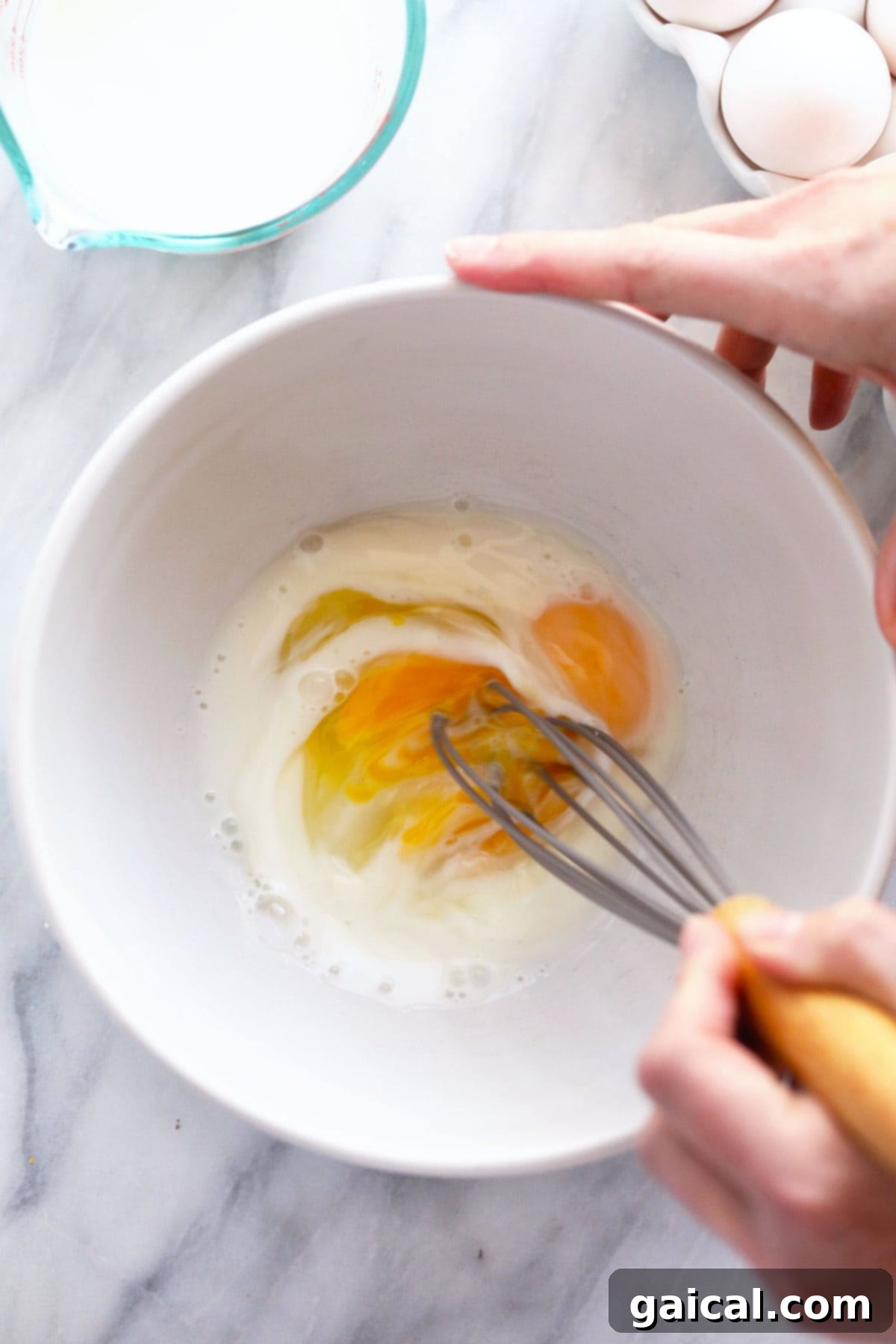
Initiate your cooking process by placing a high-quality non-stick skillet over a medium-low heat setting. The integrity of your non-stick surface is absolutely paramount for both effortless cooking and subsequent easy cleanup. If you’re familiar with your stovetop running on the hotter side, it’s always prudent to err on the side of caution and set the heat to a gentle medium-low. A mild, consistent heat is the cornerstone for preventing premature overcooking and is essential for cultivating that highly sought-after soft, custardy texture. While your pan gradually warms, crack your chosen eggs into a clean, medium-sized bowl. Incorporate the milk (or your preferred liquid) and, with either a fork or a small whisk, vigorously whisk the mixture until the yolks and whites are utterly and thoroughly combined, appearing slightly frothy and uniform in color. This crucial pre-whisking stage guarantees a consistent color and silky texture throughout your scrambled eggs, preventing any undesirable streaks of unmixed white or yellow.
Step 2: Introduce Fat and Pour the Egg Mixture
Once your skillet has reached the ideal temperature, gently add your selected cooking fat—be it half a tablespoon of fragrant olive oil or a small knob of unsalted butter. Carefully swirl the pan to ensure the entire cooking surface is evenly coated. The fat signals its readiness when the olive oil begins to subtly shimmer and release a delicate fragrance, or when the butter has fully melted and is gently bubbling without browning. At this precise moment, pour your meticulously whisked egg mixture into the very center of the preheated skillet. Crucially, resist any immediate urge to stir. Instead, allow the edges of the egg mixture to just begin setting, a process that typically takes approximately 15 to 20 seconds. This initial setting creates the foundational curds for a fluffy outcome.
Step 3: The Gentle Fold – The Key to Unrivaled Fluffiness
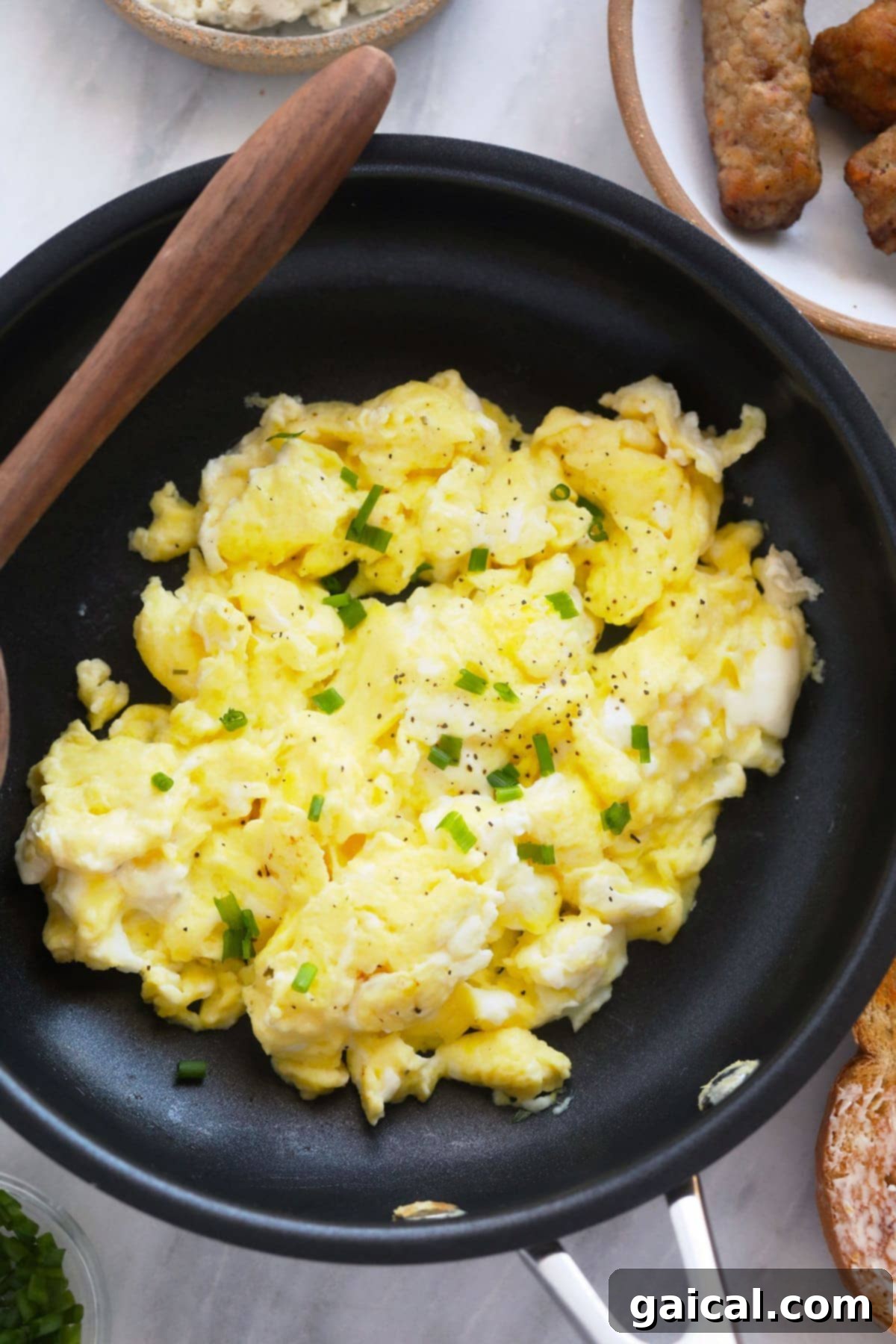
This stage is truly where the magic of fluffy scrambled eggs unfolds! As soon as the outer edges of the eggs commence their setting process, reach for a heat-resistant rubber or silicone spatula. With a delicate touch, begin to gently push and fold the cooked egg portions from the perimeter of the pan towards its center. Continue this smooth, folding motion, being careful not to aggressively flip, chop, or excessively break up the emerging curds, for approximately 2 to 3 minutes. This specific technique is instrumental in creating those desirable large, soft, and custardy curds, simultaneously incorporating air which is vital for that signature fluffy texture. It’s imperative to avoid over-stirring or vigorously scrambling, as such actions can prematurely break down the delicate curds, leading to smaller, denser, and less appealing pieces. The objective is to gently move the uncooked egg from the top layers to the warmer bottom of the pan, allowing it to cook slowly and evenly. Throughout this step, maintaining consistent, low heat is paramount—remember, cooking low and slow is always the superior path to achieving truly fluffy results.
Patience during this folding step cannot be overstated. Applying high heat cooks eggs far too rapidly, inevitably resulting in flat, dry, and often undesirably browned scrambled eggs. By embracing a low and slow cooking methodology combined with gentle folding, you enable the egg proteins to set gradually. This controlled process skillfully traps both moisture and air within the developing curds, yielding a perfectly soft, billowy texture that will quite literally melt in your mouth, leaving you craving more.
Step 4: Incorporate Cheese, Season, and Serve Immediately
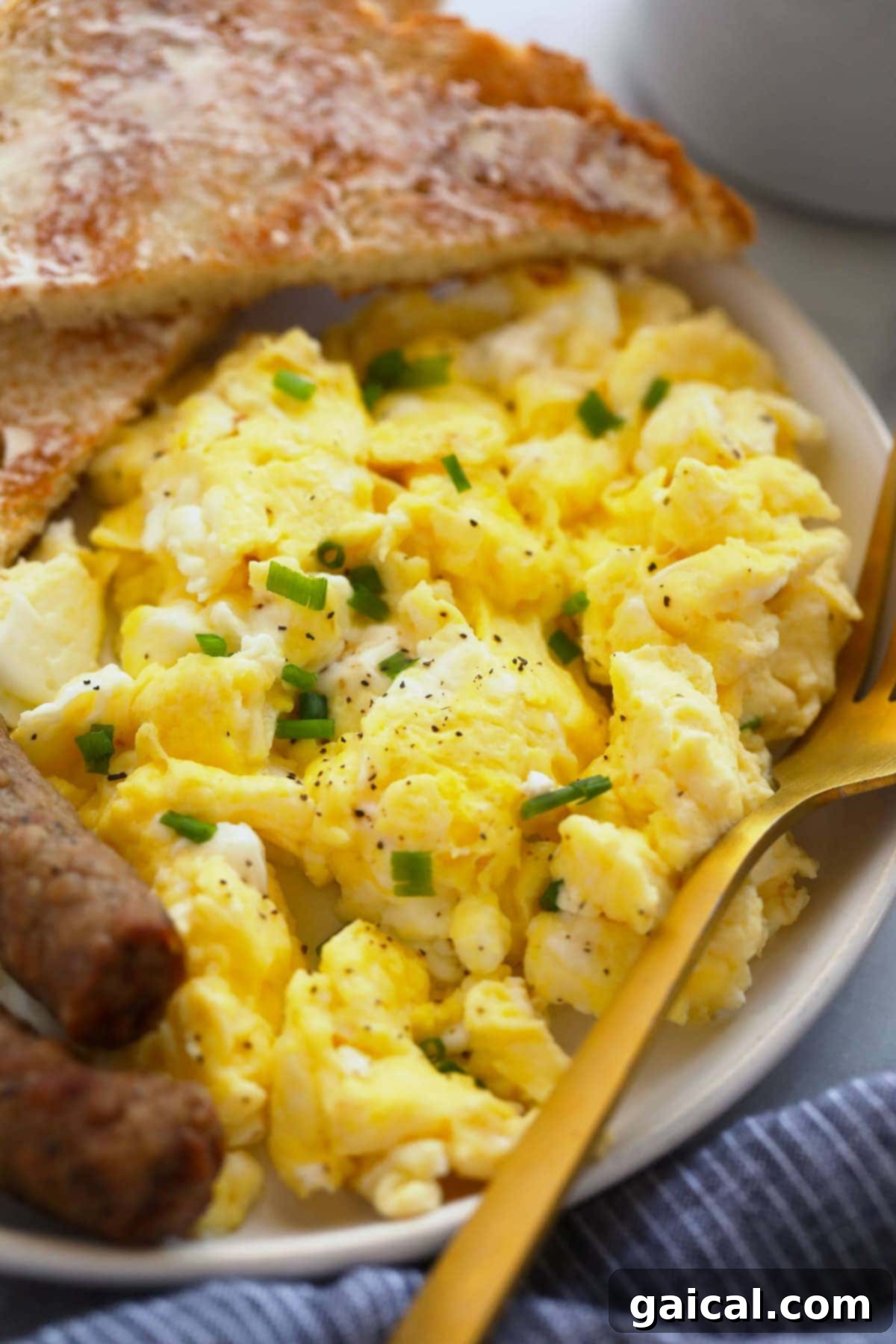
Once your eggs are mostly set but still exhibit a slight moistness in their center (they should appear approximately 80% cooked), it’s the perfect moment to generously sprinkle your chosen cheese, such as crumbled goat cheese, evenly over the eggs. Continue to gently fold the eggs for an additional minute or so. This allows the residual heat from the pan to expertly melt the cheese, seamlessly blending its creamy texture and rich flavor throughout the entire dish, while simultaneously ensuring the eggs reach your desired fluffy consistency. Critically, remove the skillet from the heat *just before* the eggs are fully set. This foresight is crucial because eggs continue to cook subtly from the pan’s latent heat even after being taken off the burner, preventing them from becoming overcooked. Finally, season your exquisite scrambled eggs generously with sea salt and freshly ground black pepper to your exact taste preference. A final, gentle stir will ensure the seasonings are perfectly distributed.
Your perfectly fluffy scrambled eggs are now complete and ready for immediate enjoyment! Serve them proudly on their own, allowing their inherent deliciousness to shine, or pair them with any of the delightful breakfast sides we heartily recommend below. Savor the exquisite fruits of your minimal labor and skill!
Pro Tips for Consistently Fluffy Scrambled Eggs
While the step-by-step guide above provides a robust foundation, these additional expert insights will help ensure your scrambled eggs are a consistent triumph, always delivering maximum flavor and perfect texture:
- Embrace the Low and Slow Method: This principle is paramount and cannot be emphasized enough. Cooking eggs over a medium-low heat setting is the most effective strategy to prevent them from drying out and tragically turning rubbery. This gentle approach allows for a more even and controlled cooking process, granting you superior command over the final texture, thereby promoting the formation of those desirable large, soft, and tender curds.
- Avoid Overcrowding the Pan: If you find yourself cooking for a larger gathering, it is always a wiser decision to cook your eggs in smaller, manageable batches. Overcrowding the skillet leads to a significant drop in temperature and can cause the eggs to steam rather than gently cook. This hinders proper texture development and prevents the desirable subtle browning that adds to the flavor.
- The Right Spatula is Your Best Friend: Invest in a high-quality, heat-resistant rubber or silicone spatula. Its inherent flexibility allows you to effortlessly scrape the bottom and sides of your pan, ensuring all egg mixture is incorporated, without risking scratches to your delicate non-stick surface. Furthermore, eggs are less likely to stick to silicone, making the folding process smoother.
- Master the Art of Early Removal: Remember that eggs possess residual heat and will continue to cook even after they have been removed from the stovetop. To prevent the dreaded overcooked, dry texture, pull your scrambled eggs off the heat when they still appear slightly wetter and are approximately 80% set compared to your desired doneness.
- Freshness Truly Counts: The quality of your primary ingredient directly impacts the outcome. The fresher your eggs, the superior the flavor and the more appealing the texture will be. Fresh eggs tend to hold their structure more effectively and result in a richer, more vibrant-looking scrambled egg dish.
- Consider a Dash of Cream for Luxury: For an exceptionally luxurious and supremely creamy texture, try substituting a tablespoon of milk with an equal amount of heavy cream. This simple swap will infuse your scrambled eggs with an unparalleled richness and a melt-in-your-mouth quality.
- Finish with Fresh Herbs: Just before serving, a final flourish of finely chopped fresh herbs like chives, parsley, or dill can add an invigorating burst of fresh flavor and a beautiful, vibrant pop of color, elevating the dish visually and aromatically.
Elevate Your Breakfast: Scrambled Eggs Mix-Ins
One of the most appealing aspects of a seemingly simple scrambled egg recipe is its remarkable versatility. While undeniably delicious on their own, scrambled eggs serve as an exceptional culinary canvas for an extensive variety of flavorful additions. Here are some of our most cherished methods for jazzing them up, effortlessly transforming them into a more substantial, exciting, and personalized meal:
Savory Vegetables for a Healthy Boost
Incorporating sautéed vegetables not only enhances the flavor profile but also significantly boosts the nutritional content of your scrambled eggs. For tougher, firmer vegetables like onions or bell peppers, it’s advisable to pre-cook them slightly until tender before introducing the eggs. Softer vegetables, such as spinach or tomatoes, can often be added directly to the pan with the eggs.
- Classic Combinations: Finely diced bell peppers (any vibrant color), sweet or yellow onions, earthy mushrooms, wilted fresh spinach, or halved cherry tomatoes.
- Garden Fresh & Seasonal: Tender asparagus tips, small broccoli florets, thinly sliced zucchini, or massaged kale for added greens.
- For a Spicy Kick: Finely diced jalapeños (seeds removed for less heat), or a generous sprinkle of red pepper flakes for a noticeable warmth.
Hearty Meats to Power Your Day
Effortlessly transform your scrambled eggs into a truly fulfilling and protein-rich meal by incorporating your favorite cooked meats. This approach is also an ingenious way to utilize delicious leftovers from previous meals, minimizing waste and maximizing flavor!
- Quintessential Breakfast Staples: Crispy crumbled bacon, savory sausage (either patties or links, diced), or finely diced cured ham.
- Reimagined Lunch/Dinner Leftovers: Tender shredded chicken breast or thighs, succulent diced steak, or well-seasoned ground beef or turkey.
- Smoked Delights: A delicate sprinkle of flaked smoked salmon can introduce a sophisticated, gourmet dimension to your breakfast.
Cheesy Perfection: Expanding Your Options
Our affection for soft, meltable cheeses in scrambled eggs is well-established, but the spectrum of possibilities for cheese additions is genuinely endless. The primary consideration remains: how well does the cheese melt and integrate into the eggs?
- Classic Shredded Varieties: Robust sharp cheddar, mild and creamy mozzarella, versatile Monterey Jack, or a vibrant Colby-Jack blend.
- Creamy & Tangy Accents: Tangy goat cheese, rich cream cheese (cut into small cubes for quicker melting), or crumbly feta for a delightful Mediterranean influence.
- Gourmet Selections: Nutty Gruyere, mild Swiss, or a fine grating of Parmesan cheese to impart a deeper, more umami-rich flavor.
Fresh Herbs and Spices for an Aromatic Finish
Never underestimate the transformative power of fresh herbs and a thoughtful dash of spice. These simple additions can brilliantly brighten, deepen, and refine the flavor profile of your scrambled eggs, taking them from good to truly exceptional.
- Bright & Fresh Herbaceousness: Finely chopped fresh chives, vibrant parsley, delicate dill, or aromatic cilantro (especially ideal for a Mexican-inspired flair).
- Warm & Earthy Undertones: A tiny pinch of turmeric, which not only adds a beautiful golden hue but also a subtle, earthy flavor, or a dash of smoked paprika for a smoky depth.
- Controlled Heat Factor: For those who appreciate a kick, a dash of your favorite hot sauce or a tiny pinch of cayenne pepper can be mixed directly into the egg mixture before cooking.
Frequently Asked Questions About Scrambled Eggs
Do you have more burning questions about achieving scrambled egg nirvana? We’re here to provide clarity and expertise!
What kind of milk or liquid can I use for scrambled eggs?
For the absolute creamiest and richest scrambled eggs, our strongest recommendation is to use full-fat dairy milk or, for an even more luxurious result, a generous splash of heavy cream. The fat content in these dairy products is a significant contributor to the exceptionally smooth and decadent texture. However, rest assured that 2% milk performs admirably, striking an excellent balance between creaminess and a lighter feel. If you are navigating dietary restrictions, unsweetened almond milk can serve as a suitable dairy-free alternative, though it’s worth noting that it may not impart the identical level of richness or traditional flavor. Interestingly, a lesser-known but effective technique employed by some professional chefs involves using a tablespoon of water or sparkling water; they believe this method creates a distinctly lighter, fluffier texture without diluting the inherent egg flavor. We encourage you to experiment to discover your personal preference!
Which cheese is truly the best for scrambled eggs?
Defining the “best” cheese is ultimately a delightful journey of personal taste and preference. However, for optimal melting characteristics and superb flavor distribution, we consistently gravitate towards soft, pliable cheeses. Goat cheese and cream cheese stand out as our absolute favorites, prized for their ability to melt into a silky consistency and for their delightful tangy notes. Crumbled feta also works remarkably well, offering a salty, slightly briny counterpoint. If your palate favors harder cheeses, varieties like finely shredded sharp cheddar, Monterey Jack, Swiss, or Gruyere will also melt beautifully and seamlessly into your eggs. The overarching goal is to select a cheese that integrates harmoniously with the eggs, rather than remaining in distinct, unmelted clumps, ensuring a cohesive and delicious outcome.
Can I double or triple this scrambled egg recipe successfully?
Without a doubt, yes! This particular recipe is exceptionally adaptable and scales up with remarkable ease. If you find yourself cooking for a larger party or simply desire a more substantial serving, feel completely free to double, triple, or even quadruple the ingredients. The single most important consideration when increasing the recipe is ensuring that your chosen non-stick skillet is generously sized enough to comfortably accommodate the increased volume of eggs without any overcrowding. If the pan is too small, the eggs will not cook evenly, and you risk ending up with a denser, less desirable texture. When significantly increasing the recipe, you might also need to extend the cooking time by an additional minute or two, always remembering to maintain the gentle folding technique throughout the process.
How do I prevent my scrambled eggs from becoming rubbery and dry?
Rubbery or dry scrambled eggs are almost always a tell-tale sign of either overcooking or cooking them at an excessively high temperature. To adeptly prevent this common culinary misstep, always cook your eggs over a consistent medium-low heat. A critical technique is to remove them from the heat when they are still noticeably moist and appear to be about 80% set. This foresight accounts for the residual heat in the pan, which will continue to gently cook the eggs to perfection. The gentle folding technique, meticulously described in Step 3, is also invaluable in preventing rubberiness by actively promoting the formation of larger, softer, and more tender curds, rather than small, tough, and unappetizing pieces.
What kind of pan should I specifically use for making scrambled eggs?
Your ultimate companion for crafting perfect scrambled eggs is a high-quality non-stick skillet. This type of pan is absolutely crucial as it guarantees that the eggs will not adhere to the bottom, allowing them to glide freely and ensuring a remarkably easy cleanup process. For preparing 2-4 eggs, an 8-inch or 10-inch non-stick skillet is typically the ideal size. However, if you plan on doubling or even tripling the recipe, a larger 12-inch skillet would be a much more appropriate choice to prevent overcrowding and ensure even cooking.
Delightful Pairings: What to Serve with Scrambled Eggs
Scrambled eggs are an incredibly versatile and accommodating breakfast component that pairs beautifully with an extensive array of delectable sides. Here are some thoughtfully curated ideas to help you complete and elevate your morning meal:
- Classic Carbs: Crispy, golden-brown toast, warm and chewy bagels, fluffy English muffins, or delicate, flaky croissants.
- Crispy Bacon or savory sausage links/patties for a satisfying protein boost.
- Fruity Freshness: A colorful and invigorating bowl of mixed fresh berries, perfectly sliced avocado for healthy fats, or a vibrant fruit salad.
- Sheet Pan French Toast or fluffy pancakes for an irresistible sweet and savory combination.
- Cinnamon Roll Waffles or Banana Oatmeal Pancakes for a delightful twist.
- Wholesome and Hearty Sides: Perfectly roasted potatoes, irresistibly crispy hash browns, or a light and refreshing green salad dressed with a bright vinaigrette for an unexpected touch.
- Greek Yogurt and Steel Cut Oatmeal Parfait or Blueberry Orange Granola served with your favorite yogurt.
- Refreshing Beverages: A glass of freshly squeezed orange juice, a comforting cup of coffee, your favorite tea, or a nutritious and invigorating Healthy Smoothie.
Discover More Delicious Ideas:
More Healthy and Delicious Egg-Based Breakfasts
- Perfect Hard Boiled Eggs
- Instant Pot Egg Bites
- Sheet Pan Sweet Potato Hash
- Salmon and Eggs Scramble
- ALLRecipes with Eggs
Perfectly Fluffy Scrambled Eggs Recipe
Unlock the secret to consistently fluffy and delicious scrambled eggs with this easy, step-by-step recipe. Master the techniques for a gourmet breakfast at home!
Print Recipe
Ingredients
- 2 large eggs (preferably at room temperature for best texture)
- 2 tablespoons 2% milk, whole milk, or heavy cream for extra richness
- 1/2 tablespoon olive oil or unsalted butter
- 1 tablespoon goat cheese, crumbled, or your favorite soft cheese (e.g., cream cheese, feta)
- Salt and freshly ground black pepper, to taste
Instructions
- Heat a high-quality non-stick skillet over medium-low heat. Ensure the heat is gentle and consistent to prevent rapid cooking and achieve a soft texture.
- While the pan preheats, whisk together the eggs and milk vigorously in a bowl until they are thoroughly combined, uniform in color, and slightly frothy.
- Add the olive oil (or butter) to the heated pan. Once the oil shimmers or the butter is fully melted and lightly fragrant, pour the whisked egg mixture into the center of the skillet.
- Allow the eggs to partially set around the edges of the pan for approximately 15-20 seconds without stirring.
- Using a heat-resistant rubber or silicone spatula, gently push and fold the cooked egg from the edges towards the center of the pan. Continue this gentle folding motion for 2-3 minutes, aiming to create large, soft curds. Avoid aggressive stirring or flipping.
- When the eggs are mostly set but still appear slightly moist in the center (about 80% cooked), add the crumbled goat cheese. Continue to fold gently until the cheese is beautifully melted and the eggs are cooked to your desired fluffy consistency.
- Remove the skillet from the heat immediately. Season generously with sea salt and freshly ground black pepper to taste. Give a final gentle stir to ensure seasonings are evenly distributed.
- Serve your perfectly fluffy scrambled eggs hot and enjoy this delicious breakfast!
Nutrition Information (Approximate per Serving)
Calories: 231 kcal,
Carbohydrates: 1 g,
Protein: 14 g,
Fat: 19 g,
Fiber: 0 g,
Sugar: 1 g
Nutrition information is an estimation and can vary based on specific ingredients and preparation methods. It should only be used as an approximation and is not a substitute for professional nutritional advice.
Loved this recipe? Share your thoughts in the comments below!
Don’t forget to tag your delicious creations on social media with #fitfoodiefinds – we’d absolutely love to see what you’re cooking up!