
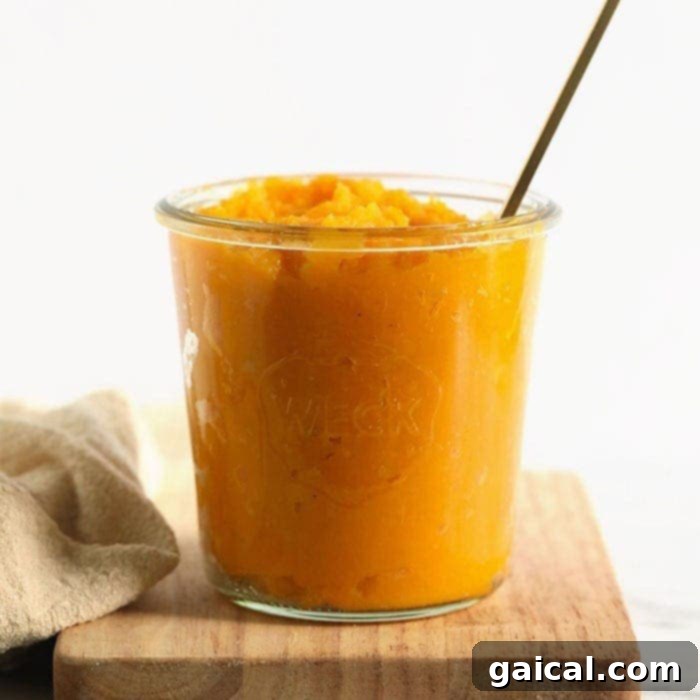
Homemade Butternut Squash Puree: Your Ultimate Fall & Winter Kitchen Essential
Embrace the vibrant flavors of autumn and winter with homemade butternut squash puree, a truly indispensable ingredient for your seasonal cooking. This velvety smooth puree isn’t just a delicious standalone side; it’s a culinary chameleon that seamlessly integrates into an array of dishes, elevating everything from hearty soups and comforting baked goods to nourishing baby food. Learning how to prepare and store this golden goodness at home is a game-changer, ensuring you always have a healthy, flavorful base ready to transform your harvest time meals.
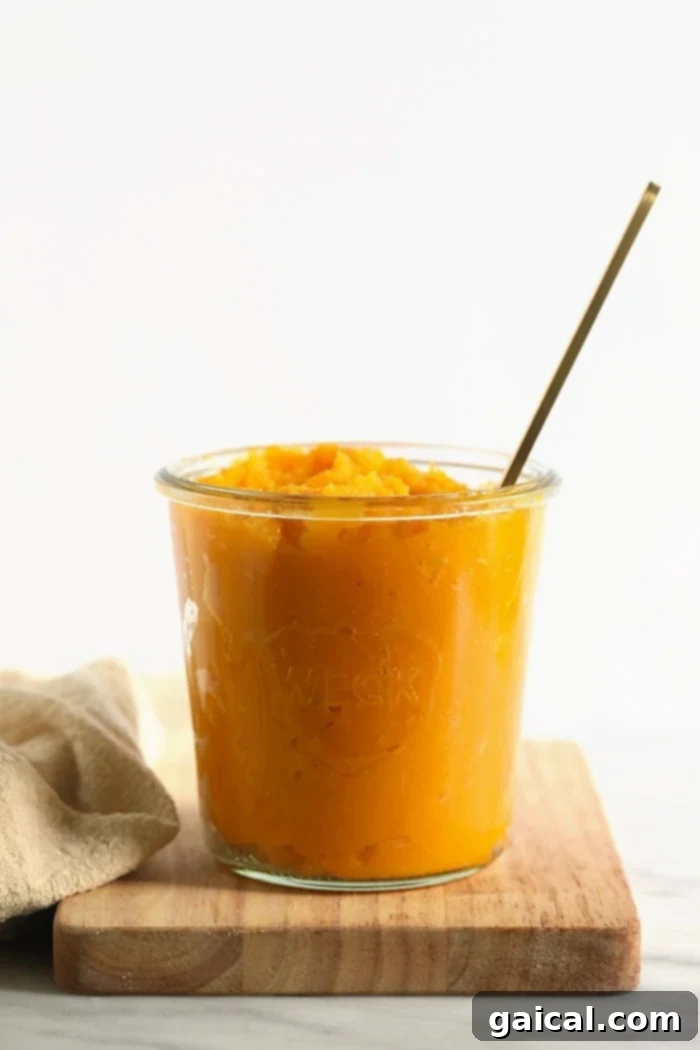
Squash Season is Finally Here: Celebrating the Butternut Squash
The crisp air and changing leaves signal one of the most anticipated culinary seasons: squash season! As grocery store aisles and farmers’ markets overflow with a delightful assortment of gourds, there’s one particular star that always shines brightest: the butternut squash. Its distinctive pear shape, firm skin, and sweet, nutty orange flesh make it a fall and winter staple. Butternut squash is not only delicious but also packed with nutrients, including high levels of Vitamin A, Vitamin C, potassium, and fiber, making it a healthy addition to any diet.
Here in Minneapolis, it’s impossible to miss the abundance of butternut squash, inspiring countless seasonal recipes. This year, we’re diving deep into all things butternut squash, starting with this essential guide to making the perfect puree. Whether you’re a seasoned cook or just beginning to explore the joys of seasonal produce, mastering butternut squash puree will open up a world of culinary possibilities. It’s the foundational ingredient that will help you infuse that signature sweet and earthy flavor into a myriad of dishes.
Before you can create your luscious puree, you’ll need to prepare your butternut squash. If you’re looking for efficient methods to get your squash perfectly tender, we highly recommend our roasted butternut squash in the Instant Pot recipe for a quick and easy approach, or our comprehensive guide on how to roast butternut squash in the oven for a classic, caramelized flavor. Once your squash is roasted to perfection, you’re just a few steps away from creating this incredibly versatile puree – quite possibly the most adaptable form of this magnificent winter squash.
How to Achieve the Perfect Butternut Squash Puree
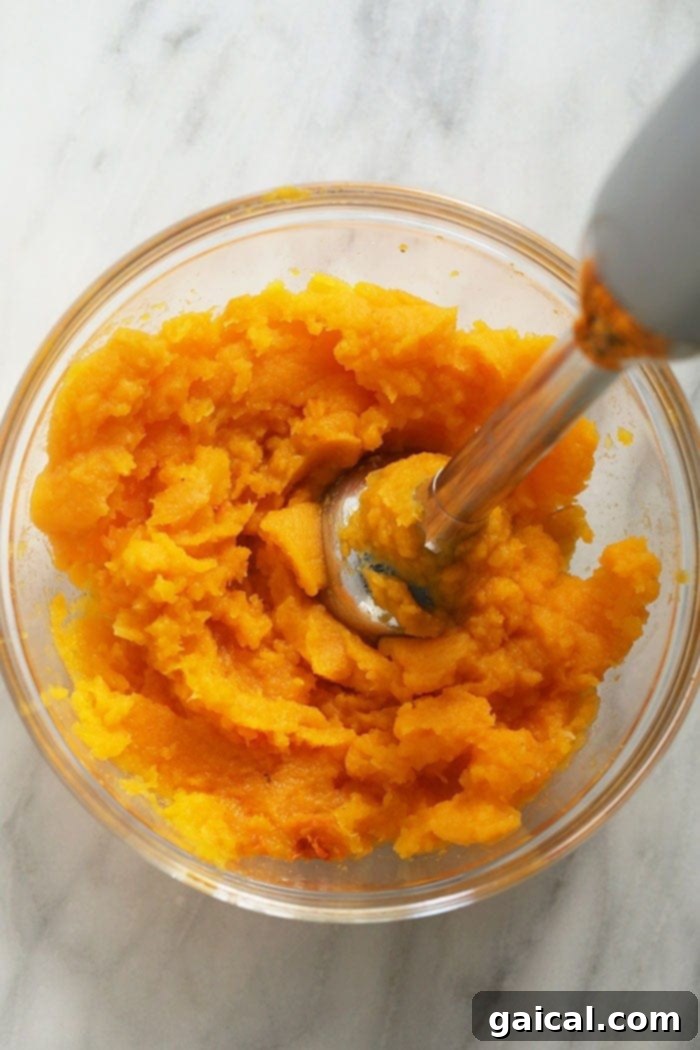
Creating a silky-smooth butternut squash puree is simpler than you might think, especially with the right tools. While various methods exist, an immersion blender (also known as a stick blender or emulsifier blender) is undoubtedly the star player for this task. If you don’t already own one, now is an excellent time to invest in this versatile kitchen gadget. It makes the pureeing process incredibly easy and allows you to blend the squash directly in the pot or container you plan to store it in, minimizing cleanup.
Step-by-Step Guide to Pureeing:
- Prepare Your Cooked Squash: Ensure your butternut squash is fully cooked and tender. Whether you’ve roasted it, steamed it, or cooked it in an Instant Pot, the flesh should be soft enough to easily scoop out with a spoon. Allow it to cool slightly before handling.
- Choose Your Tool:
- Immersion Blender: For the smoothest, easiest process, transfer your cooked butternut squash flesh into a deep bowl or the pot you used for cooking. Submerge the immersion blender, and blend until completely smooth and free of lumps. You may need to add a tablespoon or two of water, broth, or even milk (dairy or non-dairy) to achieve your desired consistency, especially if the squash seems too thick.
- Traditional Blender: While effective, a traditional blender can sometimes be a bit more challenging. The thick squash can stick to the sides, requiring frequent scraping. If using a standard blender, work in batches, adding a small amount of liquid as needed to help it blend smoothly. Blend until a uniform, creamy texture is achieved.
- Food Processor: A food processor is another viable option, particularly for smaller batches. Like a traditional blender, you might need to process the squash in stages, pausing to scrape down the sides. It will produce a very fine puree, though perhaps not quite as perfectly smooth as an immersion blender can deliver.
- Adjust Consistency: Once blended, assess the consistency. If it’s too thick, add more liquid (water, vegetable broth, or even a splash of cream for richness) a teaspoon at a time, blending after each addition until it reaches your preferred texture. For baby food, you might want it thinner, while for baking, a thicker puree is often ideal.
The key to a perfect puree is patience and ensuring all lumps are gone. An immersion blender truly streamlines this, making homemade butternut squash puree a stress-free addition to your kitchen repertoire.
Unlock Culinary Creativity: How to Use Butternut Squash Puree
The true magic of butternut squash puree lies in its incredible versatility. Its naturally sweet, subtly nutty flavor and creamy texture make it an outstanding ingredient for both savory and sweet dishes. Beyond being a simple side dish, this puree can become the foundation for countless delicious meals, making it a must-have during the cooler months.
Delicious Applications for Butternut Squash Puree:
- Soups and Stews: It’s an ideal base for rich, velvety soups. Its creamy texture provides body and a delightful sweetness without needing heavy cream. Try it in a comforting 30-minute spicy butternut squash soup, or use it to thicken and enrich chicken or vegetable stews.
- Baked Goods: Just like pumpkin puree, butternut squash puree is fantastic in baking. It adds moisture, natural sweetness, and a lovely golden hue to muffins, breads, cakes, and even brownies. Feel free to substitute it 1:1 for pumpkin or sweet potato puree in many recipes. Consider these delicious ideas:
- Chocolate Pumpkin Muffins (simply swap the pumpkin for butternut squash!)
- Pumpkin Chocolate Chip French Toast Cups
- Grain Free Pumpkin Brownies
- It also works wonderfully in quick breads, pancakes, and waffles for a fall-inspired breakfast.
- Savory Meals: Incorporate it into main courses for added nutrition and flavor.
- Pasta Sauces: Blend it with herbs, garlic, and a touch of cheese for a creamy, healthier pasta sauce that rivals traditional cream-based options.
- Risotto: Stir in a generous dollop of puree at the end of cooking risotto for an incredibly creamy, flavorful dish.
- Buddha Bowls & Grain Bowls: Serve it as a warm, comforting base or a flavorful dressing in vibrant buddha bowls alongside roasted vegetables, grains, and protein.
- Casseroles: Mix it into savory casseroles, like our healthy hamburger casserole, to add depth and moisture.
- Curries & Stews: It can thicken and sweeten Indian or Thai-inspired curries, providing a rich, aromatic base.
- Dips & Spreads: Combine with spices, tahini, and lemon for a unique hummus alternative, or spread on toast with a sprinkle of feta.
- Smoothies: Yes, even smoothies! A spoonful of chilled puree adds creaminess, fiber, and subtle sweetness to your morning blend without overpowering other flavors.
- Baby Food: For parents, homemade butternut squash puree is a fantastic first food for babies. It’s naturally sweet, nutrient-dense, and easy to digest. You can even batch cook and freeze it in small portions.
With a batch of homemade butternut squash puree in your fridge or freezer, you’ll be well-equipped to create nutritious and flavorful meals all season long.
Storing Your Butternut Squash Puree for Future Delights
One of the great advantages of making homemade butternut squash puree is its excellent shelf life and freezer-friendliness. Proper storage ensures you can enjoy your efforts for weeks or even months to come, making meal prep a breeze and reducing food waste. Planning ahead with a large batch means you’ll always have this versatile ingredient on hand.
Refrigeration:
Once your butternut squash puree has cooled completely to room temperature, transfer it to a clean, airtight container. Stored in the refrigerator, it will maintain its freshness and quality for 3-5 days. Always ensure the container is sealed tightly to prevent any absorption of odors from other foods in the fridge and to maintain its optimal flavor and texture.
Freezing for Long-Term Storage:
For longer-term storage, freezing is an excellent option that preserves the puree for up to 3 months, and sometimes even longer without significant loss of quality. Here’s how to do it effectively:
- Cool Completely: Allow the puree to cool completely before freezing. Freezing warm food can lower the temperature of your freezer and affect other items.
- Portioning: For convenient thawing and use in smaller quantities, pour your butternut squash puree into ice cube trays. This method is particularly useful for baby food, adding to smoothies, or for small additions to sauces.
- Initial Freeze: Freeze the puree in the ice cube trays until solid (typically a few hours or overnight).
- Transfer to Container: Once frozen solid, pop the individual butternut squash cubes out of the trays. Transfer these frozen cubes into a freezer-safe, airtight container or heavy-duty freezer bags. Label the container with the date of freezing.
- Why this method? Freezing in individual portions prevents you from having to thaw an entire large batch when you only need a small amount, saving time and preventing waste.
Thawing Frozen Butternut Squash Puree:
To use your frozen butternut squash puree, the best and safest method is to thaw it slowly. Simply transfer the desired amount of frozen puree (cubes or a larger block) from the freezer to the refrigerator overnight. This allows ample time for it to fully thaw. Once thawed, stir well before using, as some separation might occur. Use thawed puree within 2-3 days and do not refreeze once thawed.
Having a stash of homemade butternut squash puree ready to go is a fantastic way to simplify healthy cooking and enjoy the tastes of fall and winter year-round.
Explore More Delicious Butternut Squash Recipes
Now that you’re a pro at making butternut squash puree, you might be eager to explore even more ways to enjoy this incredible vegetable. From hearty salads to satisfying breakfasts, butternut squash offers a diverse range of culinary possibilities that cater to every meal of the day. Dive into these other fantastic recipes that celebrate the unique flavor and versatility of butternut squash:
- How to Cut and Roast Butternut Squash: Master the basics of preparing butternut squash for any recipe.
- Butternut Squash Buddha Bowls: A vibrant and nutritious meal featuring roasted butternut squash as a star ingredient.
- Roasted Butternut Squash Kale Salad: A refreshing and hearty salad combining sweet squash with earthy kale and tangy goat cheese.
- 30-Minute Spicy Butternut Squash Soup: A quick and flavorful soup that’s perfect for a cozy weeknight.
- Harvest Blackberry and Butternut Squash Salad: An elegant salad featuring seasonal fruits and vegetables, perfect for entertaining.
- Butternut Squash and Sausage Breakfast Hash: A comforting and protein-packed breakfast or brunch option.
These recipes demonstrate just how adaptable butternut squash can be, ensuring you’ll never run out of delicious ways to enjoy this nutritious vegetable throughout the colder months.
★★★★★ 5 from 1 vote
Homemade Butternut Squash Puree
This butternut squash puree is the perfect base for soups, sauces, and side dishes! Made in under 30 minutes, it’s a great way to add flavors of fall comfort to your meals.
By: Lee Funke
Ingredients
- 1 butternut squash
Instructions
- Begin by preparing the butternut squash to be peeled. Cut off the stem-end of the butternut squash to create a flat surface.
- Place the flat end of the butternut squash flush with a cutting board and carefully peel the skin off using a very sharp knife or a sturdy vegetable peeler. Discard the butternut squash peel.
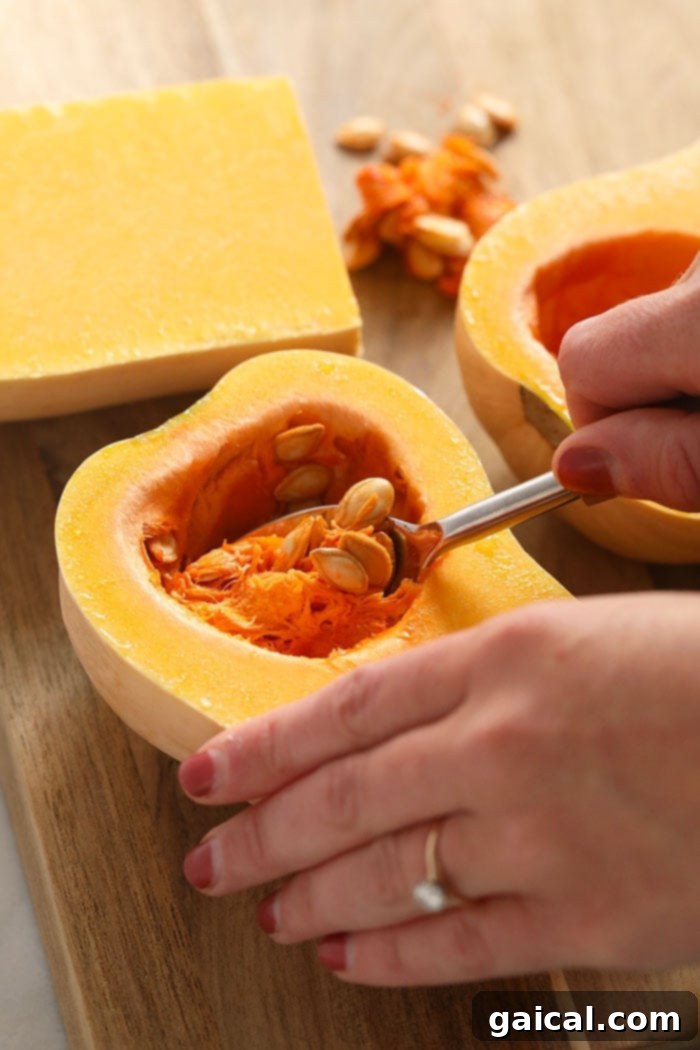
- Prepare the butternut squash for cooking by cutting it in half lengthwise (hot dog style) and scooping out all the seeds and fibrous innards with a spoon.
- Cook the butternut squash until fork-tender. This can be done by following the directions for roasting it in the oven or cooking it in the Instant Pot.
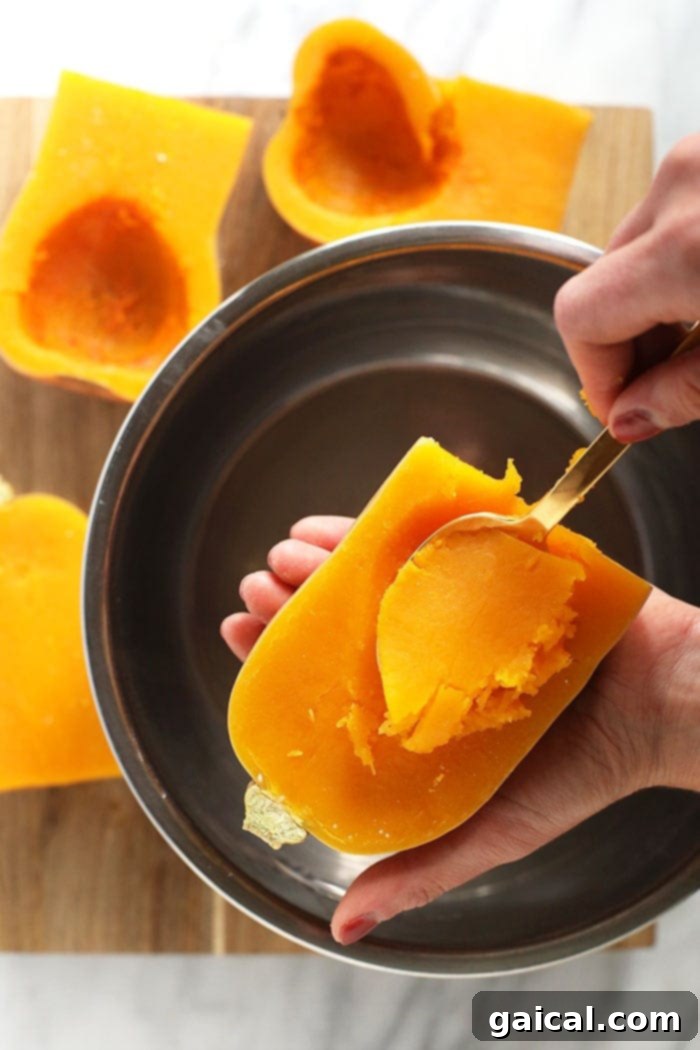
- When the butternut squash is cooked and slightly cooled, scoop out the flesh and place it into a deep bowl or pot. Use a handheld immersion blender to blend the butternut squash until it is completely smooth and free of any lumps. Add a small amount of water or broth if needed to achieve desired consistency.
- Use immediately, or let the butternut squash puree cool completely before pouring it into an airtight container. Store it in the refrigerator for up to 5-7 days or freeze it for up to 3 months for long-term enjoyment.
Tips & Notes
- *For blending, placing the cooked butternut squash into a traditional blender or food processor would also work effectively, though it might require working in batches for larger quantities.
- To adjust thickness: If your puree is too thick, add a tablespoon of water, vegetable broth, or plant-based milk at a time until it reaches your desired consistency. If it’s too thin, you can gently simmer it on the stovetop over low heat to reduce some of the moisture, stirring frequently.
Nutrition Information (Approximate)
Calories: 156 kcal, Protein: 2 g, Fat: 0 g, Fiber: 5 g, Sugar: 18 g
Nutrition information is automatically calculated and should only be used as an approximation.
Love this? Leave a comment below!
Don’t forget to tag your posts on social media with the hashtag #fitfoodiefinds, we’d love to see what you’re up to!