
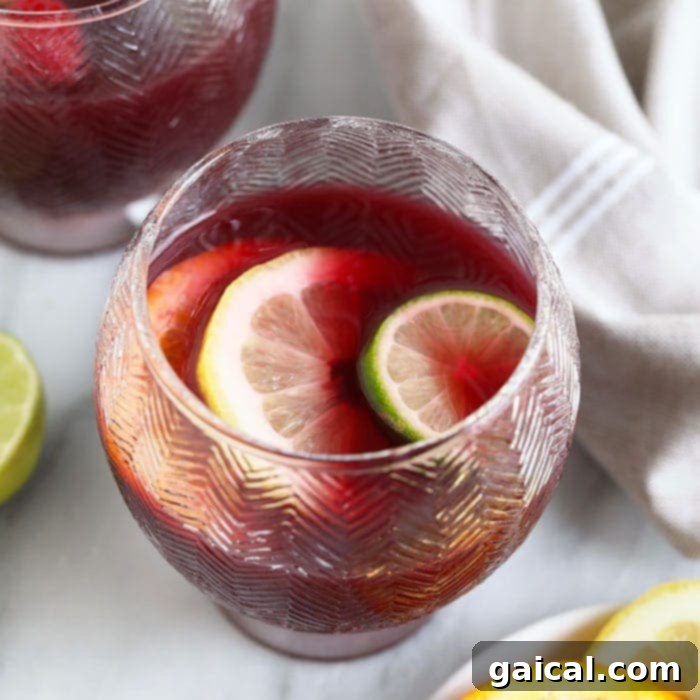
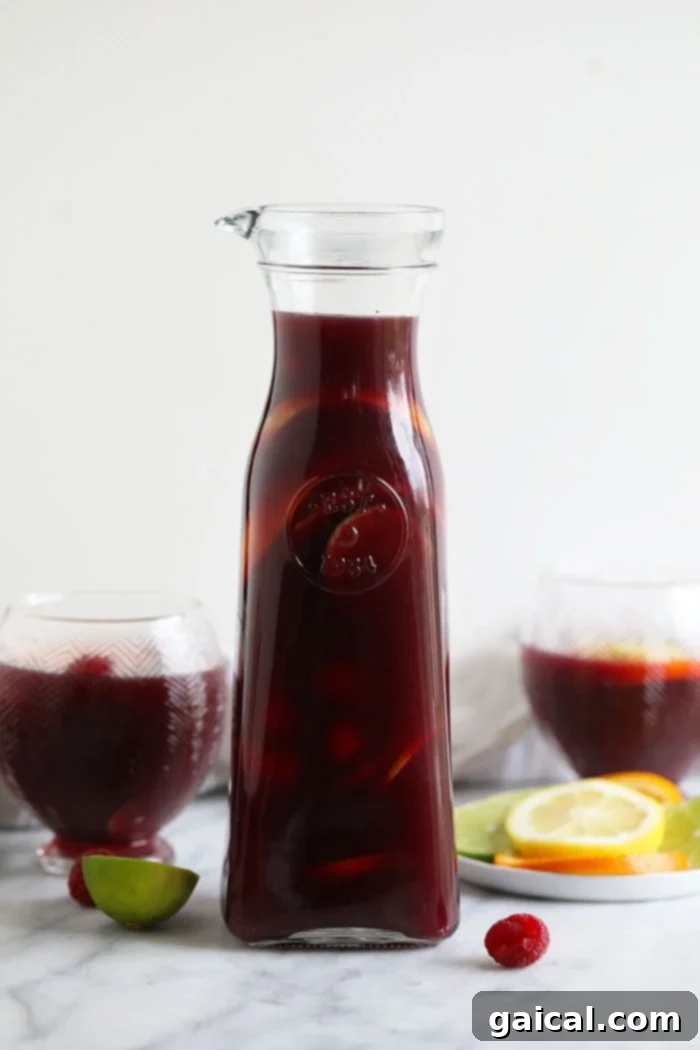
There’s nothing quite like a pitcher of vibrant, fruit-infused red wine sangria to kick off a celebration or simply unwind on a warm evening. This classic Spanish concoction, with its delightful blend of rich red wine, sweet orange juice, a hint of rum, and an abundance of fresh citrus slices, is not just a drink – it’s an experience. Our easy red wine sangria recipe is designed to be your go-to, ensuring a perfectly balanced and incredibly refreshing beverage every time. Forget store-bought mixes; crafting your own sangria at home is surprisingly simple and infinitely more rewarding, allowing you to tailor every sip to your preference.
Whether you’re hosting a lively holiday party, a casual backyard barbecue, or an intimate get-together with friends, a homemade pitcher of sangria is guaranteed to be a crowd-pleaser. Its inviting aroma and beautiful presentation make it an instant focal point. And for those special occasions, don’t miss our other festive beverage ideas, like these delightful Festive Hot Toddies and our comforting Spiced Raspberry Mulled Wine.
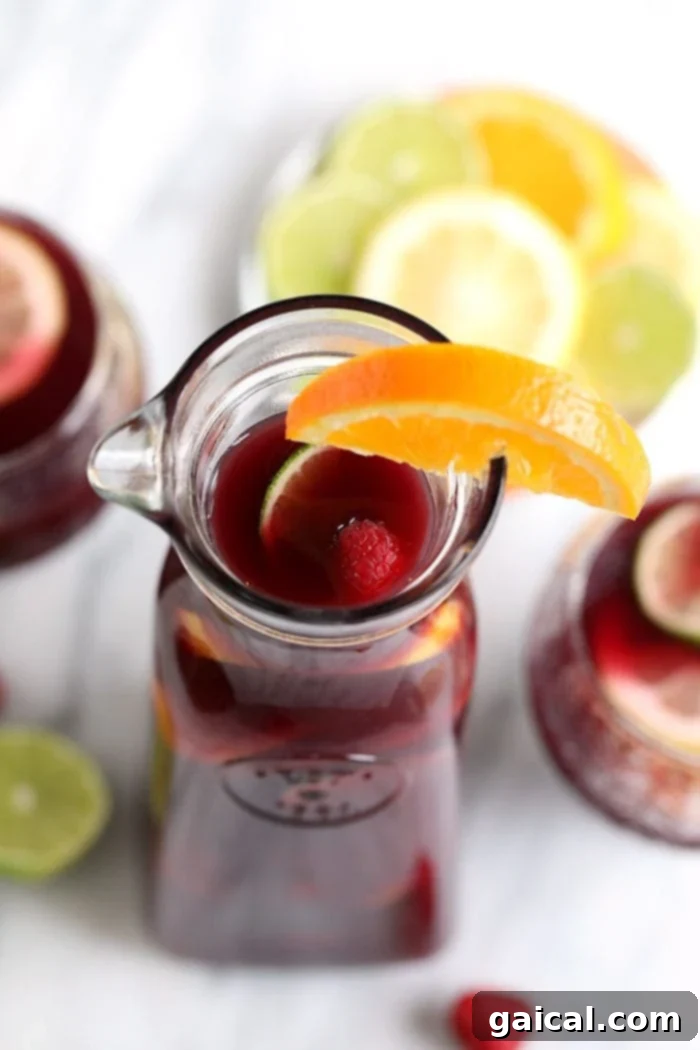
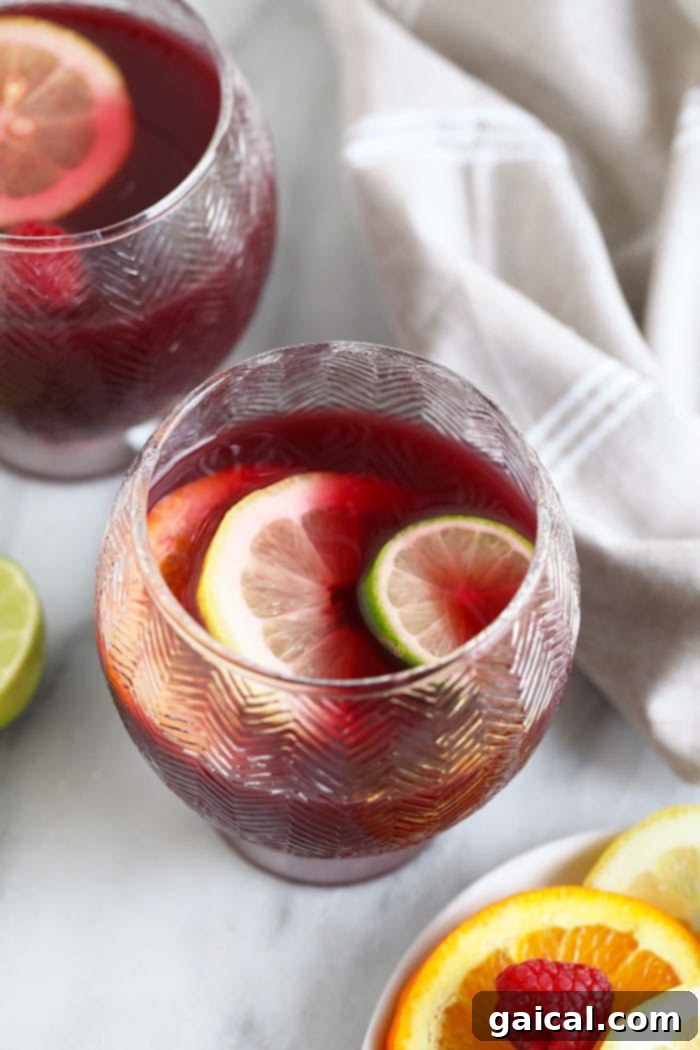
Imagine the delightful chill of a citrusy red wine sangria poured over ice, each sip bursting with a symphony of flavors. I recently whipped up a triple batch of this very sangria recipe with rum for a weekend gathering, and it vanished in no time! Everyone adored its fruity sweetness and smooth finish. But a friendly warning: this deliciously smooth drink can be deceptively potent, so remember to sip responsibly!
What is Sangria: A Taste of Spain
At its heart, sangria is a beloved Spanish punch, traditionally made with red wine, chopped fruit, and often a spirit like brandy or rum, along with a sweetener. The name “sangria” itself comes from “sangre,” the Spanish word for blood, a nod to its classic deep red color. While its exact origins are debated, variations of wine and fruit punches have been enjoyed across the Iberian Peninsula for centuries. What makes homemade sangria truly special is its incredible versatility. It’s not just a recipe; it’s a canvas for your creativity, allowing you to customize the flavors based on what you have on hand and what your palate desires.
Essential Ingredients for the Perfect Sangria Pitcher
While the beauty of homemade sangria lies in its adaptability, there are fundamental components that form the backbone of any great batch. Understanding these key elements will empower you to create a truly unforgettable beverage:
- The Wine: The Soul of Your Sangria
Whether you’re aiming for a classic red wine sangria or exploring a lighter rosé version, a full bottle of wine is your starting point. For most sangrias, especially red, a dry wine is preferred. This is crucial because the fruits and any added sweeteners will contribute plenty of sweetness, and a dry base helps maintain a balanced, not cloyingly sweet, flavor profile. Excellent choices for red sangria include Spanish varietals like Tempranillo or Garnacha, or readily available options such as Zinfandel or Cabernet Sauvignon. Since you’ll be blending it with other ingredients, there’s no need to splurge on an expensive bottle; a good quality, affordable wine (think around $10-$15) works perfectly for this red wine sangria recipe. - The Booze: Adding Depth and Kick
Beyond the wine, a secondary liquor often elevates sangria. The type you choose will subtly (or not-so-subtly) influence the overall character of your drink. For a classic red wine sangria, I find that white rum offers a smooth, clean boost without overpowering the fruit and wine. However, dark rum, brandy (a traditional choice), or an orange liqueur like Triple Sec or Cointreau are also fantastic options, each bringing its unique aromatic notes and a delightful warming sensation. - The Citrus: Brightness and Zest
In my humble opinion, sangria isn’t truly sangria without a generous amount of fresh citrus! Sliced oranges, lemons, and limes are not just for garnish; they are essential for infusing that vibrant, zesty punch that cuts through the richness of the wine and mellows the “alcohol” taste. The oils from the citrus peels and the juice from the pulp work magic as they steep in the mixture. - Other Fruits & Flavors: Personalizing Your Pitcher
This is where you can truly make your sangria unique. Beyond citrus, think about seasonal fruits and aromatic spices. Sliced apples, pears, or peaches add a wonderful texture and natural sweetness. Berries like raspberries, blueberries, or strawberries bring a burst of color and tartness. For a warmer, autumnal twist, consider adding cinnamon sticks, star anise, or even a few cloves. The possibilities are endless! - The Sweetener: Balancing Act
Some sangria recipes call for an additional sweetener, while others rely solely on the natural sugars from the fruit and juice. Common choices include simple syrup (equal parts sugar and water, heated until dissolved), honey, maple syrup, or even brown sugar. It’s entirely up to your taste preference. I often find that with good quality orange juice and ripe fruit, extra sweetener isn’t necessary, but don’t hesitate to add a touch if you prefer a sweeter profile. - The Fizz: A Delightful Finish
Traditionally, sangria is served still, but a touch of effervescence can add a wonderfully refreshing lift just before serving. Club soda, sparkling water, or ginger ale are popular choices. A splash of prosecco or Cava can also turn your sangria into an even more celebratory sparkling wine cocktail. This optional addition adds a lovely texture and brightness to each glass.
Exploring the Diverse World of Sangria Types
While the rich, ruby red wine sangria often comes to mind first, the world of sangria is far more diverse than many realize. The base wine, along with carefully selected spirits and fresh fruit additions, can transform this Spanish classic into a myriad of delightful variations. Don’t feel limited to red; there’s a sangria for every season and every palate. Here are some popular types of sangria wine and fruit punches you can easily find in stores or, better yet, craft right in your own kitchen:
- Rosé Sangria: Light, crisp, and beautifully pink, rosé sangria is perfect for warmer months. It often features berries, peaches, or watermelon, paired with lighter spirits like gin or a delicate fruit liqueur. Our Strawberry Peach Rosé Sangria is a must-try for a refreshing twist.
- White Wine Sangria: Offering a lighter, often sweeter profile than its red counterpart, white wine sangria typically uses a dry white wine such as Sauvignon Blanc or Pinot Grigio. It pairs wonderfully with stone fruits like peaches and nectarines, as well as green apples and grapes, often brightened with a splash of elderflower liqueur or white rum.
- Moscato Sangria: For those who prefer a sweeter drink, Moscato sangria is an excellent choice. The naturally sweet and bubbly Moscato wine provides a fantastic base, complementing fruits like pineapple, mango, and strawberries. A hint of coconut rum or peach schnapps can enhance its tropical notes.
- Cider Sangria: A fantastic autumnal option, cider sangria swaps wine for hard cider as its base. This creates a crisp, apple-forward drink that harmonizes beautifully with sliced apples, pears, cinnamon sticks, and a shot of apple brandy or bourbon. It’s like a spiked apple pie in a glass!
- Mulled Wine: While not strictly a sangria due to its hot preparation, mulled wine shares the spiced wine tradition. It’s a warming, aromatic drink, perfect for cold weather. Our Spiced Raspberry Mulled Wine is a testament to the comforting power of heated, spiced wine.
Mastering the Art of Easy Red Wine Sangria
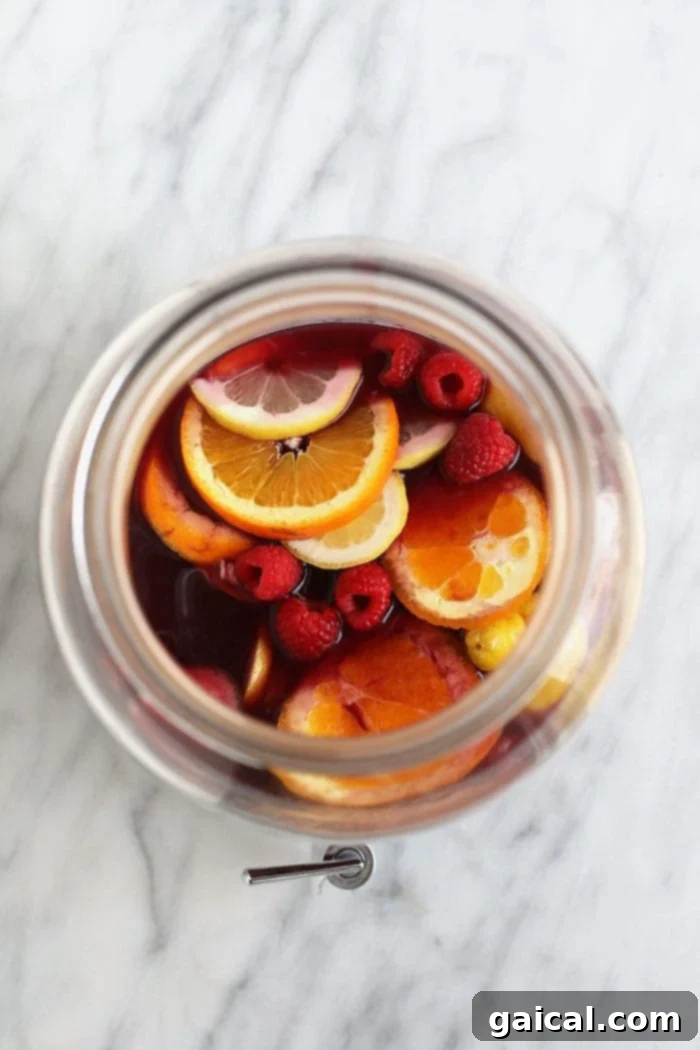
Creating your own pitcher of red wine sangria is surprisingly straightforward, requiring minimal effort for maximum reward. The key to unlocking its full potential lies in selecting quality ingredients and allowing ample time for the flavors to meld beautifully. Here’s a detailed look at the simple steps to prepare this vibrant, fruit-filled beverage:
Simple Ingredients for a Superb Sangria:
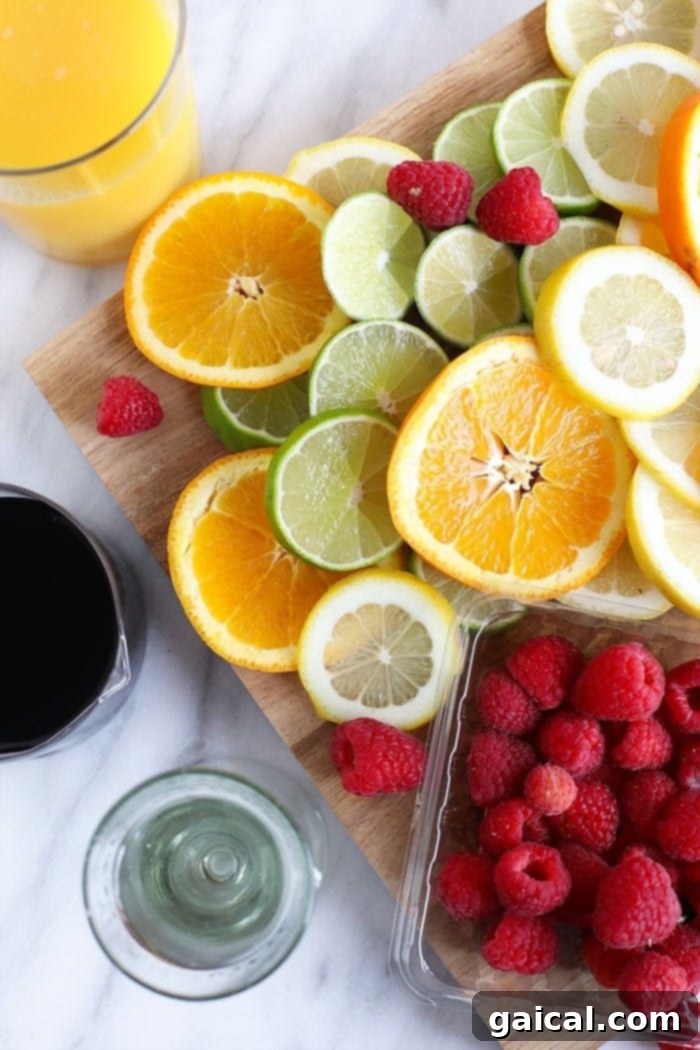
- 1 bottle (750ml) dry red wine (e.g., Tempranillo, Garnacha, Cabernet Sauvignon)
- 2 cups 100% orange juice, preferably freshly squeezed for the best flavor
- 9 oz. (about 1 cup) white rum, or your preferred spirit
- 2 medium oranges, thinly sliced
- 2 medium lemons, thinly sliced
- 2 medium limes, thinly sliced
- 1 pint fresh raspberries (or mixed berries)
Step-by-Step Preparation for Optimal Flavor:
- Combine Liquids: In a large pitcher or punch bowl, pour in the entire bottle of dry red wine, followed by the orange juice and white rum. Give it a gentle stir to combine these liquid foundations.
- Add Fresh Fruit: Carefully add all of your sliced oranges, lemons, limes, and fresh raspberries to the liquid mixture. Ensure the fruit is submerged as much as possible to allow for maximum infusion.
- Chill and Infuse: This step is crucial for developing deep, harmonious flavors. Cover the pitcher and place it in the refrigerator. Allow the sangria to chill and infuse for at least 6 hours, or ideally, overnight. The longer it sits, the more the fruit’s flavors will marry with the wine and rum, creating a wonderfully complex and well-rounded drink.
- Serve with Style: When you’re ready to serve, give the sangria another gentle stir. Fill individual glasses with ice, then ladle the sangria, making sure each glass gets a generous portion of the fruit. For an extra touch of effervescence, consider topping each serving with a splash of chilled club soda, sparkling water, or even kombucha for a unique twist.
Choosing the Best Red Wine for Sangria: Expert Tips
The choice of red wine is paramount to your sangria’s success. While the goal isn’t to use your finest vintage, selecting the right type can significantly elevate your drink. We highly recommend a dry red wine, as this provides a sturdy, balanced base that won’t become overly sweet once mixed with fruit and juice. Excellent varietals include Cabernet Sauvignon, Merlot, or Pinot Noir. For a more authentic Spanish touch, look for a Tempranillo or Garnacha. When budgeting, a general rule of thumb is to aim for a bottle in the $10-$15 range. This price point typically offers a wine with sufficient character and quality to stand up to the other ingredients without breaking the bank. Avoid anything too robust or tannic, as these characteristics can become amplified in the mixture, and similarly, steer clear of extremely sweet wines unless that’s your specific preference.
The Booze Beyond Wine: What to Add
Many sangria recipes across the internet feature a wide array of spirits, and your choice can truly define the drink’s personality. For our red sangria, we particularly favor white rum. Its clean, slightly sweet profile complements the red wine and citrus beautifully, contributing a smooth, less harsh alcoholic kick. It tends to meld seamlessly with the other flavors, making the drink incredibly enjoyable and easy to sip. However, don’t hesitate to experiment! Brandy is a traditional Spanish addition, offering a warming, sophisticated depth. Orange liqueurs like Cointreau or Triple Sec will boost the citrus notes, while a spiced rum can introduce intriguing layers of flavor, especially when paired with autumnal fruits and spices.
How Alcoholic is Sangria: A Pleasant Surprise
Don’t let sangria’s fruity, refreshing taste fool you – it can be quite potent! The delicious blend of fruit juices and citrus effectively masks the alcohol content from both the wine and the added rum or brandy. This makes it incredibly easy to drink, but also means it’s crucial to be mindful of how much you’re consuming. If you’re looking to reduce the alcoholic strength of your sangria without sacrificing flavor, there are a couple of easy adjustments. You can simply decrease the amount of rum (or other spirits) in the recipe, or you can add a bit more non-alcoholic mixer like orange juice or club soda when serving. This allows you to enjoy the delightful flavors of sangria at a strength that suits everyone.
Beyond Citrus: The Best Fruits for Sangria
While I admit a strong bias towards citrus in my red wine sangria – its bright acidity and aromatic zest are simply irreplaceable – the beauty of this drink lies in its adaptability to various fruits. You can truly use almost any fruit you have on hand, making it a fantastic way to utilize seasonal produce. The key is to select fruits that will infuse well and complement the wine and spirits. Here are some fantastic fruit combinations and tips for selecting and preparing them:
- Strawberry + Lime: A classic pairing. Strawberries add sweetness and a beautiful red hue, while lime provides a sharp, refreshing counterpoint. Slice strawberries for maximum flavor release.
- Apple + Orange: Perfect for autumn or a more robust sangria. Apples (especially firm, crisp varieties like Honeycrisp or Granny Smith) hold their shape well and absorb the wine’s flavors. Oranges maintain the essential citrus notes.
- Pear + Cranberries: A sophisticated and slightly tart combination. Pears offer a subtle sweetness and delicate texture, while cranberries add a beautiful ruby color and a pleasant tang.
- Blueberry + Lemon: A wonderfully vibrant and zesty duo. Blueberries release their sweet juices, and lemon slices provide that essential brightness.
- Peach + Raspberry: A sweet and juicy summer pairing. Peaches add a succulent sweetness and aroma, beautifully complemented by the tartness of raspberries.
- Pineapple + Mango: For a tropical twist, these fruits bring an exotic sweetness and vibrant color. They pair exceptionally well with white or rosé sangrias, especially with a hint of coconut rum.
- Grapes: Whole or halved grapes (red or green) are an easy addition that soaks up the wine beautifully, offering delightful little bursts of flavor when eaten.
Pro Tip: For fruits like apples and pears, slicing them thinly increases their surface area, allowing for better flavor infusion. Berries can be added whole, but lightly muddled or halved can also help release more juice.
Tips for the Perfect Pitcher of Sangria
- Make Ahead is Best: Sangria truly benefits from time. Prepare it at least 6 hours in advance, or even better, overnight. This allows the fruits to steep, releasing their juices and infusing the wine with incredible flavor.
- Keep it Chilled: Serve sangria very cold, over plenty of ice. This helps keep it refreshing and prevents it from becoming watered down too quickly.
- Adjust Sweetness to Taste: Taste your sangria after it has chilled for a few hours. If you prefer it sweeter, add a touch of simple syrup, honey, or a natural sweetener until it reaches your desired balance.
- Scale with Ease: This recipe is incredibly adaptable. Doubling or tripling the quantities for a larger party is simple and effective. Just ensure you have a sufficiently large pitcher or punch bowl.
- Garnish Generously: Don’t underestimate the power of a beautiful garnish. Extra fresh fruit slices, a sprig of mint, or a cinnamon stick can elevate the visual appeal and enhance the aromatic experience.
- Storage: Leftover sangria (without ice) can be stored in an airtight container in the refrigerator for up to 2-3 days. The fruit will continue to soften, and the flavors will deepen.
More of our Favorite Refreshing Drink Recipes
Discover More Delicious Drink Recipes
If you’ve fallen in love with the art of crafting homemade beverages, you’re in for a treat! Explore more of our beloved drink recipes, perfect for any occasion. From frosty concoctions to vibrant punches, we have something to quench every thirst and elevate every gathering.
- Strawberry Peach Frosé
- Best Frozen Margaritas
- Cucumber Melon Ginger Punch
- Refreshing Skinny Margarita
★
★
★
★
Easy Red Wine Sangria
Print Recipe
Ingredients
- 1 750 ml bottle of dry Spanish red wine
- 2 cups 100% orange juice
- 9 oz. white rum, about 1 cup
- 2 oranges, sliced
- 2 lemons, sliced
- 2 limes, sliced
- 1 pint raspberries
Optional
- Top off with kombucha or fizzy water before serving for extra fizz.
Instructions
-
Place red wine, orange juice, white rum, and all sliced fruit into a large pitcher or punch bowl.
-
Stir and mix well to combine all ingredients, then cover and place into the refrigerator.
-
Let the sangria sit for at least 6 hours (or ideally overnight) to allow the flavors to fully infuse. Serve over ice. Optionally, add a splash of sparkling water or kombucha to each glass for a delightful fizz.
Tips & Notes
- For the absolute best flavor infusion, allow the sangria to sit overnight.
- This easy recipe can be effortlessly doubled or tripled to accommodate larger gatherings.
- This recipe yields approximately 1 cup per serving.
Nutrition
Nutrition information is automatically calculated and should be used as an approximation.
Love this recipe? Leave a comment below!
Don’t forget to tag your creations on social media with the hashtag #fitfoodiefinds – we’d absolutely love to see what you’re crafting!