
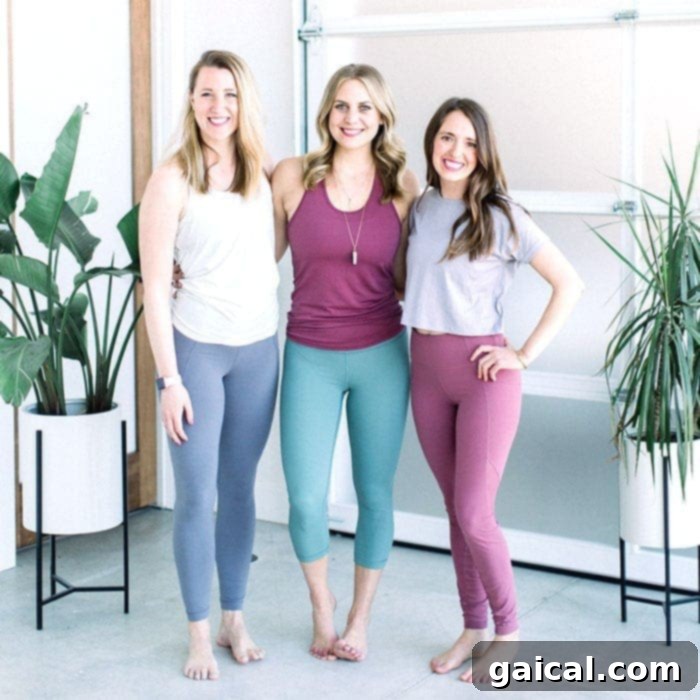
In a world constantly bombarding us with images of unattainable perfection and restrictive diets, finding genuine self-acceptance and a peaceful relationship with food can feel like an uphill battle. But what if we told you there’s a different path? A path where you surround yourself with uplifting individuals, listen to your body’s innate wisdom, and cultivate unwavering self-love? This is the essence of what we champion, understanding that nearly every one of us has, at some point, grappled with our relationship with food, exercise, and our own bodies.
The annual shift from summer’s carefree days to the structured routine of autumn can often stir up a peculiar blend of nostalgia and apprehension. For many, myself included, this seasonal transition can subtly reawaken old anxieties or bring to light underlying pressures related to performance, appearance, and belonging. It’s a reminder that beneath the surface, we all carry a complex relationship with societal expectations and personal well-being. This recurring feeling of reluctance, that “I don’t wanna go to school” sentiment from childhood, resonates deeply when considering the often-rigid “rules” imposed by diet culture and unrealistic body standards. It highlights a universal desire for freedom and authenticity, urging us to question the narratives that dictate how we should look, eat, and move.
It’s within this space of shared vulnerability that we, the Fit Foodie team, felt compelled to delve into an unscripted, heartfelt conversation about self-love and intuitive eating. We believe that some of the most profound insights emerge from genuine, unplanned dialogue. This approach allows for a raw and honest exploration of challenging topics like body image, the journey toward self-acceptance, and the liberating principles of intuitive eating. Our aim was to create a relatable experience, acknowledging that these struggles are universal and that finding a healthier path is an ongoing process best navigated with empathy and support. We discuss how to tune into your body’s signals, navigate social pressures, and cultivate a sense of inner peace that transcends external validation.
Embracing Healing: My Journey Through Eating Disorder Recovery
My personal journey through eating disorder recovery, now spanning over six transformative years, has profoundly shaped my understanding of wellness and self-compassion. A cornerstone of this healing process has been the conscious decision to surround myself with truly exceptional individuals. These are the people who accept me unconditionally, whose presence fosters an environment of genuine support, and who maintain a remarkably “normal” relationship with food, fitness, and overall well-being. In the initial, delicate stages of my recovery, it was incredibly challenging to be around those who exhibited obsessive tendencies regarding their eating habits or the intensity of their workouts. Such mindsets, while common, were simply not conducive to the intuitive way of living I desperately sought to cultivate. The shift was deliberate: I wanted to fuel my body and engage in physical activity because it brought me joy and vitality, not because it promised a certain aesthetic outcome. My deepest desire was, and still is, to eat what I crave when I’m hungry, and to move my body in ways that feel good and inspire me, rather than being dictated by a rigid schedule or calorie count. This intuitive approach allows for a freedom that diet culture can never offer.
Learning to live intuitively is not a linear path; it’s a dynamic process that demands patience, practice, and resilience. For me, it involved confronting numerous challenging situations – from navigating social gatherings centered around food to intentionally skipping workouts when my body needed rest, despite lingering guilt. Re-patterning deeply ingrained behaviors and transforming how one thinks about food and exercise is undeniably difficult, yet the profound sense of liberation and peace it brings makes every effort worthwhile. This journey of unlearning and rediscovering one’s authentic relationship with their body is an investment in long-term mental and physical health. If you resonate with the struggle of food-related anxieties, especially in social settings, I’ve shared more in-depth insights and strategies in a dedicated post titled “Overcoming Food Anxiety at Restaurants,” which you can explore further here. It offers practical advice for navigating common triggers and fostering a sense of calm around food choices.
Our candid discussion on these topics, captured in a recent unscripted video, serves as a powerful extension of this dialogue. It offers a raw and unfiltered look into our collective experiences, struggles, and triumphs on the path to intuitive eating and self-love. While this article delves deep into the concepts, the video provides an intimate, conversational perspective that many find incredibly resonant. We want to extend our heartfelt gratitude to my wonderful co-anchors, Emily Kritcher and Linley Hanson, whose openness and vulnerability made that conversation so impactful. Their contributions are invaluable, and I truly cherish their friendship and shared commitment to empowering others. This collaborative spirit underscores the importance of community in fostering a healthier mindset.
Key Principles: Unpacking Intuitive Eating and Self-Love
Our conversation touched upon several critical themes that form the bedrock of a truly balanced and fulfilling life. These principles are not about achieving perfection, but about cultivating a sustainable, compassionate approach to your well-being. Let’s delve deeper into each one:
- Intuitive Eating vs. Fad Diets: We explored the stark contrast between the liberating principles of intuitive eating and the restrictive, often unsustainable nature of fad diets. While diets promise quick fixes, they frequently lead to a cycle of deprivation, guilt, and rebound weight gain. Intuitive eating, conversely, encourages you to tune into your body’s intrinsic hunger and fullness signals, making peace with all foods, and rejecting the diet mentality entirely. It’s about building a trusting relationship with your body, recognizing that it possesses the wisdom to guide your food choices far better than any external rulebook. This approach fosters a sense of food freedom that lasts a lifetime.
- Embracing “Normal” Eaters: A significant point of discussion was the concept of “normal” eaters. What does it truly mean to have an uncomplicated relationship with food? For many who have struggled with disordered eating or chronic dieting, the idea of simply eating when hungry and stopping when satisfied, without obsessive thoughts or guilt, seems revolutionary. We highlighted that this “normalcy” is attainable through practice and shifting away from external food rules towards internal cues. It means being able to enjoy food in social settings without anxiety, and allowing variety and flexibility in one’s diet without fear of losing control.
- Challenging Mainstream Female Expectations: The pervasive influence of societal and media expectations on body image, particularly for women, creates immense pressure for food and exercise obsession. We discussed how unrealistic ideals often lead to women feeling inadequate, constantly striving for a body type that is often unattainable or unhealthy. This cultural narrative fuels comparison and self-criticism, making it incredibly difficult to embrace one’s natural form. Our conversation emphasized the importance of dissecting these external pressures and reclaiming personal agency over one’s body and choices.
- Body Image, Athletes, and Food Control: Athletes, despite often being lauded for their physical prowess, are not immune to body image struggles and the desire for food control. The pressure to maintain a certain physique for performance or aesthetic reasons can lead to highly restrictive behaviors and disordered eating patterns. We shed light on how this often goes unaddressed, as such behaviors can be masked as “discipline.” The discussion highlighted the critical need for athletes to prioritize health and intuitive fueling over performance-driven restrictions, ensuring a sustainable and enjoyable relationship with their sport and their bodies.
- Overcoming Comparison: Comparison is a thief of joy, especially in the digital age. Our talk underscored how constantly comparing ourselves to others, whether it’s their diet, their body, or their fitness routine, can be incredibly detrimental to self-esteem and progress. We advocated for focusing inward, celebrating individual journeys, and recognizing that everyone’s path to wellness is unique. Cultivating a mindset of self-compassion and appreciating one’s own strengths and progress is key to breaking free from the comparison trap.
- Surrounding Yourself with Like-Minded People: A recurring theme, and one that deeply resonates with my own recovery experience, is the profound impact of one’s social circle. We emphasized the importance of intentionally seeking out and fostering relationships with individuals who are supportive, understanding, and who share a healthy, balanced perspective on food and exercise. Being surrounded by those who uplift you and challenge negative self-talk is invaluable for maintaining a positive mindset and staying committed to your intuitive eating journey.
- Embracing the 80/20 Lifestyle: Finally, we discussed the liberating concept of the 80/20 lifestyle. This approach encourages mindful eating and healthy habits approximately 80% of the time, allowing for flexibility and indulgence in the remaining 20%. It’s a realistic and sustainable way to live, rejecting the all-or-nothing mentality of restrictive diets. The 80/20 rule promotes balance, reduces guilt around food, and allows for the enjoyment of life’s pleasures without compromising overall health goals. It perfectly aligns with intuitive eating, promoting a holistic view of well-being that includes both nourishing foods and celebratory treats.
Our collective experience underscores a powerful truth: true wellness isn’t found in rigid rules or fleeting trends, but in a profound connection to ourselves and a supportive community. It’s about listening to our bodies, nurturing our minds, and embracing the imperfect, beautiful journey of self-love and intuitive living. We hope this conversation encourages you to embark on your own path toward a more peaceful, joyful, and authentic relationship with food and yourself.