
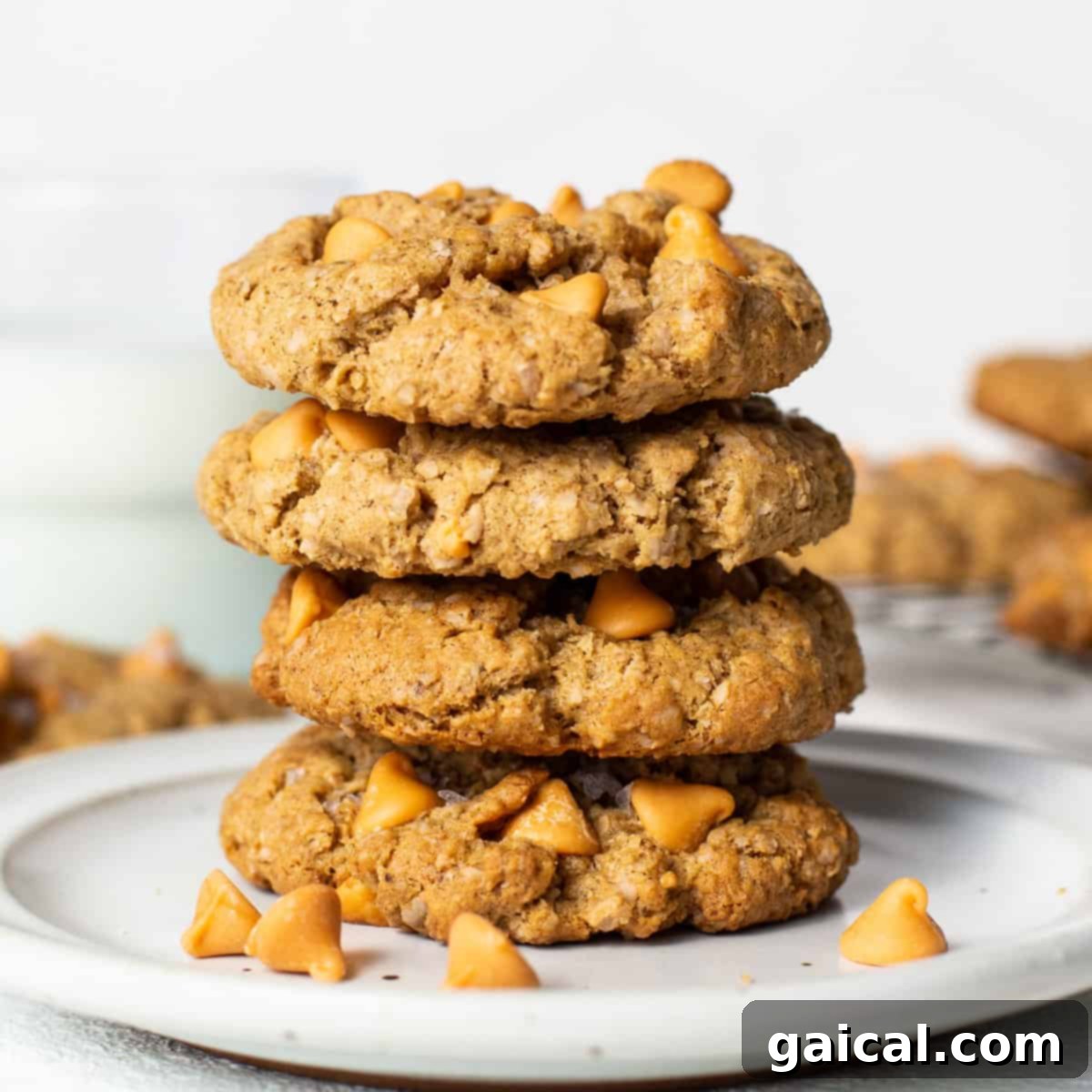
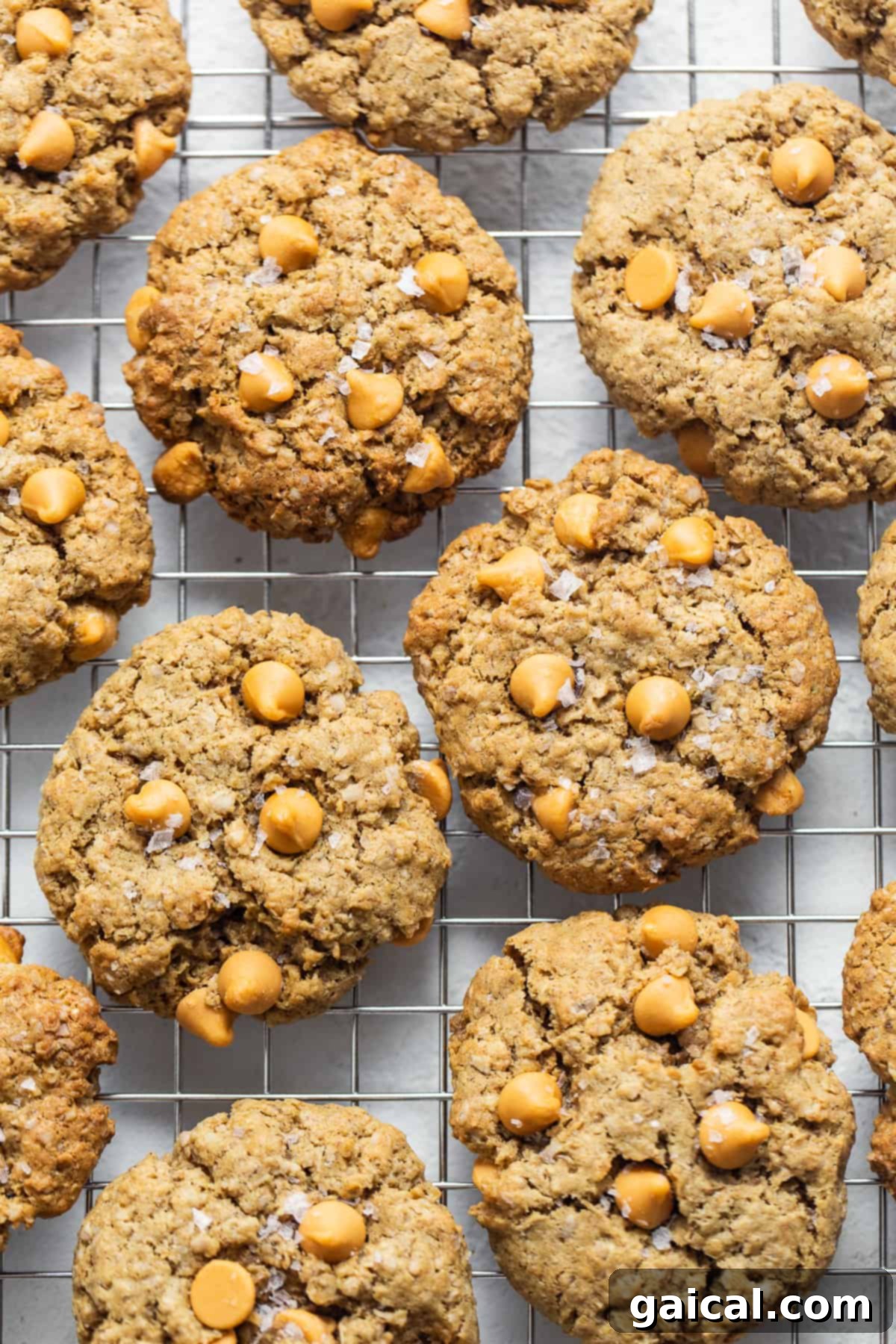
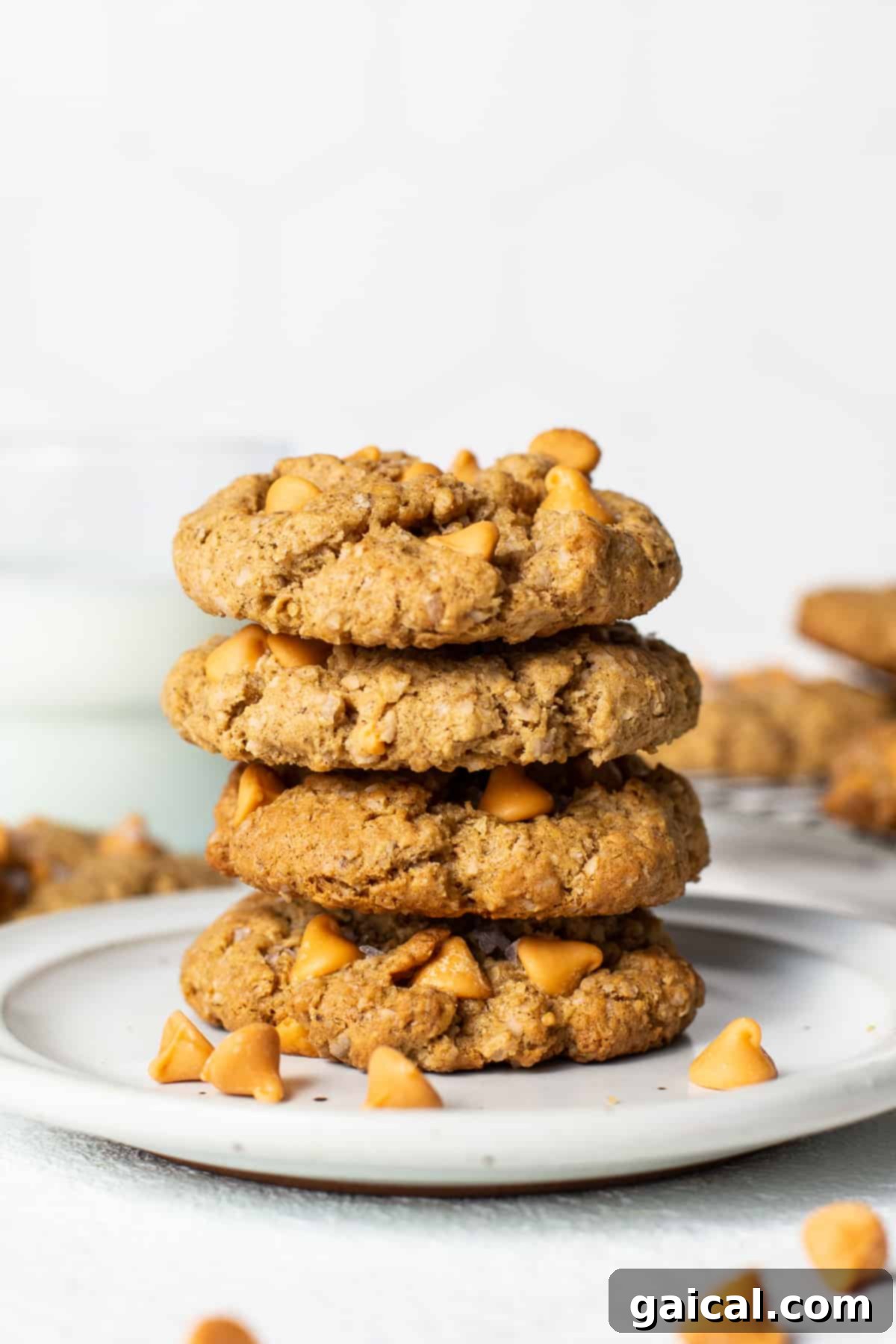
Prepare to fall in love with these incredibly delicious Brown Butter Oatmeal Butterscotch Cookies. Uniquely crafted to be completely flourless, these cookies offer a delightful chewiness and a depth of flavor that is simply unmatched. Each golden-brown cookie is generously topped with flaky sea salt, creating that irresistible sweet and salty sensation that keeps you coming back for more. They are not just a dessert; they are a comforting treat, perfect for any time of day.
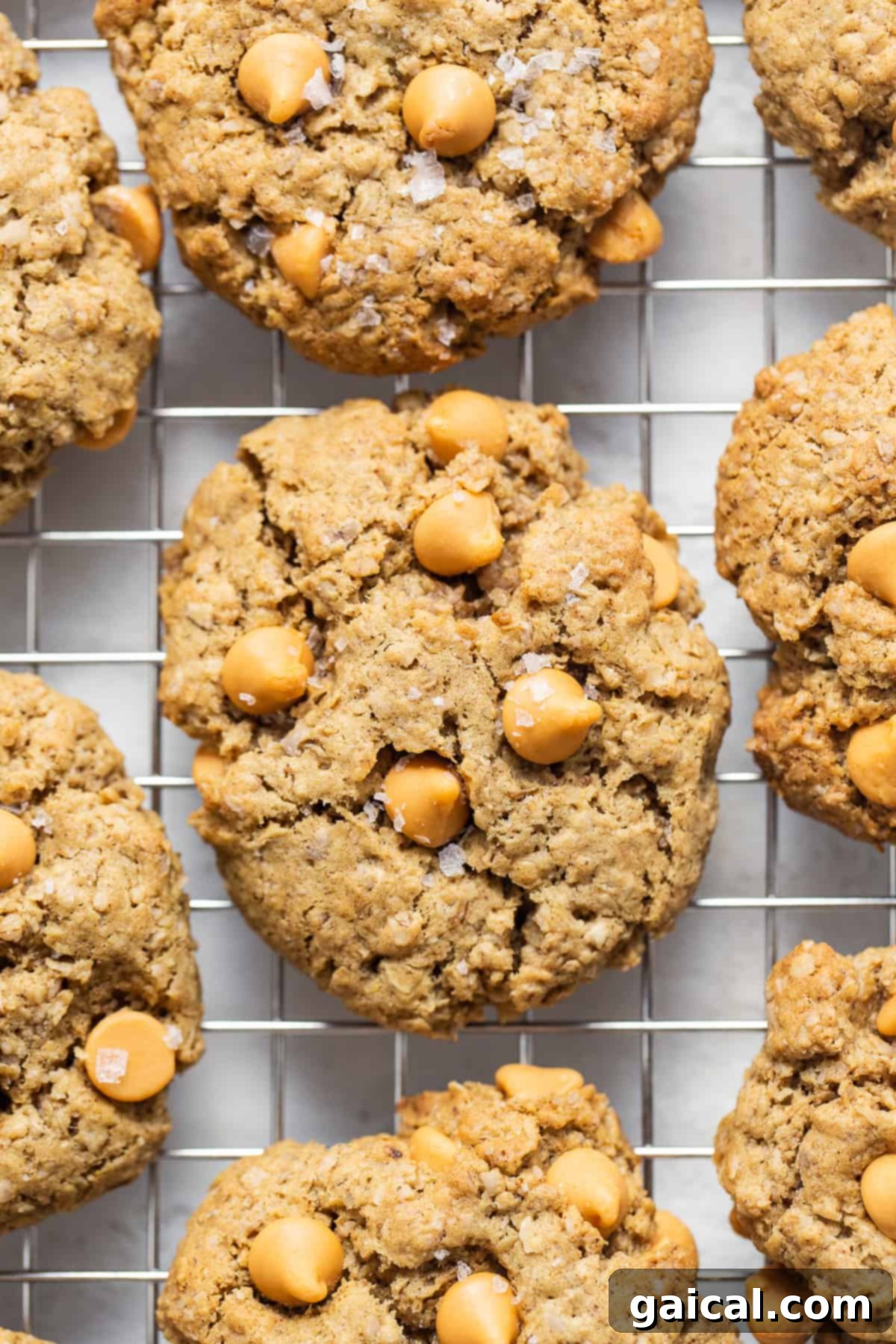
The Ultimate Flourless Butterscotch Oatmeal Cookies
When it comes to comforting baked goods, there’s nothing quite like a hearty oatmeal cookie. For me, they transcend traditional dessert boundaries – I enjoy them after dinner, as a quick breakfast on the go, or as a satisfying snack throughout the day. My freezer is always stocked with a stash of homemade cookies, ready for any sweet craving or unexpected guest. These particular butterscotch oatmeal cookies take that comfort to an entirely new level, incorporating the rich, nutty notes of brown butter and a completely flourless composition.
This recipe is a brilliant spin-off from our much-loved peanut butter oatmeal cookies, but with a subtle yet impactful twist. By utilizing a milder nut butter, specifically almond butter, we achieve a softer, more nuanced flavor profile that allows the butterscotch and brown butter to truly shine. The result is a profoundly chewy cookie with crisp edges and a perfectly gooey center – a true masterpiece in the world of flourless baking.
Why You’ll Absolutely Love These Cookies!
Flourless Perfection: Embrace a naturally gluten-free friendly treat (when using certified gluten-free oats) that boasts a unique, tender chewiness unlike traditional flour-based cookies. This simple ingredient swap not only caters to dietary preferences but also contributes to the distinct texture that makes these cookies so addictive.
Elevated with Brown Butter: Experience a flavor transformation! Browning butter imparts a deeply complex, nutty, and slightly caramelized taste reminiscent of toffee. This simple technique adds an extraordinary layer of richness that elevates these cookies from good to absolutely unforgettable, making them taste incredibly gourmet with minimal effort.
A Perfect Freezer Cookie: Bake a batch, enjoy some now, and save the rest for later! These cookies are incredibly freezer-friendly, maintaining their delightful texture and flavor for months. They are ideal for meal prepping sweet treats, ensuring you always have a wholesome, homemade option ready for those emergency dessert cravings or unexpected visitors.
Key Ingredients for Unforgettable Flavor and Texture
One of the many wonderful aspects of this oatmeal butterscotch cookie recipe is that it relies on straightforward, pantry-staple ingredients. You likely have most of these on hand already, making it easy to whip up a batch whenever a craving strikes!
- Quick-Cooking Oats: These are the star of our flourless base! Unlike rolled oats, quick-cooking oats are pre-steamed and cut into smaller pieces, which allows them to absorb moisture more readily and bind the cookie dough together effectively without the need for traditional flour. This results in a wonderfully soft, chewy texture. If you’re looking for a gluten-free option, simply ensure you select certified gluten-free quick oats.
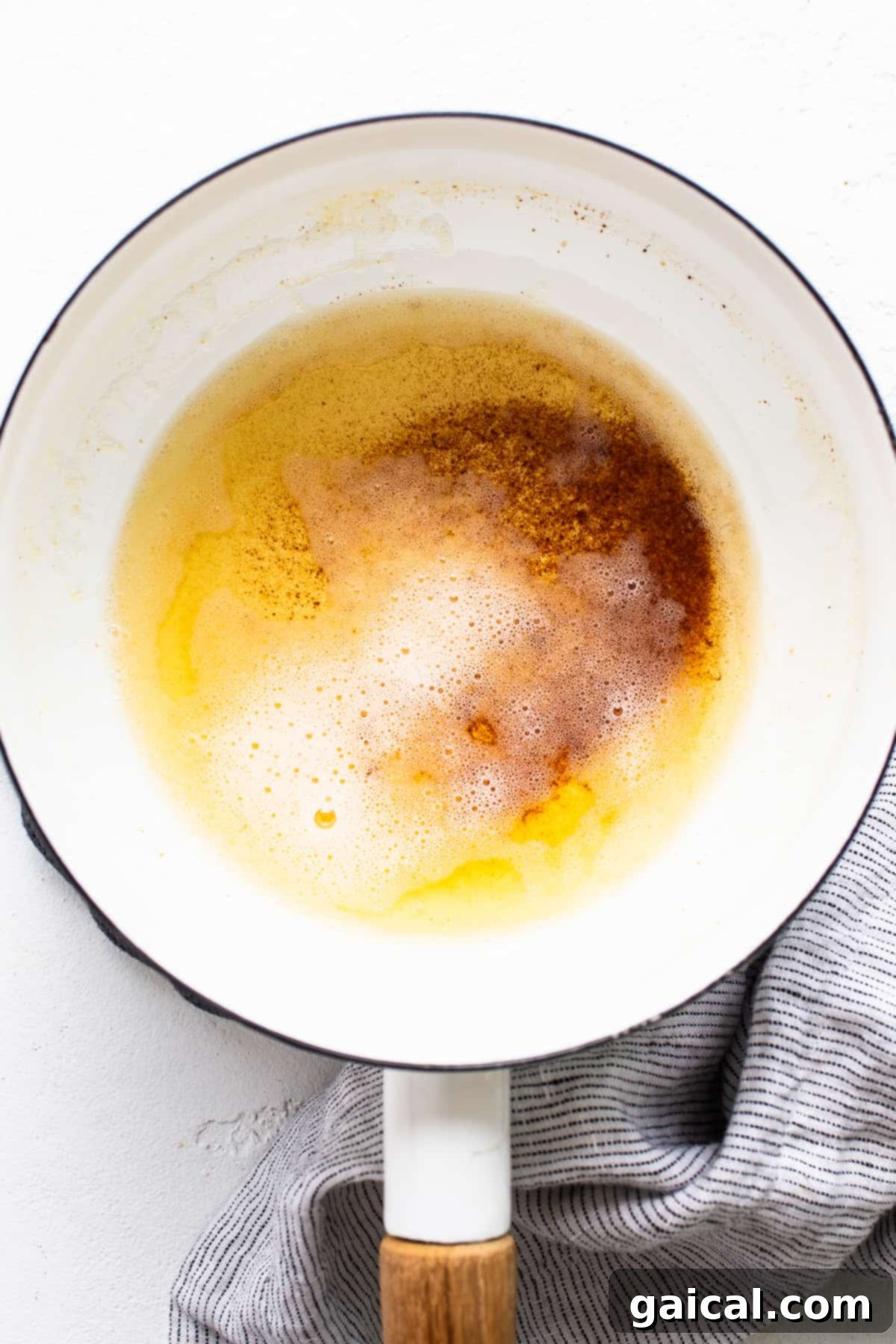
- Brown Butter: This is where the magic truly happens. Browning your butter is a simple step that transforms regular butter into a golden elixir with a deeply nutty, toasted, and slightly caramel-like flavor. This process infuses the cookies with an incredible depth that mimics the richness of toffee, taking the overall taste profile to an entirely new dimension.
- Brown Sugar and Maple Syrup: Our chosen sweeteners play crucial roles. Light brown sugar contributes to the cookies’ moistness and soft chew, adding a classic molasses flavor. Maple syrup not only provides natural sweetness but also helps to keep the cookies tender and slightly chewy, balancing the richness of the brown butter and butterscotch chips. The combination creates a beautifully complex sweetness.
- Almond Butter: As the primary binder in our flourless recipe, almond butter is essential for holding the dough together. Its smooth, creamy texture and mild, slightly sweet flavor make it an excellent choice, allowing the other flavors to shine without being overshadowed. For best results, use a natural, drippy almond butter. If you prefer, or if almond butter isn’t available, cashew butter offers a similar mildness and creaminess, while peanut butter will provide a stronger, more classic nutty flavor.
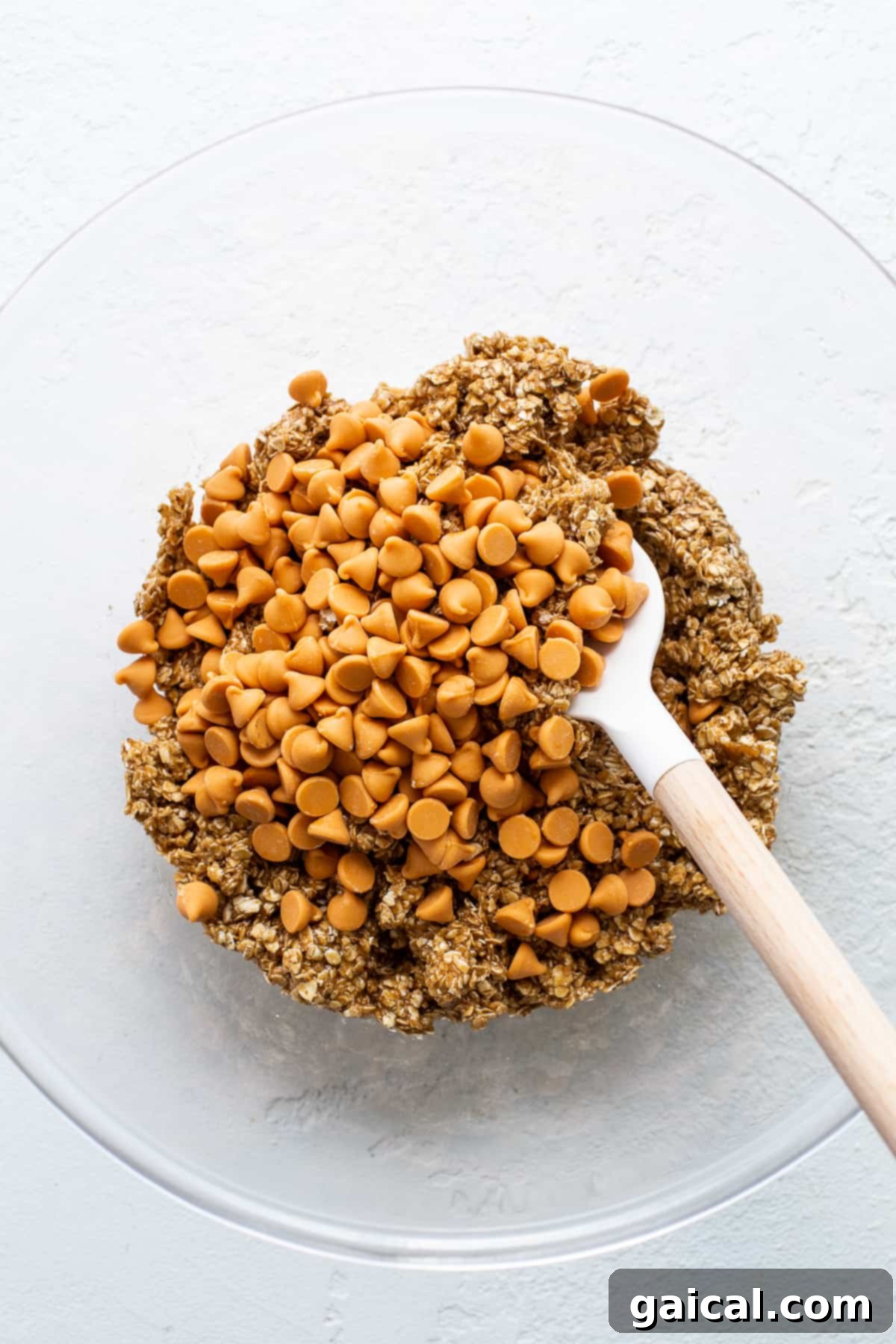
- Butterscotch Chips: No butterscotch oatmeal cookies would be complete without these delightful additions! Butterscotch chips melt into pockets of sweet, buttery, and slightly caramel-like goodness, providing bursts of intense flavor throughout each bite. Their unique taste perfectly complements the nutty oats and brown butter.
- Large Egg: Acts as a binding agent and adds structure, contributing to the overall texture and helping the cookies hold their shape.
- Vanilla Extract: A crucial flavor enhancer that rounds out the sweetness and complements the butterscotch and brown butter beautifully.
- Salt: A small amount of salt balances the sweetness and enhances all the other flavors, making them pop.
- Baking Soda: Provides leavening, ensuring the cookies have a slight rise and a tender crumb.
Expert Tips for Baking Your Best Batch
Achieving cookie perfection is all about the details. Follow these tried-and-true tips to ensure your brown butter oatmeal butterscotch cookies turn out perfectly every single time:
Always Use Quick-Cooking Oats: This is a non-negotiable for this particular recipe. While we’ve experimented with both quick-cooking and old-fashioned rolled oats, quick-cooking oats are essential for the desired texture and structural integrity. Their finer texture and greater surface area allow them to absorb moisture much more efficiently, helping the dough bind together without flour and preventing excessive spreading. Rolled oats can result in a crumbly dough and cookies that spread too much.
Don’t Skip Chilling the Dough: This step is crucial, especially for flourless cookies. Chilling the dough for at least 20 minutes (and up to an hour) solidifies the butter, making the dough easier to handle and preventing the cookies from spreading too much during baking. It also allows the flavors to meld and deepen, resulting in a more flavorful final product. A properly chilled dough yields cookies with a better shape and texture.
Slightly Pat Down Cookie Dough Balls: Once you scoop your dough onto the baking sheet, gently pat each ball down with the back of a spoon or your fingers until it’s about ½ inch thick. This simple action helps prevent the cookies from doming excessively in the oven, encouraging them to bake into a more uniform, flat disk with those lovely crispy edges we all adore.
Allow Cookies to Cool Completely: Patience is a virtue, especially with flourless cookies! Because these cookies lack the structural support of flour, they are much more delicate when warm. Resist the urge to move or eat them immediately after removing them from the oven. Let them cool on the baking sheet for a few minutes before transferring them to a wire rack to cool completely. This cooling time is vital for them to set up properly, firming up to a sturdy, yet still chewy, consistency without breaking apart.
Delicious Variations to Try
While these brown butter oatmeal butterscotch cookies are phenomenal as is, they also serve as an excellent base for experimentation. Feel free to get creative with these delicious variations:
- Experiment with Different Chips: Not a fan of butterscotch? No problem! These cookies are incredibly versatile. Try swapping the butterscotch chips for classic semi-sweet or dark chocolate chips for a rich chocolatey flavor. White chocolate chips add a creamy sweetness, while peanut butter chips will amplify the nutty notes if you’re using peanut butter. For an extra indulgent twist, consider adding toffee bits or even a mix of different chips!
- Switch Up the Nut Butter: The type of nut butter you use can significantly influence the cookie’s flavor and texture. For a buttery, less assertive taste than almond, try creamy cashew butter. If you love a bolder, more pronounced nutty flavor, peanut butter is an excellent choice, just be sure to use a natural, drippy variety. For a nut-free option, sunflower seed butter (like SunButter) can also work well, just be mindful of potential green discoloration due to chlorophyll interaction with baking soda.
- Explore Different Extracts: A dash of a different extract can introduce a whole new aroma and flavor profile. Almond extract can give the cookies a delightful marzipan-like nuance, while coconut extract can transport your taste buds to a tropical paradise. For an even richer, more sophisticated butterscotch flavor, consider adding a tiny splash of rum extract or bourbon extract. Start with a small amount and adjust to your preference.
More Irresistible Cookie Recipes
Peanut Butter Crunch S’mores Cookies
Protein Cookie Dough Bark
Protein Peanut Butter Twix Bars
Best Healthy Chocolate Chip Cookies
Lemon Cookies with Cream Cheese Frosting
Storage & Freezing Instructions
These delightful brown butter oatmeal butterscotch cookies are perfect for making ahead and enjoying later. Proper storage ensures they remain fresh and delicious!
On the Counter: Once completely cooled, store your cookies in an airtight container at room temperature. They will remain wonderfully fresh and chewy for up to 3-5 days. For optimal freshness, you can place a slice of bread in the container to help absorb excess moisture and keep the cookies soft.
In the Freezer: These cookies are excellent for freezing! For baked cookies, ensure they are fully cooled, then arrange them in a single layer on a baking sheet and freeze until solid (about 1-2 hours). Once frozen, transfer them to a freezer-safe airtight container or a heavy-duty freezer bag, separating layers with parchment paper to prevent sticking. They will keep well in the freezer for up to 3 months. Thaw at room temperature or gently warm in the microwave for a few seconds.
Freezing Cookie Dough: You can also freeze the unbaked cookie dough! Scoop the dough into balls, pat them down slightly, and place them on a parchment-lined baking sheet. Freeze until solid, then transfer the frozen dough balls to a freezer-safe bag or container. When ready to bake, place frozen dough balls on a baking sheet and add an extra 2-3 minutes to the baking time.
More of our Favorite…
Delicious Oatmeal Cookie Recipes
- Chewy Peanut Butter Oatmeal Cookies
- Warm Apple Oatmeal Cookies
- Easy Flourless Monster Cookies
- Nourishing Lactation Cookies
Brown Butter Butterscotch Oatmeal Cookies
Soft, chewy, and utterly perfect brown butter oatmeal butterscotch cookies made with no flour and just 10 simple ingredients. A truly irresistible treat!
Print Recipe
Ingredients
- 1/4 cup melted, unsalted butter
- 1/2 cup light brown sugar, packed
- 2 tablespoons maple syrup
- 1 large egg
- 1/2 cup all-natural, creamy almond butter (drippy consistency recommended)
- 1 teaspoon vanilla extract
- 1/8 teaspoon salt
- 2.5 cups quick-cooking oats, use certified gluten-free if desired*
- 1 teaspoon baking soda
- 1/2 cup butterscotch chips
- Flakey sea salt, for topping (optional, but highly recommended!)
Instructions
- First, preheat your oven to 350ºF (175ºC). Lightly grease or line a baking sheet with parchment paper, or spray with non-stick cooking spray, ensuring an even coat for easy cookie removal.
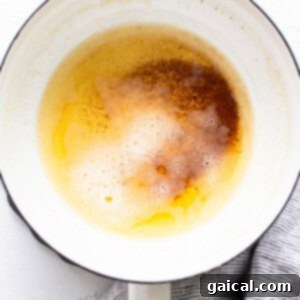
- Next, begin making the brown butter. Place the unsalted butter in a small, light-colored saucepan (a light bottom helps you see the color change). Turn the heat to medium-high to fully melt the butter. Continue cooking, stirring occasionally, until the butter starts to foam, then crackle, and finally, golden-brown specks appear at the bottom, and a nutty aroma fills the air. This usually takes 5-7 minutes. Immediately remove from heat and pour into a heat-proof bowl to stop the cooking process and prevent burning. Let it cool slightly.

- In the bowl of a stand mixer fitted with the paddle attachment (or a large bowl with an electric hand mixer), combine the slightly cooled brown butter and light brown sugar. Beat on medium speed until the mixture is smooth and no lumps of sugar remain, usually about 1-2 minutes. Then, add the maple syrup, large egg, creamy almond butter, and vanilla extract. Mix again on medium-low speed until all ingredients are fully incorporated and the mixture is smooth and creamy.
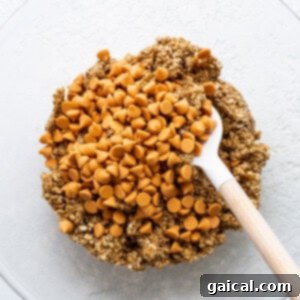
- Add the salt, quick-cooking oats, and baking soda to the wet ingredients. Mix on low speed until everything is just combined and no dry streaks remain. Be careful not to overmix. Finally, gently fold in the butterscotch chips by hand with a spatula until they are evenly distributed throughout the dough.
- Refrigerate the cookie dough for at least 20 minutes. This chilling time is essential to help the dough firm up, preventing the cookies from spreading too much during baking and improving their texture.
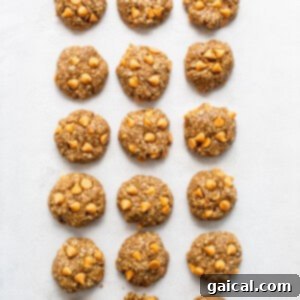
- Once chilled, scoop out generous portions of cookie dough, about 2 heaping tablespoons each. Roll the dough between your palms to form smooth balls. Place them onto the prepared baking sheet, leaving about 2 inches between each cookie. Gently press down on each cookie dough ball with your palm or the back of a spoon to flatten it slightly into a disc shape, approximately ½ inch thick. The dough might feel a bit wet and sticky, but trust the process – this contributes to the final soft and chewy texture!
- Repeat the scooping and flattening process until you’ve filled your baking sheet with 6-8 cookies, depending on its size. You may need to bake in batches.
- Bake the cookies in the preheated oven at 350ºF (175ºC) for 9-11 minutes, or until the edges are lightly golden brown and the centers still look slightly soft. Remember that ovens can vary, so keep an eye on them.
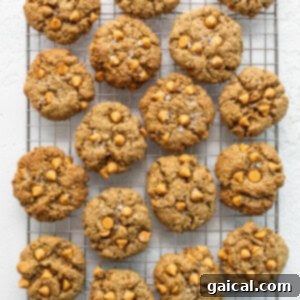
- Remove the baking sheet from the oven and let the cookies cool on the sheet for at least 5 minutes. This initial cooling period is crucial for flourless cookies to set and firm up before handling. After 5 minutes, carefully transfer the cookies to a wire rack to continue cooling completely for at least 20 minutes. This final cooling ensures they reach their perfect chewy texture and won’t fall apart when picked up. Finish with a sprinkle of flaky sea salt while still slightly warm, if desired.
Chef’s Notes & Pro Tips
- Cookie Dough Consistency: The dough for these flourless cookies will be softer and stickier than traditional cookie dough. Don’t worry, this is normal! The consistency is key to their wonderfully chewy texture. If you find it too sticky to roll, slightly moisten your hands with water.
- Cookie Shape: If you prefer a flatter cookie with more crispy edges, ensure you pat the dough balls down adequately. If you don’t press them down, they will retain more of a dome shape during baking.
- Adjusting Bake Time: If you decide to make smaller cookies (less than 2 tablespoons of dough per cookie), be sure to reduce your bake time by 1-2 minutes to prevent them from becoming too crisp or dry.
- Handling Sticky Dough: To make rolling easier, it can help to lightly moisten your hands with water before forming the dough balls. You might also want to wash your hands or re-moisten them in between rolling every few cookies, as the dough tends to be quite sticky.
- Salt Level: The flaky sea salt is optional, but it truly elevates these cookies, providing a perfect counterpoint to the sweet butterscotch. Sprinkle it on immediately after they come out of the oven.
Watch the Recipe Video
Nutrition Information
Calories: 209 kcal
,
Carbohydrates: 25 g
,
Protein: 4 g
,
Fat: 11 g
,
Fiber: 2 g
,
Sugar: 17 g
Nutrition information is automatically calculated and should only be used as an approximation. Values may vary based on specific brands and exact measurements of ingredients used.
Love this recipe? Share your thoughts below!
Don’t forget to tag your beautiful creations on social media with the hashtag #fitfoodiefinds – we can’t wait to see your delicious results!
Photography Credit: All stunning photos in this post were expertly captured by Ashley McGlaughlin from The Edible Perspective.